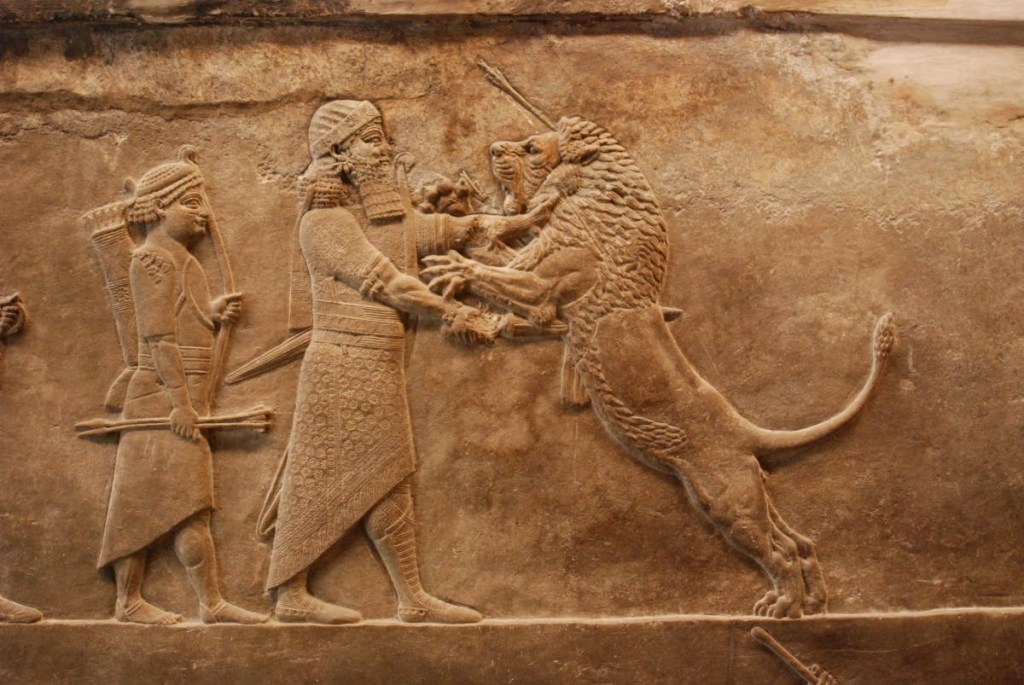
The British Museum, London
Mesopotamia
When we first think of modern-day Western Asia, our first thoughts are of a region barren of trees, a hot dry desert, a place of heat and sand, but it wasn’t always that way.
History knows this region as Mesopotamia, the Land Between Two Rivers. It was a beautiful place, lush a green, a land of forests complimented by the two rivers that ran between its boundaries. Originating in the Taurus Mountains of what is now Turkey, the Tigris and Euphrates Rivers run through the plateau of northern Iraq, flowing southward into the Persian Gulf. These two rivers made it possible for one of the world’s first great civilizations to develop. Civilizations require water, as water is integral to survival, the development of agriculture, and also for transportation. The Fertile Crescent was rich with greenery and fresh water, but the water didn’t always cooperate. It wasn’t always easy.
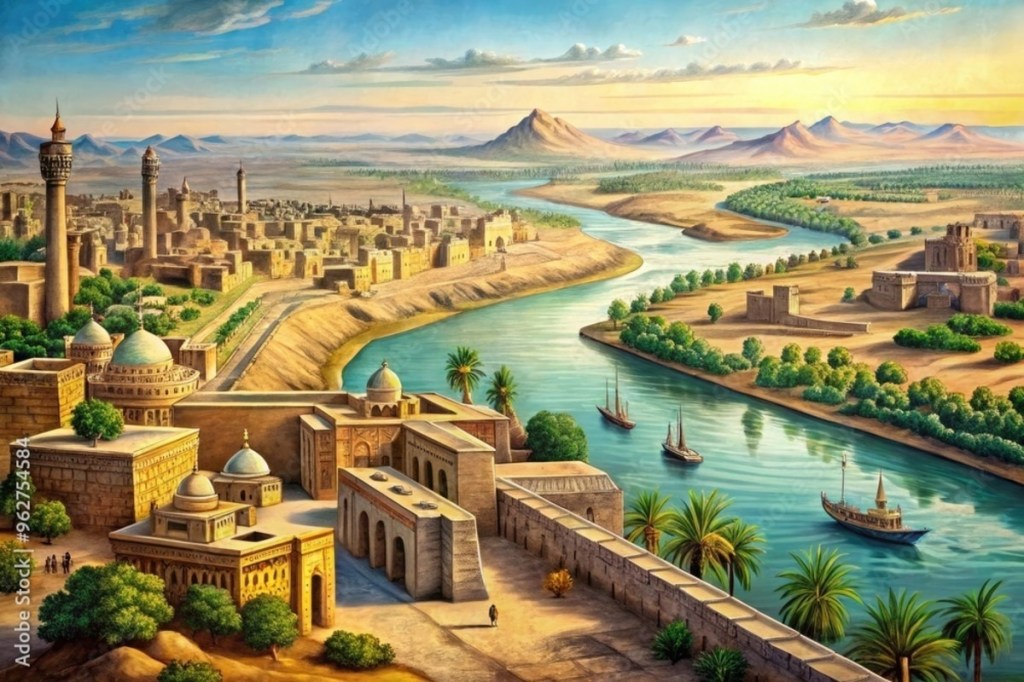
Euphrates River Ancient Mesopotamia
The Tigris and Euphrates
The Tigris and Euphrates Rivers made life possible in what was a very dry land, but they also caused destruction. Silt deposits, carried by the rivers, made the soil perfect for farming, but the rivers were needed for much more than the rich soil they provided. Rain was sparse during the spring and summer months, and the fear of drought was always a worry, but worse than the droughts were the floods that overflowed the banks of the river each fall just in time for the harvest. Flooding that not only destroyed crops, but lives and homes as well.
Over time, the Mesopotamians learned to use the environment to their benefit. In order to protect themselves from flood waters, they built levees to hold back the water, which enabled farmers to supply their crops with the water they needed to flourish.
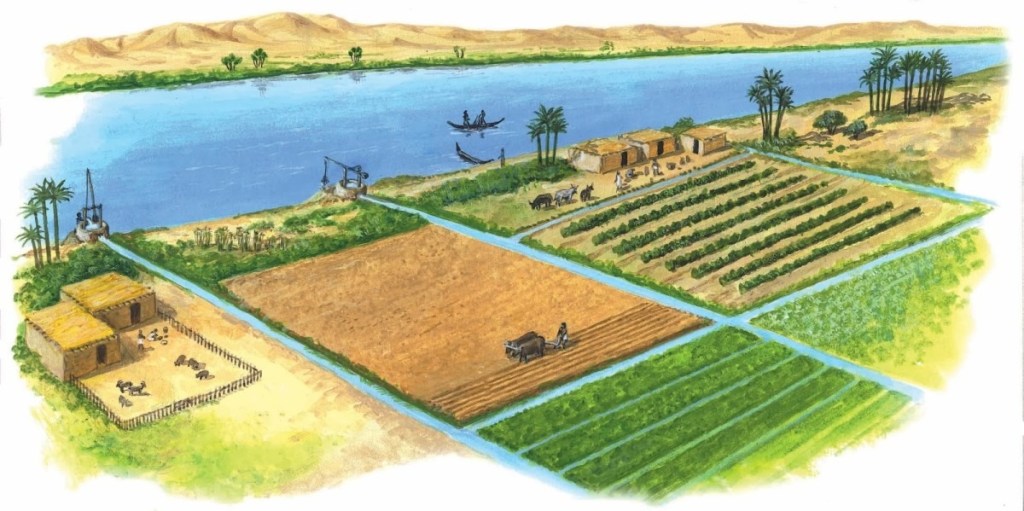
Agriculture
Archeologists have traced the first known instances of surplus farming to about 8,500 years ago. The Fertile Crescent boasted an abundance of wild plants, two of these plants being wheat and barley, which went on to become the region’s most important crops. The Tigris and Euphrates, combined with the development of irrigation, meant that farmers could harvest surplus crops, which in turn, supported larger populations. Small villages became cities, and those cities evolved into an established civilization.
With the domestication of crops came new forms of domestication, and the domestication of animals expanded, something that was accompanied by the expansion of the people’s diets. Cattle, sheep, and pigs were found living in the wild and on the homesteads. Gardens reaped beans, onions, lettuce, cucumbers, and herbs that were used for cooking. Sheep could be found grazing in the fields and wandering throughout the orchards of date palm, apple, and pomegranate trees.
Shepherds cared for the cattle and the sheep, as predators made it necessary for them to constantly stand guard. Loss of livestock was common, and those losses affected their owners greatly. Sheep supplied both milk and wool, cattle were needed as laborers, milk producers, and as a source of meat. Amazingly, lions were one of the area’s most common predators… you’d never find one there today. They moved onto other parts of the world… I wonder why?
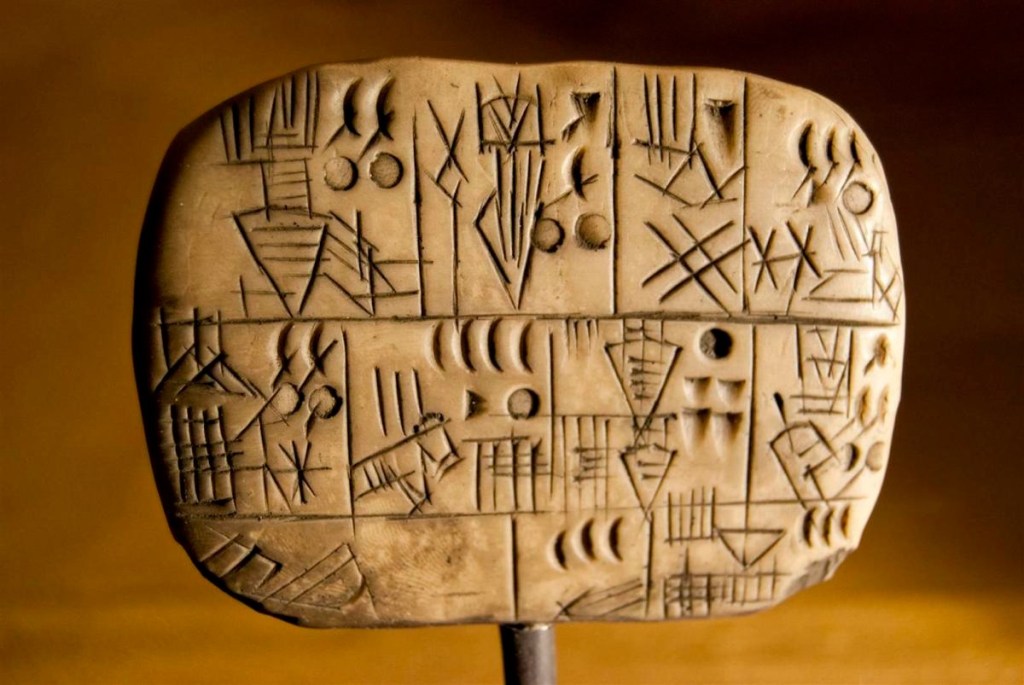
Cuneiform
The early civilization of Mesopotamia was made up of a group of city states. The region of southern Mesopotamia was known as Sumer. One might wonder how this successful civilization came to be. The answer to that would be found in its people.
Sumerians were great inventors. Think about the irrigation methods they conceived to promote successful farming, as well as the fact that it was the Sumerians who created some of the first wheeled vehicles.
Wheels were used to transport goods and people; chariots allowed for quicker travel and gave their armies an advantage during times of war. They also invented sailboats, the pottery wheel, and contributed innovative ideas in the fields of math and science, but their most important invention of all is the written word. Their writing was called cuneiform.
Cuneiform, one of the earliest writing systems in the world, allowed the Sumerian people to keep written records. Written law, a letter from one ruler to another, business records, and even riddles have been unearthed. The oldest tablets originating from around the year 3500 BC.
Cuneiform is made up of a series of approximately 500 symbols, all formed by picture writing, and similar to the pictographs we continue to use with young students today. The symbols depicted the things they described, but there were also symbols used to show sound or other objects. Simplification allowed for time efficiency; it made the art just a bit easier… a form of ancient shorthand, but I’m dating myself… we don’t use shorthand anymore, do we?
Many scribes also served as teachers, but the students were most always boys. Girls weren’t allowed, and it would have been a rarity to see one in school. Student studies began with becoming adept at making clay tablets, as well as creating the pens that were made from the reeds growing along the riverbanks. After they conquered the art of tool making, they would move on to practicing the symbols and studying math in order to create accurate records. Graduation marked the students as scribes, official writers, and honor members of the community.
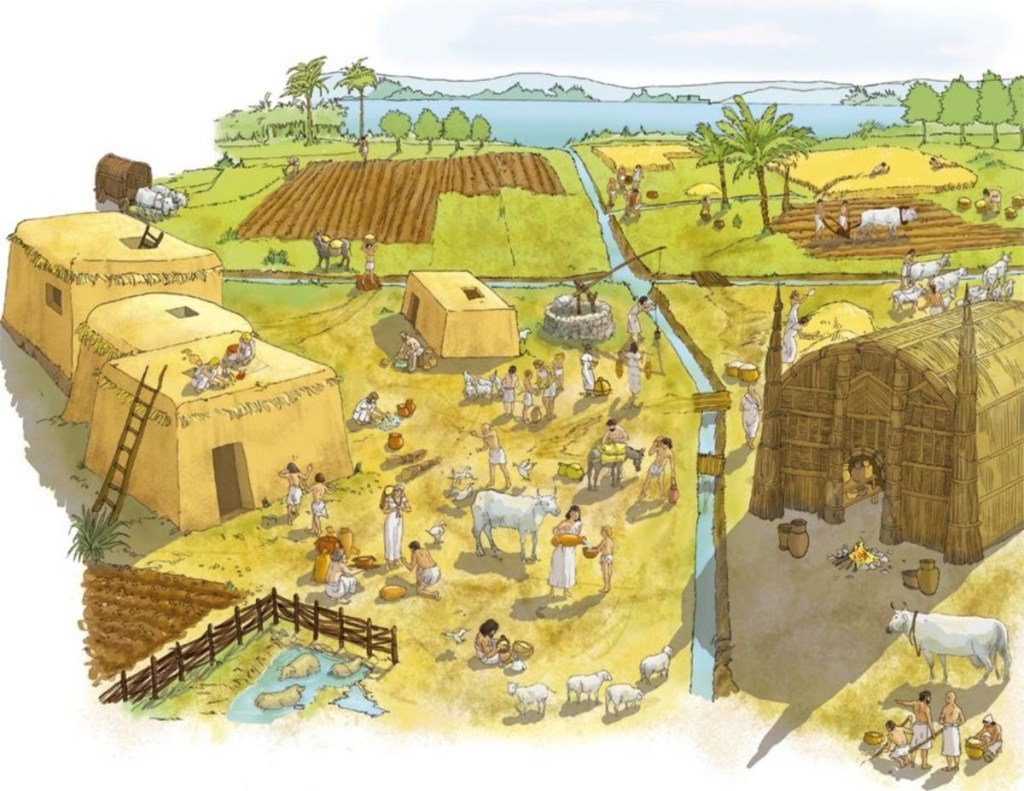
Sumerian Daily Life
The city-states of Sumeria flourished for a thousand years. Each city-state was self-governing, but they were often at war with each other. The constant battle for power amongst the city-states themselves caused the people to erect walls for protection, but the true reason behind their conflicts were the rivers. Everyone wanted control of the rivers, and there were specific areas along the rivers that were more desirable than others.
So, the city-states began surrounding themselves with mud/brick walls. Gates were put in place to allow for easy entrance and exit. Local businesses would gather around the gates to sell produce and household wares, and the king’s palace… it stood in clear view of the gates and could be seen from most any part of the city.
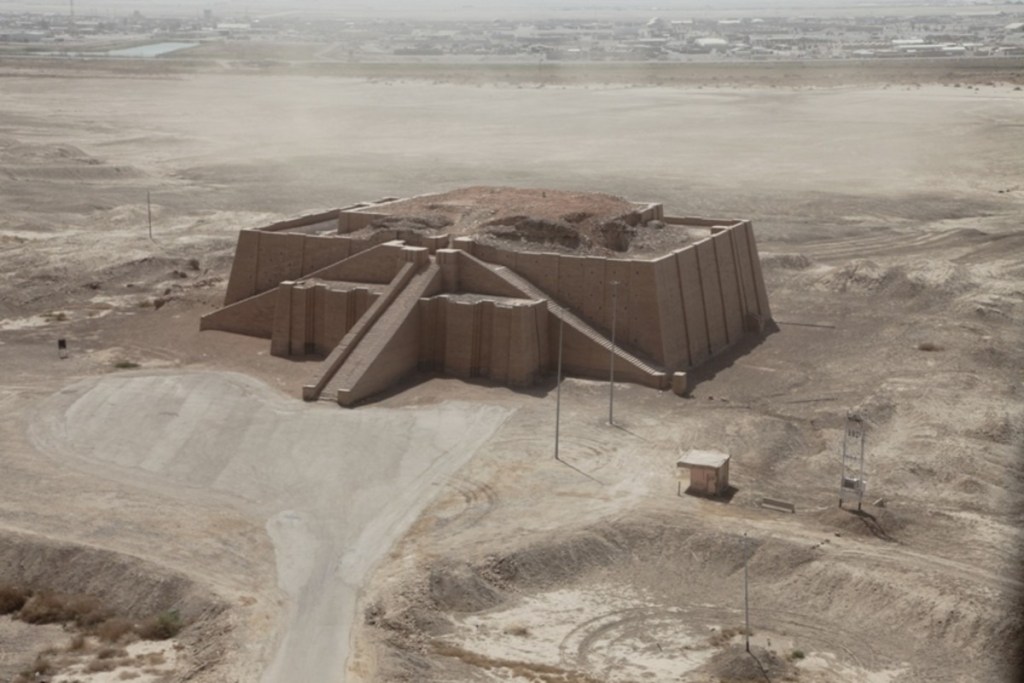
The Ziggurat of Ur
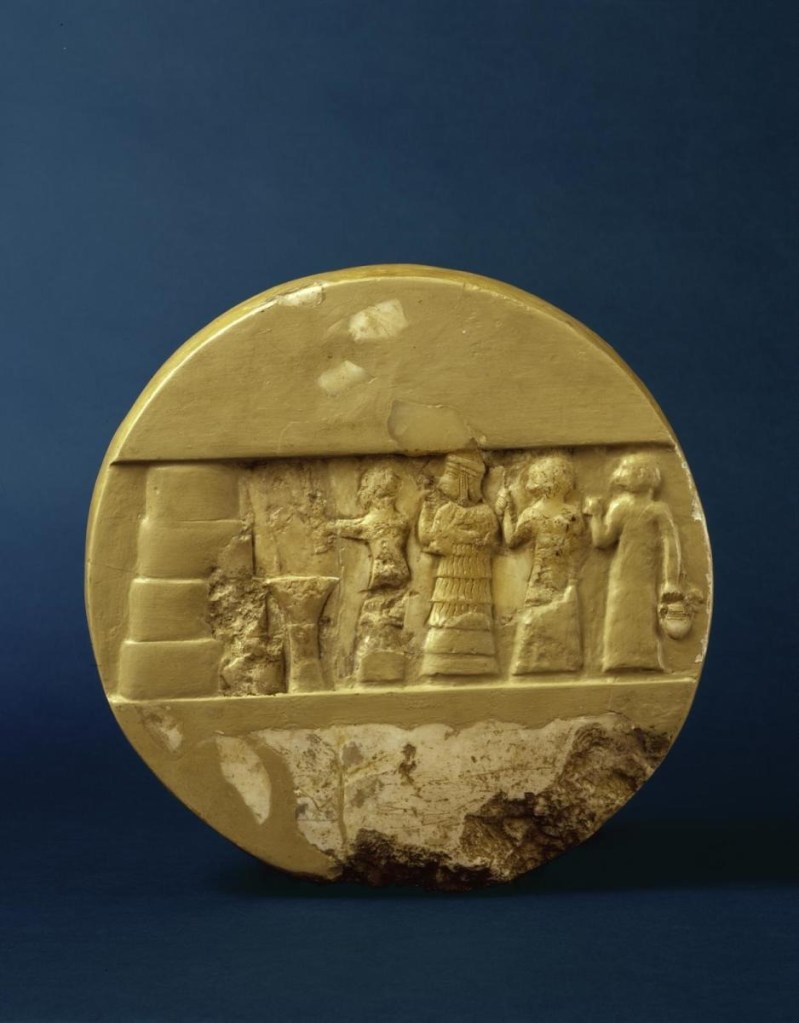
At the center of the Sumerian city was the ziggurat, a tall pyramid-like structure that housed a temple on its flattened top. The Sumerians were polytheistic, and they worshipped many gods and goddesses, but each city had a special god, a god that they believed protected them from harm. One Sumerian temple hired nearly 6,000 women and children to weave cloth. The cloth was used to honor their goddess, and it went on to clothe both the workers in the temples and the statues housed within its walls.
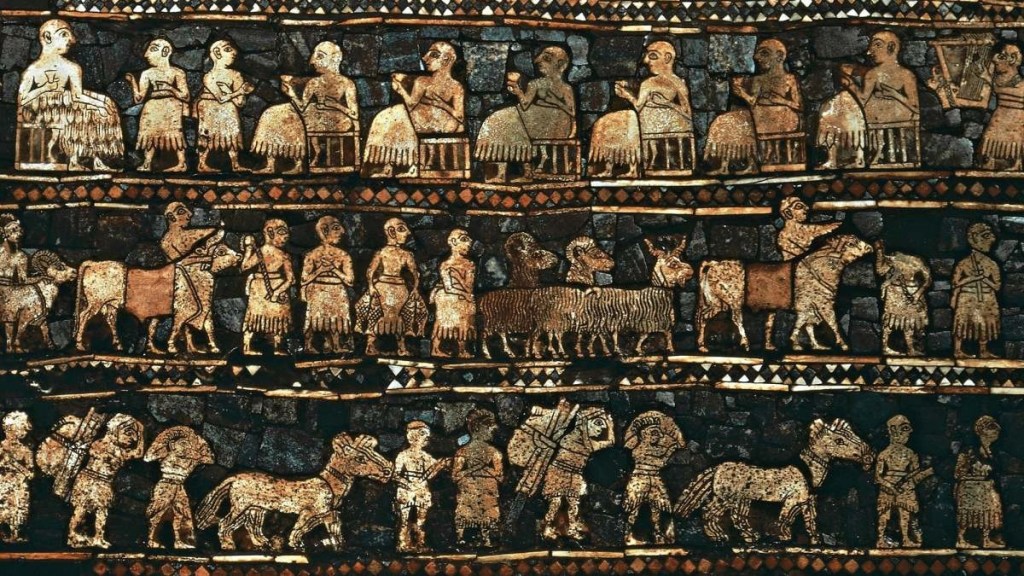
City life was simple. The wealthy lived in large houses, and their slaves and servants lived with them. Merchants arrived on a regular basis to sell prisoners taken during war, and those slaves were identified by the specific way their hair was cut… an ancient form of branding.
Poor families worked. Everyone worked. Mud walled huts were called home, crafts were handed down from generation to generation, and reed mats were used for sleeping. Fathers were the head of the household in both rich and poor families. Wives were expected to be obedient, and they were expected to teach their daughters that same submission to the male authority figure.
A woman might be allowed to conduct business, she might even be allowed to own land, but under no circumstances would she be allowed to divorce her husband. Only a husband could do that, and it was as easy as paying a fine. If you had the money, you could eliminate the wife.
Drudgery and hard work were a huge part of daily life for the citizens of Sumer, but they did make time for leisure. Festivals often filled the city landscape and were enjoyed by all, as were parades, dancing, and feasts. Board games became a popular way to spend the time, and storytellers drew enormous crowds. Gilgamesh, the greatest of the surviving stories, is still enjoyed today. Just think about the hero who began his journey seeking immortality… he never found what he was looking for, but his story is indeed immortal.
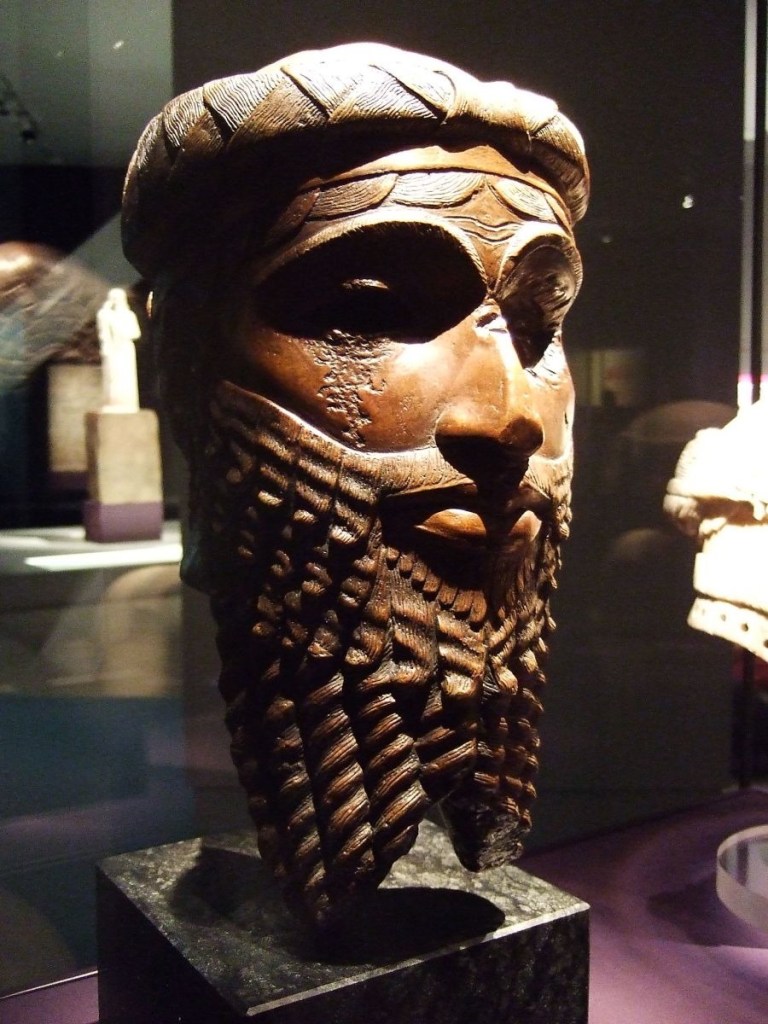
Sargon
In 2300 B.C., a new king came to rule in the state of Kush, his name was Sargon. Under Sargon, Mesopotamia became an empire. Sumer was united for the first time and war between the city-states ended. Soon after accomplishing peace in his homeland, Sargon went on to expand his dominion over a span of 900 miles. He compiled what became one of the first sets of laws, sent messages to ensure that his realm remained unified, and he opened up trade routes along the river. His empire thrived during the fifty-six years of his reign, but after his death it fell apart. Peace would endure for approximately another fifty years before a man called Hammurabi would come to power some 400 miles away, but that’s another story.
So, we end with an excerpt from the poetry of Sargon’s daughter, Enheduana, one of the rare Sumerian women permitted to train as a scribe. The following is just a short portion of a poem she wrote in honor of the goddess, Inninshagurra.
“The great-hearted mistress, the impetuous lady, proud among the Anuna gods and pre-eminent in all lands, the great daughter of Suen, exalted among the Great Princes (a name of the Igigi gods), the magnificent lady who gathers up the divine powers of heaven and earth and rivals great An, is mightiest among the great gods — she makes their verdicts final. The Anuna gods crawl before her august word whose course she does not let An know; he dares not proceed against her command. She changes her own action, and no one knows how it will occur. She makes perfect the great divine powers, she holds a shepherd’s crook, and she is their magnificent pre-eminent one. She is a huge shackle clamping down upon the gods of the Land. Her great awesomeness covers the great mountain and levels the roads.”
In this passage, I think Enheduana speaks for the women of the time… of all time. She wasn’t just the daughter of a great man; she was a woman of great intelligence and foresight. She deserved to be trained, and she did herself proud. Sadly, most women weren’t afforded the opportunity. I wonder what history would reveal to us if they’d had that opportunity.
 History Belongs To Us
Leave a comment