The White City: 1893 World’s Columbian Exposition
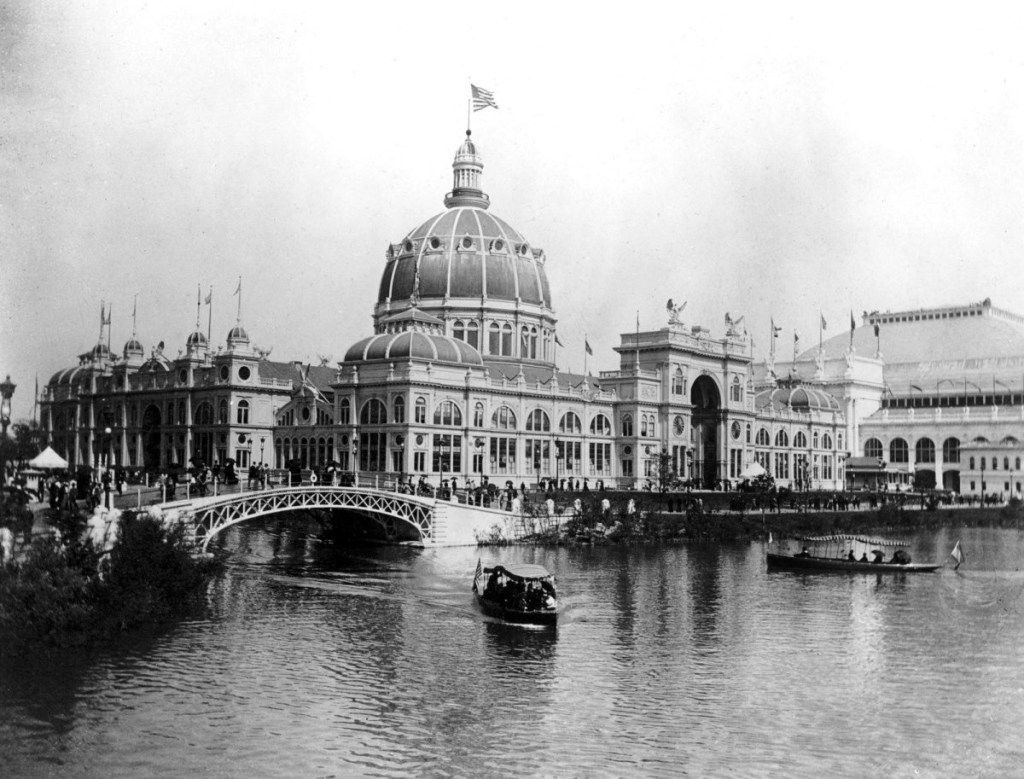
In 1893, the World’s Columbian Exposition was held in Chicago, Illinois in order to celebrate the 400th anniversary of Christopher Columbus’ voyage to America. In order to host this very important celebration, Chicago had to compete with many other cities throughout the country. In the end, it was Chicago’s extensive railroad access, in addition to the ten million dollars the city guaranteed, that put it over the top.
Planning for the exposition was extensive, and once complete, the newly constructed White City, an area that spread out over 682 acres, including a large area of lakefront property was born. Note, the exposition should actually have taken place in 1892… “In 1492 Columbus sailed the ocean blue..,” but due to the elaborate plans and the amount of work it would take to bring those plans to fruition, the timeline was changed.
Upon its completion, The White City was so magical that it is said to have inspired The Emerald City in Frank Baum’s, The Wizard of Oz. The Ferris Wheel made its first public appearance, as did electricity which had previously only been seen in France… and with the electricity came the gadgets, numerous items created to use with electricity… items that would make life easier like hot plates and fans. The Palace of Fine Arts, later to be rebuilt and renamed, The Museum of Science and Industry, made its debut. And the food… it’s hard to picture a world without shredded wheat, diet soda, Aunt Jemima Syrup, and Wrigley’s Juicy Fruit gum, but each and every one made their debut at the exposition that took place in Chicago in 1893.
The Palace of Fine Arts: Chicago’s 1893 World Columbian Exposition
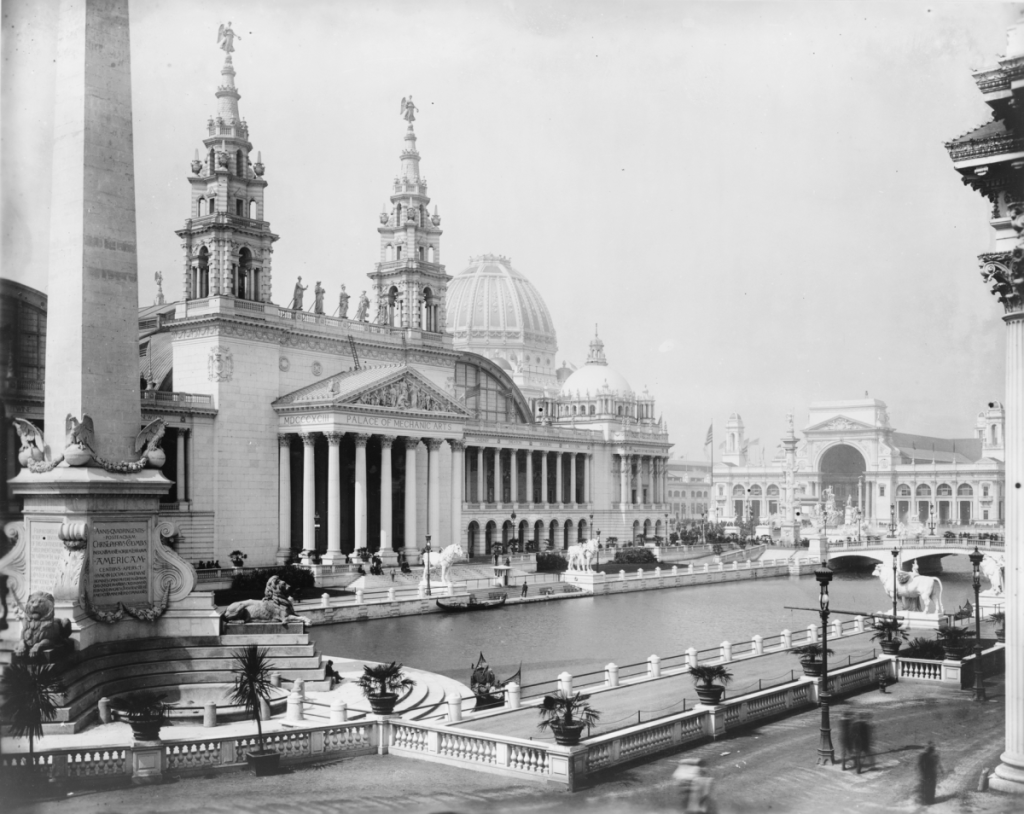
Among the buildings and exhibits was that of the Field Columbian Museum, which over the years has transformed into what we know today as The Field Museum of Chicago. Initially, the display at the World’s Columbian Exposition contained some 65,000 exhibits, which may not seem like a lot today, but in 1893… the number was extraordinary, dazzling patrons with amazing, never before seen artifacts… things only read about in books.
During the six-month period that the exposition took place, over twenty-five million people would attend, and with its closing, the dream of a permanent museum would begin its journey to reality. Initially, the museum was named the Columbian Museum of Chicago, and it made its home in the Exposition’s Palace of Fine Arts, which was located in Jackson Park. By June 2, 1984, however, the museum would not only open but change its name, honoring Marshall Field, its first benefactor, a Chicago business magnate, who’d provided a one-million-dollar donation to get things off the ground. It goes without saying that Field was renowned for his support of cultural education and the arts, and his legacy lives on.
Daniel Burnham: Architect
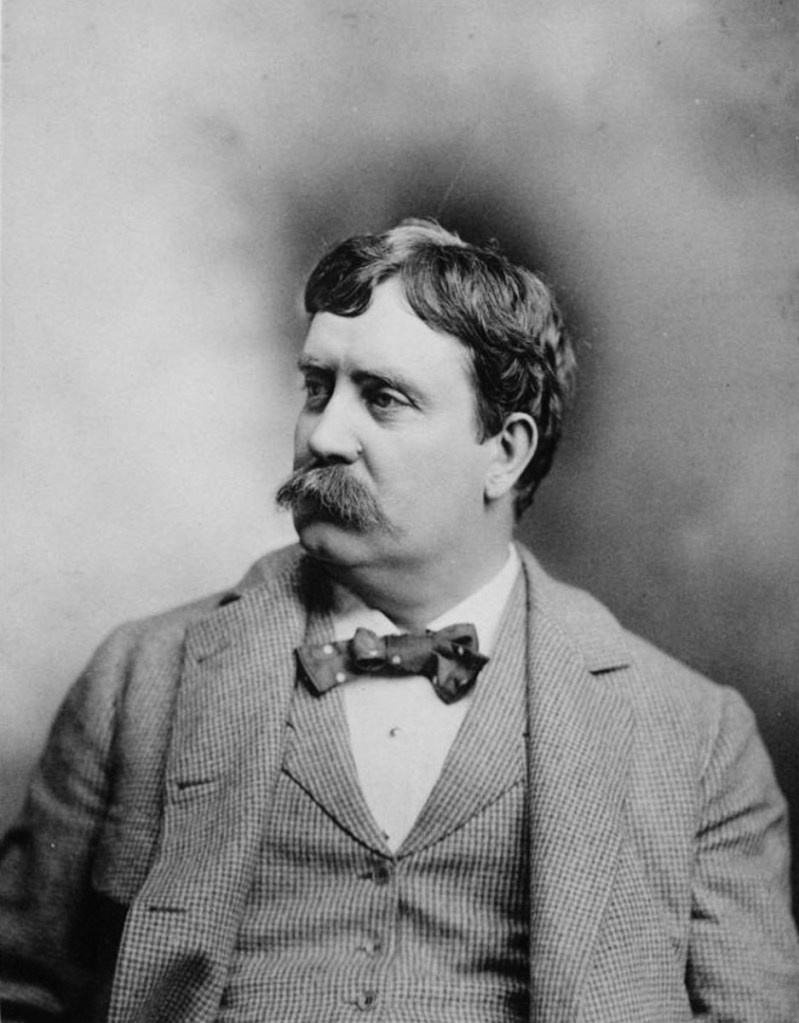
The White City’s Art Palace was admired worldwide, and architect, Daniel Burnham, deserved every accolade. Initially constructed to be a temporary addition to Chicago’s lakefront, the Art Palace was constructed differently from the other buildings for one simple reason… the items it contained were priceless and irreplaceable, valued at about five million dollars, which today would equal about $173,441,758.24. As a result, the Palace, unlike the other structures erected for the Exposition, was made of brick and built to be fireproof. Today, it serves as the home of the Museum Science and Industry, but many of the original artifacts it contained are now housed in The Field Museum of Chicago.
The Palace of Fine Arts was a beautiful building, in an even more beautiful location. Chicago’s lakefront at its best. Over time, however, the building began to deteriorate, and in 1909 it was decided that the museum should be relocated, but it wasn’t until 1915 that the construction for the new building would begin. Six years later, the new building, located near Chicago’s Grant Park, was completed at the cost of $7,000,000 the equivalent of $21,259,623,762 in today’s money.
The Field Museum: Opening its Doors
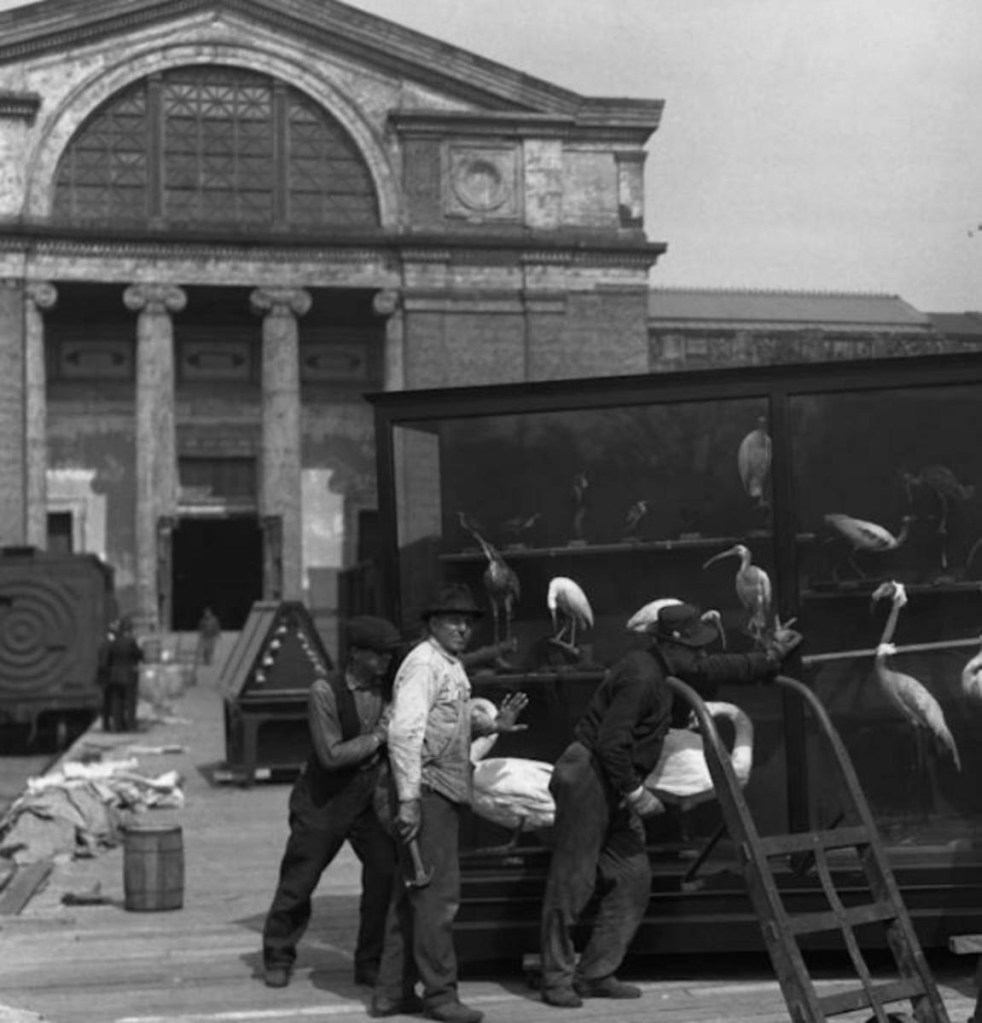
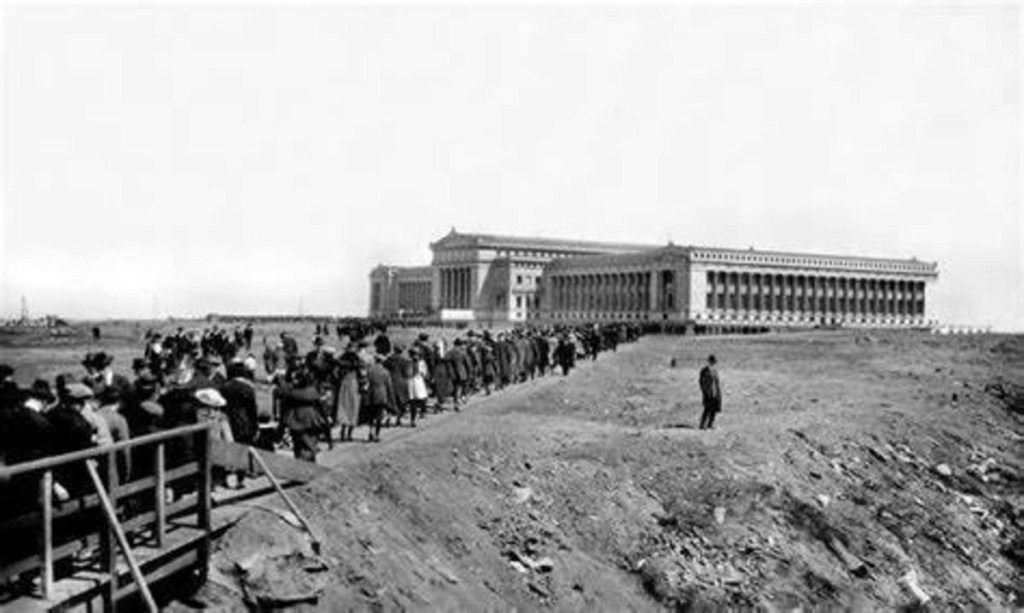
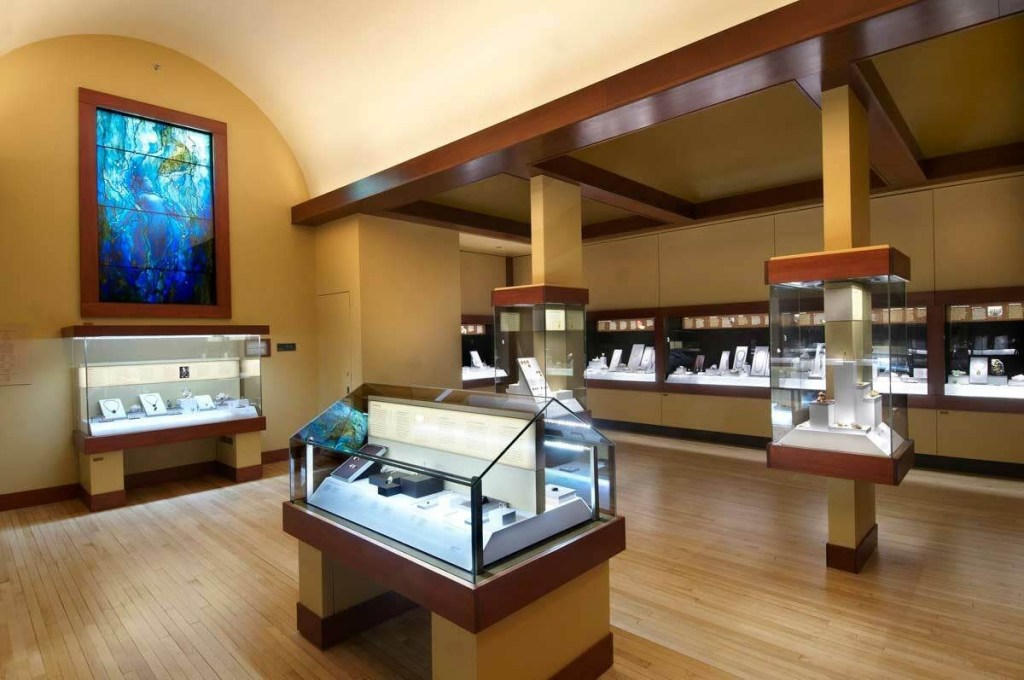
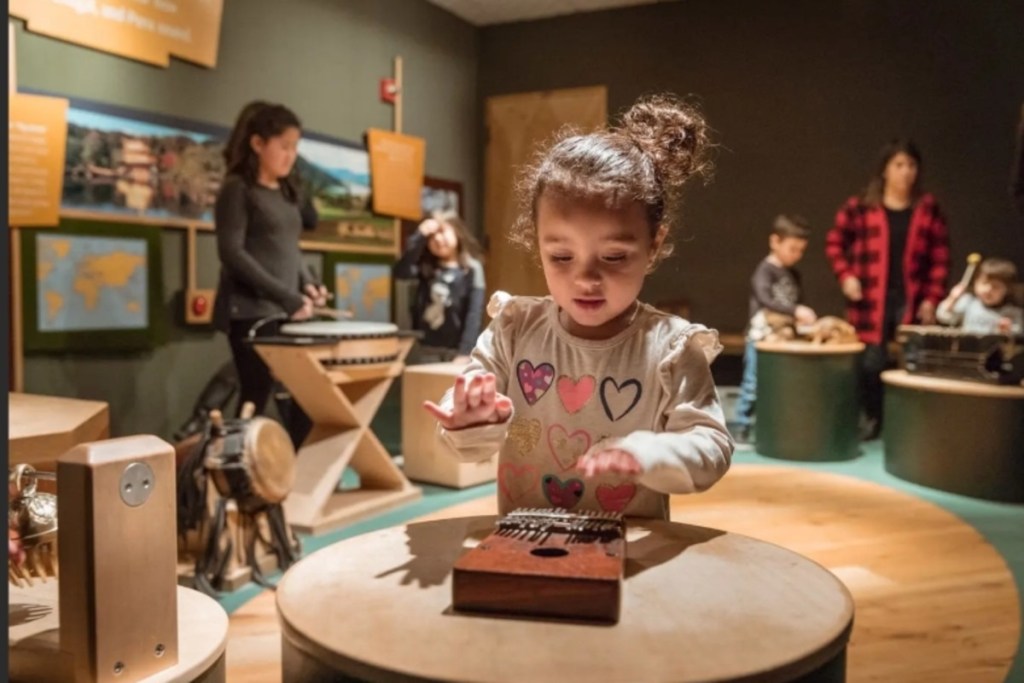
On May 21, 1921, the newly constructed Field Museum, located just south of Grant Park opened its doors. For over a year, crews had been transporting the museum’s collections from one building to another… amazing collections that included Tiffany and Co’s priceless gems, musical instruments from foreign countries, pre-Columbian gold ornaments, and a large collection of Native American artifacts… all relocated with the use of the railcars and horse drawn carriages. Everything was carefully planned for the grand opening, during which, the museum welcomed the miles long line of visitors that lined up outside awaiting admission.
Stanley Hall
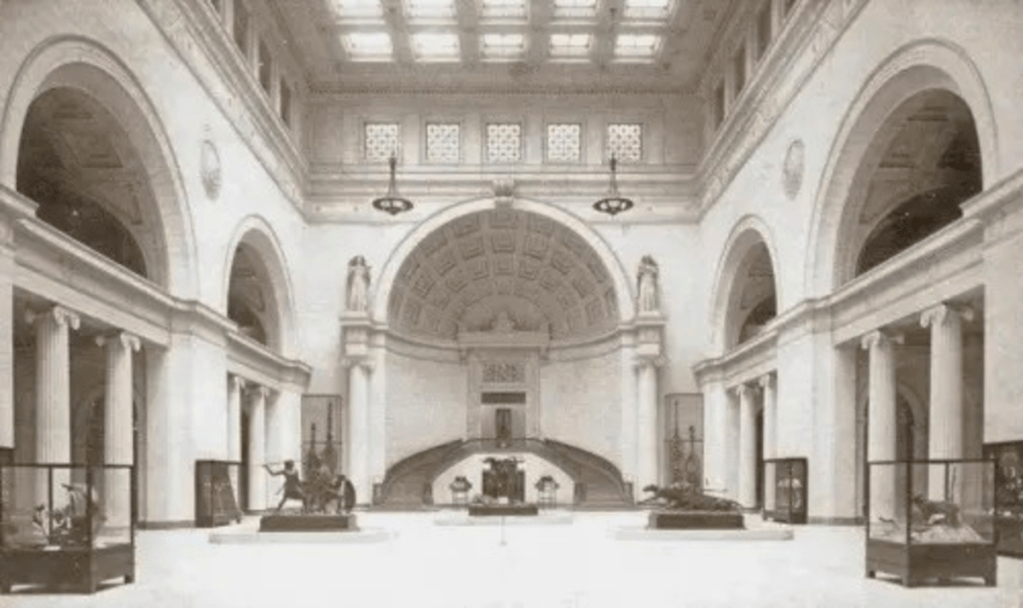
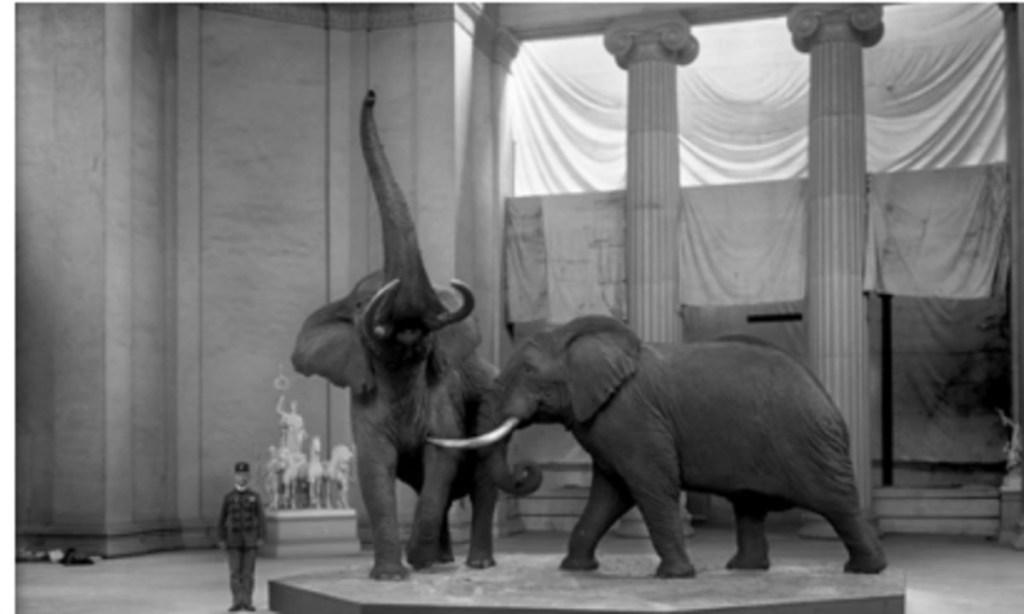
Stanley Hall Field, the nephew of the museum’s benefactor, Marshall Field, became the president of the Field Museum in 1908, a position he held for fifty-six years. He also played a major role in the decisions and processes involved in the museum’s relocation. Stanley Hall, named for Field’s nephew, is built on a half acre of floor space made from fossilized limestone, and each corner of the room holds a statuary depiction of one of the four muses, which represent the purposes behind the museum’s founding, those being research, record, the dissemination of knowledge, and science.
The Four Muses: aka The Maidens
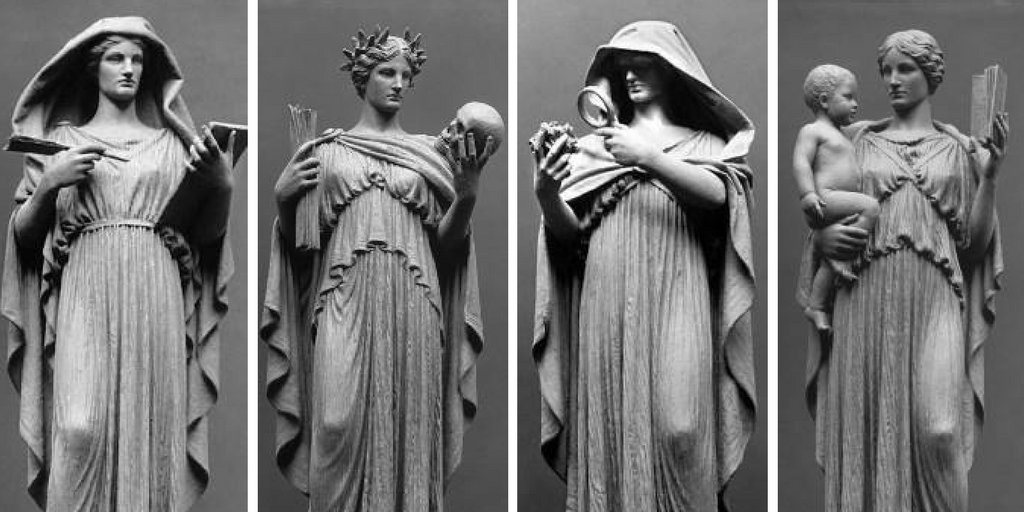
The muses, better known as The Maidens, were sculpted by American artist Henry Hering, who also created the three relief panels depicting female figures adorned with wings, as well as various other statues that make their home in the museum.
Anyone who knows me knows that I love statues above all other forms of art. At the age of five, security was called at the Art Institute when I curiously and impetuously ran to touch a forbidden statue. Today, I understand the fuss, I doubt my father ever got over it.
A Dinosaur Named Sue, Discovered by Sue Hendrickson (1990)
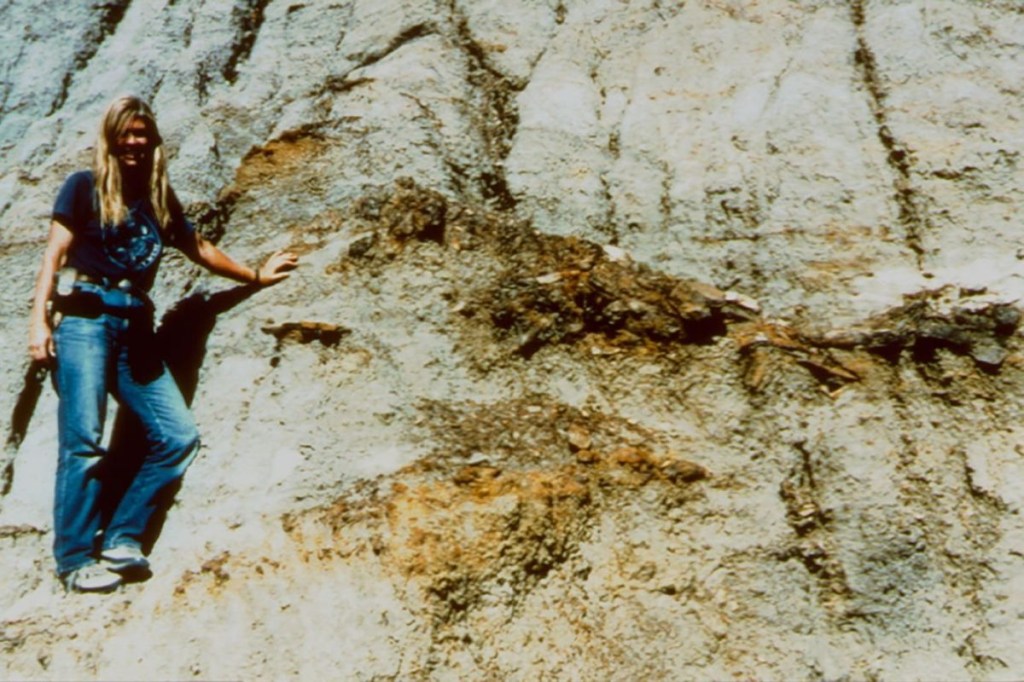
Moving past the muses, Griffin Halls of Evolving Planets would likely be my favorite exhibit in the museum… my grandson’s too. Note, I do not believe in evolution, so many of the things the exhibit would like to teach me do not apply. The skeletal remains of the dinosaurs, however, are beautiful, fascinating, and most of all… intriguing. Standing face to face with Sue, the T-Rex, allows us to truly imagine what it would have been like to meet her while she was alive. Her history is even more fascinating. Who knew that dinosaur bones, like trees, have growth rings? Well, paleontologists uncovered this fact, and Sue is said to have been twenty-eight years old at the time of her death. Another question we might ask is how do they know that “Sue” was a girl? Admittedly, they don’t. It is impossible to determine the sex from bones, and Sue is named in honor of Sue Hendrickson, the woman who discovered her remains while participating in an excavation trip in South Dakota in 1990.
Sue’s presence in the museum is taken for granted by those of us who appreciate her, but getting her to the museum was no easy feat. It took six people to excavate Sue’s remains over a course of seventeen days, after which the parentless T-Rex became the subject of a custody battle, yes, a custody battle, that lasted for five years and would only be put to rest when Sue was put up for public auction. In the end, the largest T-Rex ever found would be the object of the highest bid and purchase of any existing fossil, 8.4 million dollars, paid for by the Field Museum, which had received huge financial support from private donors, the McDonald’s Corporation, and the Disney World Resort. Sue finally had a home, but now they had to get her there.
Sue’s Journey to Her New Home
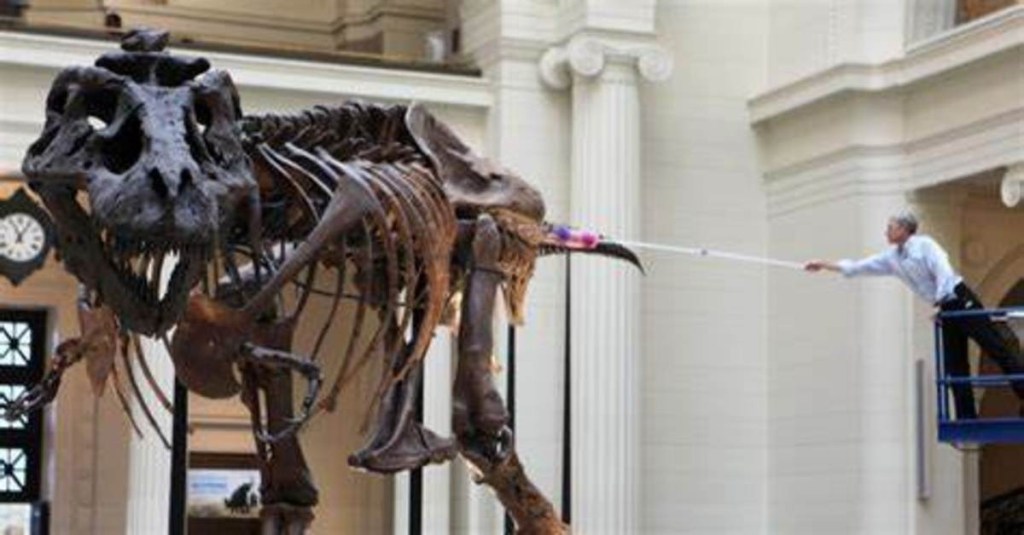
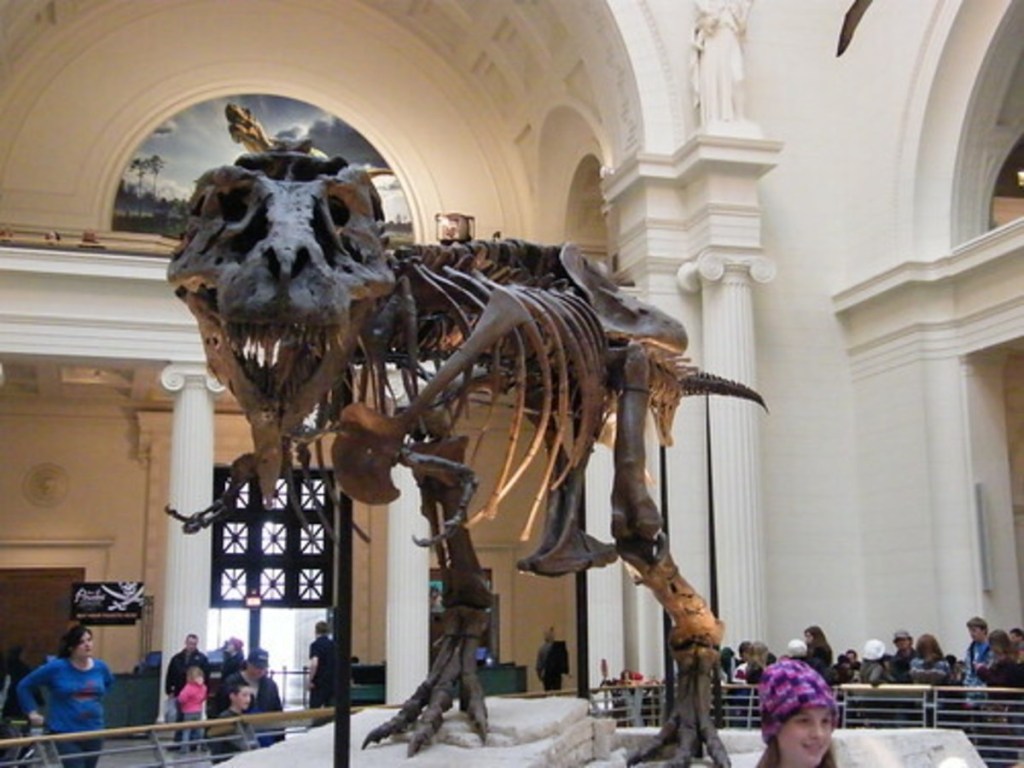
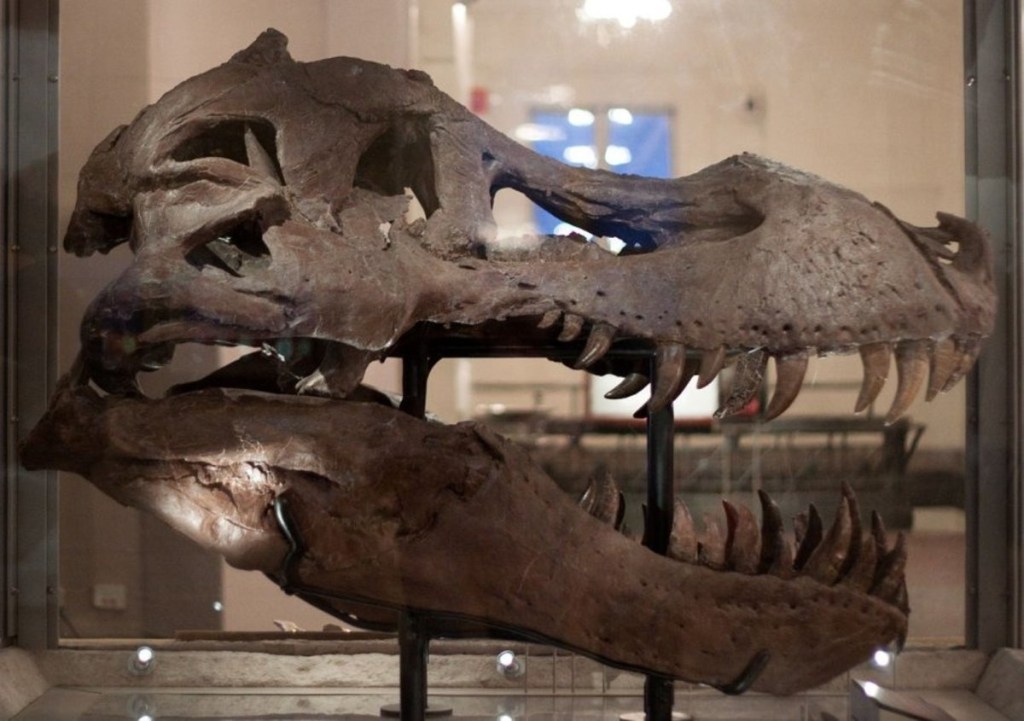
Three years after the bidding was over, Sue would be moved to her new home, and she would be exhibited, front and center, in the beautiful Stanley Hall. People might ask, why did it take so long, but we have to remember everything that was involved. Sue’s skeletal remains were not intact, the puzzle had to be solved, the exhibit had to be constructed, and Sue’s head… too heavy to perch upon her skeleton without muscle and ligaments, a whopping six-hundred pounds, had to be replicated… her real skull displayed in a glass case that was placed on the balcony of the stairwell, where it would remain until 2018. Sue has since been moved to her permanent home in the Evolving Planet exhibit. Admittedly, I preferred her place in Griffin Hall. It was always a thrill to walk into the museum, and almost instantly see her standing across the room. A surreal experience that left one evermore awed by the pure size of the amazing creature, whose size seemed to increase with every step.
Sobek the Spinosaurus & Other Exhibits
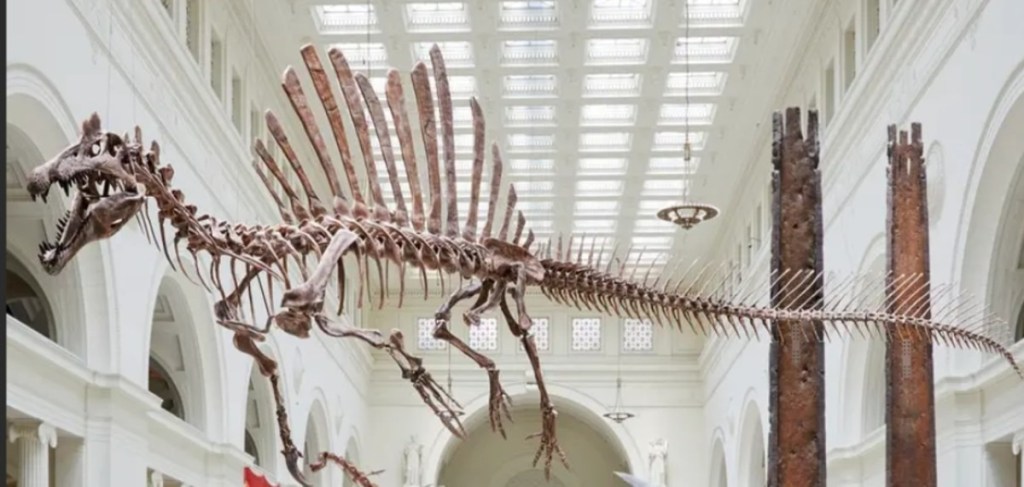
Sue’s place in Griffin Hall has been filled by Sobek the Spinosaurus, a fish eating dinosaur with a crocodile-like body and paddle tail. Forty-six feet long, Sobek once cruised the rivers of North Africa. Today, he hovers above the entryway to the museum, so while you’re standing in line waiting to purchase your tickets… please look up.
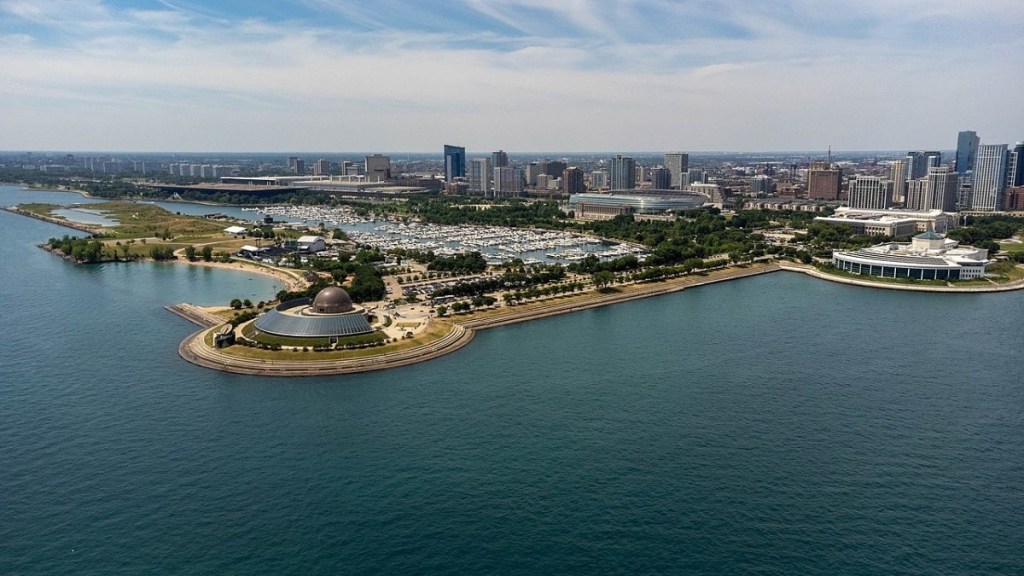
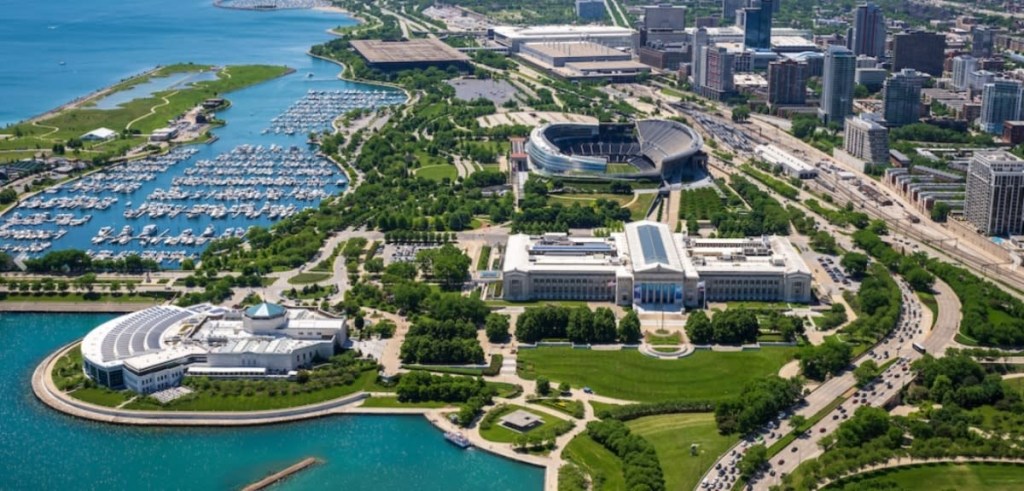
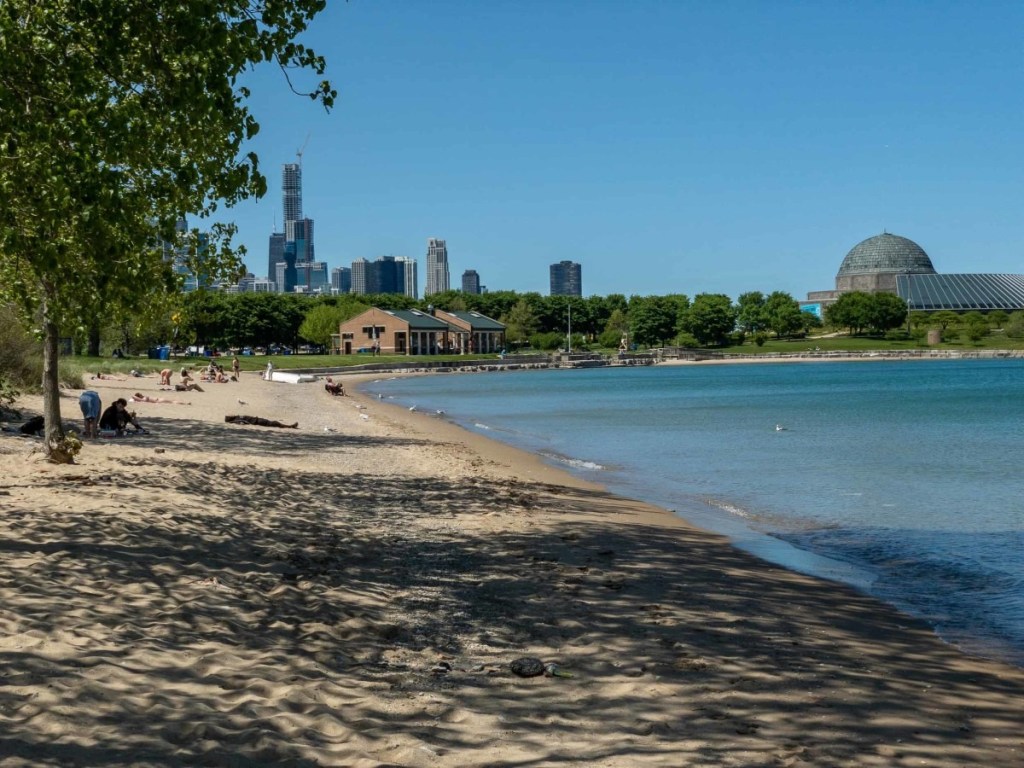
The Field Museum is filled with so many exhibits that it is impossible to truly enjoy them all in one visit. Unseen Oceans, Inside Ancient Egypt, the Grainger Hall of Gems, the Crown Family PlayLab, the Maori Meeting House, The Robert R. McCormick Halls of the Ancient Americas, and a host of other exhibits await your visit. But when you visit, always remember to look around you, to take in the architecture, to maybe, if there’s time, walk over to the Shedd Aquarium or Planetarium, and then top your trip off with the short walk down to 12th Street beach and enjoy the beauty of Lake Michigan. Chicago at its best.
 History Belongs To Us
Leave a comment