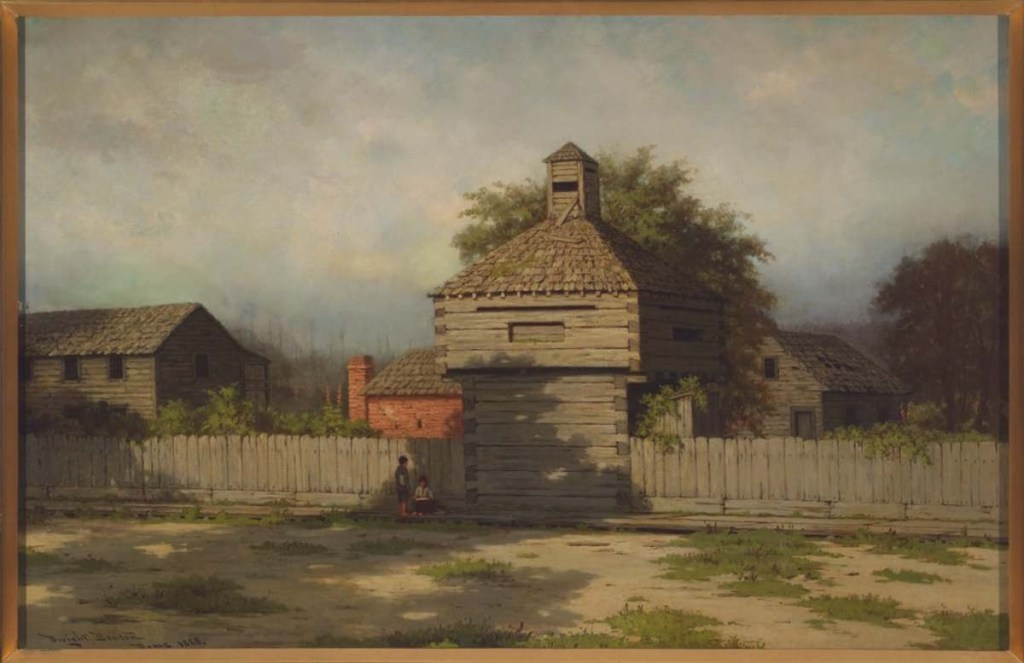
The Second Fort Dearborn by Dwight Benton
The Original Fort Dearborn, 1803-1812
On August 15, 1812, the original Fort Dearborn, erected in 1803, was burned to the ground by members of the Potowatami after Captain Nathan Heald attempted to evacuate the fort on orders by his superiors. Heald’s evacuation was a disaster, and his actions throughout are subject to question, but in the end, many of the evacuees were brutally killed. These deaths included the militia, their wives, and yes, their children. Those who survived were either ransomed and returned home to their families or held captive for the rest of their lives.
During the years that followed the Potawatomi destruction of the fort, the tribe itself had committed itself to the British. Some of its members actively fought alongside the British forces and others remained behind… occasionally fighting other tribes and sporadically attacking American settlements.
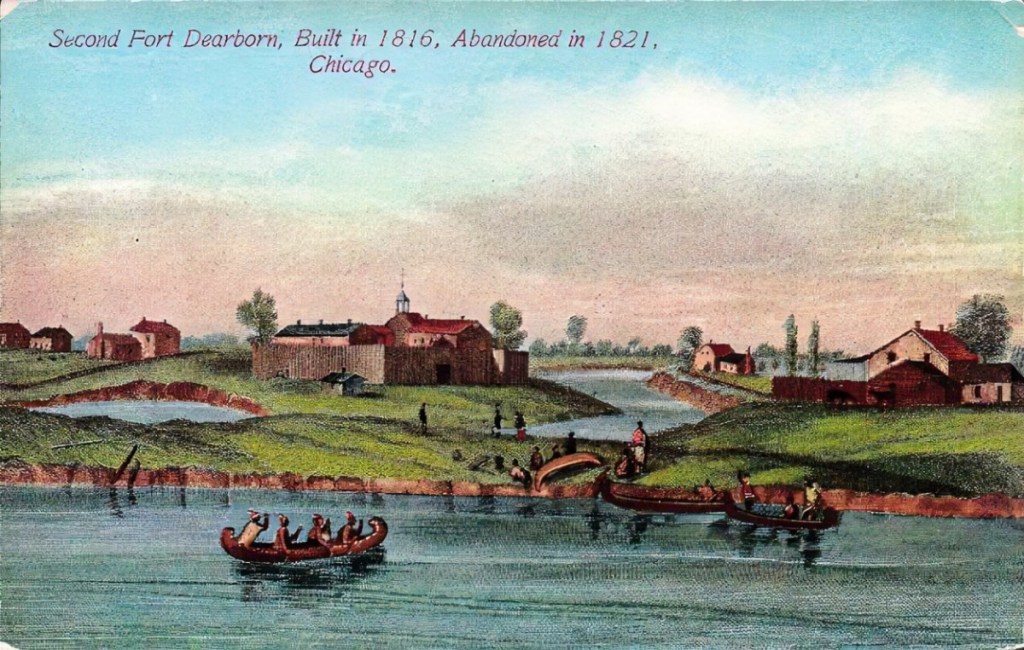
The Second Fort Dearborn
On July 1, 1816, the United States militia would return to rebuild the fort on the same plot of land, and Chicago, which had for four years remained somewhat stagnant, would be reborn under the command of Captain Hezekiah Bradley. Little information is available about Bradley, but it is said that his reconstruction of the fort was impeccable, and that his men, regardless of title, labored to complete the fort’s erection. Rumor has it that he also commissioned his men to replace the spikes and nails with carefully fashioned wooden pins. Might I say he did his work with loving care?
Large picket fences were raised to enclose the garrison, accessible only by the gates which were installed on the north and south sides of the fort. To the south and past the parade ground, the company gardens flourished, adorned with fruit trees and currant bushes that provided fresh produce for the militia, and the ability to use what was left by canning or preparing fruit butters for the long winter months. To the west of the river stood the garrison’s root houses, filled with supplies and foodstuffs. Bradley’s preparations were detailed, using an economy that is said to have gone unnoticed by the government that funded the project.
Beyond the fort’s walls, a community also took root. The common, which was known as the “Reservation”, included buildings, a marketplace, and the lighthouse that stood as a beacon for those entering and leaving the fort by water. Nearby, the Kinzie home (originally owned and built by Jean Baptiste Point Du Sable), which had survived the battle in 1812, still stood on the horizon.
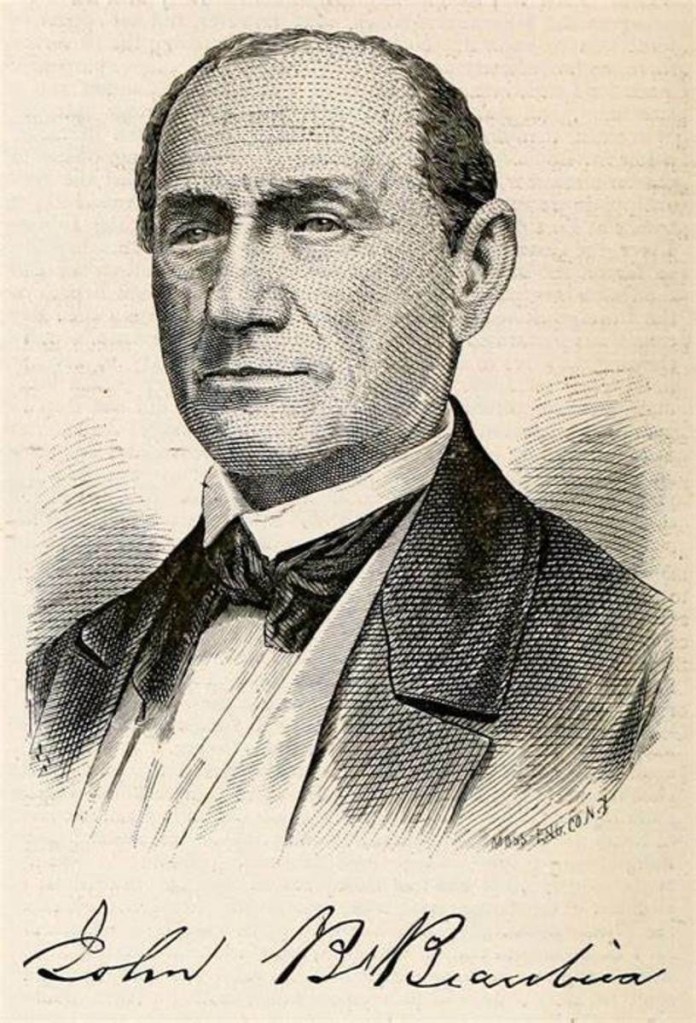
Jean Baptiste Beaubien
Enter Jean Baptiste Beaubien
A year later, around 1817, Jean Baptiste Beaubien, an agent for the American Fur Company returned to Fort Dearborn. Beaubien, who’d first visited the original Fort Dearborn in 1804 had left the area before or immediately after the fort’s destruction (some sources disagree), and although his return was based on business… Chicago would become his home.
Beaubien first bought property in the Chicago area in 1812. Prior to this, he ran a trading house in Milwaukee. Trading was in his veins, beginning with his great-grandmother, Marie-Catherine Trotter, who’d consolidated the family business, and his great-grandfather, Jean Baptiste Cuillerier Beaubien, who was the wealthiest businessman in Detroit. Having been trained in the fur business by William Bailly, a successful Michigan trader, Beaubien was ready to expand, even if the events surrounding him delayed his eventual success.
At the age of eighteen, Beaubien married the daughter of Shabbona (Shabbone), a legendary warrior of the Ottawa tribe. His wife, Mahnawbunokwe, would die in childbirth in 1812. The couple had three children, cementing his ties with the Native American population.
After his wife’s death, Beaubien would meet and marry Josette Laframboise, but depending upon the source, it is hard to confirm whether they were married before or after the fall of Fort Dearborn. According to some sources, Josette was a maid servant who is said to have survived the massacre. According to others, the couple married and left Fort Dearborn in April of 1812 after a Winnebago attack in which several settlers were killed and scalped at a nearby farm. If we rely on the latter information, we might ask if this was a prelude of things to come… was the relationship between the Native Americans and the fort’s inhabitants already past reconciliation?
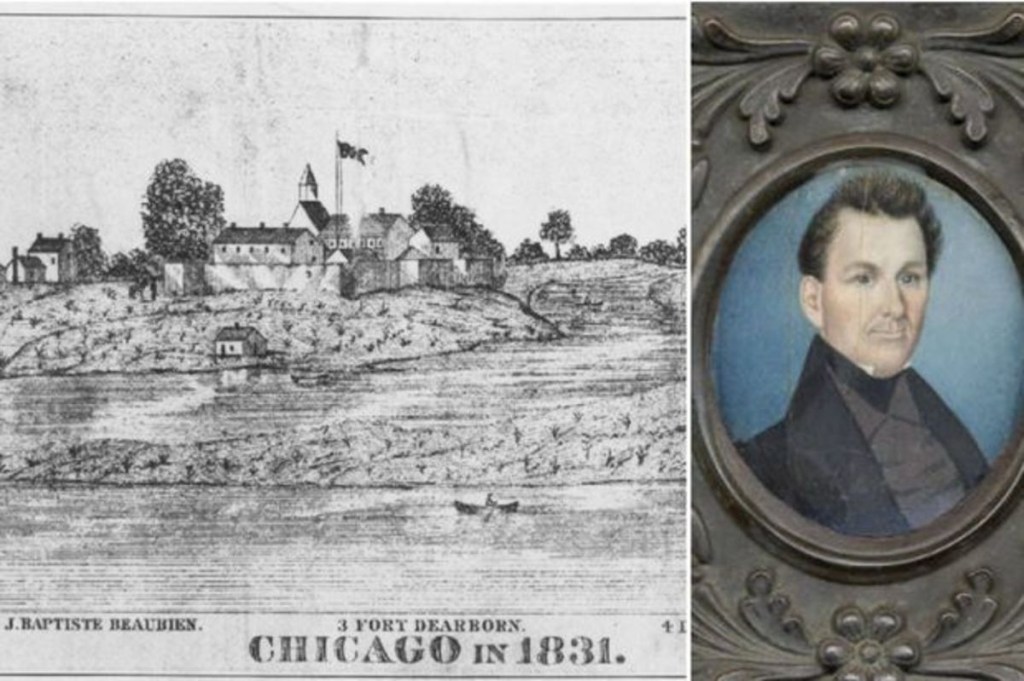
Making Chicago Home
When Beaubien returned in 1817, he accomplished the goals that had been waylaid because of the war. His work for the American Fur Company was more than profitable, allowing him to build a home for his family that was said by some to be a mansion, though in order to use this word, we must carefully consider that a mansion in the early 1800s isn’t what we would envision today.
Fast forward to 1825, when Chicago would hold its first elections, though it had not been officially incorporated into a city. Beaubien was the wealthiest man in Chicago, and the elections were held in his home. Soon after, according to the book, Rising Up From Indian Country by Ann Durkin Keating, thirty-five men would vote in the town’s first general election the following year, which were once again held in Beaubien’s home. Government representatives, elected in 1825 included Billy Caldwell, a Metis, who was elected justice of the peace.
The Council of Three Fires
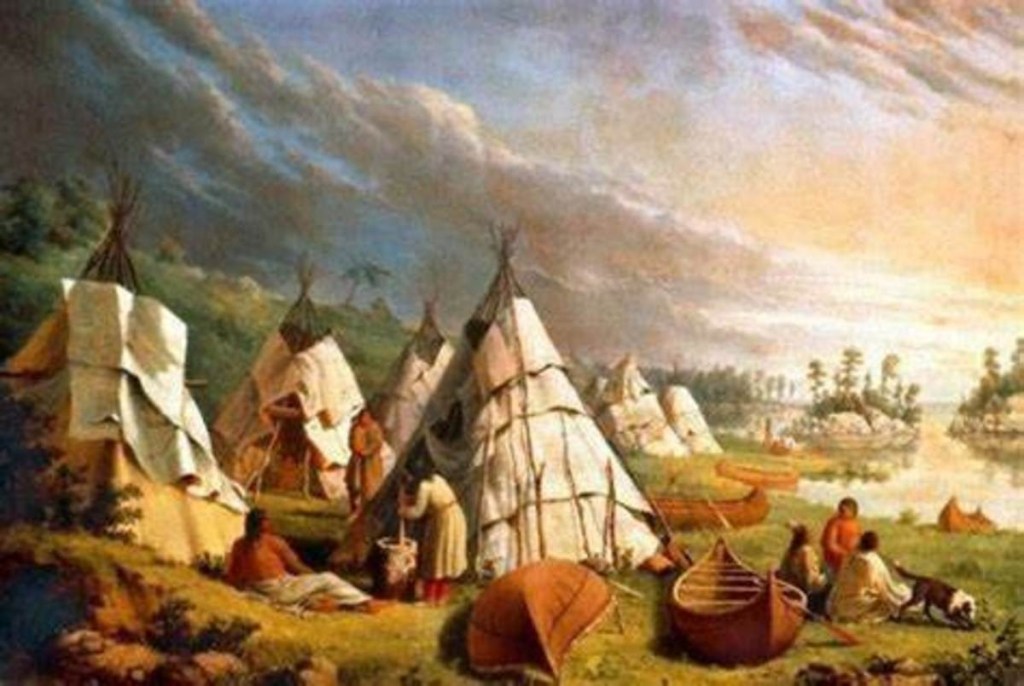
Significant numbers of the Ottawas and Chippewas (Ojibwas) joined the Potawatomi, as they moved into the area, creating what was known as the Council of Three Fires. These tribes took advantage of the fact that they shared the same language, customs, and family heritage, using their talents as traders, hunters, fishermen, and canoe builders to expand their role in the growing community.
The Potowatomi, however, actively participated in six of seven treaties with the government. In agreeing to and signing these treaties, the Potawatomi gave up large portions of land in northern Illinois and the neighboring regions of Wisconsin, Indiana, and Michigan. In return for land, the government provided the tribes with annuities, something that led the Native Americans to become reliant on government payments. Over time, the annuities were responsible for the tribes becoming ever more dependent upon the government, which in turn, caused them to form an allegiance in which the tribes would step in to parlay with their kinsmen when disagreements erupted. They worked to keep the peace.
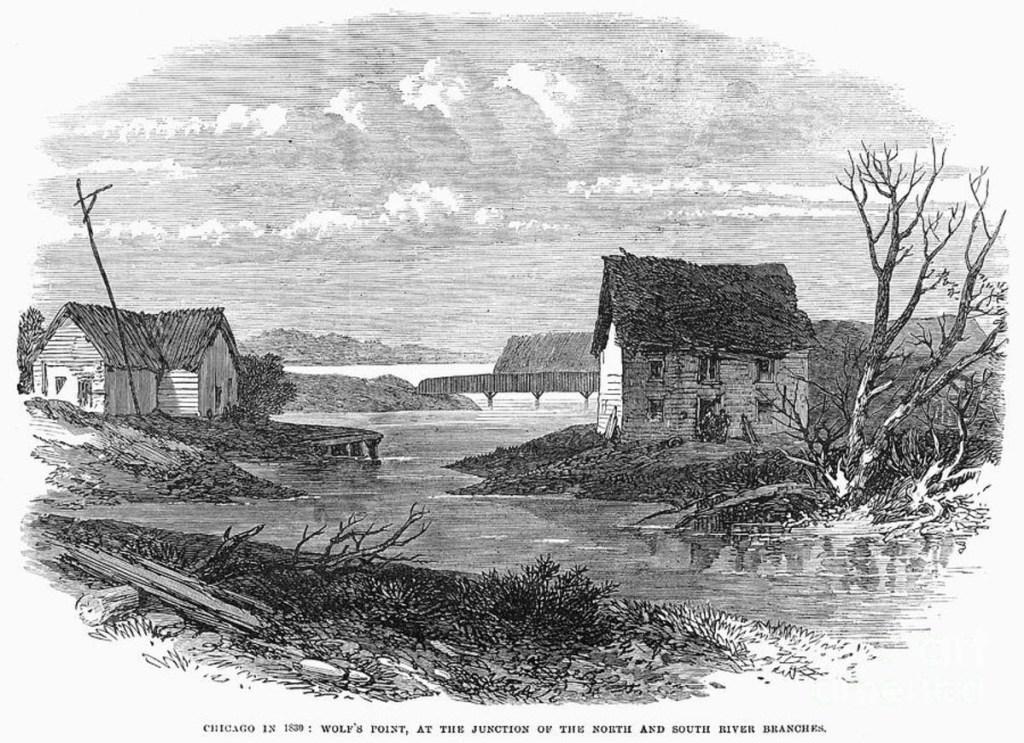
Chicago 1830, Photograph by Granger
Amazingly, though Chicago’s growth was slow, it was also steady. Between 1816 and 1830, Chicago’s population is recorded as having less than one-hundred residents. Only twelve to fifteen houses are said to have been erected, and the landscape remained much as it had been from the time the original Fort Dearborn was constructed.
Between 1828 and 1832, Fort Dearborn was once again abandoned by government militia, only to be re-garrisoned when new trouble arose between the government and the Winnebago (1828). Then… like a revolving door, the fort was abandoned once more until the onset of the Black Hawk War in 1832, but that’s a story for another day, a story that will include the incorporation of Chicago, the decline of the fur trade, Beaubien’s contributions to the city, the defeat and relocation of Native Americans, and the final closure of Fort Dearborn.
Sources
degaspebeaubienmuseum.com
potawatomiheritage.com
potawatomi.org
 History Belongs To Us
Leave a comment