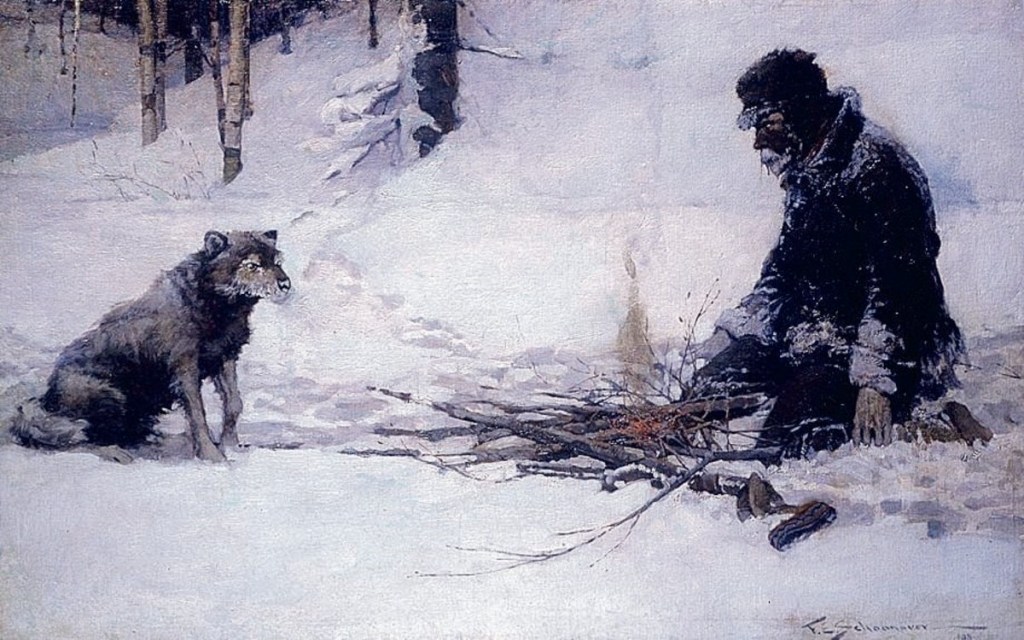
It never ceases to amaze me that the topic of “man against nature” is always a subject capable of stirring up fierce debate. Everyone is all about what they would have done differently, what they wouldn’t have done at all, and often what they wouldn’t know how to do in the first place. It always seems to take awhile for my students to acknowledge the presence of strength and courage or to question the thirst for adventure that defines a specific character’s role in a story. It takes even longer for them to question what just might be seen as that character’s lack of caution, and even possibly their “pure stupidity.” Man against nature, which will prevail? Can anyone ever pit themselves against those same forces of nature and truly survive? Is it really survival, or is it just plain old luck?
Jack London
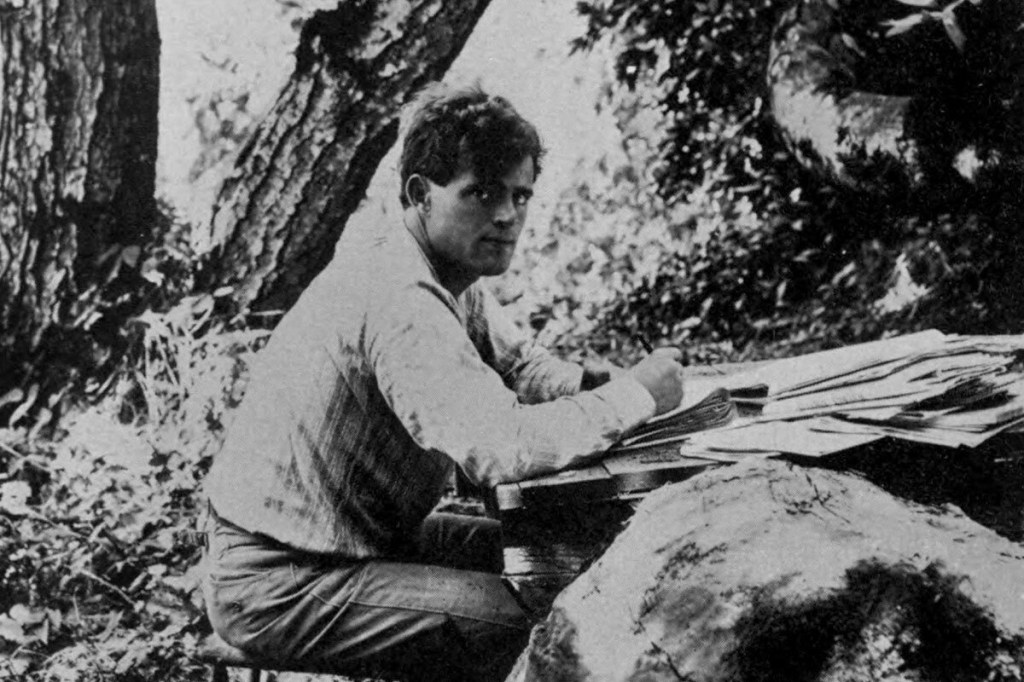
“The proper function of man is to live, not to exist. I shall not waste my days in trying to prolong them. I shall use my time.”
This quote has long fascinated me, and it speaks volumes about the man that Jack London once was, who he became, and why the tales he told carried such truths. He was a self-educated man, and his knowledge came from nothing more than the desire to learn, and forays into the world of the public library. The brilliance was there, but without the outlet that would give him that knowledge, the longing to attain that knowledge, and his thirst to be better and do better, we would never have met this man, let alone to see our world through his eyes. Attempting to describe where he came from, or the obstacles he faced would be futile, as no one can describe it better than the man himself;
“I was born in the working-class. Early I discovered enthusiasm, ambition, and ideals; and to satisfy these became the problem of my child-life. My environment was crude and rough and raw. I had no outlook, but an uplook rather. My place in society was at the bottom. Here life offered nothing but sordidness and wretchedness, both of the flesh and the spirit; for here flesh and spirit were alike starved and tormented.”–“What Life Means To Me” from Revolution and Other Essays (1910).
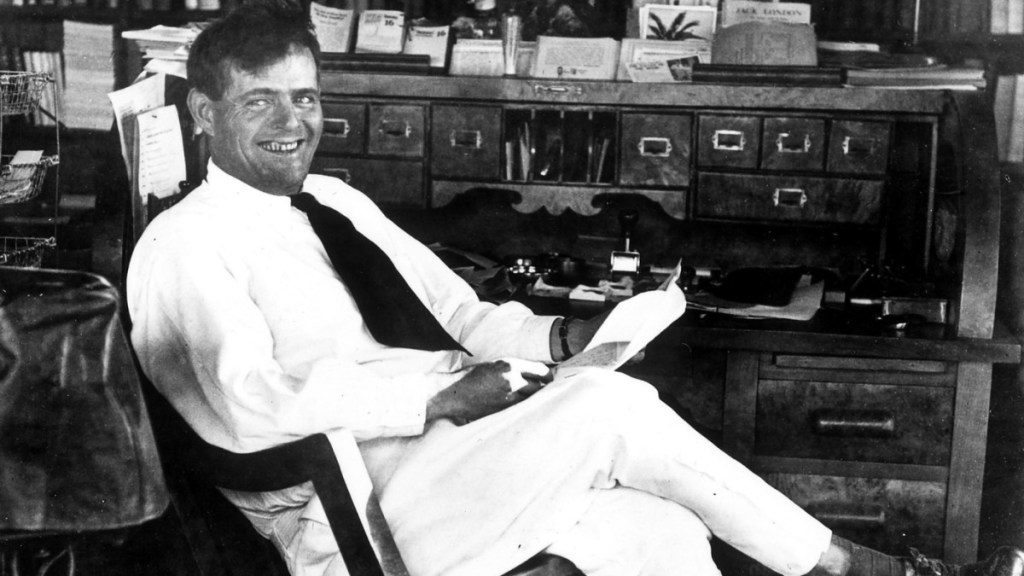
London was an adventurer, a laborer, a pirate, and a tramp. His desire to become a writer was one of necessity rather than choice. He was simply determined that he not spend his life performing menial labor, and that his love of reading could blossom into a lifetime of writing, that he could simply “be better” than what he believed was his destiny. His belief was correct, and his writings live on; he lived his dream. What could be better than that? And how fortunate we are as readers to be able to share his experiences through the words and tales he’s left us.
To Build A Fire/ Summary
“The Yukon lay a mile wide and hidden under three feet of ice.”
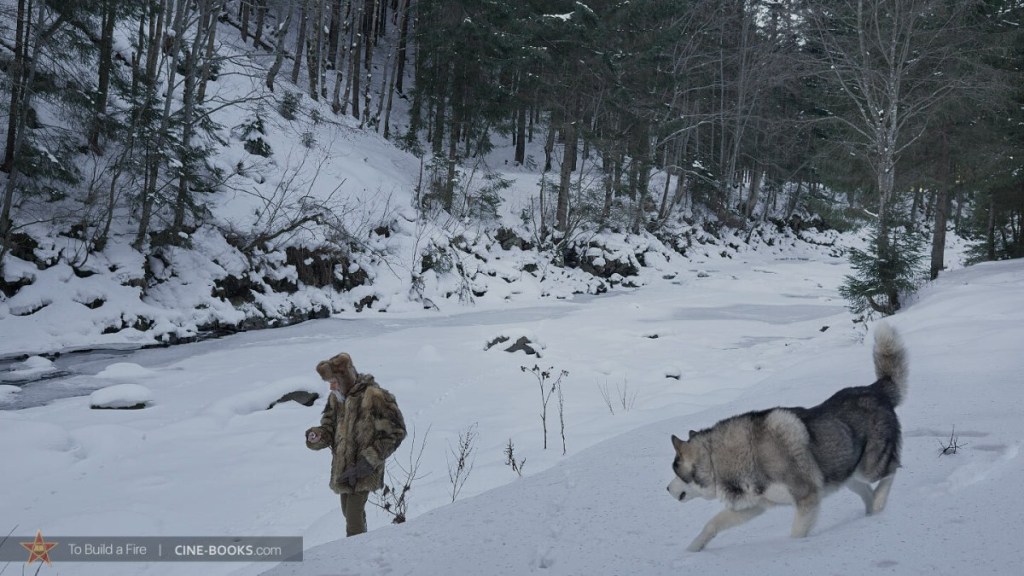
Our story begins on the Yukon Trail. It’s a freezing day in the middle of winter. The temperature reads -100, and we immediately ask ourselves who on Earth would be traveling on foot in an uninhabited, wild area, with no other company than his Husky-Wolf dog?
The answer is easy; it’s simply a man, a man who has begun his journey against the advice of a Yukon native, someone who knows, but he does not listen; he is not a young man, but he is a newcomer to the area, and he is initially unfazed by the frigid weather. He is ignorant, and even worse; he is arrogant. He believes that his journey will take only a matter of hours, and he has planned his journey down to the last detail, or so he believes. Our main character is learned, but he is inexperienced. He holds the facts and knowledge that he needs to know within his mind, but he lacks the experience to be able to define what they really mean, thus, he is unable to apply them to his situation. So, it is on this day that he lives his destiny; this is the day he believes himself to be smart, invincibility at its best, so he sets off on his own, and the journey begins.
Invincibility: To Build a Fire
The temperature initially reads at -50 degrees, and yet the man sets off to find his friends; they are expecting him in camp. He is what he believes to be prepared; mittens, check; ear flaps, check; moccasins and thick, warm socks, check; he carries his lunch of biscuits and bacon wrapped in a package within his shirt to keep it warm, and the thought of leisurely stopping along the trail for a warm and delicious interlude makes him smile in anticipation.
It doesn’t take long, however, for the man to realize that it’s colder than he believed. He spits into the air and hears the faint crackle of ice as it breaks into the air around him. The dog, visibly upset, wants nothing more than to stop and find the warmth it craves. Its instinctual behaviors that should have served as a warning were completely ignored by the man who believed that he knew better, and the dog, who has learned from where its food and warmth come from, continues along beside him. The man begins to realize how cold it is when it becomes apparent that his cheeks are exposed, and that they’re going to freeze… that his nose will do the same. The whiskers on his face are not enough to provide sufficient coverage, and the chewing tobacco he uses consistently begins to dribble into his beard, lengthening into what resembles a copper colored glass; frozen, solidified, and capable of shattering into a million shards.
When he reaches a place named Henderson Creek, he realizes that he is only ten miles from the forks he needs to reach, and by his best estimate he is traveling at maybe four miles per hour. Only ten miles to go, and he can stop for lunch. So he moves on with the dog close at his heels, and it seems that of the two, only the dog is feeling apprehensive, slinking ever closer to its master, tail between its legs. Further along, the man’s cheeks and nose are becoming ever more numb, and he realizes that the friction supplied by his mittens is not going to save his face. He regrets not having brought along a nose strap to save, if only that, from the elements, but this was no time to worry, and no time to be distracted by things that couldn’t be helped. The path was ever changing, and he needed to be aware. The creek bed was erratic, not every layer was frozen solid, and to plunge through the ice could leave him wet to the waist. In some places it was obvious, and in others he would see the fear in the eyes of the dog who would shy away and move no further, but his own fear led him to push the dog out in front, and then the dog fell in soaking its legs and coat, a soaking that would immediately freeze leaving the dog to chew at the ice on its legs and paws. Instinct and survival; the basic instincts of an animal as opposed the inherent instincts of men. In the never ending battle against nature just who will prove to have the best instincts? Man or beast?
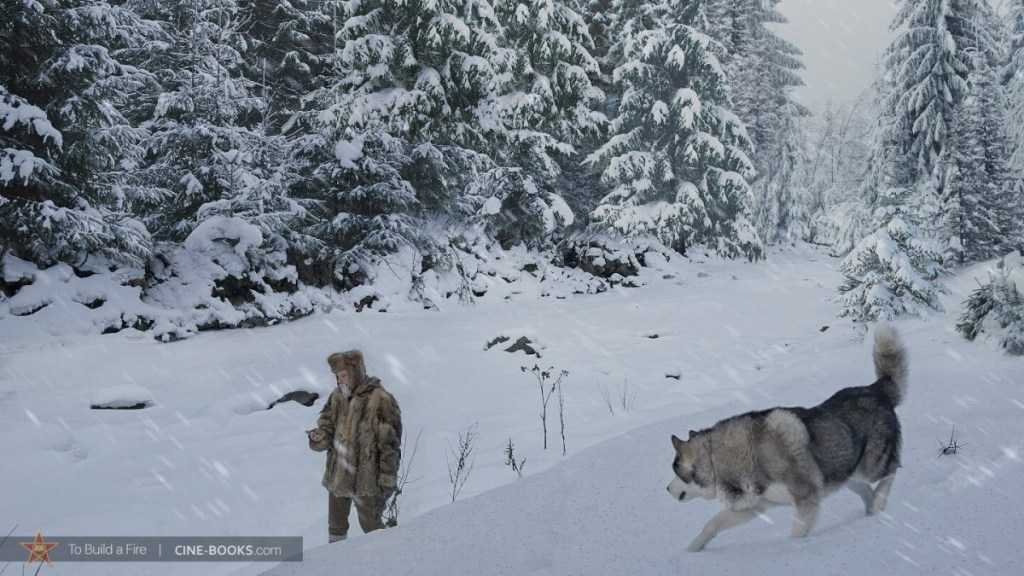
Unwarranted Relief?
As he reached the forks by the creek he was immensely relieved to find that he’d only lost a half an hour, and that all things considered he was still making good time; he should arrive at his destination approximately when he had planned to. He settled down on a log, longingly thinking of sandwiches and the end of his journey. He’d only had one mitten off momentarily to remove his lunch when he realized that his fingers had gone completely numb in a matter of seconds. The man couldn’t hold the sandwich; he couldn’t move his fingers; he couldn’t feel his toes inside of his moccasins, and even worse, he was unable to open his mouth. His mouth was frozen, and whatever parts of him had continued to hold warmth, they were freezing too, and quickly.
Upon this realization he quickly moved to gather branches with which to make a fire, admonishing himself for not listening to the old man who’d advised him about the true fierceness of the cold. Taking out his matches he built a roaring fire and thawed himself to the point where he could once again feel his hands, open his mouth, and finally, eat his lunch. The dog was comfortable, happy to have the fire, and curled up just far enough away that it wouldn’t be singed by the flames.
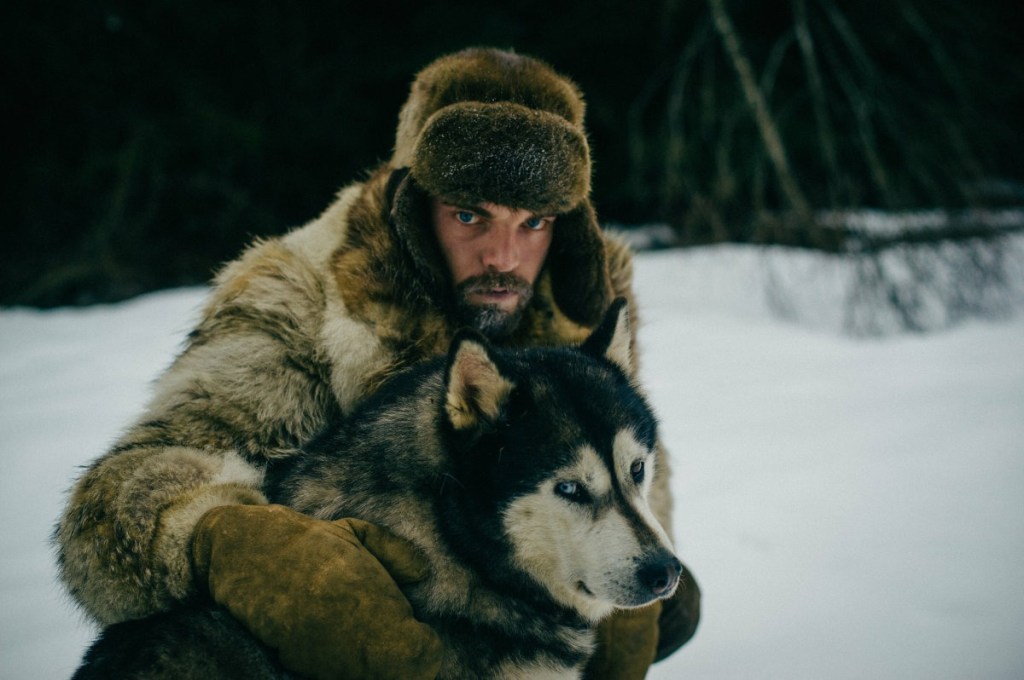
Mistakes and More Mistakes
Thawed and once again ready to move on, the man readies himself to leave the sanctuary provided by the fire. The dog is restless, and doesn’t want to leave, whining in its rebellion, and then the man whistles, and the dog moves to obey. Their relationship is described as one being the master and the other the “toil-slave.” Thus, the dog, knowing that disobedience would mean the whip didn’t disobey. He knew better; he knew who fed him, and he wanted to eat.
Shortly after, an error in judgement or lack of observation finds the man knee deep in water. Rather than panicking about what the ramifications of being soaked through will mean, he curses that this will cause him delay; he doesn’t worry that what has happened may indeed cost him his life. He stops and builds another fire, cautiously removing his foot gear in order for it to dry. His hands and feet are without feeling once again, and then with no warning the loosened snow on a nearby spruce begins its careless descent, subsequently dousing the newly burning fire.
And this is where we end, but the story moves on….. and that would mean you’ll have to read it yourself.
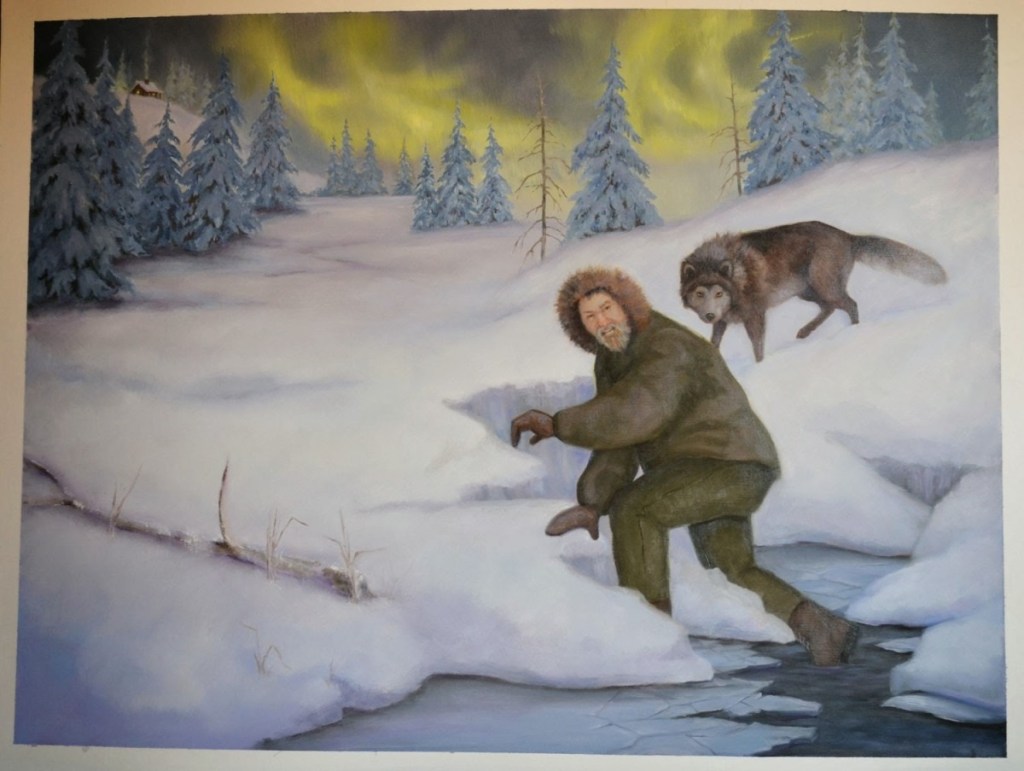
Man -vs- Nature:
To Build a Fire
When I sent the children home with this story last week I requested one thing from them, well, one thing besides reading it, and that was to think about nature in every form and ask themselves what, if any, survival skills they’ve acquired. Did they believe that they have any skills whatsoever to BEAT nature, and if nature decided to test those skills, did they believe that they would have a chance against her.
This story is so simple, and yet so complex. There are only three characters; a man, a dog, and finally the story’s antagonist; the ever mysterious Mother Nature. Our story’s main character is of course, the man. He’s been described as an older man, and he seems to be somewhat arrogant. Within the course of the story we learn that he’s been warned by someone far more experienced that his foray is dangerous, that the elements are unforgiving, that he should never try to make a trip like this on his own, and yet he doesn’t listen. This is where our discussion begins. Why don’t we listen to the words of those who are more experienced? Why do we flout their advice?
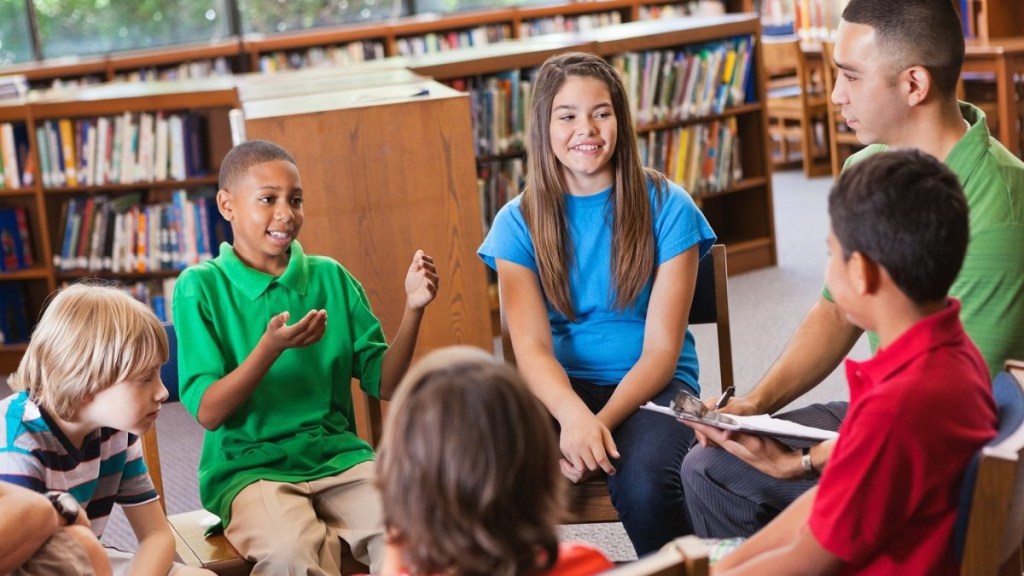
Where the discussion went…. was nowhere I thought to be going.
Well, to begin with, starting a discussion in this way with a group of twelve and thirteen year olds, what was I thinking? In all honesty, what I was thinking was that I could infiltrate young minds and the reason for rebellion against what I will term as parental guidance. I was, after all, once their age, even if it was a very long time ago. What they gave me was as always, totally unexpected. My expectation was simply the age old, my parents know nothing; what I got was, we just want to do something; anything.
What does this mean you ask? It means simply this, our children believe themselves to be scheduled into the ground. Everything they do has its own schedule. This feeling included school, shopping, sports, socializing with friends, visiting family, and even television. They feel as if they’ve never learned how to play, or just go outside and amuse themselves because their parents have carefully calculated and accounted for every moment of their time. They can’t run down the block and ring a doorbell because they have to phone first, and they can’t spontaneously invite someone over because it might interfere with the schedule. They can’t walk because they need to be supervised, they have to be driven because it’s not safe, and they can’t just go pick up a game of baseball at the park because their parents don’t want to worry.
Although I understand this train of thought, and I even sympathize… let’s face it, I was never in the house, and I don’t think many people my age were. I know why their parents find it all necessary, and to some degree I raised my own children in a very similar way. Unfortunately, we ran so far off of the beaten path that I ended up having to stop them mid-sentence; our discussion had run amuck! Discussing why the man ignored the advice of someone older, wiser, and more experienced had become a discussion about personal freedoms.

Can we beat nature? Is it possible?
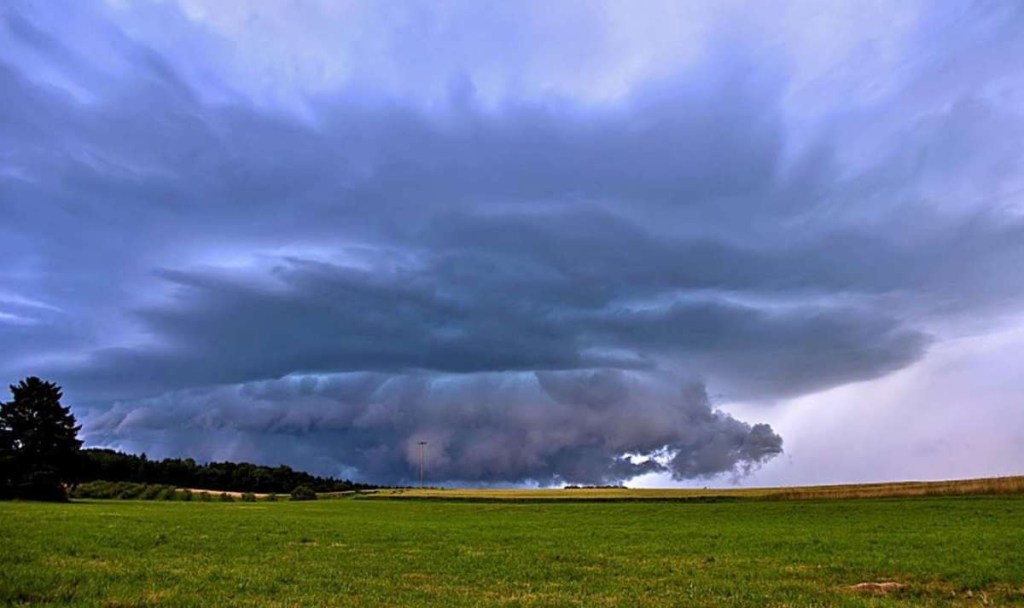
So, we returned to the theme of man against nature, much against their wills, and I admit to having a very difficult time reeling them in. Nature as an antagonist; an act of God; nature, the one thing we will never be able to control, and the one thing that will always prevail; can we beat her? The answer was unanimous, no! They found the application of the story to their own personal experiences almost impossible to connect. Survival skills were deemed non-existent; they don’t have any; they would be calling for help…. AAA please come to our rescue. They talked about recent events; hurricanes, storms, tornadoes, and the fires that continue to rage in California. They acknowledged the impossibility of making real preparations for these circumstances, and they acknowledged that their lack of knowledge and inexperience would make survival almost impossible. Like the man in the story, their preparations would leave them with a death sentence hanging over their heads…. How could he make the fire if he couldn’t move his hands?
Each of them felt that the man’s actions were stupid at best; they felt compassion and empathy for the dog who knew better, and they felt that the man’s refusal to see that the dog was indeed warning him was a sign of his arrogance and a lack of common sense. They talked about storms, simple thunderstorms, and how they can suddenly roll in without warning, and then they talked about how if you really listened you would hear the warning. The warning is silence; the silence of the birds and their disappearance from the sky; the dog who crawls under the bed long before the first sounds of thunder. Lack of noise, lack of movement, and the epiphany that only humans are still wandering around ignoring the intelligence of the less intelligent. Man against beast…. sometimes all the wiser for all their lack of brain mass. Then the discussion quickly left me again. Never say I haven’t warned you; they are full of surprises!
Their biggest fear… and the worry about what it would take to survive!
As our discussion about survival progressed, it suddenly morphed itself into a discussion about war, the fear that one day they would have to live and survive a war in their own country, but where did this come from? Our children watch the news, possibly more than I do, and they worry about world events far more than we give them credit for. Their thoughts focused on questions. What would they do without luxuries, how would they handle food shortages, how do you build a fire if you need to… if there’s no gas in your home, no electricity? How do you make a call without a phone? Where do you go if you find yourself under attack? One of the boys answered the question of how to build a fire by saying that the text we’d just read had been like watching a video, but then again, what if he had no matches?
They voiced many concerns over things that they considered reality, things that could be real in their own lives. They had lost all interest in analyzing the actions of a character they couldn’t relate to, someone who didn’t have the sense to stay out of the cold. He was simply a character, and he was no longer important to them. The importance of survival, and the battle between man and nature had changed. Their worries are not consumed by the ever changing and volatile “mother nature,” their worries are based on their ultimate fear, that being “human nature.”
Truthfully, this may be the furthest this group of children has ever gone off topic, but their discussion was also like a mirror into their minds. I don’t mind going off topic, and I love when they open up enough to let me know what they’re really thinking. I mean, what’s the point if they’re constantly trying to follow my cues….. when the reason I actually do this is to follow theirs. The goal is to make them think, and they do. I have once again been humbled by their minds, and once again happy to know what they’re thinking. We don’t know if we don’t ask, and I don’t think we ask often enough.
© 2026 J.R. Watkins
 History Belongs To Us
Leave a comment