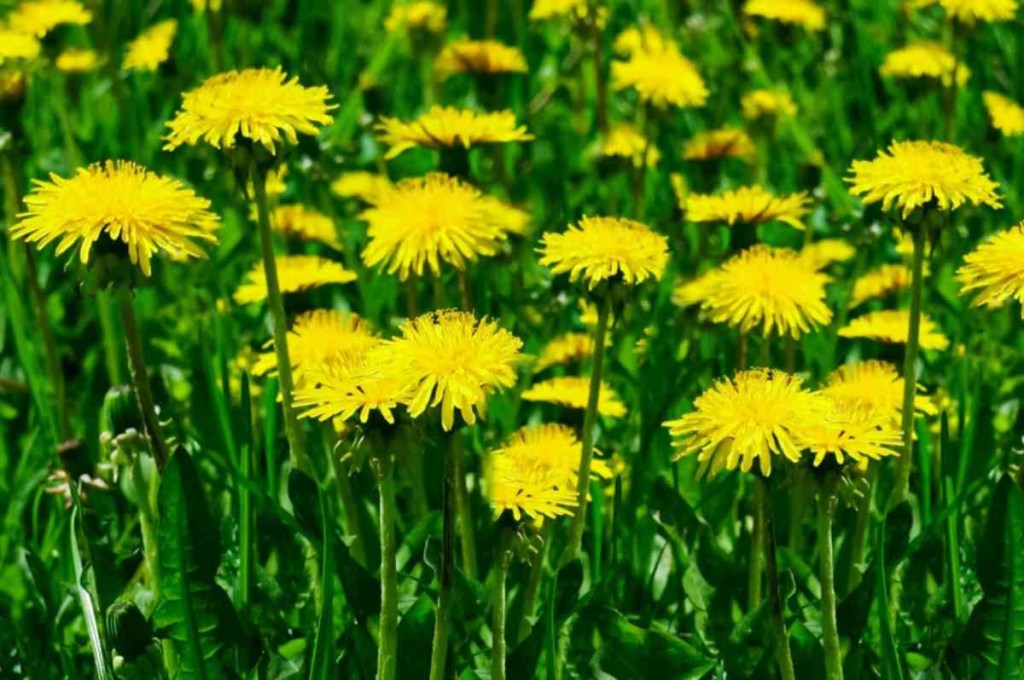
First Thoughts
When I see a dandelion, my first reaction is to remind myself to get out and pull the weeds… today. Dandelion seeds make me sneeze, they set off the allergies, they make me itch, and I do not like the way they look in my lawn. I viewed them in the same way I view mosquitoes… pesky things that aren’t good for anything, but I was wrong.
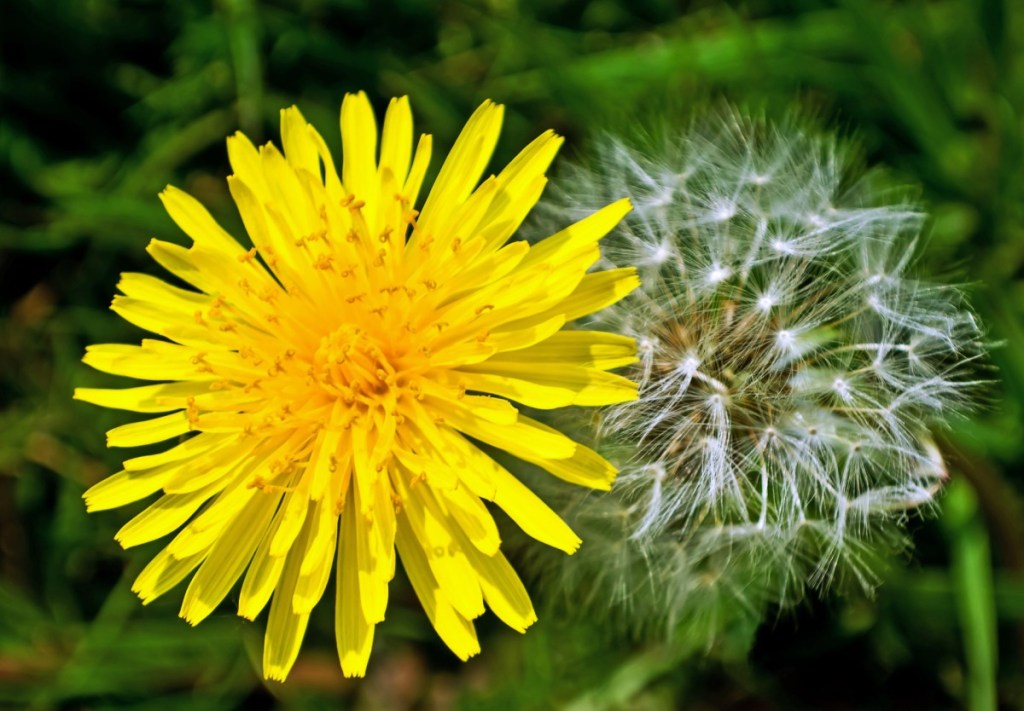
The dandelion (Taraxacum officinale) is a member of the Asteraceae family, which is one of the largest plant families. The family also includes a number of different types of plants including garden ornamentals, wildflowers, weeds, and food crops. Dandelions fall in the weed category but are also used by many as a food crop to make salads, teas, and wine. Their name originated in France, dent de lion, the French words for “lion’s tooth,” which refers to the teeth on the leaves.
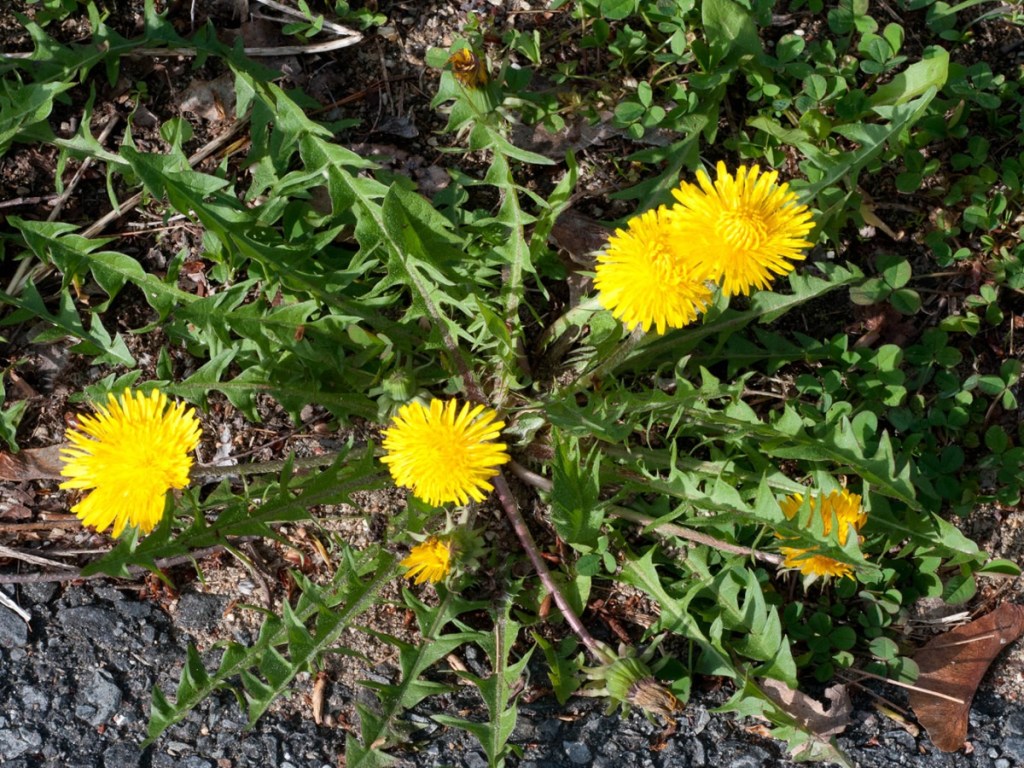
Historical Uses for Dandelions
Historically, dandelions have been used for centuries, though the Chinese were the first to credit them for their ability to purify the blood and boost the immune system. According to ancient texts, Arab cultures were also using dandelions by the 10th & 11th centuries to treat problems with the kidneys and liver, something that continues today, as the dandelion is used to detoxify the liver. In the 16th century, William Langham’s book, Garden of Health, even touted the dandelion as a cure for baldness.
“The [dandelion] juice often applied, layeth downe the staring of the haire of the eybrowes, and causeth newe haires to grow.”

Dandelion Rake in 1911 at the University of Nebraska
Nutritional Value
Nutritious, from the tip of their roots to the top of their flowers, dandelions are loaded with vitamins, fiber, and minerals. They are an excellent source of potassium, inulin (soluble fiber), vitamins (A,C, & K), and they are filled with antioxidants, which are critical in the neutralization of free radicals and protect us against chronic disease. The amount of Vitamin K, however, is significant enough to make special note of… as one cup of dandelion greens provides more than the daily recommendation (357% in all). You ask why this matters? Vitamin K has been proven to aid in the prevention of osteoporosis and coronary heart disease, things we all worry about as we age.
Often used in salads, the dandelion’s leaves are slightly bitter, while its roots are bittersweet, and the aroma is most often described as sharp, yet buttery. Many people prefer to mix dandelion greens with other leafy vegetables, which provides for a bevy of flavor.
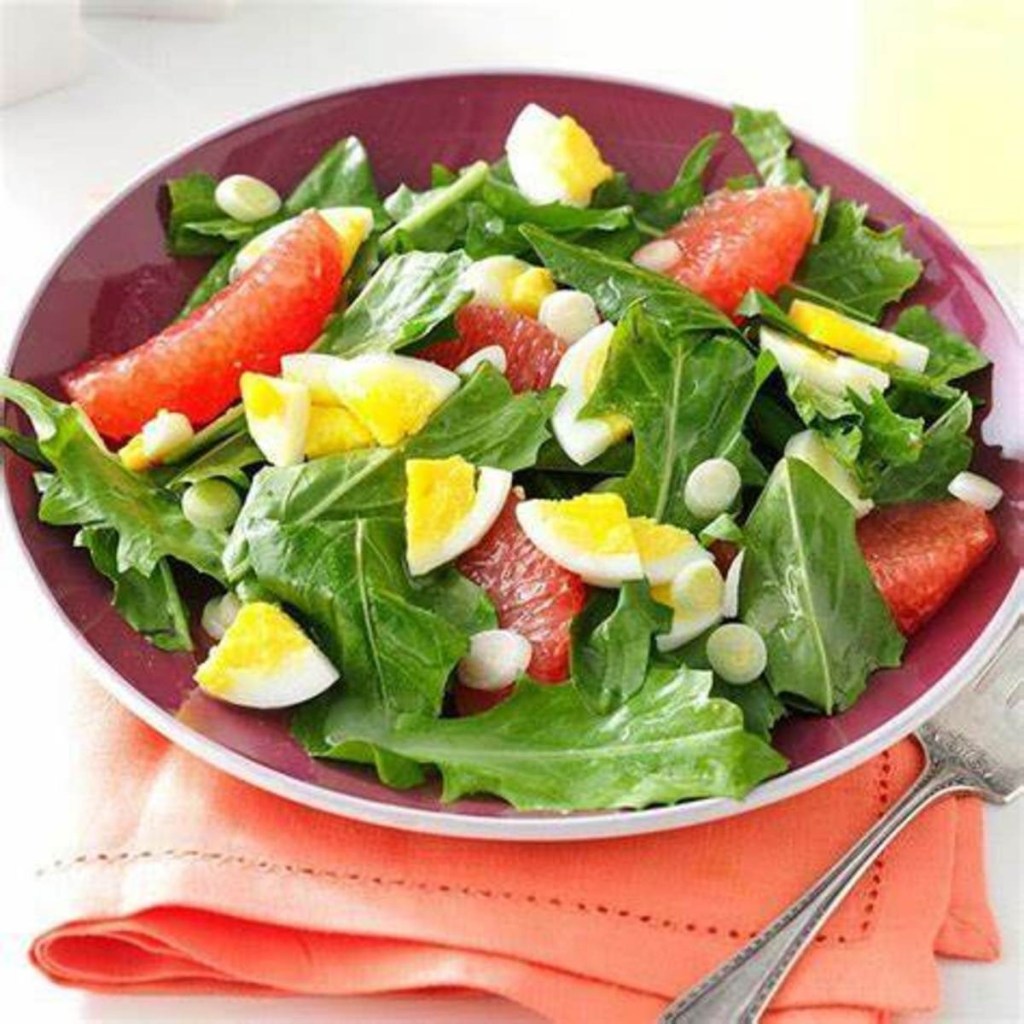
Dandelion Salad
Dandelion Tea
For those people who aren’t fans of “bitter”, dandelions can be consumed in a variety of ways. Dandelion Tea is easily prepared by using finely chopped or powdered dandelion root. Simply boil one to two teaspoons (per cup) of dandelion root in water for about ten minutes, strain, and serve. Note, dandelion roots (whole) can be stored in a cool, dark place for up to three years. The shelf life of powdered or ground dandelion is one year. It is also important to remember that only dandelions that grow in areas free from pesticides are safe to consume.
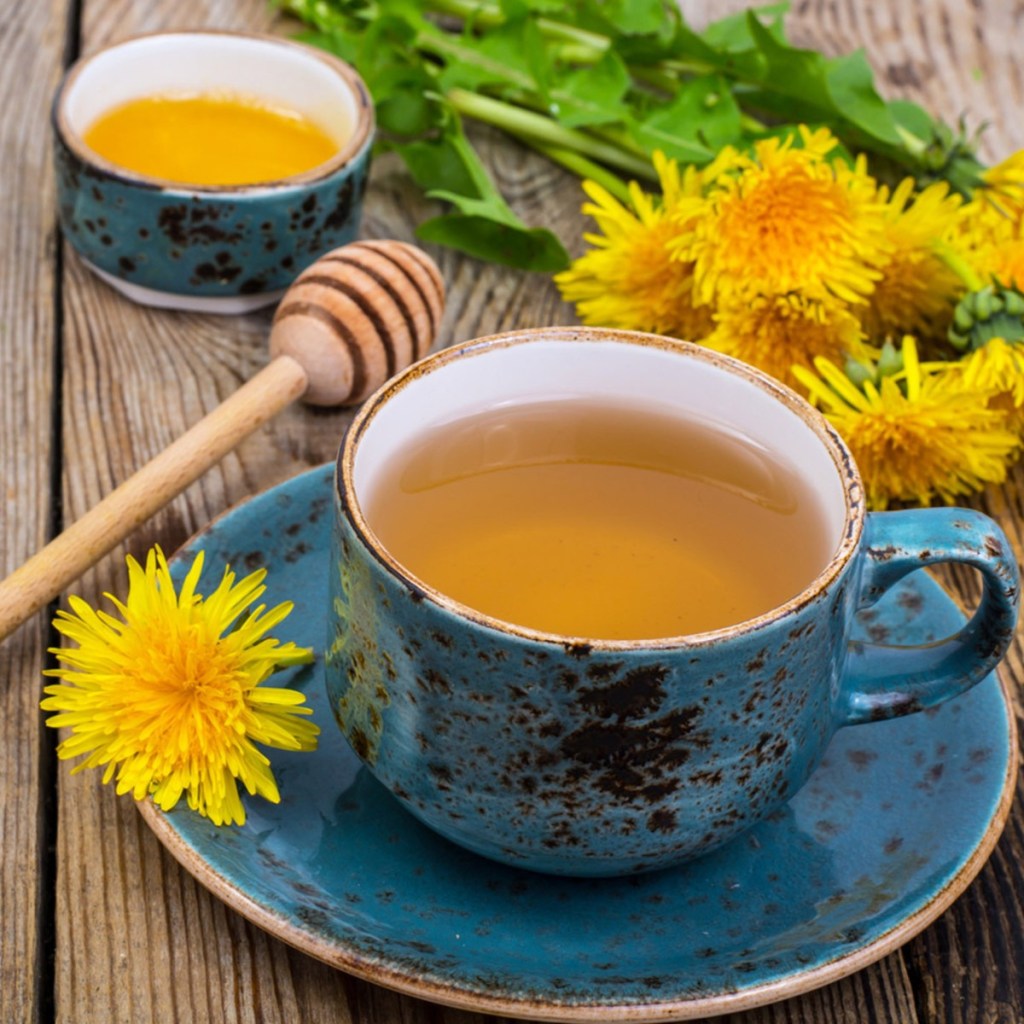
Dandelion Tea
Dandelion Wine
Dandelion wine is linked to the advent of spring and summer months. Author, Ray Bradbury, even wrote a book titled, Dandelion Wine, in which he notes, “The wine was summer caught and stoppered.” The Amish collect baskets full of dandelions each spring and summer when the blossoms first start to appear and have consumed Dandelion wine for both its taste and natural healing for centuries. There are numerous recipes available using the flower, but I only found one that actually uses the root and couldn’t be easier to make. The recipe calls for 1 1/2 ounces of dried dandelion root and a bottle of white wine. Simply steep the root in the wine for ten days, filter, and enjoy… a truly simple introduction.
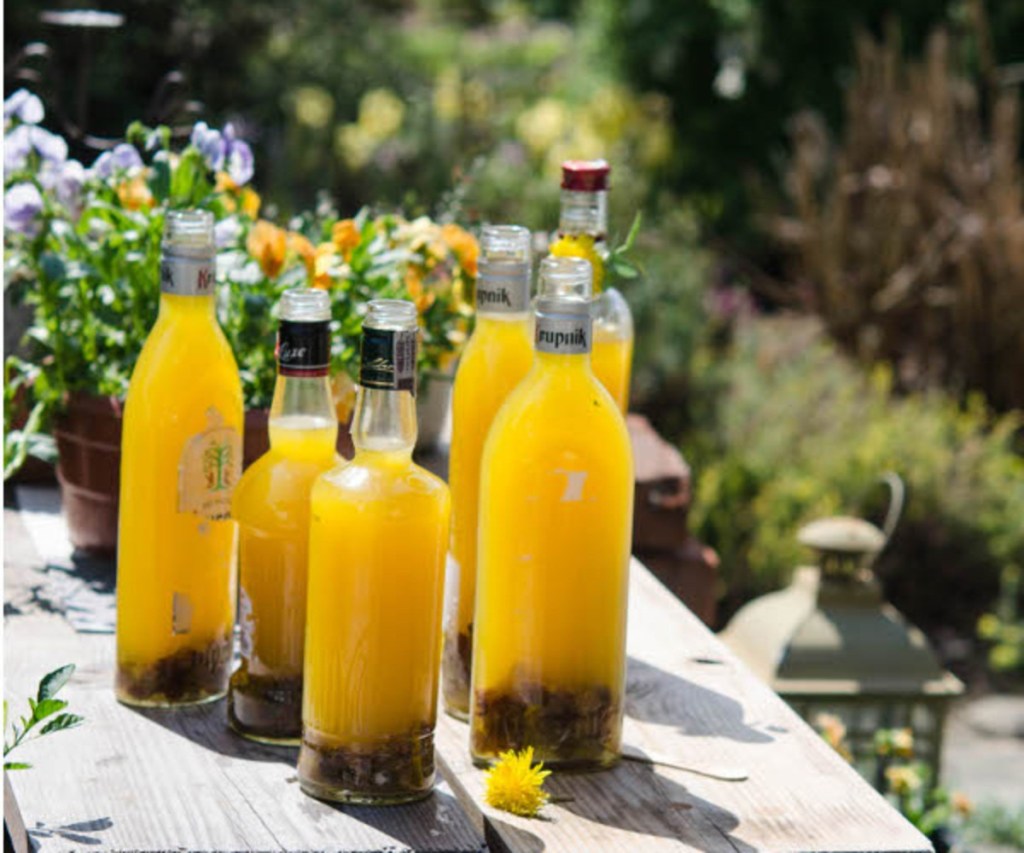
Dandelion Wine
Change of Heart
Though my initial opinion of dandelions has changed… I concede they are not useless, but rather, have enormous benefits to our health and well-being. I will be keeping my “taste tests” to the minimum, however, until I converse with my doctor during our next visit. While doing my research, I also learned that those of us who have ragweed allergies just might find ourselves experiencing a reaction after consumption…. I will proceed with caution.
Sources
- National Institutes of Health Office of Dietary Supplements. Potassium: Fact sheet for health professionals.
- Langham, William. The Garden of Health : Conteyning the Sundry Rare and Hidden Vertues and Properties of All Kindes of Simples and Plants, Together with the Maner How They Are to Be Used and Applyed in Medicine for the Health of Mans Bodyagainst Diuers Diseases and Infirmities Most Commo amongst Men. Imprinted at London: [By the deputies of Christopher Barker], 1579.
- prevention.com
 History Belongs To Us
Leave a comment