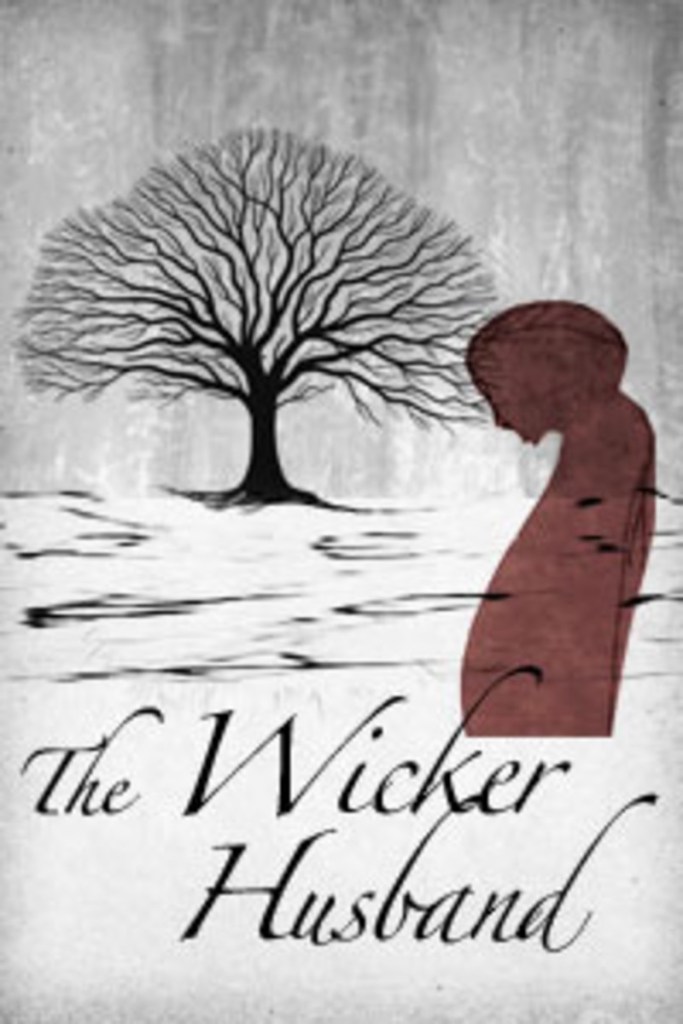
Something New
For Everyone
My choice for this week’s story was exactly that; it was mine. I wanted to do something different, read something I’d never personally read before, and see if my reactions and opinions would be in any way similar to the children’s. It was, as we say, “a dry run,” something I almost never do in the educational setting, but yes, I did do it; this time! I walked into that room completely unprepared, totally unbiased, and best of all, I actually had the pleasure of being a part of the group. Even better than that… my kids accepted me in that role. They let me be one of them… just for a while!
The story was recommended, and although I admit to not having taken even a peek before hand; I did have a co-worker read through before I introduced it to the students. Inappropriate content would admittedly have “shortened” the short story. It simply would have disappeared, and never found its way into our weekly journey, and no one would have missed a thing. Our focus is “great literature,” and The Wicker Husband will never find itself defined in that way, but it was interesting. It did have a theme, it did hold our attention, and it was based on certain life lessons that we tend to forget. I didn’t love this story, but I did appreciate it, and in the end it’s what the kids think that matters…. I’m just the fairly quiet one who sits in the corner, the one who confesses to the immense enjoyment I get from stirring the pot.
Our Author, Ursula Wills-Jones

Ursula Wills-Jones grew from childhood to adulthood in Stroud, Gloucestershire. Her work is quite versatile; she is an author, an artist, and journalist. Willis- Jones’ journalistic career is filled with writing articles and following the political arena.
She now lives in Bristol where she keeps herself busily involved in writing, and also runs a night of live short story performances called Heads & Tales. She is a fan of folk and fairy tales, ghost stories and Victorian adventure novels. She also spends time working in a variety of different aspects within her local theatre community.
The Wicker Husband
A Summary
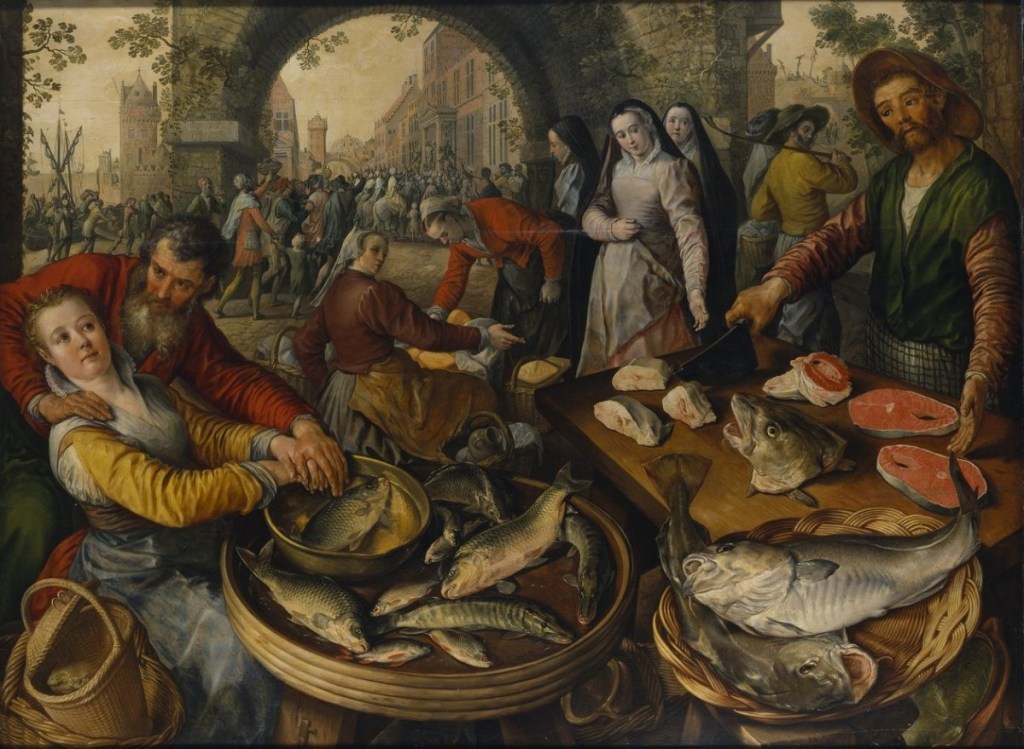
Fish Market by Joachim Beuckelaer
Our story begins in a small fishing village, and our main character is simply a girl. She has no name, her age is a mystery, and she is known in the village as nothing more than the “ugly girl.” The ugly girl lives alone. She has no friends; she has no family, and she spends no money. Her house goes unrepaired, and she is reviled amongst the villagers because of the aroma that follows and clings to her as she moves through the village. The ugly girl guts fish for a living, and the smell of brine cannot be washed from her hands…. her clothing yearns for a good washing, and its cloth shimmers with the scales she fails to remove.
Weddings and parties come and go. The village girls get married one by one, and the old women take to gossiping just a bit more about the smelly girl who attends the weddings, but yet never moves beyond the back of the church. If she hears their gossip we aren’t aware of it, but it quickly becomes clear that she not only sees her future as one of loneliness, but that she holds hope for little else. Why else would she visit the basket maker? Why else would she offer him six pieces of gold for a husband, and why would the “ugly girl” be resigned to living out her life with the creation of a man she’s never met and a husband made of branches?

The basket maker took his job seriously, and he is touched that the girl has trusted in his ability to weave her a husband. He took his time in the husband’s creation, and he made him perfect in every way. The wicker husband had broad arms and shoulders, an elegant neck, brown hair, and greenish-hazel eyes. When the “ugly girl” arrived to collect her purchase, the basket maker told her that she’d meet him at the church the following day… that her future husband had requested just a little more time.
Before his arrival at the church the wicker husband stopped by the tailor for a new suit of clothes, at the shoemaker’s for a pair of shoes, and at the village tavern for a good, strong drink. He set off alarms wherever he went; the villagers were both frightened and curious by his presence. Who was this man? What was this man, and where had he come from? When he finally arrived at the church, the “ugly girl” was pleased, and the husband she’d had made to order aimed to do just that; he wanted nothing more than to please her.
Their marriage was an easy one, and they were both quite happy. The “ugly girl” no longer smelled of fish, and scales no longer covered her clothing. Suddenly, new dresses were being purchased along with ribbons for her hair. The wicker husband spent his days repairing their home, and the “ugly girl” would come home from work, put on her new clothes, and tie ribbons in her hair. She found that life could be happy, even if it wasn’t perfect.
She learned to blush, she learned to dance, and she was suddenly seen as beautiful. What she didn’t see were the reactions that her transformation had invoked amongst the villagers. Why would she notice that? Why would she ever think that the village gossip would be about her? She’d never noticed before, so why would she notice now? And furthermore, why would she think that what the villagers had always talked about with a tinge of disgust and possibly a smidgen of pity would turn to jealousy? Why would anyone be jealous of the “ugly girl? Why would anyone begrudge her happiness?”
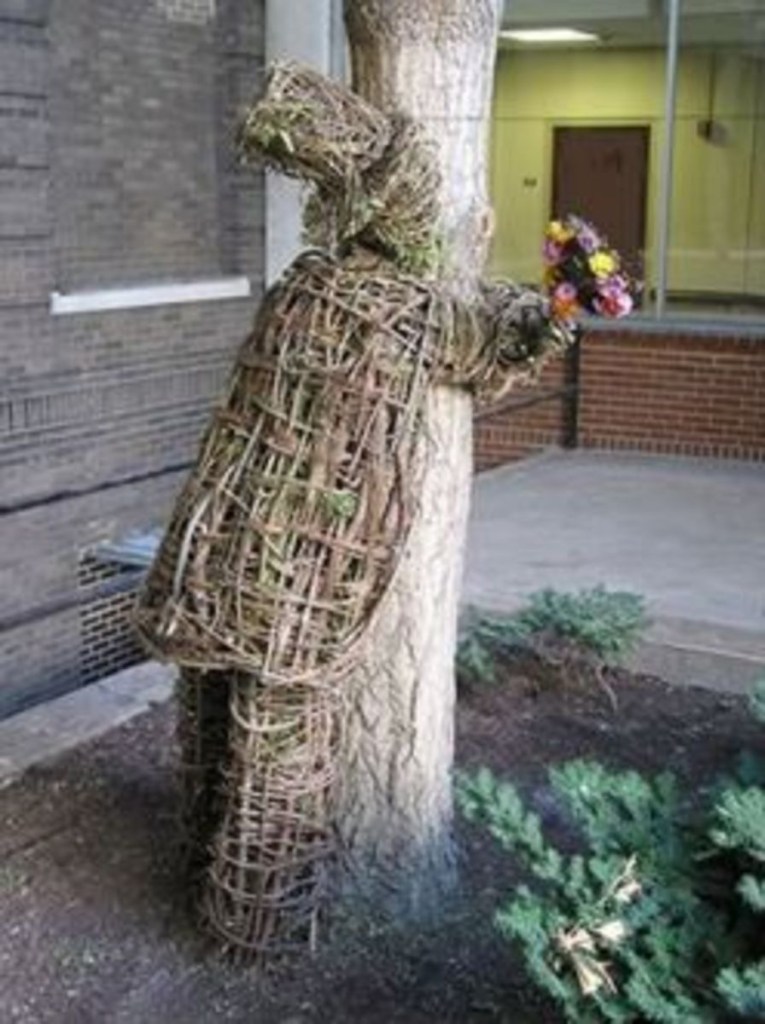
Is Anyone Ever Happy?
The “ugly girl’s” contentment and new found smiles are more than anyone can handle. The wives from the village are jealous that someone so ugly and undeserving should have the “perfect” husband… whatever magic has been woven by the basket maker is no longer seen as magic, and it causes discord in each and every one of the villager’s homes. The women want the perfect husband; they want their own husbands to act accordingly; they want what they don’t have.
A man made of twined branches verbally shares with his wife that he was made just for her, that she is the reason he lives and breathes, but no one hears these words in the way they’re meant. The villagers misconstrue the innocence; the villagers make their own interpretations about things they know nothing about. All in all…. the villagers could be anyone, as the flaws of humanity are harsh. Everyone desires the unattainable, and that is something that never seems to change.
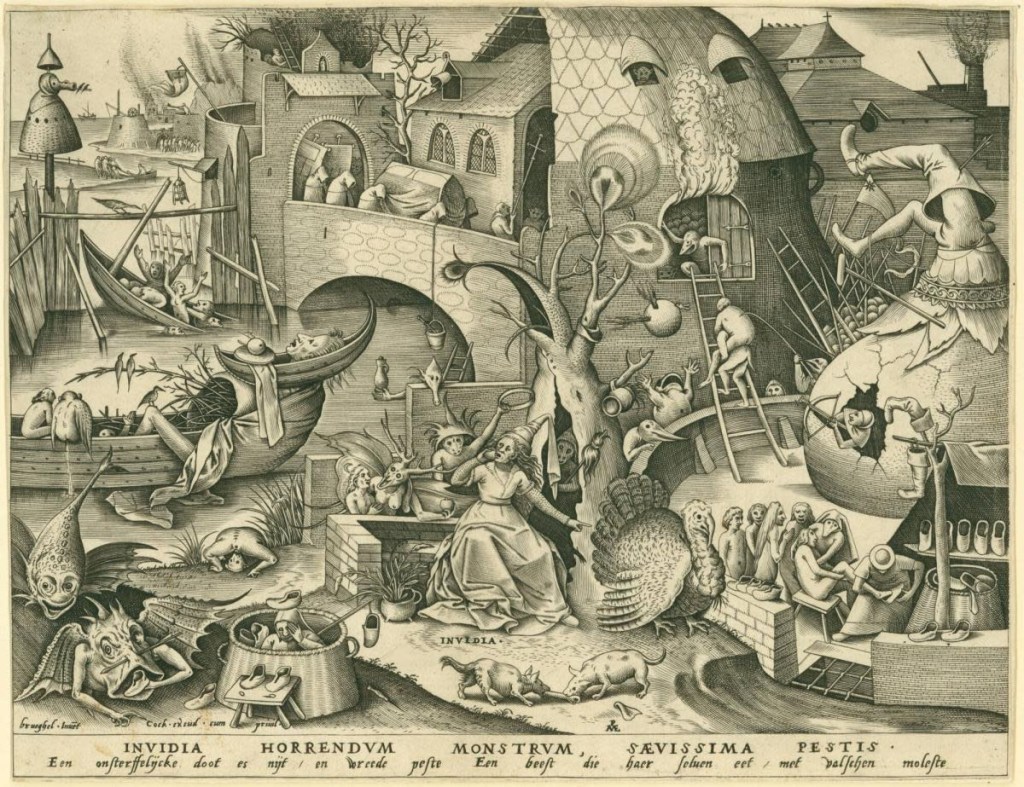
Envy from The Seven Deadly Sins
As the story moves on the village women become increasingly vicious, and then their husbands join in the viciousness. Why? What are the men afraid of? Why join the women? Again, jealousy, the Wicker husband is an object of desire; the women actively try to take him away from his wife, and they become even angrier when they are unsuccessful. Suddenly, an entire village desires to destroy not only a marriage, but the man who was thoughtfully woven for the “ugly girl.” A man who couldn’t eat dinner with his wife, or even sit down by the fire to relax; a man who grew moldy in the rainy season and dried out with the changes in the weather, and yet, this man was a threat to everyone. He and the “ugly girl” had become the source of all of the village’s problems, and they had no idea that they were either blamed or hated. They were simply living the best way they knew how, and they were happy.
The unrest of the villagers grew daily, and they collectively devised a plan to not only destroy the couple, but to rid themselves of the Wicker husband as well. The basket maker was tricked by a deceitful, jealous woman; the Wicker husband was set up to be seen by the “ugly girl” as untrustworthy, as a cheat; the “ugly girl” is pushed to her limits by things she cannot understand, and she then seeks to destroy her one source of joy, but is she successful? Will she ever know real happiness again, and why would people who have never cared anything about her in the past strive to ruin her life? Why do people find solace in muddying clear water?
Towards the end of our story the basket maker hears that he has been lied to, that the man he so carefully created has disappeared, but that the part he’d had in the villager’s plans had backfired. The “ugly girl” had not been left alone at all. He wondered how he could make things right; he wondered if he’d be able to, and he set himself the task to fix it all. One last job; one last goal, and then he could retire. He was done… but he wasn’t finished.
The basket maker’s last creation is where we’ll end. You need to read the ending for yourself. All I can say is that his last creation stirs up many emotions, and almost every one of the “seven deadly sins” present themselves before the story’s ending arrives. Be careful what you wish for!
Discussion….
Um, okay…. debate!

Our discussion began with some very simple questions, “Do we treat other people differently based on their appearance?” “If you’re walking down the street and you see two people…. is there anything that would decide exactly who you would approach first? Have you ever knowingly avoided a conversation with someone because of the way they look-dress-wear their hair-talk-etcetera? Do you choose your friends based on how others will perceive your choices? Do you “not” choose to be friends because of those same perceptions? Exactly how much influence does the way a person looks have on the opportunities they’re given in life… and could your own appearance change the expectations you have of yourself? And lastly, have you ever done something to make someone feel bad about something good… been jealous enough of someone else that it made you feel better to cast shadows on their happiness… and did it make you feel better?
It took awhile for the students to warm up, but in the end, we came to the conclusion that judging others by their appearances is something we’ve all done… something we are all guilty of. And after that, the students began to open up. I mean, how much better does it get than hearing your teacher admit to her own flaws!?!
The boys talked about how much easier it was to approach a pretty girl when she had a friend who wasn’t quite so pretty; the friend was the perfect go between, and so much easier to talk to. The girls felt the same way. Let’s face it, at this age it’s all about crushes and so often about the crushes who in NO WAY deserve the attention, but it’s the boys and girls who maybe deserve that attention, who are overlooked and become the means to the other. Ah, they have so much to learn!
From there we moved to the girl problems. Funny, boys this age never seem to have the same problems as the girls do; they simply don’t care. Girls move in packs; they’re like wolves; there is always an alpha and there are many omegas. Note that my comparison is not meant negatively…. anyone who has raised a daughter or worked with teenage girls knows this to be true…. and let’s be honest, I was a teenage girl once too. Uh, quite a while ago to be sure, but nonetheless I was, and I’ve seen both sides of the pack first hand. As a result we grow up wishing in many cases for the opportunity to say “I’m sorry,” and also in a few cases to ask “why?” Unfortunately, it’s more than occasionally we see that some of the “teenage” behaviors never seem to go away; I told the kids that I make it a point to stay away from the women I view as perpetual teenagers, and one of my girls looked me straight in the face and said, “Then you’d never hang out with my Mom.”

Anyway, the packs, or possibly I should refer to them as cliques, change on a regular basis. The girls were open to discussion about the mistreatment of someone not quite so pretty, or possibly someone who didn’t wear the appropriate labels, but they never applied it to themselves. That is where the debate came in…….. my boys called them on their behavior, they called them out on the fact that they couldn’t admit to being a part of the problem, and they both tried and convicted the girls in their presence. Not all of the girls mind you, just the ones that they felt deserved it. The boys were merciless, and they had no trouble at all talking about things that had been happening amongst the girls all year. They talked about how a very beautiful young girl had been ostracized out of jealousy, and how the boys had backed that same girl up and watched out for her, and how that had made it even worse. I learned a lot, and yes, what I learned has brought out the “protective” me, the Mama Bear. I watch and I listen, but sometimes I miss things I shouldn’t. I guess I need to look a little harder and spend a little more time listening.
The end of our discussion involved the behavior of adults, and quite frankly, it surprised me. They talked about their parents. The boys mentioned competitive sports and their father’s and sometimes mother’s comments about their teammates. It seems that the boys are really not as envious of their peer’s athletic abilities, as their parents are willing to demean those of their children’s peers who are viewed as exceedingly talented. The boys appreciate their teammates’ presence, they respect their abilities, and they see the comments made by their parents as downright ridiculous. One of the boys even described a parent who attends our school basketball games as someone who “waits for the best player to make a mistake so he can announce it to the entire gym.” He talked about how this man’s son was consistently humiliated by his father’s need to humiliate. None of the children understand this…. but I do. Parents are the biggest downside to competitive sports; I stopped sitting in the stands at youth hockey games when my son was eight years old, and I didn’t sit back down again until he turned eighteen.
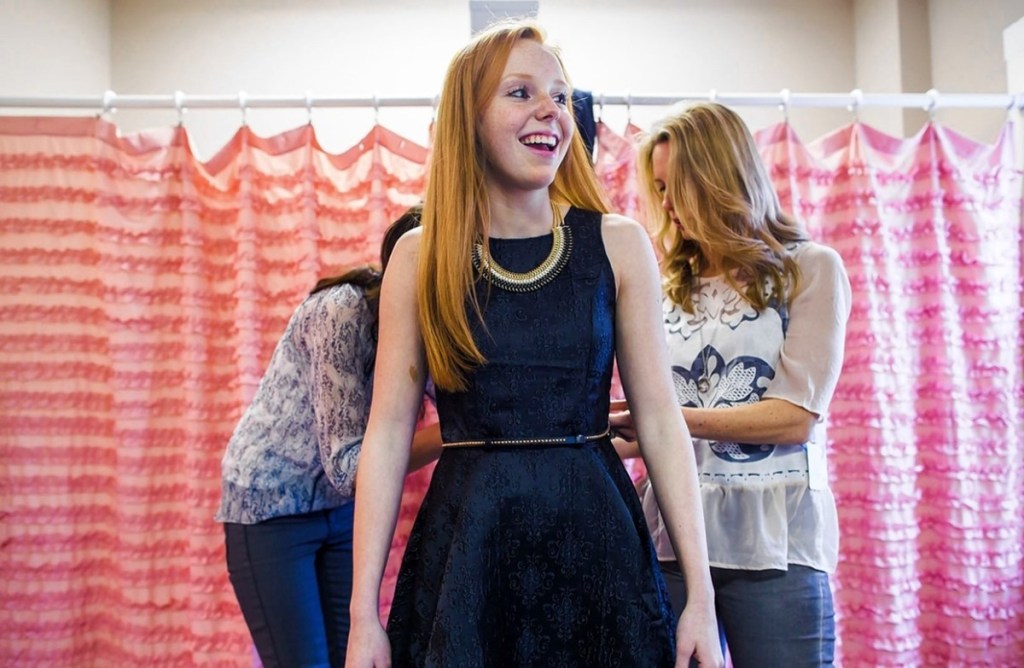
The girls saw the same things in different ways. A mother’s comment about a skirt being too short, and then the shopping trip in which a similar skirt was pulled from the rack, accompanied by the, “I think you’d look good in this.” One of the girls said that she’d actually once told her mother that she’d said a friend looked completely inappropriate wearing the same dress she’d picked out for her daughter to take into the fitting room. I guess her mom wasn’t happy, and needless to say, the dress wasn’t tried on. That’s motherhood; our children forget the things they don’t want to hear or remember for only as long as they have no need to remember, but they do remember.
Quote of the Day!

“EVERYONE GETS JEALOUS, AND EVERYONE ISN’T NICE SOMETIMES, BUT IT’S WHEN YOU CAN’T SEE THOSE THINGS IN YOURSELF THAT EVERYTHING GETS OUT OF HAND. WE NEED TO MAKE SURE THE THINGS WE DON’T LIKE IN OTHER PEOPLE DON’T SHOW UP ON US. NOBODY IS RESPONSIBLE FOR OUR HAPPINESS; WE ARE RESPONSIBLE FOR THAT & WE HAVE NO RIGHT TO TRY to TAKE IT AWAY FROM ANOTHER PERSON.”
E.B., 13 YEARS OLD.
TIME IS UP….
FOR TODAY ANYWAY!
An hour isn’t an awful lot of time once you get the kids talking, but you have to end it somewhere, and there’s always another story. The conclusion of our discussion was based on the age old saying, “be careful what you wish for.” That this is an accurate statement was unanimously agreed upon, but I can’t tell you why because that would give away the story’s ending. Seriously, wishing might just get you the one thing you want, and then again, it might also get you something you want nothing more than to give back. If you’re wondering who this woman is, give The Wicker Husband a closer look. You can find it online, and the ending is worth it!
© 2026 J.R. Watkins
 History Belongs To Us
Leave a comment