History Belongs To Us

Connection to History

  • The White City: 1893 World’s Columbian Exposition
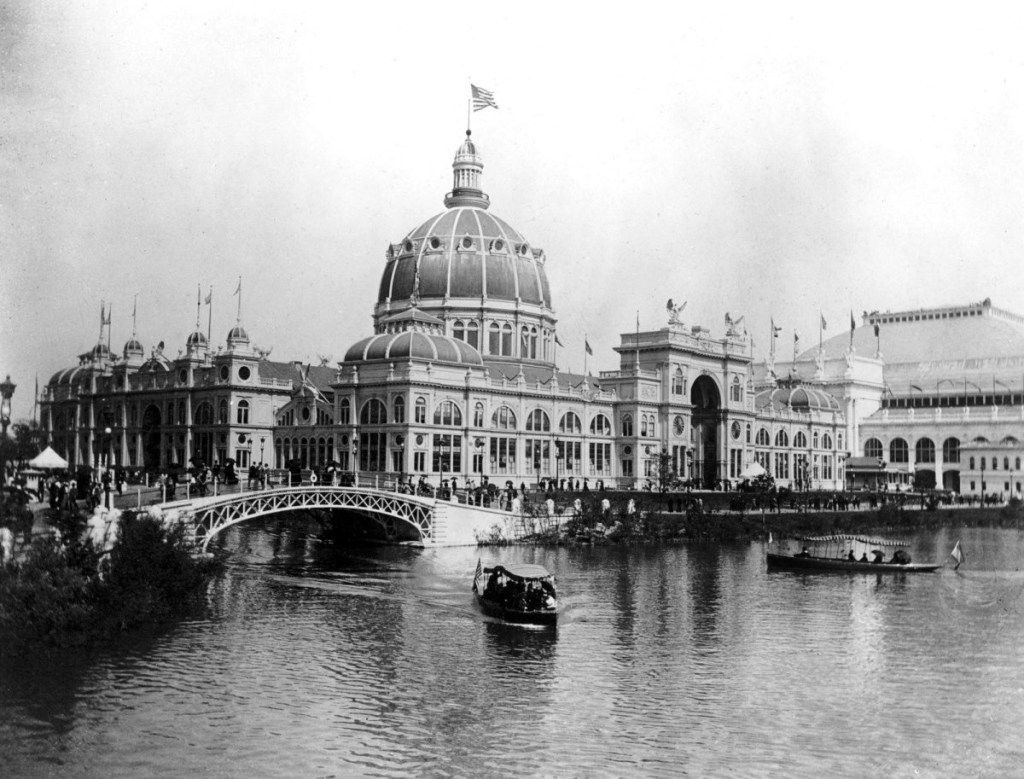
    In 1893, the World’s Columbian Exposition was held in Chicago, Illinois in order to celebrate the 400th anniversary of Christopher Columbus’ voyage to America. In order to host this very important celebration, Chicago had to compete with many other cities throughout the country. In the end, it was Chicago’s extensive railroad access, in addition to the ten million dollars the city guaranteed, that put it over the top.

    Planning for the exposition was extensive, and once complete, the newly constructed White City, an area that spread out over 682 acres, including a large area of lakefront property was born. Note, the exposition should actually have taken place in 1892… “In 1492 Columbus sailed the ocean blue..,” but due to the elaborate plans and the amount of work it would take to bring those plans to fruition, the timeline was changed.

    Upon its completion, The White City was so magical that it is said to have inspired The Emerald City in Frank Baum’s, The Wizard of Oz. The Ferris Wheel made its first public appearance, as did electricity which had previously only been seen in France… and with the electricity came the gadgets, numerous items created to use with electricity… items that would make life easier like hot plates and fans. The Palace of Fine Arts, later to be rebuilt and renamed, The Museum of Science and Industry, made its debut. And the food… it’s hard to picture a world without shredded wheat, diet soda, Aunt Jemima Syrup, and Wrigley’s Juicy Fruit gum, but each and every one made their debut at the exposition that took place in Chicago in 1893.

    The Palace of Fine Arts: Chicago’s 1893 World Columbian Exposition
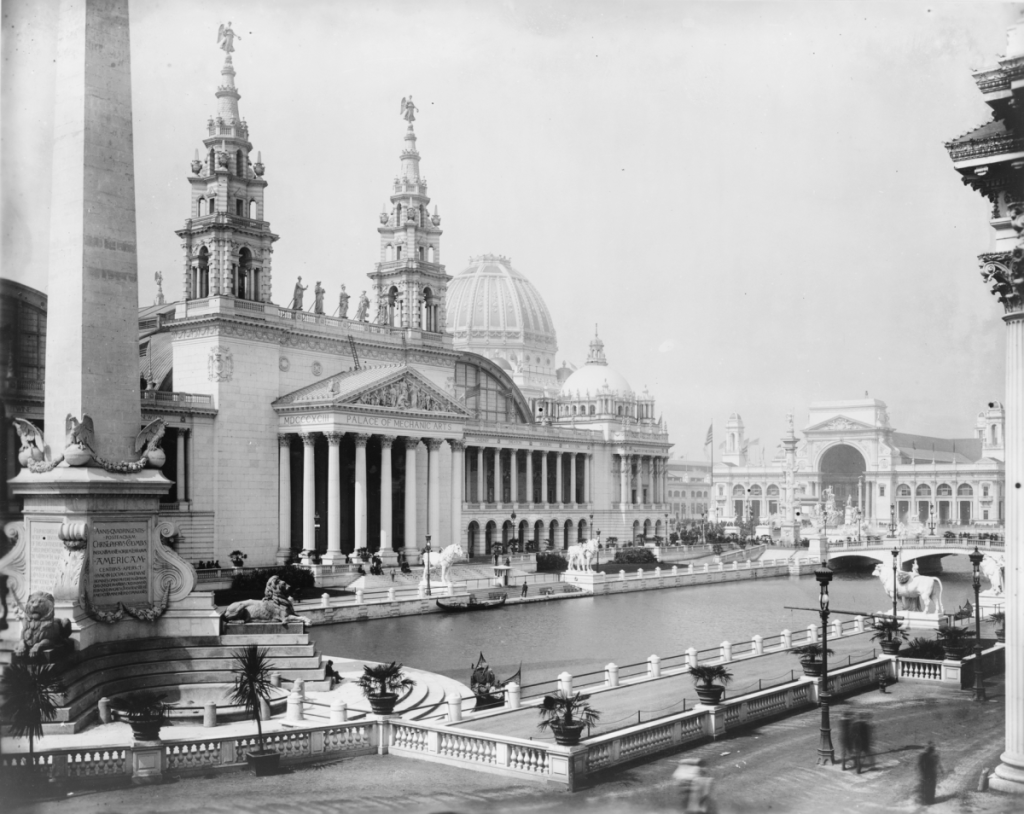
    Among the buildings and exhibits was that of the Field Columbian Museum, which over the years has transformed into what we know today as The Field Museum of Chicago. Initially, the display at the World’s Columbian Exposition contained some 65,000 exhibits, which may not seem like a lot today, but in 1893… the number was extraordinary, dazzling patrons with amazing, never before seen artifacts… things only read about in books.

    During the six-month period that the exposition took place, over twenty-five million people would attend, and with its closing, the dream of a permanent museum would begin its journey to reality. Initially, the museum was named the Columbian Museum of Chicago, and it made its home in the Exposition’s Palace of Fine Arts, which was located in Jackson Park. By June 2, 1984, however, the museum would not only open but change its name, honoring Marshall Field, its first benefactor, a Chicago business magnate, who’d provided a one-million-dollar donation to get things off the ground. It goes without saying that Field was renowned for his support of cultural education and the arts, and his legacy lives on.

    Daniel Burnham: Architect
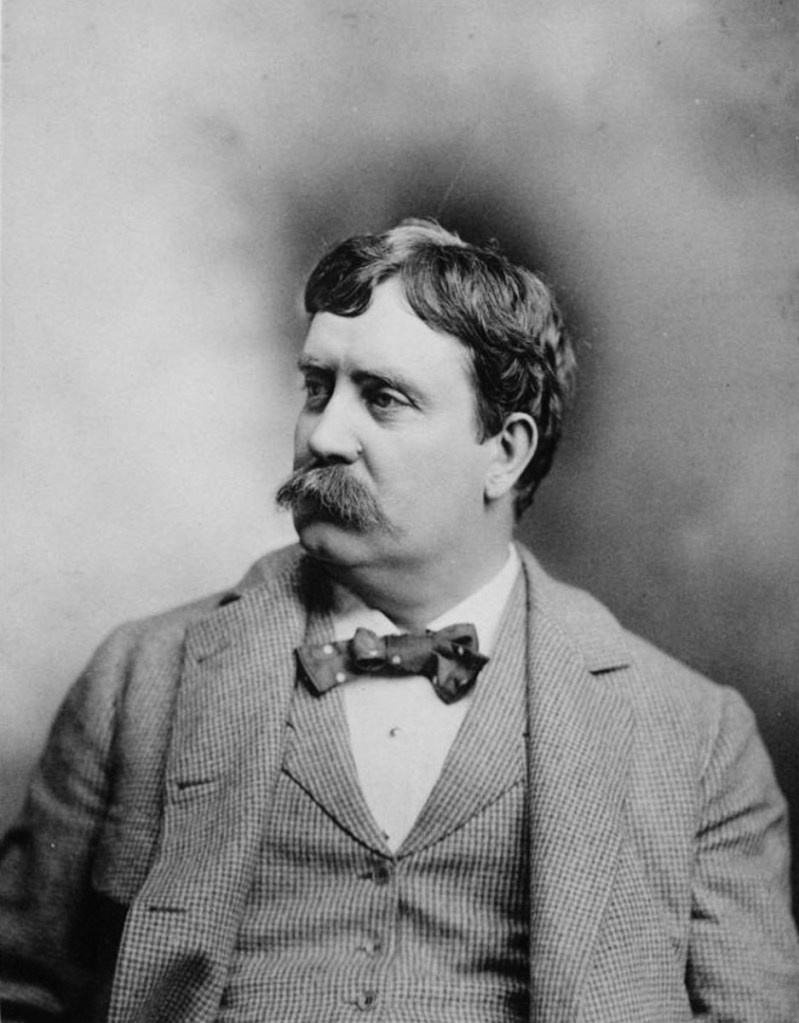
    The White City’s Art Palace was admired worldwide, and architect, Daniel Burnham, deserved every accolade. Initially constructed to be a temporary addition to Chicago’s lakefront, the Art Palace was constructed differently from the other buildings for one simple reason… the items it contained were priceless and irreplaceable, valued at about five million dollars, which today would equal about $173,441,758.24. As a result, the Palace, unlike the other structures erected for the Exposition, was made of brick and built to be fireproof. Today, it serves as the home of the Museum Science and Industry, but many of the original artifacts it contained are now housed in The Field Museum of Chicago.

    The Palace of Fine Arts was a beautiful building, in an even more beautiful location. Chicago’s lakefront at its best. Over time, however, the building began to deteriorate, and in 1909 it was decided that the museum should be relocated, but it wasn’t until 1915 that the construction for the new building would begin. Six years later, the new building, located near Chicago’s Grant Park, was completed at the cost of $7,000,000 the equivalent of $21,259,623,762 in today’s money.

    The Field Museum: Opening its Doors
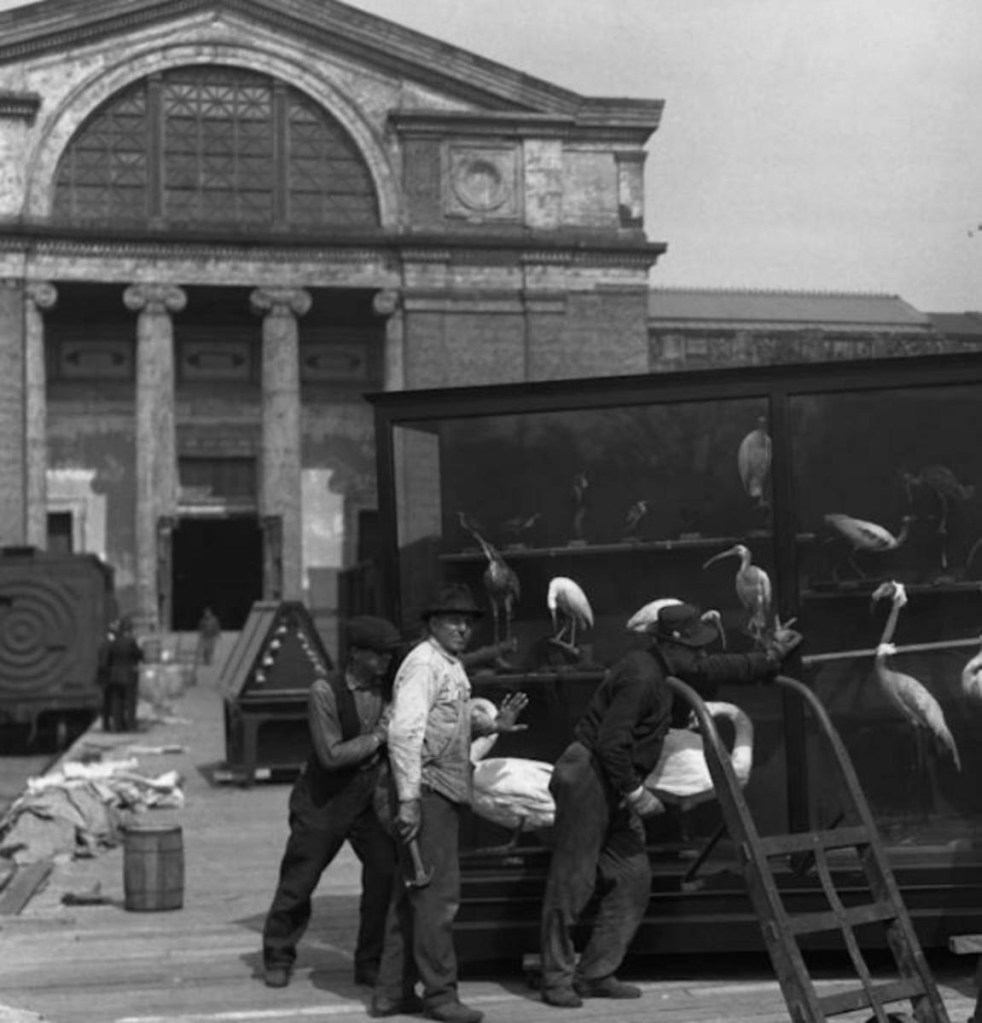
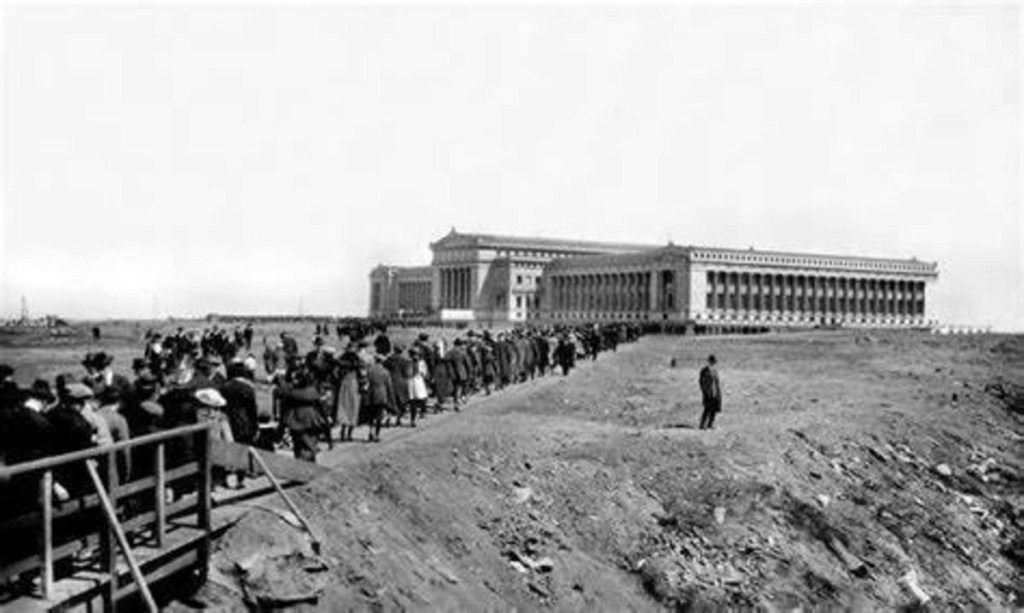
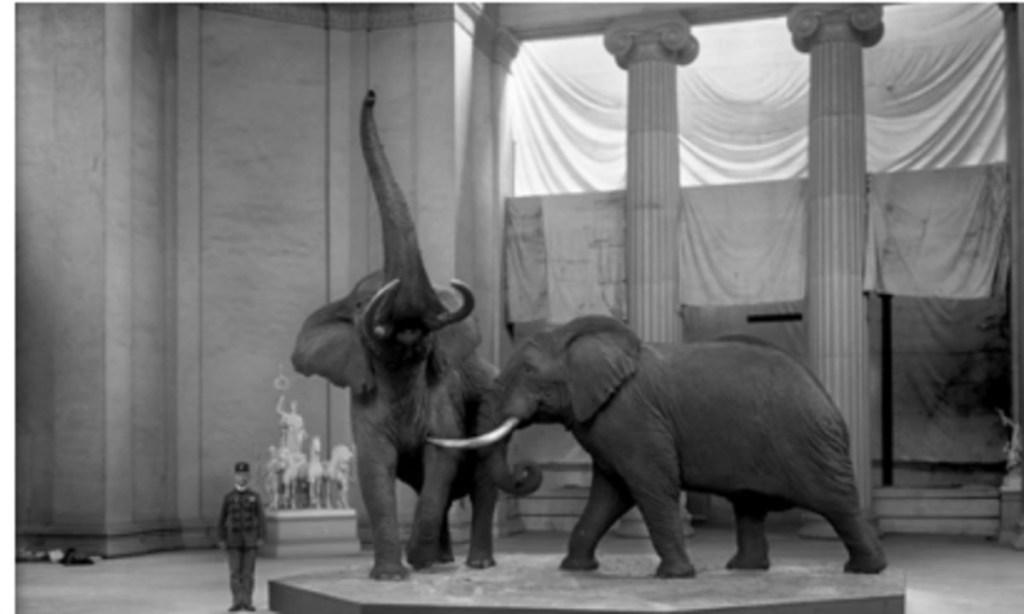
    On May 21, 1921, the newly constructed Field Museum, located just south of Grant Park opened its doors. For over a year, crews had been transporting the museum’s collections from one building to another… amazing collections that included Tiffany and Co’s priceless gems, musical instruments from foreign countries, pre-Columbian gold ornaments, and a large collection of Native American artifacts… all relocated with the use of the railcars and horse drawn carriages. Everything was carefully planned for the grand opening, during which, the museum welcomed the miles long line of visitors that lined up outside awaiting admission.

    Stanley Hall
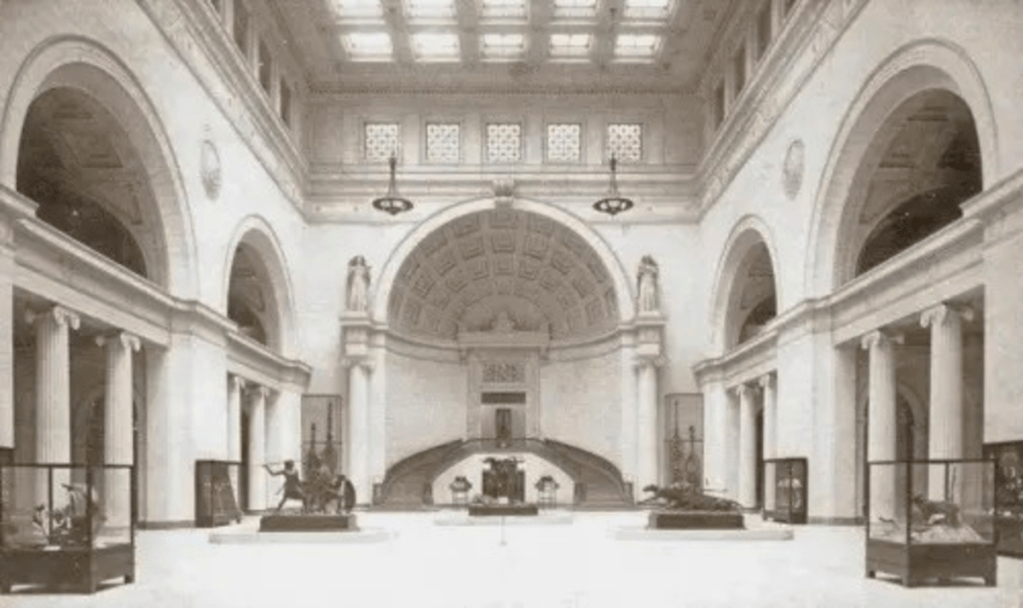
    Stanley Hall Field, the nephew of the museum’s benefactor, Marshall Field, became the president of the Field Museum in 1908, a position he held for fifty-six years. He also played a major role in the decisions and processes involved in the museum’s relocation. Stanley Hall, named for Field’s nephew, is built on a half acre of floor space made from fossilized limestone, and each corner of the room holds a statuary depiction of one of the four muses, which represent the purposes behind the museum’s founding, those being research, record, the dissemination of knowledge, and science.

    The Four Muses: aka The Maidens
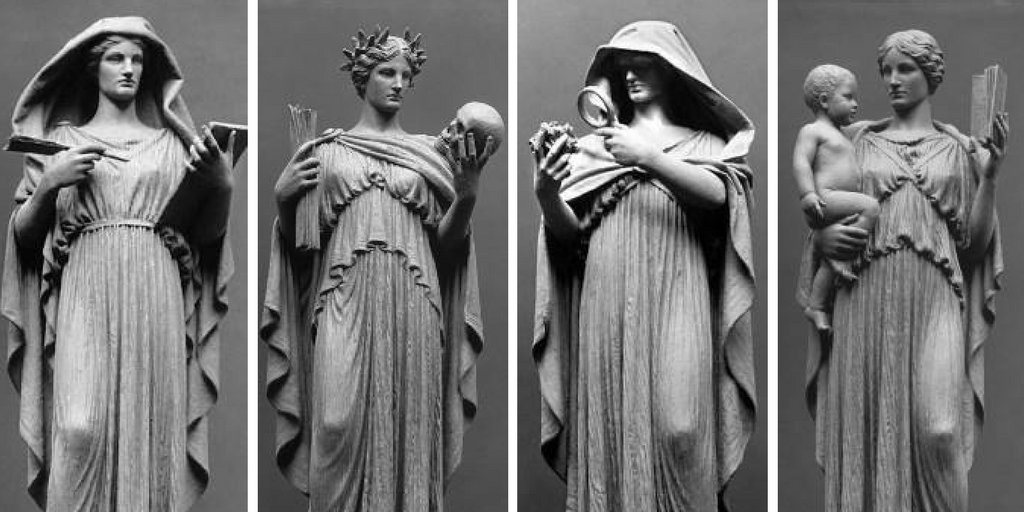
    The muses, better known as The Maidens, were sculpted by American artist Henry Hering, who also created the three relief panels depicting female figures adorned with wings, as well as various other statues that make their home in the museum.

    Anyone who knows me knows that I love statues above all other forms of art. At the age of five, security was called at the Art Institute when I curiously and impetuously ran to touch a forbidden statue. Today, I understand the fuss, I doubt my father ever got over it.

    A Dinosaur Named Sue, Discovered by Sue Hendrickson (1990)
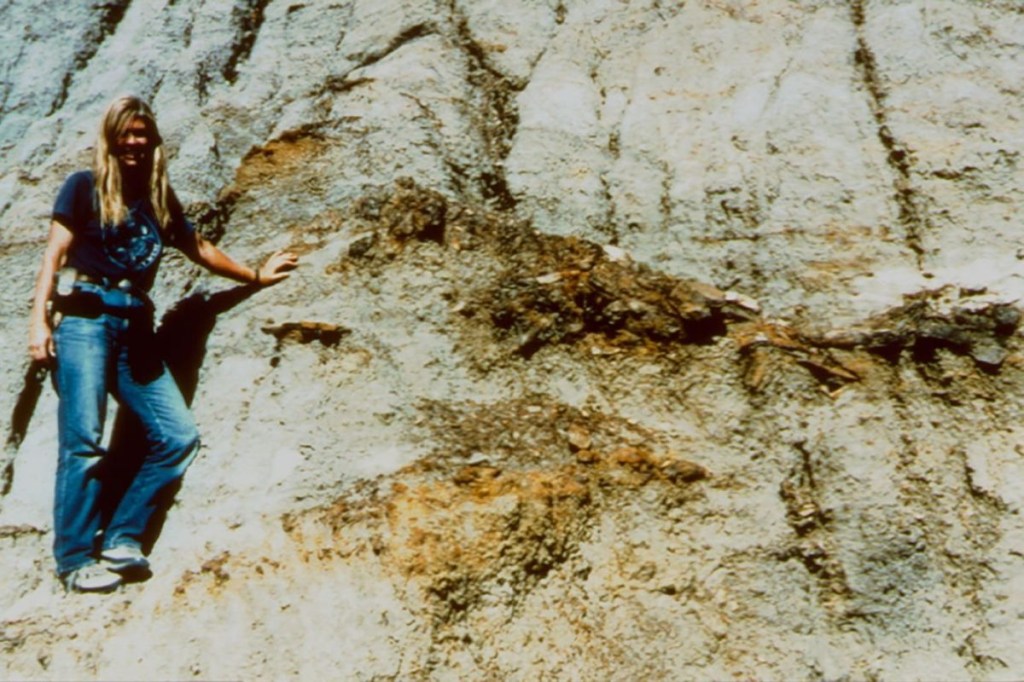
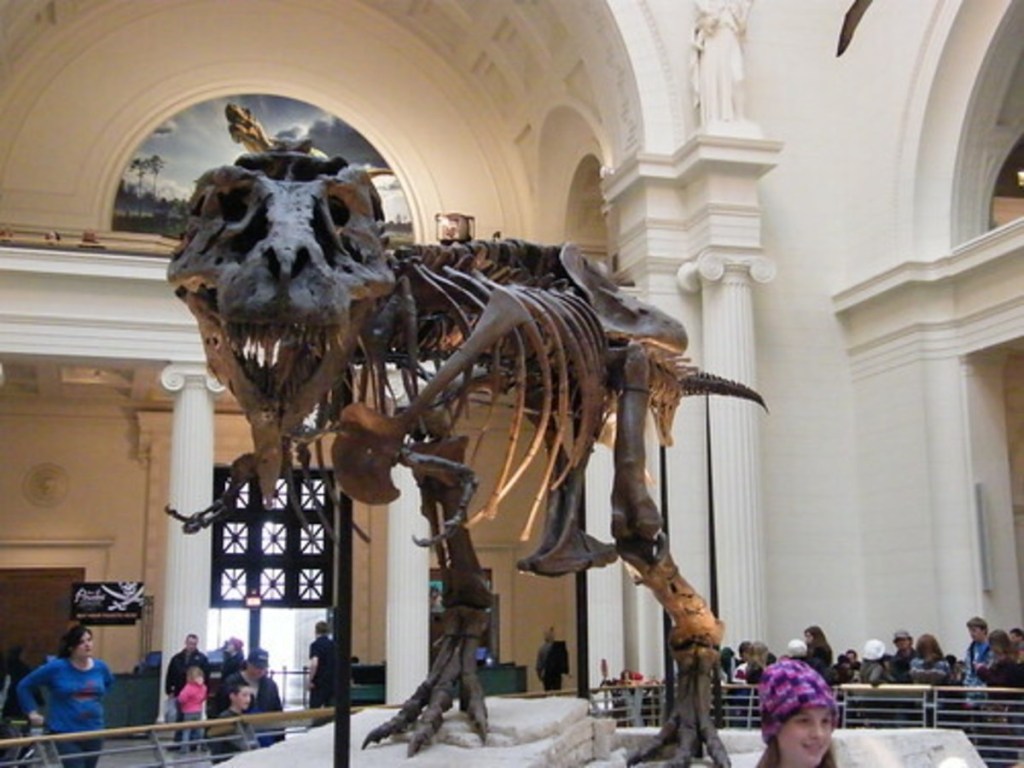
    Moving past the muses, Griffin Halls of Evolving Planets would likely be my favorite exhibit in the museum… my grandson’s too. Note, I do not believe in evolution, so many of the things the exhibit would like to teach me do not apply. The skeletal remains of the dinosaurs, however, are beautiful, fascinating, and most of all… intriguing. Standing face to face with Sue, the T-Rex, allows us to truly imagine what it would have been like to meet her while she was alive. Her history is even more fascinating. Who knew that dinosaur bones, like trees, have growth rings? Well, paleontologists uncovered this fact, and Sue is said to have been twenty-eight years old at the time of her death. Another question we might ask is how do they know that “Sue” was a girl? Admittedly, they don’t. It is impossible to determine the sex from bones, and Sue is named in honor of Sue Hendrickson, the woman who discovered her remains while participating in an excavation trip in South Dakota in 1990.

    Sue’s presence in the museum is taken for granted by those of us who appreciate her, but getting her to the museum was no easy feat. It took six people to excavate Sue’s remains over a course of seventeen days, after which the parentless T-Rex became the subject of a custody battle, yes, a custody battle, that lasted for five years and would only be put to rest when Sue was put up for public auction. In the end, the largest T-Rex ever found would be the object of the highest bid and purchase of any existing fossil, 8.4 million dollars, paid for by the Field Museum, which had received huge financial support from private donors, the McDonald’s Corporation, and the Disney World Resort. Sue finally had a home, but now they had to get her there.

    Sue’s Journey to Her New Home
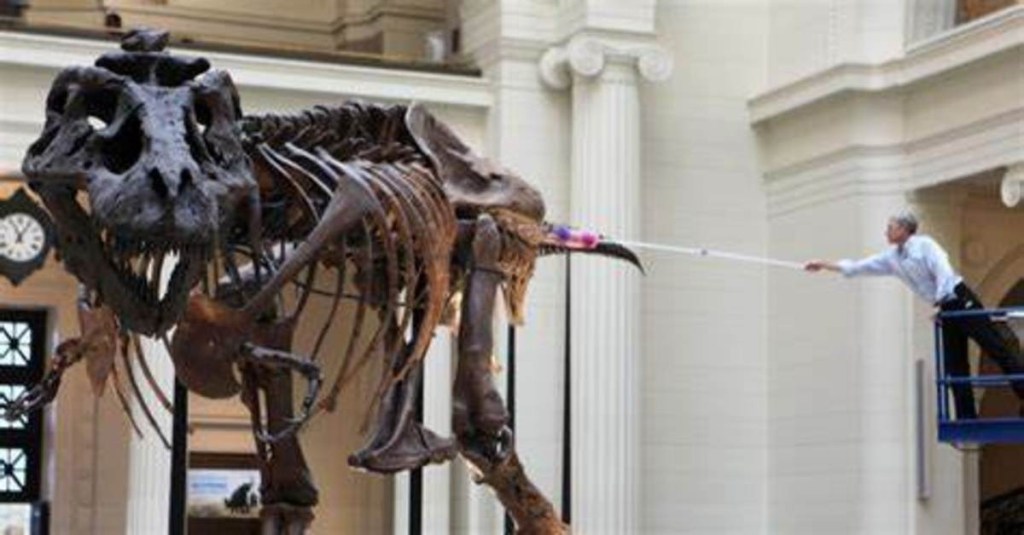
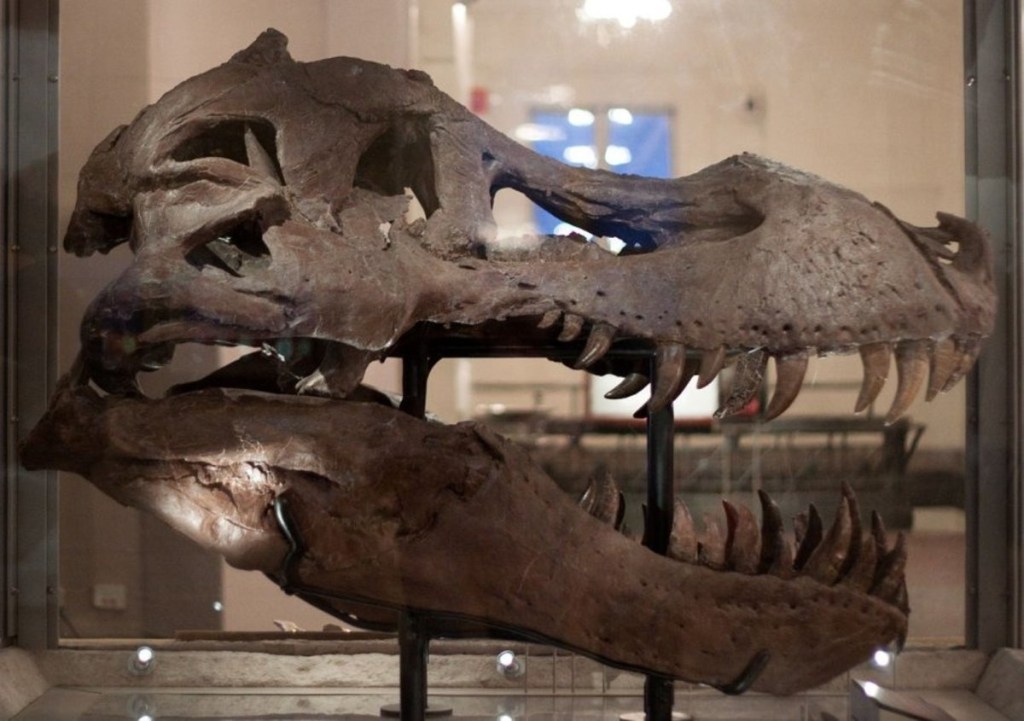
    Three years after the bidding was over, Sue would be moved to her new home, and she would be exhibited, front and center, in the beautiful Stanley Hall. People might ask, why did it take so long, but we have to remember everything that was involved. Sue’s skeletal remains were not intact, the puzzle had to be solved, the exhibit had to be constructed, and Sue’s head… too heavy to perch upon her skeleton without muscle and ligaments, a whopping six-hundred pounds, had to be replicated… her real skull displayed in a glass case that was placed on the balcony of the stairwell, where it would remain until 2018. Sue has since been moved to her permanent home in the Evolving Planet exhibit. Admittedly, I preferred her place in Griffin Hall. It was always a thrill to walk into the museum, and almost instantly see her standing across the room. A surreal experience that left one evermore awed by the pure size of the amazing creature, whose size seemed to increase with every step.

    Sobek the Spinosaurus & Other Exhibits
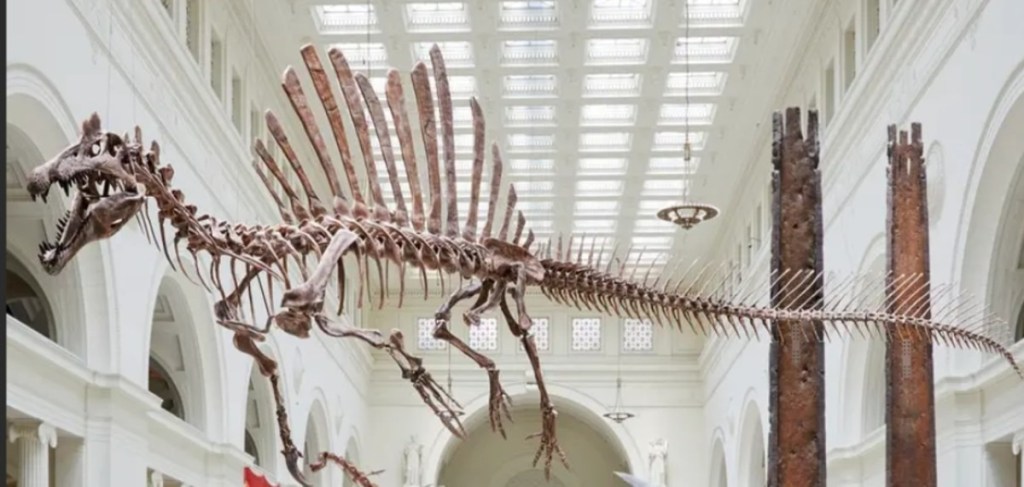

    Sue’s place in Griffin Hall has been filled by Sobek the Spinosaurus, a fish eating dinosaur with a crocodile-like body and paddle tail. Forty-six feet long, Sobek once cruised the rivers of North Africa. Today, he hovers above the entryway to the museum, so while you’re standing in line waiting to purchase your tickets… please look up.

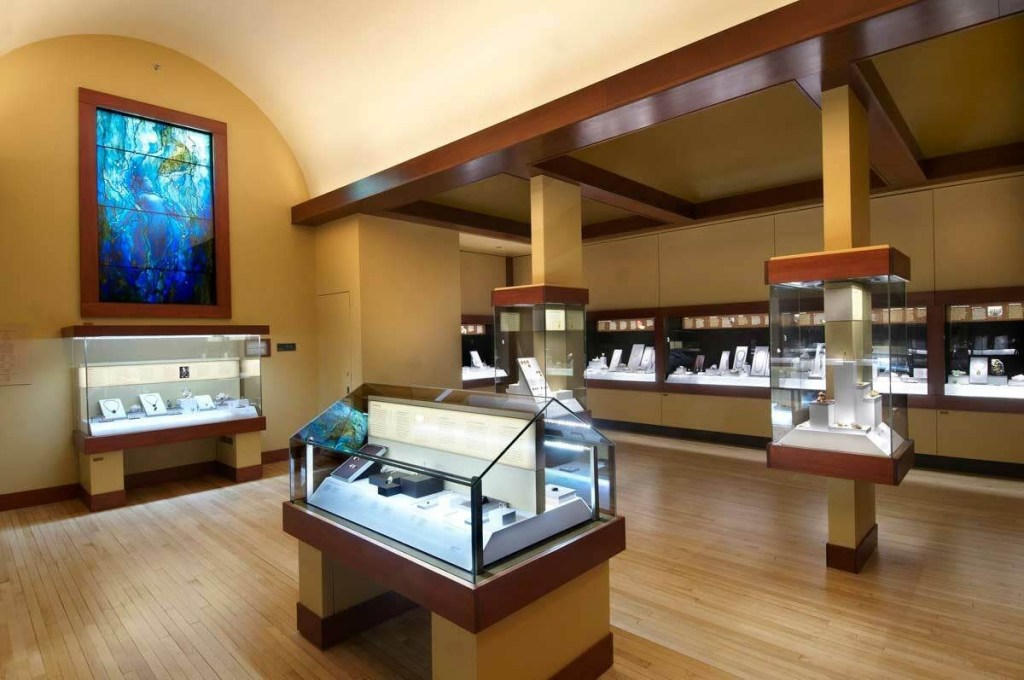
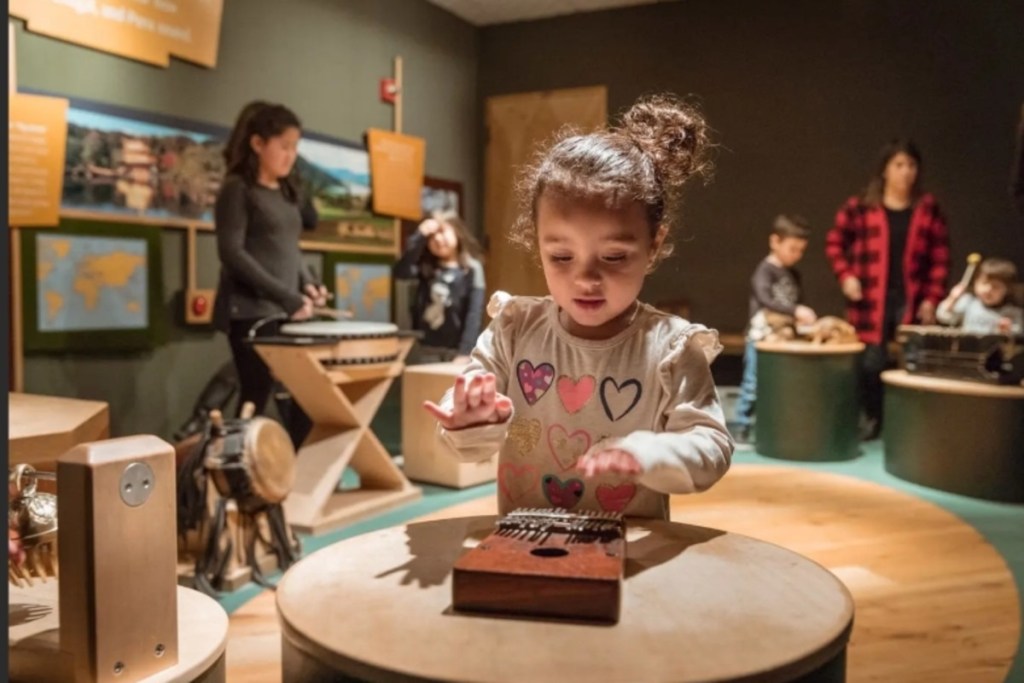
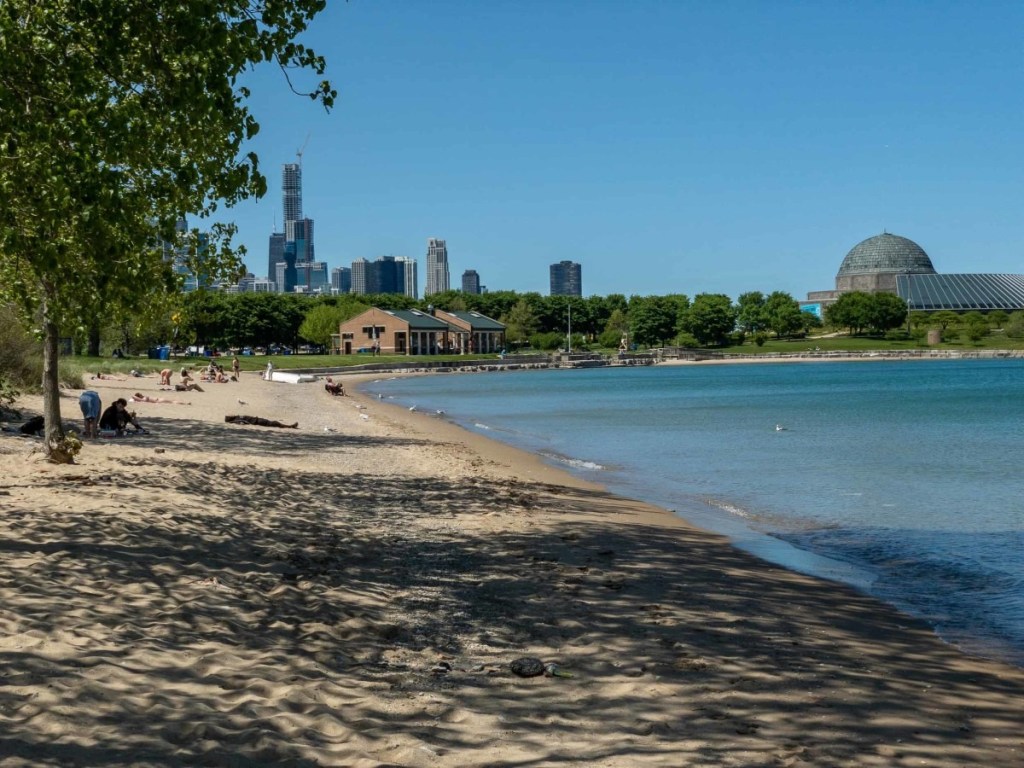
    The Field Museum is filled with so many exhibits that it is impossible to truly enjoy them all in one visit. Unseen Oceans, Inside Ancient Egypt, the Grainger Hall of Gems, the Crown Family PlayLab, the Maori Meeting House, The Robert R. McCormick Halls of the Ancient Americas, and a host of other exhibits await your visit. But when you visit, always remember to look around you, to take in the architecture, to maybe, if there’s time, walk over to the Shedd Aquarium or Planetarium, and then top your trip off with the short walk down to 12th Street beach and enjoy the beauty of Lake Michigan. Chicago at its best.
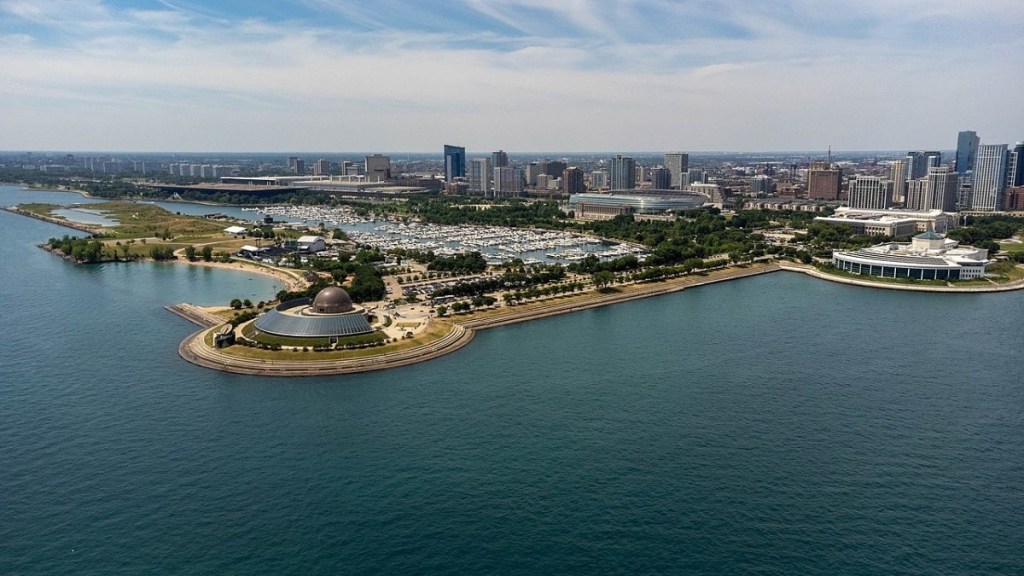
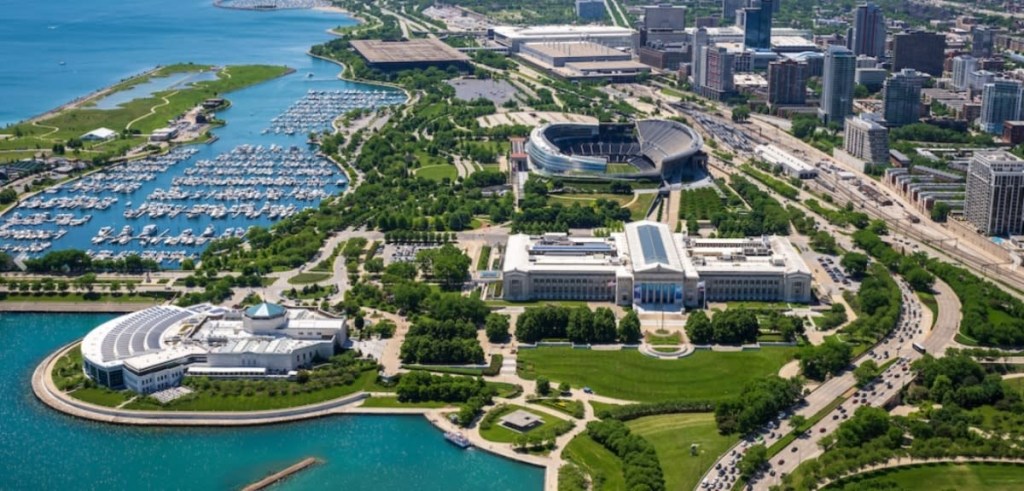
  • What is Art?

    If we were to randomly poll a group of people on a city street as to their definitions of the term “art”, we would in all likelihood receive a variety of meanings. The word “art” is in itself many things to different people. For some, it’s viewing paintings in the local museum, for others, art can be found in the beating of a drum, the flowers in a garden, the thrill of the hunt, the weaving of a rug. It can also be found in the movement of dance, the performance of a play, the reading of poetry, the sounds of music, the chirping of birds, the branches of a tree, a breathtaking landscape, and even the simple finger paintings of small children.

    What an amazing experience it would be to see the faces of our ancestors, those ancient peoples who crafted the first musical instruments… to see the widening of their eyes the first time they heard the sound of a flute, the first time they realized that plants could be made into paint, or even the first time that a group of people raised their hands in unison, partaking in the joy of dance. Art is everywhere; beauty is all around us. All we have to do is take the time to look, to smell, to experience, to touch… take the time to be awed by the simple things like a bird in flight, the dancing of leaves, the reflection of the sun’s rays in the puddles on a sidewalk. There are those who are forever distracted by the beauty humanity has been blessed with, and there are those who will one day leave this Earth thinking it never really existed at all because they are too busy to allow themselves that distraction. Me? I choose to be distracted.

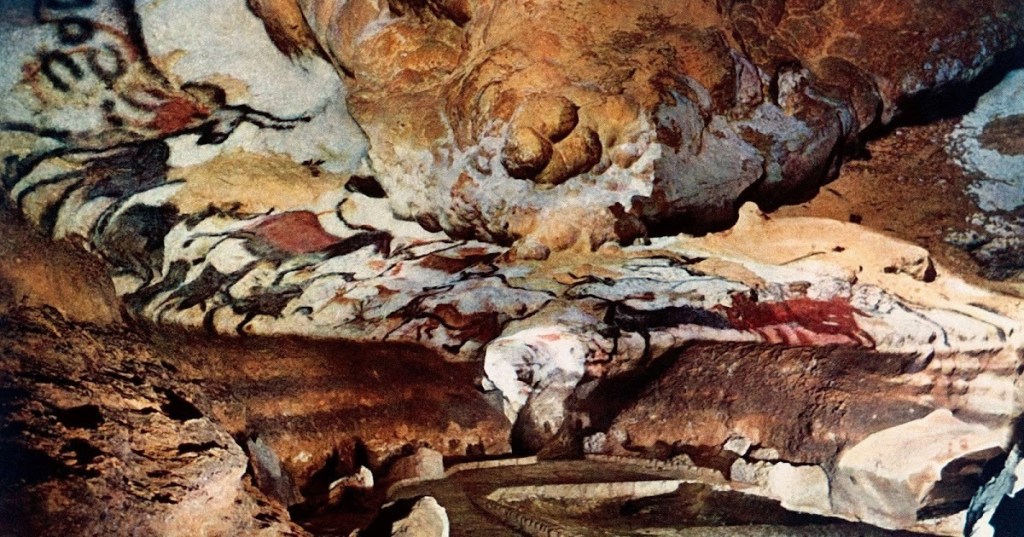
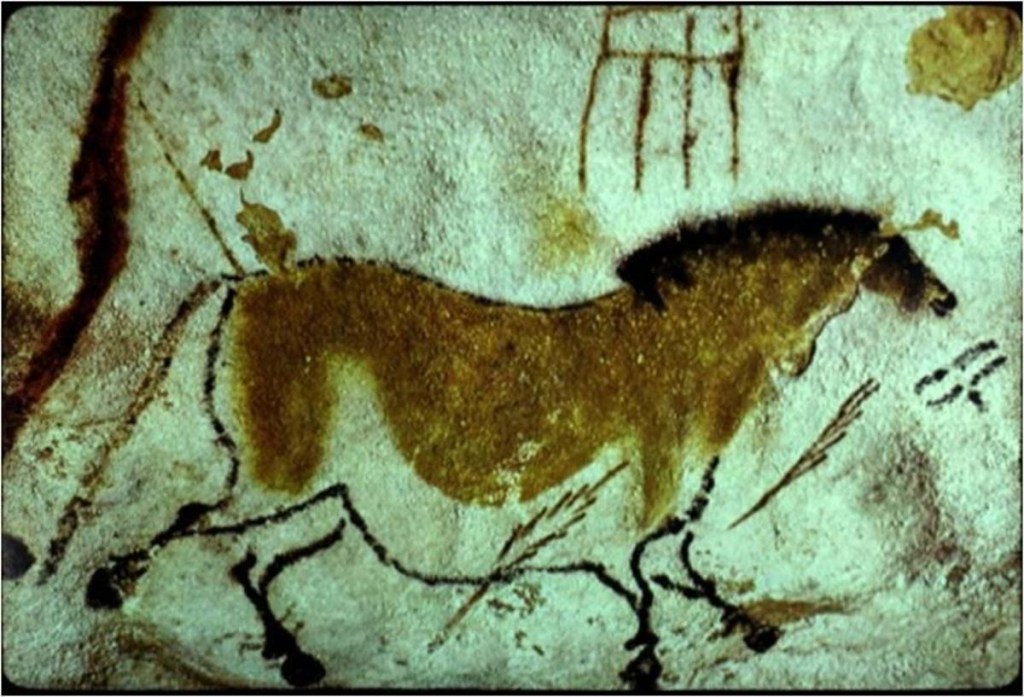
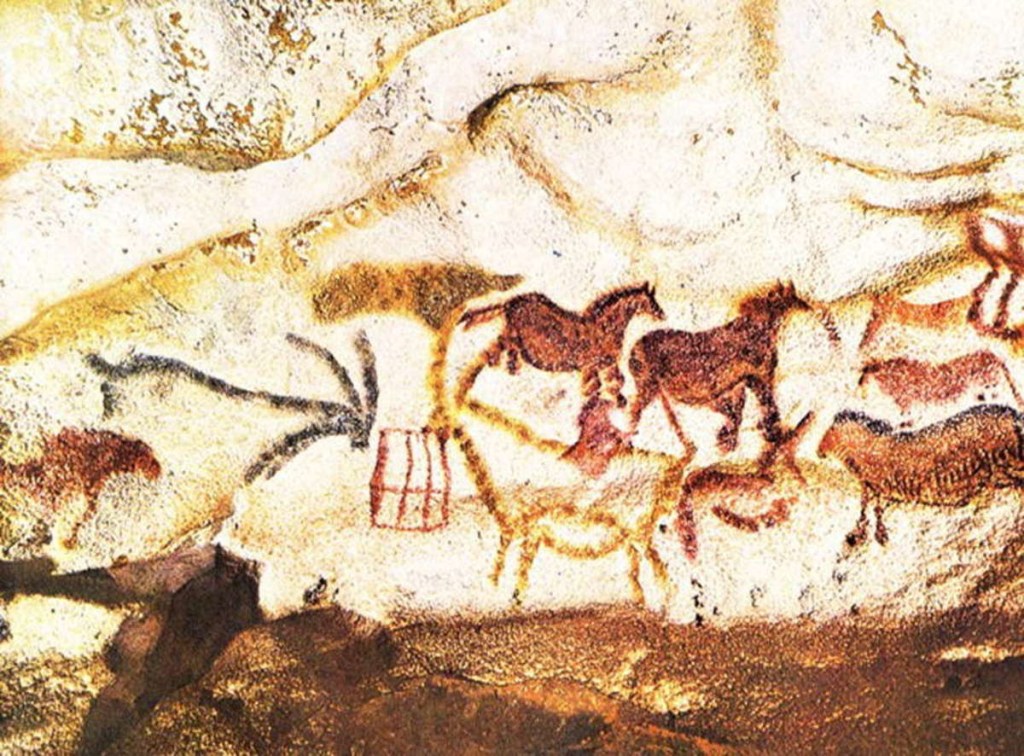
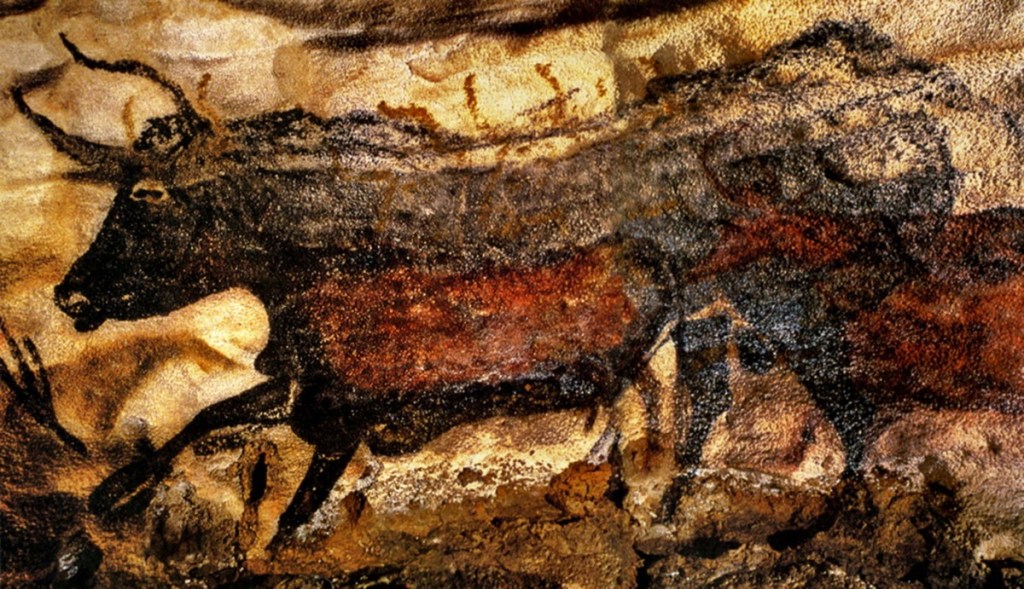
    Lascaux Cave Paintings

    The First Artists

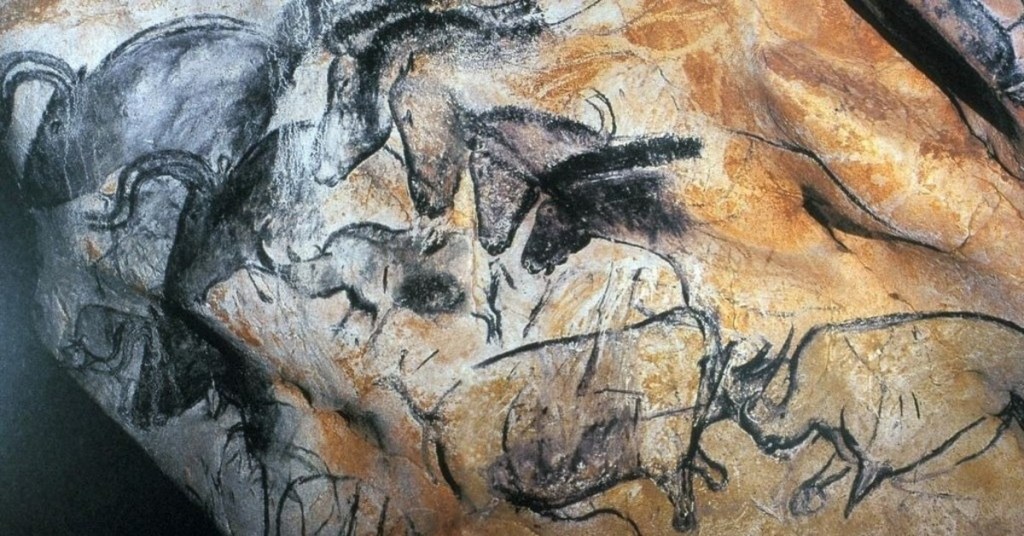
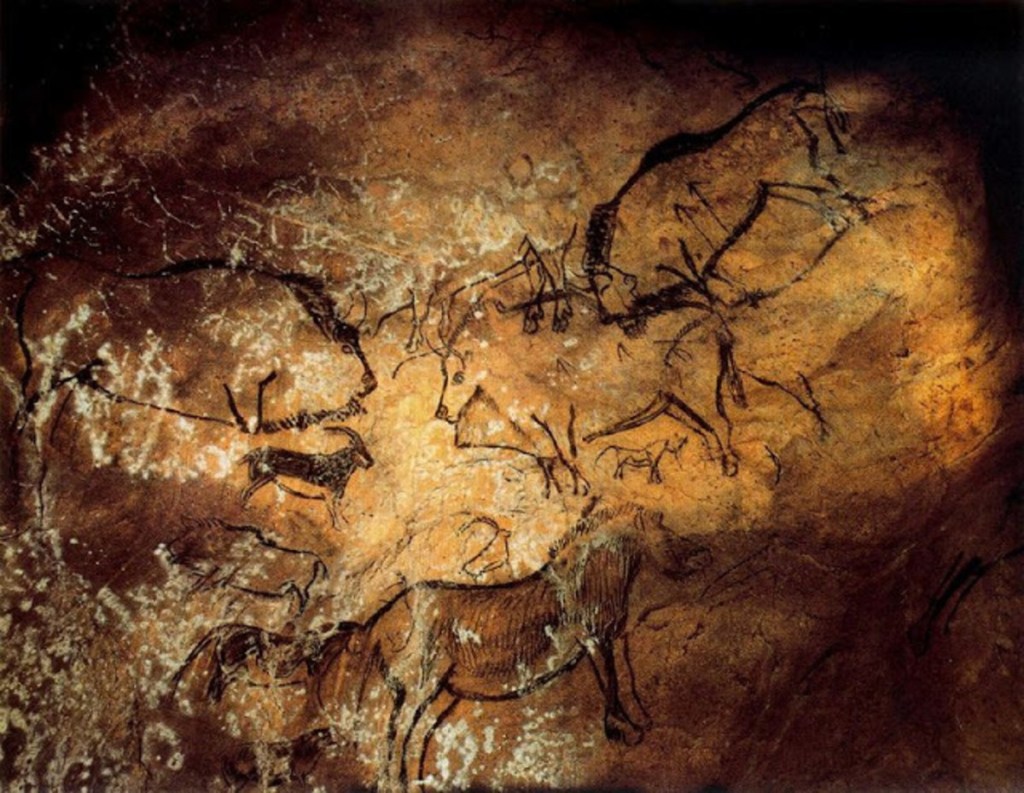
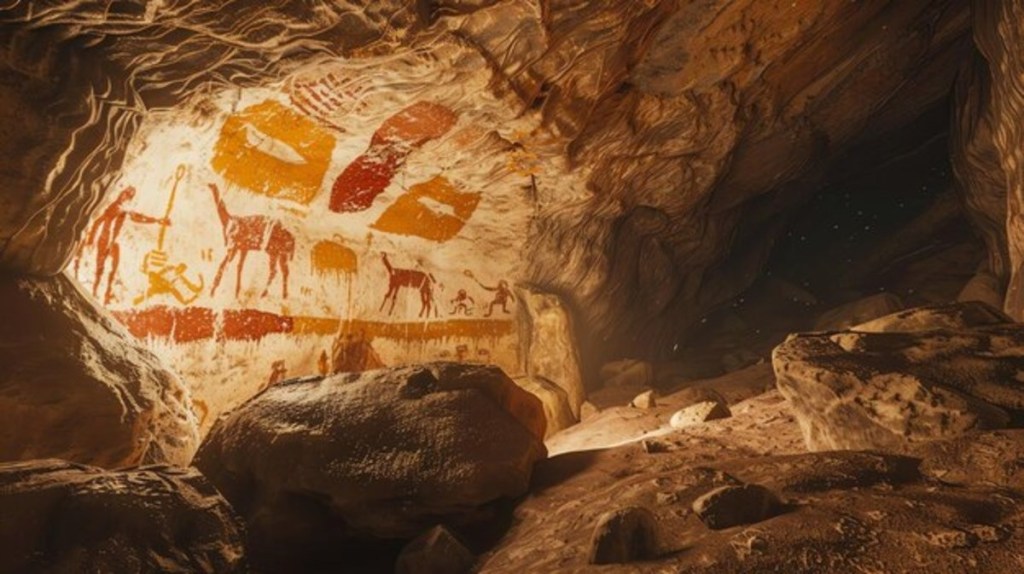
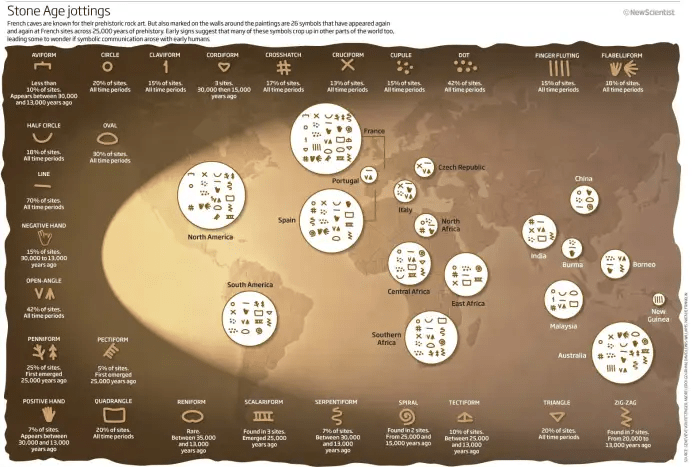
    Prehistoric Art is a term used to describe the artistic depictions of a people who hadn’t yet implemented writing into their culture. The appearance of the written word dates back to the Sumerians (3250 BC) and their use of pictographs, small pictures that tell their stories, describes their lives, and record the data they used to keep track of business details. All of these things allow us a glimpse into history and supply us with knowledge of times we’d know nothing about without the things they’ve left behind. Cave paintings enable us to envision the past. They depict daily life, religion, superstition, and magic.

    Art was believed to be magical ~ pictures were believed to have special powers. It is said that the artists themselves were seen as spiritual beings, that they were revered, and that their artistic portrayals were capable of keeping a people safe from the forces of nature and angry gods. Some of the artwork that has been found is believed to have been created for the sole purpose of pleasing the gods or asking otherworldly spirits to bless these groups with fertility and successful hunts. Other pictures are believed to be instructional, prehistoric how-to-manuals. Here’s the deer; here’s the heart; this is where you aim the spear.

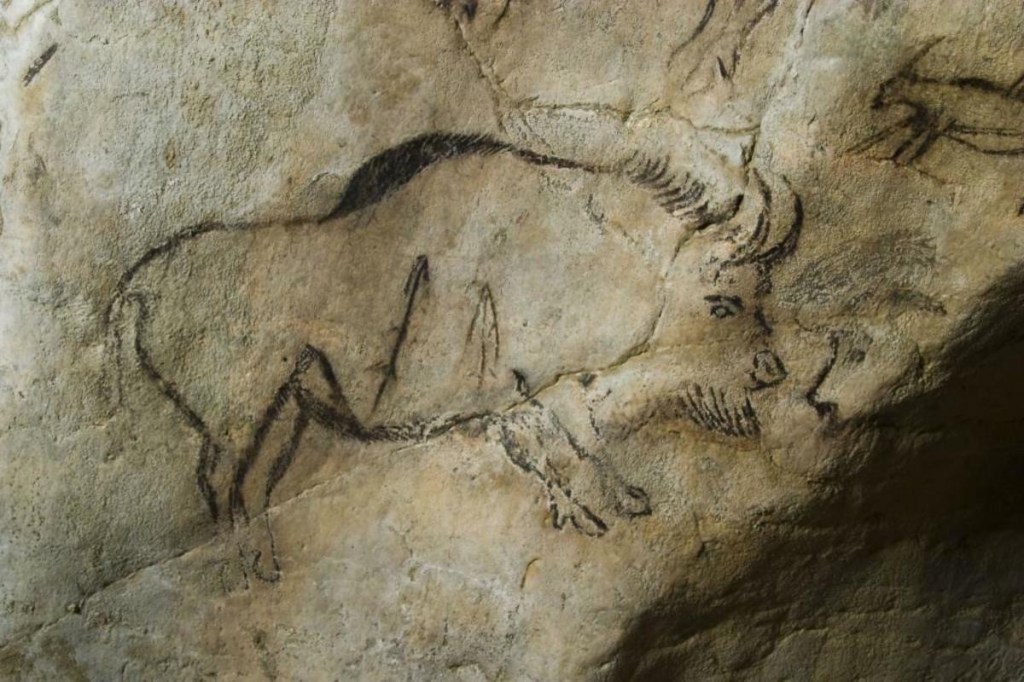
    Over the years, archaeologists have studied cave paintings and found that many actually cover earlier artwork, and some have concluded that those paintings, which were never reworked, had been considered lucky and left untouched. On the other hand, many feel that walls that were used over and over again may have been re-worked because the walls themselves were lucky. I guess we’ll never know.

    Cavern de Niaux

    This painting has been discovered to be layered over others.

    Methods and Mediums

    Modern man wasn’t the first to perfect his craft, experiment with different mediums, or to explore the use of various tools that caught both his eye and imagination. Trial by error is not owned by the modern era, and the prehistoric artist is believed to have spent a lifetime looking for perfection… an artist is an artist. Evidence of the belief that “practice makes perfect” can be seen is corrected drawings, in sketches found near or next to the final product. It is also believed that older artists mentored the next generation, apprenticed them long before the term became popular among the artisans we read about in our history books.

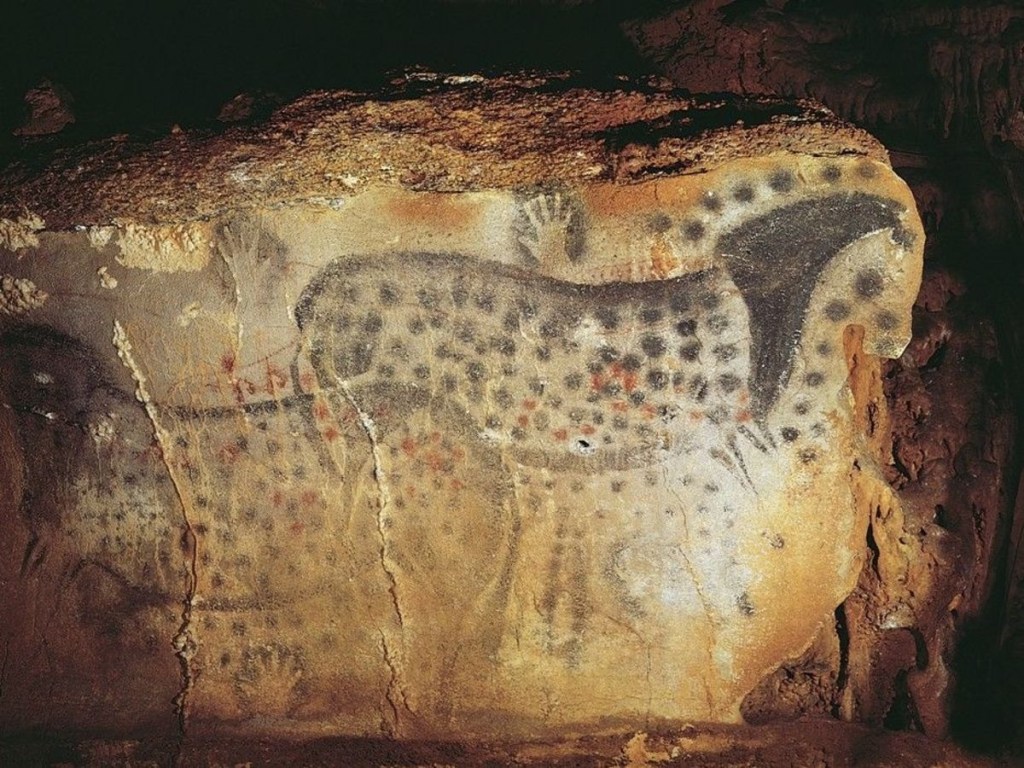
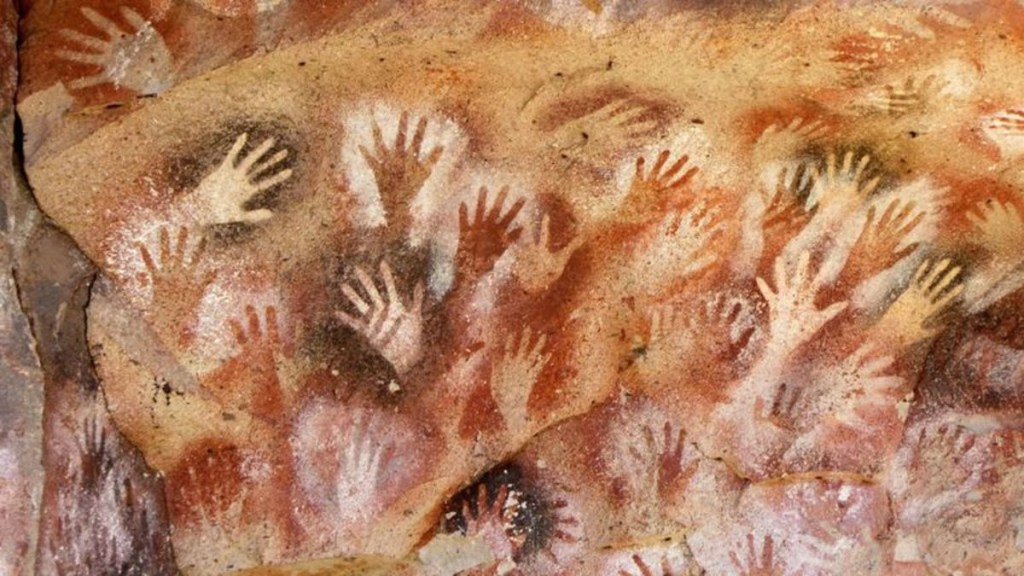
    Some of the earliest images that have been discovered are rudimentary, simple handprints. Today, we create prints by dipping our hands in ink or paint. These prints can be found hanging on our refrigerators or marking our walls. Some can even be found safely tucked away in case of an emergency (fingerprinting children for identification). Unlike the prints we envision today, prehistoric handprints were made in a completely different way. The hands themselves were used as stencils, and pigments blown through hollow sticks created a lasting outline. The hand was a symbol of power. Hands could create, perform tasks, and be used for communication. Hands fashioned the bone tubes used to distribute the pigments that made these prints possible, hands were also necessary to create the pigments themselves; the stained tubes which survived thousands of years on the floors in caves contained powder… and the powder didn’t get there by itself.

    Basic finger painting was the artist’s best friend, and the images left behind denote a masterful beauty. Over the years, new mediums of application were implemented ~ fur, sticks, feathers, and leather became desirable tools. Funny, many people using these same tools while painting their walls as a modern discovery. They would be wrong!

    Paint itself was created in a variety of different ways. Minerals were crushed and applied to wet surfaces. Crushed rock, clay, soil, chalk, and the charcoal that remained after the burning of wood and bones supplied new color to the artist’s palate. Experiments were conducted with wax and oils in order to change consistency, which enabled the artist to paint on new surfaces such as animal skins and wood. The hollow bones used for the application of pigments were also used to store them. The artist had supplies, but each artist could only work with the supplies that the environment gave them. All materials were not readily available. They used what they had, and that is one of the reasons that the cave paintings, which have been found all over the world, are so different in appearance. Some areas were abundant in the greens and blues found in specific rocks, others in the magnificent purples produced by manganese. How wondrous the imaginations of these artists. How wondrous the legacy they’ve left behind.

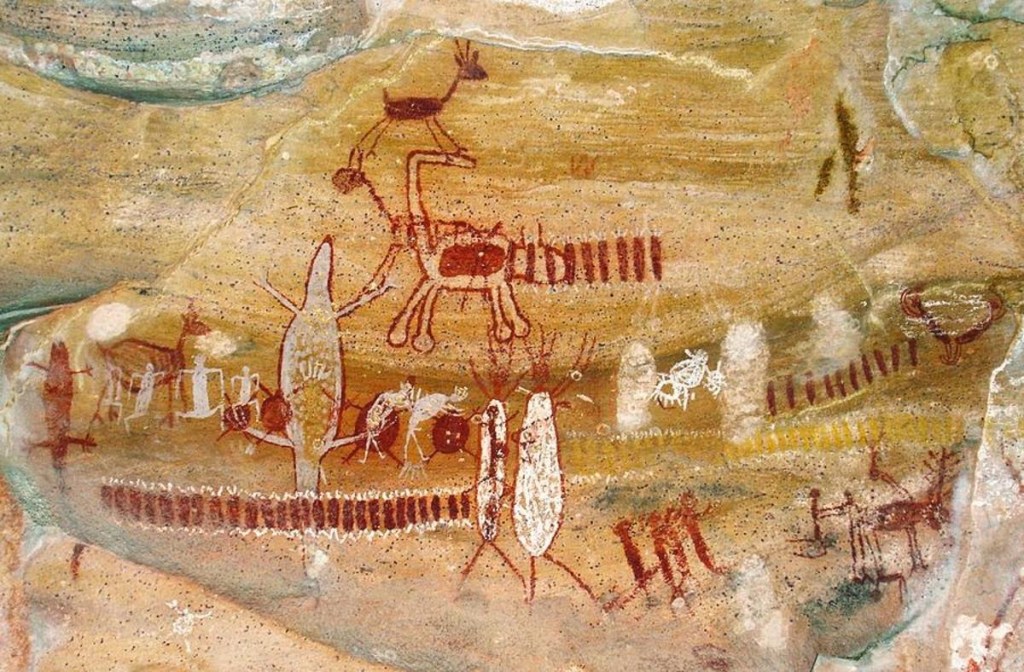
    Simplicity ~ Serra da Capivara in Brazil

    Origins

    The oldest known art was created in the Old Stone Age. During this time period the extensive movement of the hunter-gatherer society was based on survival, warming trends, and the availability of food sources. Animal migration was a factor, as was the ability to gather the nuts, berries, and roots needed for sustenance. People didn’t move from desire, they moved from place to place out of necessity, and through their early artwork they tell us their stories… something we’d never have experienced without the symbols they’ve left behind for us to decipher.

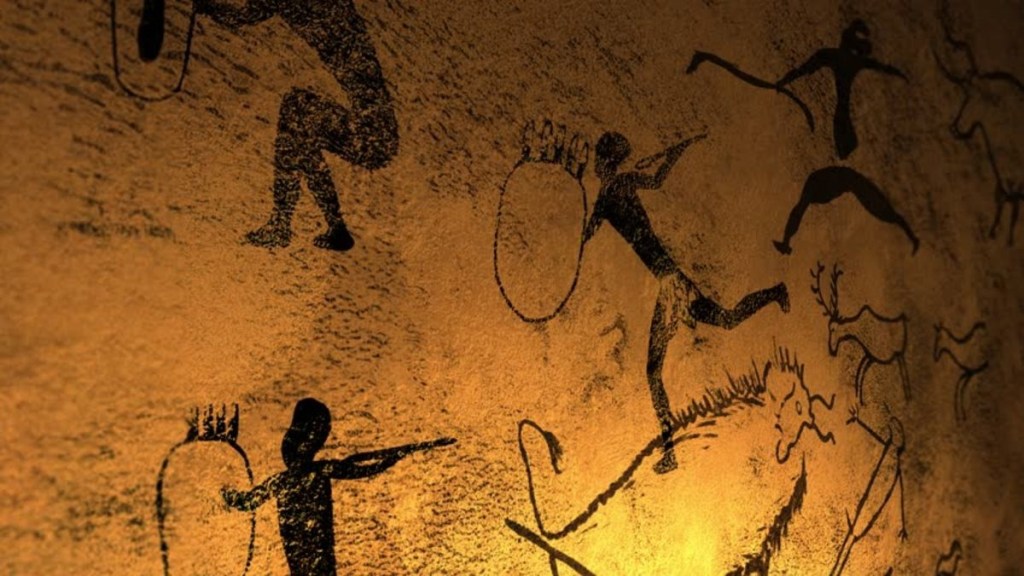
    The first Paleolithic cave paintings were found in France and Spain. Artists show us the hunt and the animals they hunted; bison and bulls, animals we’re well acquainted with, and the fearsome wooly mammoth we can only envision through pictures or the incomplete remains displayed at the exhibits in modern day museums. Did the artists really believe that to paint an animal was to capture its soul? Why would the artists isolate themselves deep within the caves that would have been devoid of natural light? Who was the first to discover that a lamp could be created by filling a hollow rock or the smooth shell of a skull with animal fat and locks of hair for burning? Who discovered that wicks could be created from pieces of dried moss? Did they truly believe themselves to be working some ancient form of magic, or were they merely men entranced by the realities of their own lives? We’ll never know. We can look for the symbols of things we’ll never understand, we can imagine their purposes, and through them we can see a world that no longer exists outside of the paintings that have miraculously escaped the passing of time.

    Lascaux Cave Painting

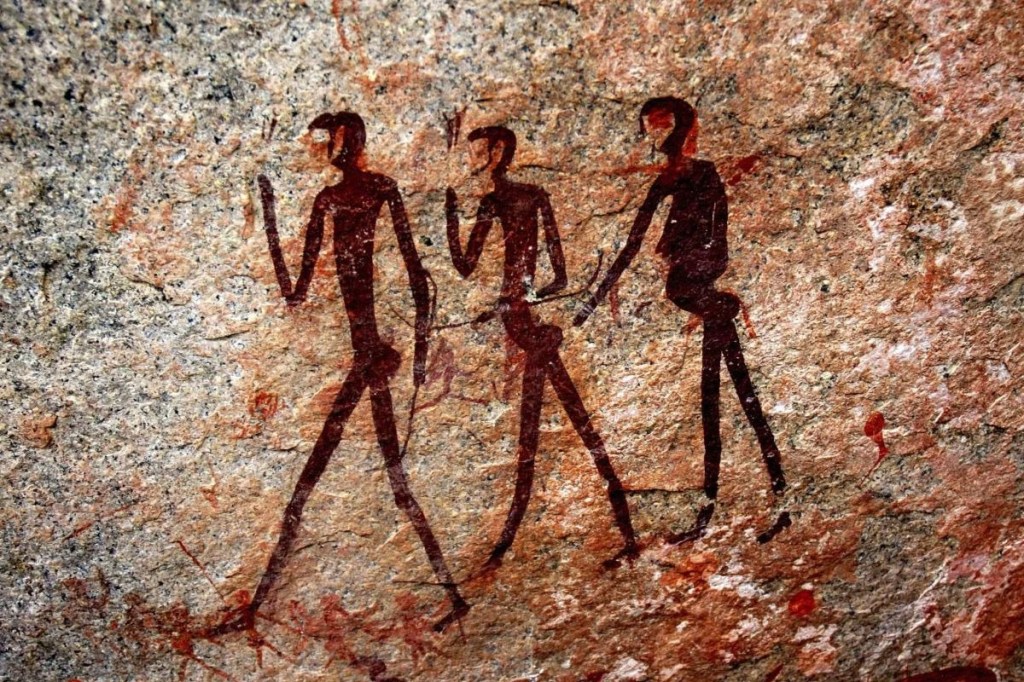
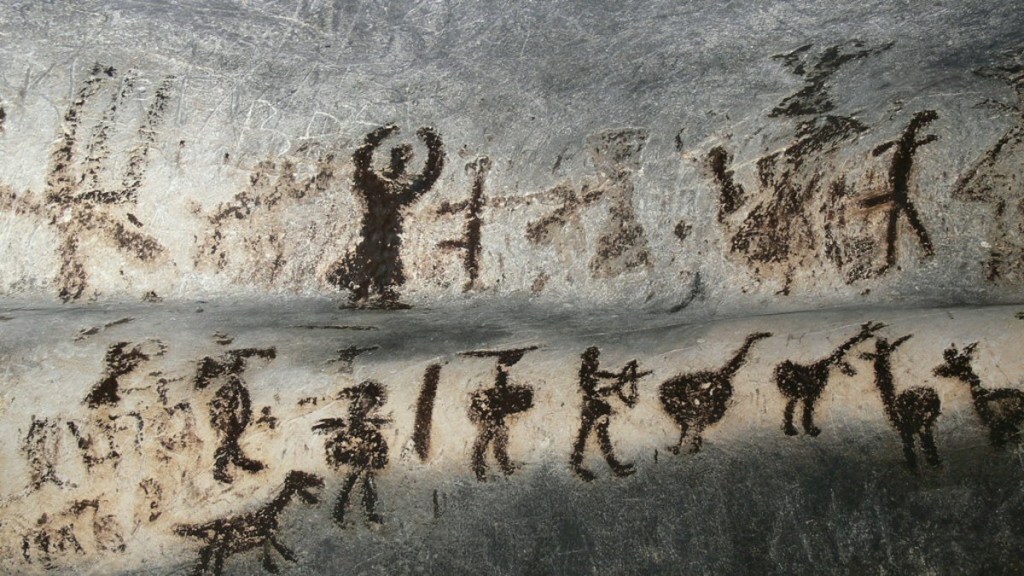
    Human Depiction

    Prehistoric cave paintings are virtually devoid of any human portrayal beyond that of the hunter, and he is seldom seen as more than a shadow, a part of the landscape. For years, it seems that the artists’ superstition that painting an animal robbed it of its soul also applied to humans. Therefore, individuals were not portrayed in that way. To paint was to do magic, to accurately depict an individual’s image would rob them of their soul. Superstitions originated in fear, and think about it… who would want to carry the fear of having stolen someone’s soul? Who would have believed themselves powerful enough to take on that responsibility or to test the anger of the gods? Who walked without fear.

    As the Paleolithic Era came to a close, new eras would move beyond those fears and dabble in forms of portraiture… but we will save that for another day.

    Magura Cave ~ Bulgaria

  • Hull House in Chicago, Illinois

    Jane Addams’ Settlement House

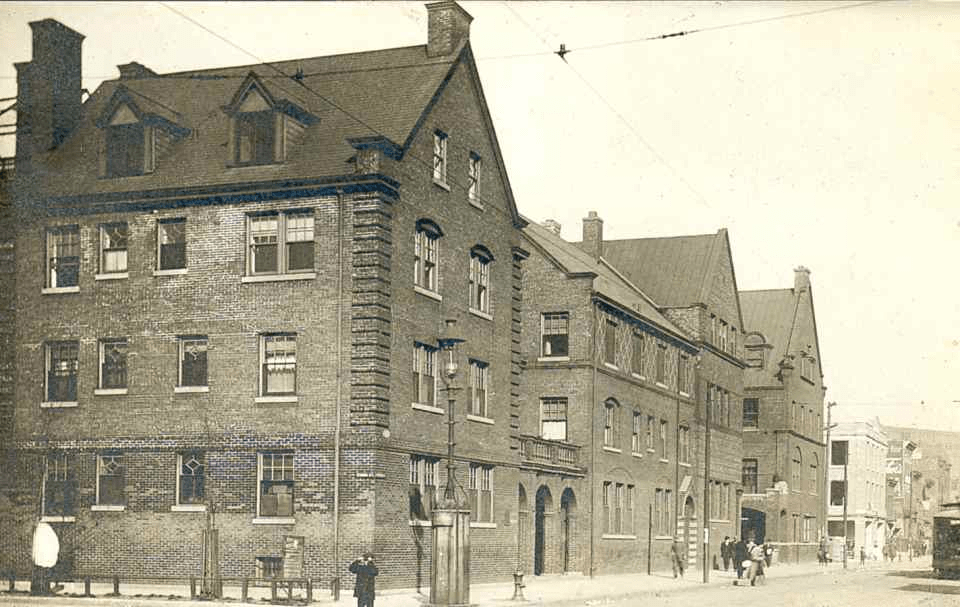
    On September 18, 1889, Hull House, which would eventually become America’s most influential settlement house, opened its doors. The project, initially funded with the inheritance left to (Laura) Jane Addams by her late father, John H. Adams, a prosperous miller who served in the United States Senate for sixteen years, would soon expand to become the Jane Addams Hull House Association.

    Notably, Jane’s dedication would make her the first woman in America to be honored with the Nobel Peace Prize.

    The Early Years

    Born in Cedarville, Illinois, Jane was the family’s youngest daughter. Her mother, Sarah, passed away when Jane was only three years old. After her mother’s death, Jane’s oldest sister Martha took on the role of caregiver, but Jane soon became her father’s shadow. She worked alongside him in the mill and became a voracious reader. It was only John Addams’ eventual remarriage in 1868 that separated the two, a separation that caused her to resent her new stepmother.

    During their marriage, John and Sarah Addams agreed that their daughters would attend college. Jane’s first choices were the eastern colleges of Mount Holyoke or Smith. Nonetheless, she would follow in her sisters’ footsteps and enroll at the Rockford Female Seminary. While there, Jane involved herself in everything from school politics to journalism and graduated at the head of her class. The years that followed would be full of self-reflection, travel, and the discovery of what she truly wanted to do with her life and of who she really wanted to be.

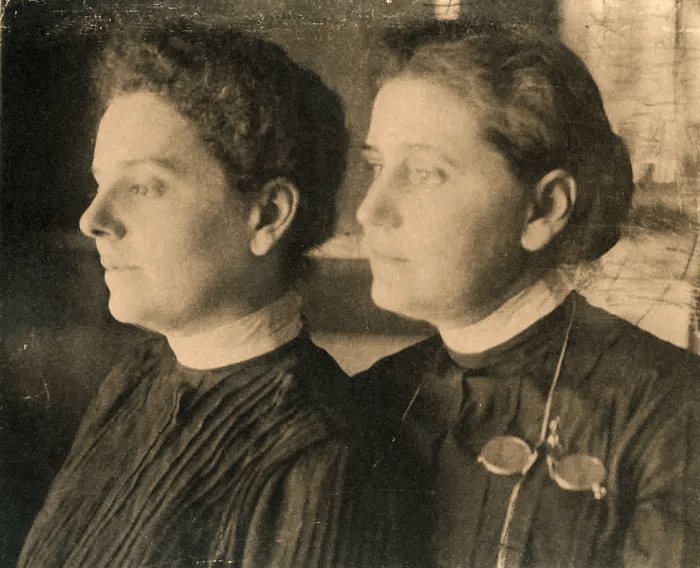
    Jane Addams and Ellen Starr

    Europe

    At the age of twenty-seven, Jane, at the urging of her family, toured Europe shortly after her father’s death. Her companion, Ellen Starr, was a friend from school. While in London, the two women visited a settlement house called Toynbee Hall, and it was there that Jane and Ellen realized their futures. Upon their return, they expressed their newfound purpose, which was to “provide a center for a higher civic and social life; to institute and maintain educational and philanthropic enterprises and to investigate and improve the conditions in the industrial districts of Chicago.” (1)

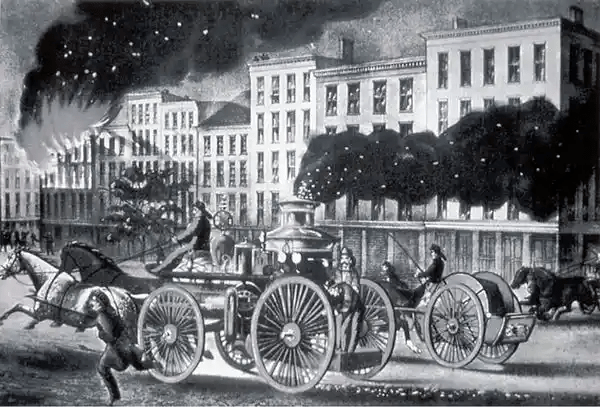
    Chicago- 1871- Chicago Fire

    19th-Century Chicago

    Chicago was a bastion of progress during the late 1800s, and the years following the Great Chicago Fire in 1871 found its boundaries expanding both vertically and horizontally. The Home Insurance Building claimed the honor of the tallest building (ten stories) and made its mark as the world’s first skyscraper. Business tycoons, George Pullman, Marshall Field, and Phillip Armour all called Chicago home and provided a wealth of jobs for its residents.

    Unfortunately, the boom in real estate, manufacturing, and transportation wasn’t enough to provide jobs for the mass of immigrants arriving in the city, hoping to fulfill their dreams. Poverty was abundant, and in response, Jane and Emma tackled the needs of the people living in the industrial neighborhoods of the city.

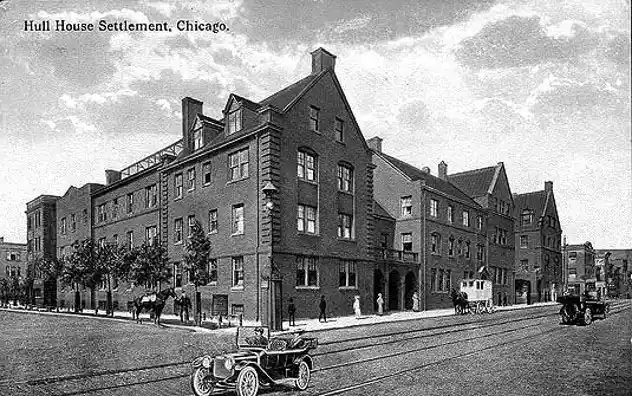
    Hull House

    After what seemed like a neverending search, the two women came across the Charles Hull Mansion, built-in 1856. Located at Polk and Halsted, the mansion, once home to Charles J. Hull, a wealthy real estate developer, was deserted, spacious and available for lease. It was also dilapidated and rumored to be haunted.

    Tales of the supernatural would lead numerous visitors to the settlement’s doors, only to be turned away. But the story of a “devil baby,” complete with cloven hooves, tail, and horns would continue to circulate and eventually make it onto Hollywood’s big-screen…… the title, “Rosemary’s Baby.”

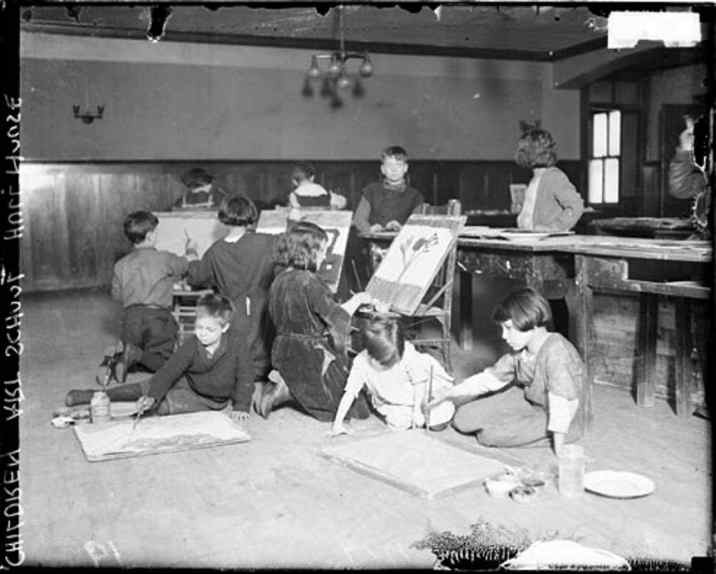
    In the beginning, Addams’ primary goal was to lessen the effects of poverty on those less fortunate. The doors of Hull House were open to everyone. Emma and Jane both believed that positive changes could be made in the Near West Side neighborhood, which would be beneficial to all. That they were correct in their beliefs is an understatement, and within a year, Hull House would be visited by more than 2,000 people per week.

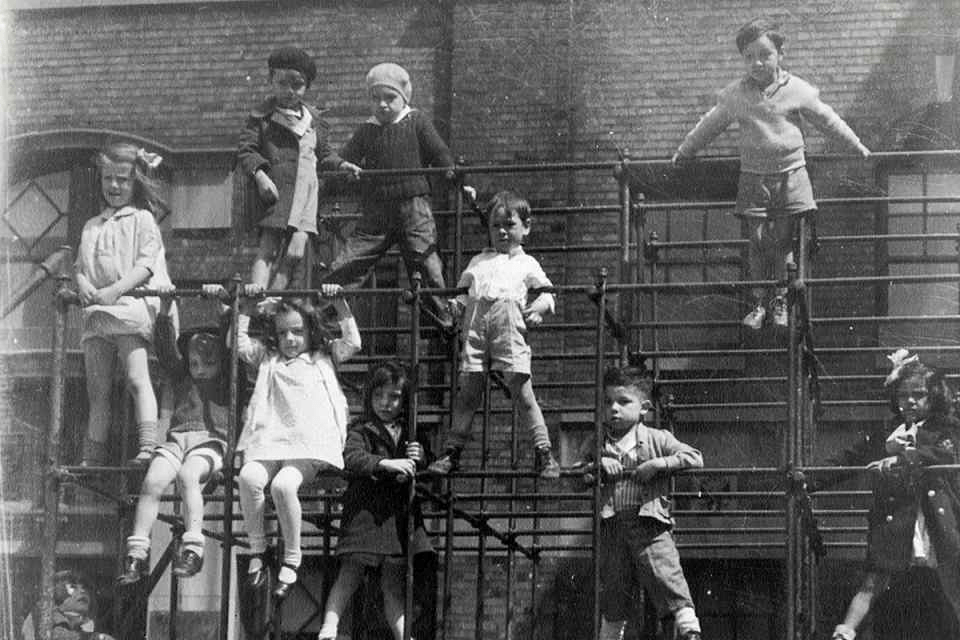
    Hull House provided food for the hungry, clothing for the needy, and medical attention to the sick and weary. A multitude of different ethnic groups learned about and from each other, at a time when 50,000 of the residents living in the 19th Ward were unable to speak English. In time, the Hull House settlement would expand to include thirteen separate buildings, which included a bathhouse, gymnasium, women’s lodgings, and Chicago’s first kindergarten. Its staff was hands-on and lived on site.

    By 1920, five hundred settlements would be founded across America based on the Hull House prototype. Jane Addams would remain at Hull House and serve as its head resident until her death in 1935; Hull House would continue her legacy and provide services to the area until it was pushed aside to make room for the University of Illinois campus in the 1960s. The Jane Addams Hull House Association was active until January of 2012, when it ceased operating.

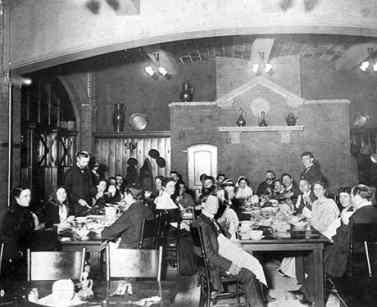
    Today, the Jane Addams Hull-House Museum is open to the public, and visitors are welcome to peruse two of the original settlement buildings, the Hull Home and the Resident’s Dining Hall. Group tours are welcome.

    Sources

    (1) Addams, Jane. “Page 112.” Twenty Years at Hull-House, with Autobiographical Notes . New York: Macmillan, 1910. N. pag. Print.

    “Rosehill Cemetery and Mausoleum.” : Charles J. Hull . N.p., n.d. Web. 20 June 2014.

    “Jane Addams.” Jane Addams . N.p., n.d. Web. 20 June 2014.

  • The British Museum, London

    Mesopotamia

    When we first think of modern-day Western Asia, our first thoughts are of a region barren of trees, a hot dry desert, a place of heat and sand, but it wasn’t always that way.

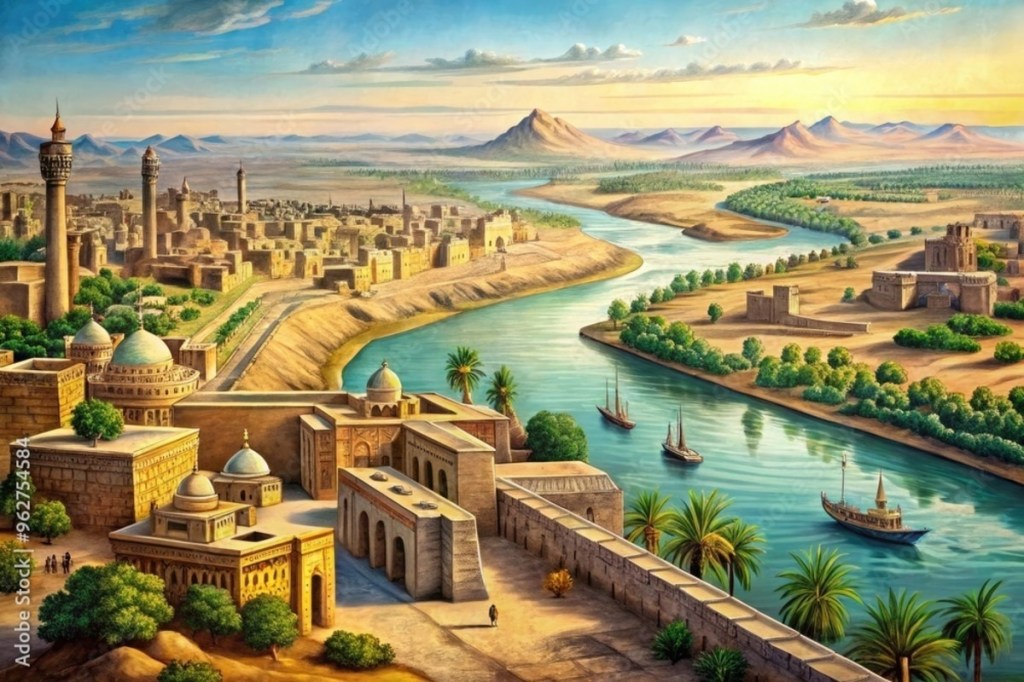
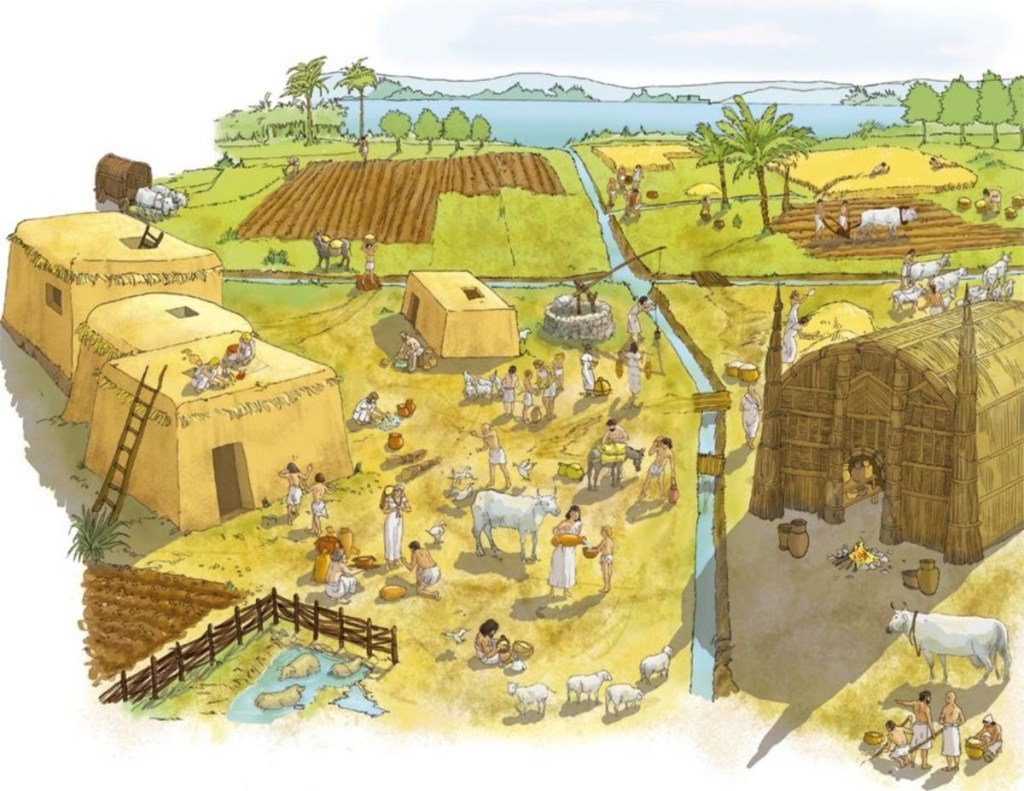
    History knows this region as Mesopotamia, the Land Between Two Rivers. It was a beautiful place, lush a green, a land of forests complimented by the two rivers that ran between its boundaries. Originating in the Taurus Mountains of what is now Turkey, the Tigris and Euphrates Rivers run through the plateau of northern Iraq, flowing southward into the Persian Gulf. These two rivers made it possible for one of the world’s first great civilizations to develop. Civilizations require water, as water is integral to survival, the development of agriculture, and also for transportation. The Fertile Crescent was rich with greenery and fresh water, but the water didn’t always cooperate. It wasn’t always easy.

    Euphrates River Ancient Mesopotamia

    The Tigris and Euphrates

    The Tigris and Euphrates Rivers made life possible in what was a very dry land, but they also caused destruction. Silt deposits, carried by the rivers, made the soil perfect for farming, but the rivers were needed for much more than the rich soil they provided. Rain was sparse during the spring and summer months, and the fear of drought was always a worry, but worse than the droughts were the floods that overflowed the banks of the river each fall just in time for the harvest. Flooding that not only destroyed crops, but lives and homes as well.
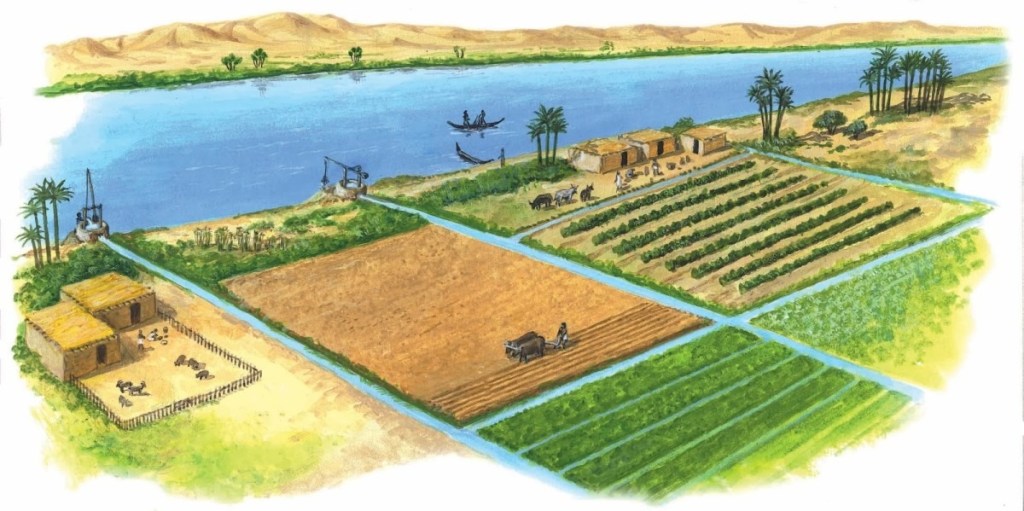
    Over time, the Mesopotamians learned to use the environment to their benefit. In order to protect themselves from flood waters, they built levees to hold back the water, which enabled farmers to supply their crops with the water they needed to flourish.

    Agriculture

    Archeologists have traced the first known instances of surplus farming to about 8,500 years ago. The Fertile Crescent boasted an abundance of wild plants, two of these plants being wheat and barley, which went on to become the region’s most important crops. The Tigris and Euphrates, combined with the development of irrigation, meant that farmers could harvest surplus crops, which in turn, supported larger populations. Small villages became cities, and those cities evolved into an established civilization.

    With the domestication of crops came new forms of domestication, and the domestication of animals expanded, something that was accompanied by the expansion of the people’s diets. Cattle, sheep, and pigs were found living in the wild and on the homesteads. Gardens reaped beans, onions, lettuce, cucumbers, and herbs that were used for cooking. Sheep could be found grazing in the fields and wandering throughout the orchards of date palm, apple, and pomegranate trees.

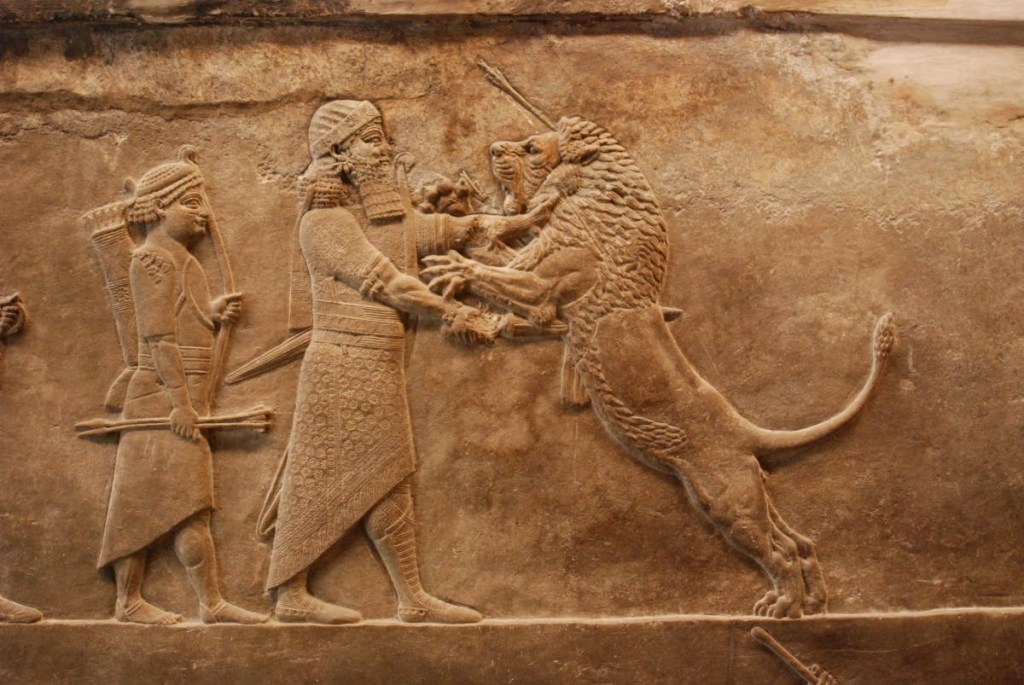
    Shepherds cared for the cattle and the sheep, as predators made it necessary for them to constantly stand guard. Loss of livestock was common, and those losses affected their owners greatly. Sheep supplied both milk and wool, cattle were needed as laborers, milk producers, and as a source of meat. Amazingly, lions were one of the area’s most common predators… you’d never find one there today. They moved onto other parts of the world… I wonder why?

    Cuneiform

    The early civilization of Mesopotamia was made up of a group of city states. The region of southern Mesopotamia was known as Sumer. One might wonder how this successful civilization came to be. The answer to that would be found in its people.

    Sumerians were great inventors. Think about the irrigation methods they conceived to promote successful farming, as well as the fact that it was the Sumerians who created some of the first wheeled vehicles.

    Wheels were used to transport goods and people; chariots allowed for quicker travel and gave their armies an advantage during times of war. They also invented sailboats, the pottery wheel, and contributed innovative ideas in the fields of math and science, but their most important invention of all is the written word. Their writing was called cuneiform.

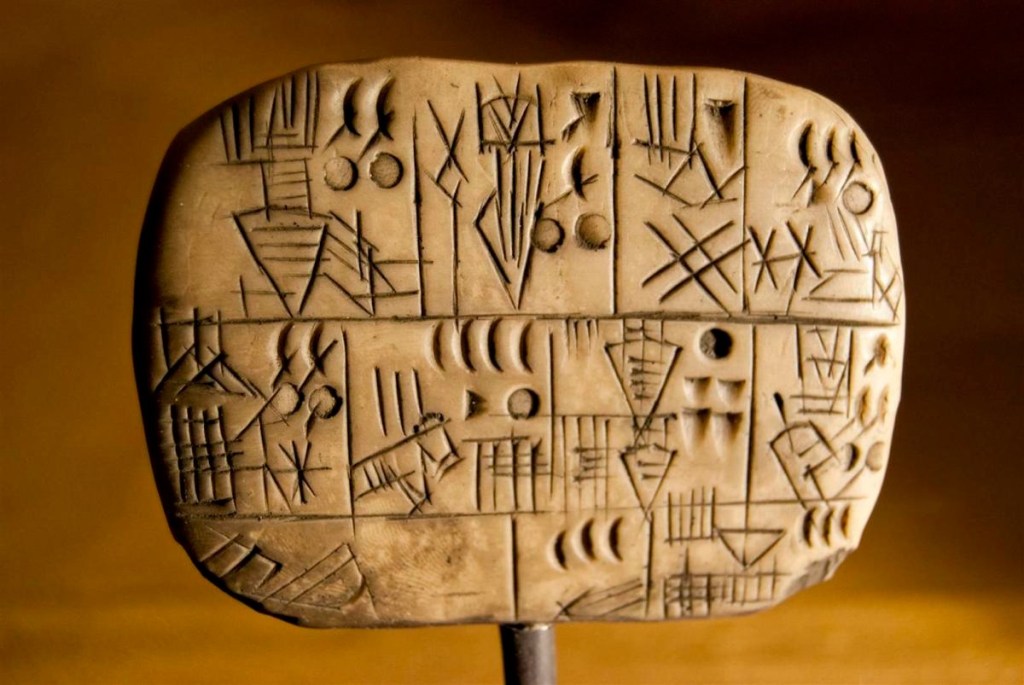
    Cuneiform, one of the earliest writing systems in the world, allowed the Sumerian people to keep written records. Written law, a letter from one ruler to another, business records, and even riddles have been unearthed. The oldest tablets originating from around the year 3500 BC.

    Cuneiform is made up of a series of approximately 500 symbols, all formed by picture writing, and similar to the pictographs we continue to use with young students today. The symbols depicted the things they described, but there were also symbols used to show sound or other objects. Simplification allowed for time efficiency; it made the art just a bit easier… a form of ancient shorthand, but I’m dating myself… we don’t use shorthand anymore, do we?

    Many scribes also served as teachers, but the students were most always boys. Girls weren’t allowed, and it would have been a rarity to see one in school. Student studies began with becoming adept at making clay tablets, as well as creating the pens that were made from the reeds growing along the riverbanks. After they conquered the art of tool making, they would move on to practicing the symbols and studying math in order to create accurate records. Graduation marked the students as scribes, official writers, and honor members of the community.

    Sumerian Daily Life

    The city-states of Sumeria flourished for a thousand years. Each city-state was self-governing, but they were often at war with each other. The constant battle for power amongst the city-states themselves caused the people to erect walls for protection, but the true reason behind their conflicts were the rivers. Everyone wanted control of the rivers, and there were specific areas along the rivers that were more desirable than others.

    So, the city-states began surrounding themselves with mud/brick walls. Gates were put in place to allow for easy entrance and exit. Local businesses would gather around the gates to sell produce and household wares, and the king’s palace… it stood in clear view of the gates and could be seen from most any part of the city.

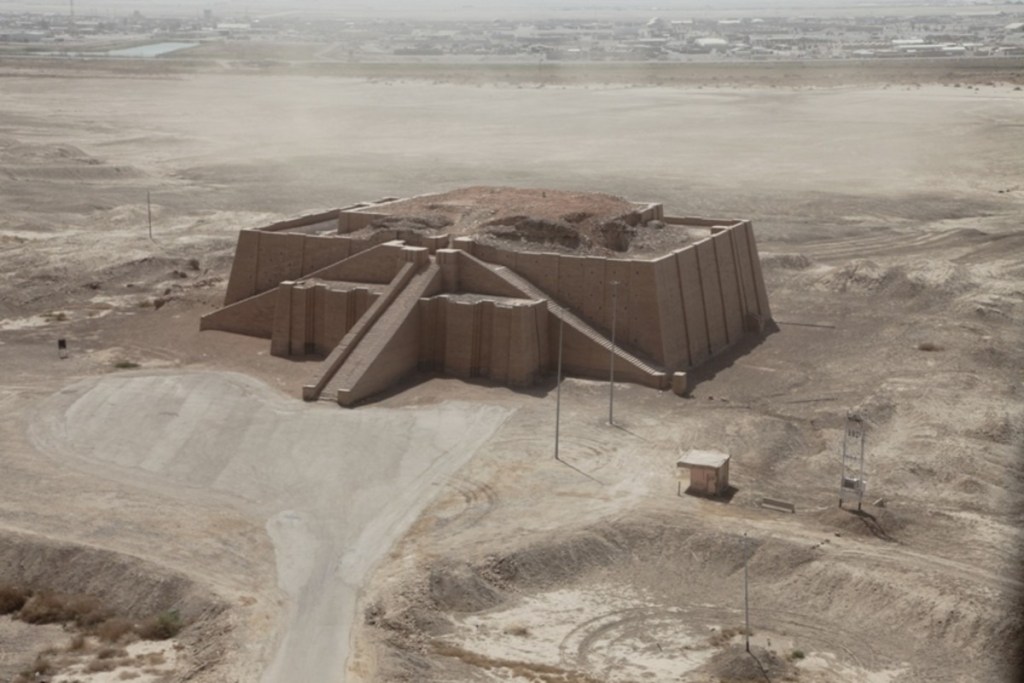
    The Ziggurat of Ur

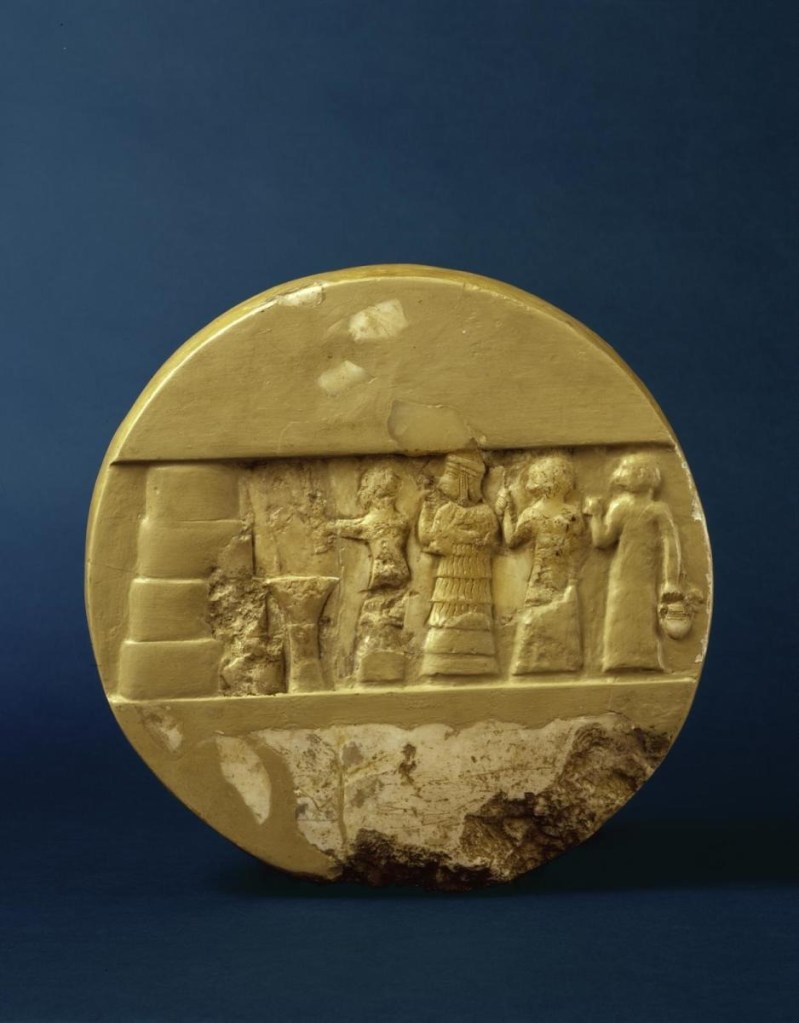
    At the center of the Sumerian city was the ziggurat, a tall pyramid-like structure that housed a temple on its flattened top. The Sumerians were polytheistic, and they worshipped many gods and goddesses, but each city had a special god, a god that they believed protected them from harm. One Sumerian temple hired nearly 6,000 women and children to weave cloth. The cloth was used to honor their goddess, and it went on to clothe both the workers in the temples and the statues housed within its walls.

    City life was simple. The wealthy lived in large houses, and their slaves and servants lived with them. Merchants arrived on a regular basis to sell prisoners taken during war, and those slaves were identified by the specific way their hair was cut… an ancient form of branding.

    Poor families worked. Everyone worked. Mud walled huts were called home, crafts were handed down from generation to generation, and reed mats were used for sleeping. Fathers were the head of the household in both rich and poor families. Wives were expected to be obedient, and they were expected to teach their daughters that same submission to the male authority figure.

    A woman might be allowed to conduct business, she might even be allowed to own land, but under no circumstances would she be allowed to divorce her husband. Only a husband could do that, and it was as easy as paying a fine. If you had the money, you could eliminate the wife.

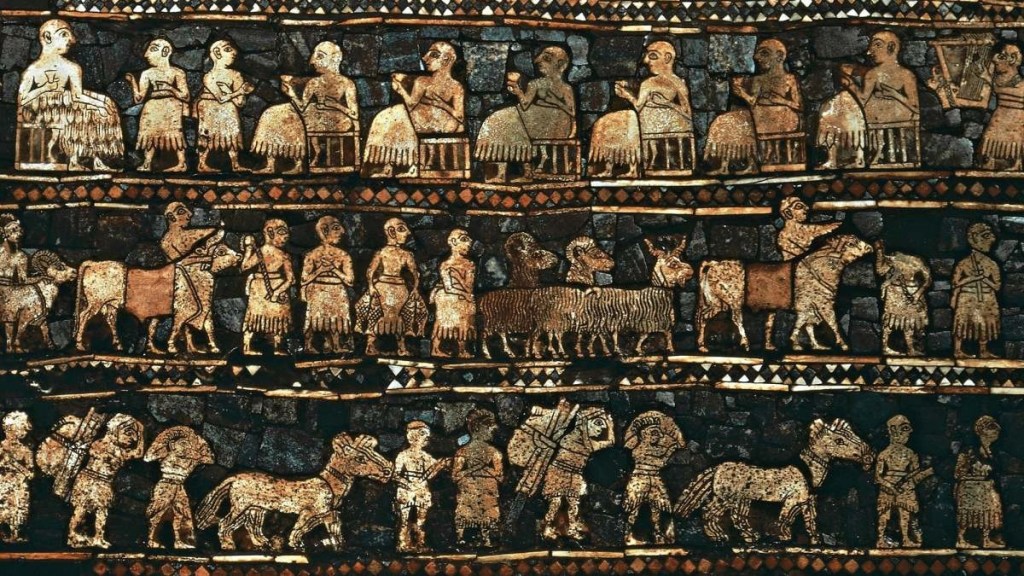
    Drudgery and hard work were a huge part of daily life for the citizens of Sumer, but they did make time for leisure. Festivals often filled the city landscape and were enjoyed by all, as were parades, dancing, and feasts. Board games became a popular way to spend the time, and storytellers drew enormous crowds. Gilgamesh, the greatest of the surviving stories, is still enjoyed today. Just think about the hero who began his journey seeking immortality… he never found what he was looking for, but his story is indeed immortal.

    Sargon

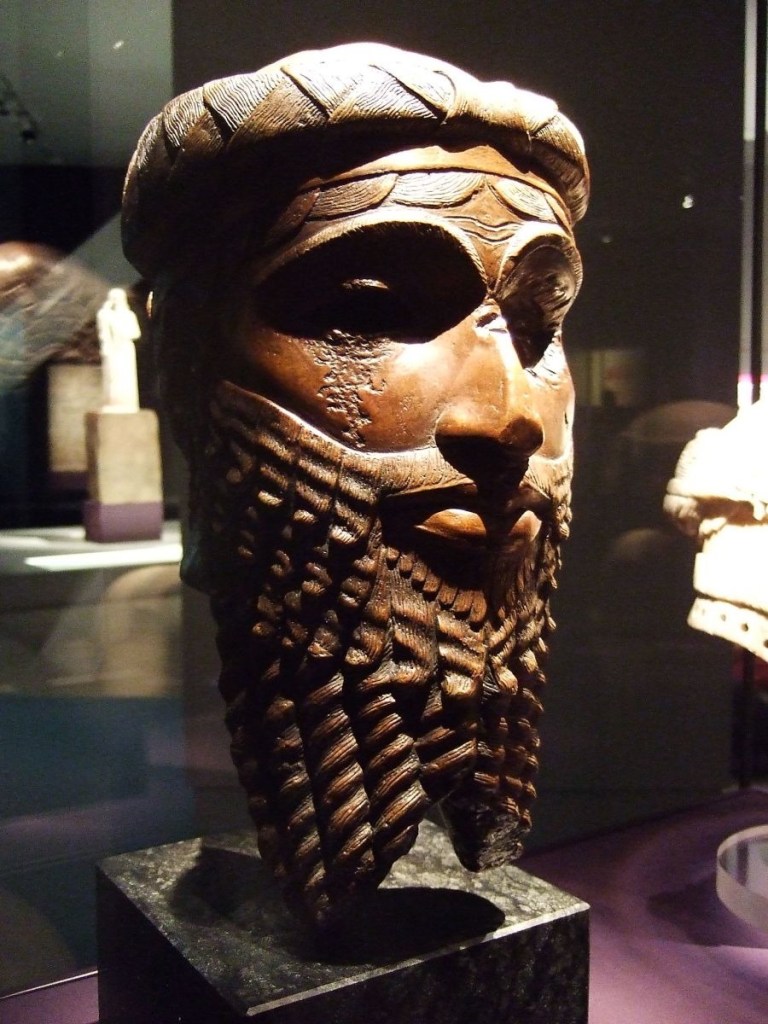
    In 2300 B.C., a new king came to rule in the state of Kush, his name was Sargon. Under Sargon, Mesopotamia became an empire. Sumer was united for the first time and war between the city-states ended. Soon after accomplishing peace in his homeland, Sargon went on to expand his dominion over a span of 900 miles. He compiled what became one of the first sets of laws, sent messages to ensure that his realm remained unified, and he opened up trade routes along the river. His empire thrived during the fifty-six years of his reign, but after his death it fell apart. Peace would endure for approximately another fifty years before a man called Hammurabi would come to power some 400 miles away, but that’s another story.

    So, we end with an excerpt from the poetry of Sargon’s daughter, Enheduana, one of the rare Sumerian women permitted to train as a scribe. The following is just a short portion of a poem she wrote in honor of the goddess, Inninshagurra.

    “The great-hearted mistress, the impetuous lady, proud among the Anuna gods and pre-eminent in all lands, the great daughter of Suen, exalted among the Great Princes (a name of the Igigi gods), the magnificent lady who gathers up the divine powers of heaven and earth and rivals great An, is mightiest among the great gods — she makes their verdicts final. The Anuna gods crawl before her august word whose course she does not let An know; he dares not proceed against her command. She changes her own action, and no one knows how it will occur. She makes perfect the great divine powers, she holds a shepherd’s crook, and she is their magnificent pre-eminent one. She is a huge shackle clamping down upon the gods of the Land. Her great awesomeness covers the great mountain and levels the roads.”

    In this passage, I think Enheduana speaks for the women of the time… of all time. She wasn’t just the daughter of a great man; she was a woman of great intelligence and foresight. She deserved to be trained, and she did herself proud. Sadly, most women weren’t afforded the opportunity. I wonder what history would reveal to us if they’d had that opportunity.

  • The Black Hawk War

    The Black Hawk War, like other wars throughout history, was not fought because of hatred and love for violence, but rather, for land. The US government wanted to expand its territory, and the Native Americans wished to retain their homeland. Treaties were signed, often peaceably, and yet, those same treaties were signed by individuals, who in some cases didn’t understand what they were signing… individuals who communicated the wrong information to their people.

    That Black Hawk despised those who accommodated the government’s demands is without question. Keokuk became his enemy, their enmity reaching as far back as the War of 1812 when Black Hawk left his village to fight on behalf of the British, while Keokuk remained behind looking to usurp Black Hawk’s position amongst his people. Black Hawk would take up arms, whereas Keokuk was showered with gifts. Keokuk led his people down the road of concession, all while Black Hawk staunchly supported resistance.

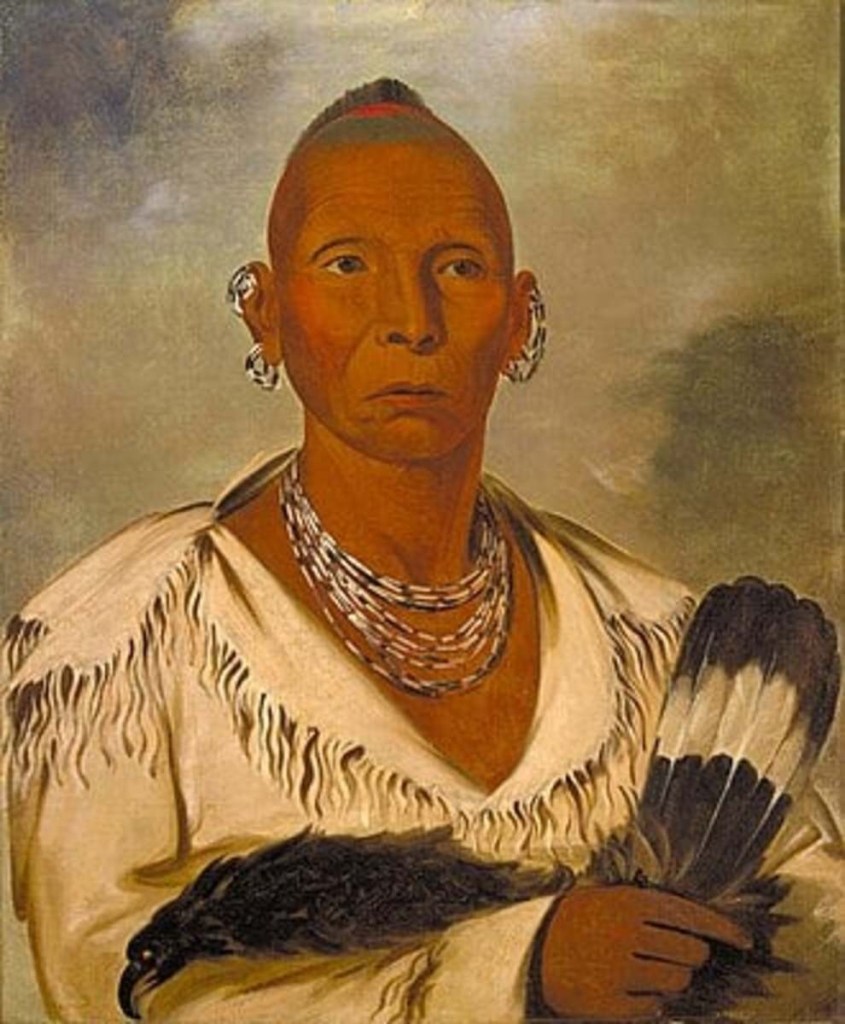
    Black Hawk, Painting by George Catlin

    The Treaty of 1804

    Black Hawk’s participation in the War of 1812 was preempted by one important ideal, land ownership, something that Black Hawk did not believe in and refused to acknowledge. The Treaty of 1804, upon which the US government laid claim to fifty million acres of land was hotly contested by Black Hawk and his followers, who saw the treaty as invalid, something that was signed as a result of misunderstanding, miscommunication, or possibly, something that was pure and intended deception from the start.

    Only five Native American leaders were present at the negotiations initiated by William Henry Harrison, the governor of the Indiana territory, and their presence in St. Louis had nothing to do with land. These representatives attended the discussions for one reason, and only one reason, the dispensation of justice and perusal of peace after an attack on settlers at the Cuivre River. The head men attended in order to pay retribution for the murder of three settlers, all men, who’d settled near the river illegally on Sauk land. As was the custom, the Native American leadership was prepared to offer compensation to the victims’ families, which if accepted, would settle the issue. Over and done… but it wasn’t.

    During this meeting Governor Harrison would play negotiator, promising things he had no right to promise and bargaining with men, who according to custom, had no right to be sitting in attendance, let alone putting quill to paper. Legal treaties required protocol. Invitations to the Tribal Council were a necessity not a choice, tribal meetings attended by all members of the tribe were mandatory not voluntary. Every man, woman, and child of the tribe were to attend, and everyone played a role in deciding the amount of land to be negotiated, as well as the selling price. Note, if the women were not included, not informed, or opposed the sale, the treaty would be deemed invalid. None of these protocols were followed in the signing of the Treaty of 1804, supporting Black Hawk’s claims that the treaty was fraudulent.

    Hope, Determination, and Betrayal

    Between the years of 1830 and 1832, Black Hawk’s people crossed back and forth over the Mississippi River multiple times. In 1832, he returned to his homeland with what is said to have been one-thousand men, women, and children, carrying with them stores of seed. His followers, who represented the Sauk, Fox and Kickapoo tribes, fully intended to resettle in the area they’d left behind. The land dispute continued, and war would ensue.

    Black Hawk, however, had no desire to wage war, and his decision to return was based upon promises of assistance by other Native American leaders. As additional militia arrived to assist Brigadier-General Atkinson at Rock Island, Black Hawk made it clear that he would not brook opposition to his people’s return. As Atkinson’s numbers grew, Black Hawk’s would diminish. Promises made to Black Hawk by White Cloud would be broken; he had no backing, no one would join him, and in response, Black Hawk knew that he had no other choice but to withdraw.

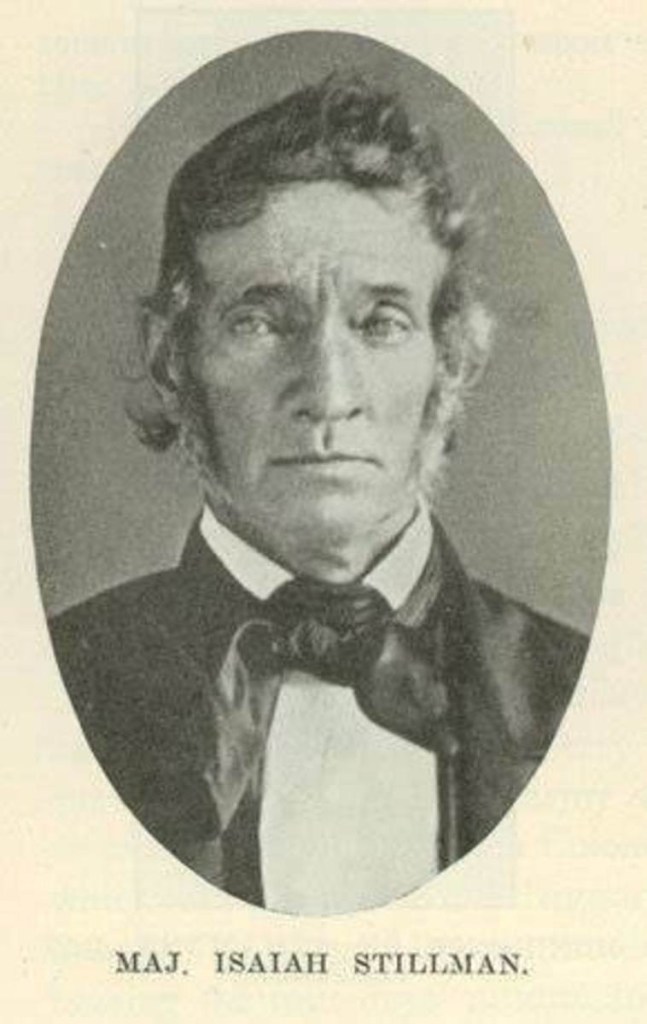
    The Battle of Stillman’s Run

    On May 14, 1832, Black Hawk’s tribe was in the midst of preparing for their journey back down the Rock River when they learned that Atkinson’s men were nearby. Black Hawk, who in his own words had already “resolved at once to send a flag of truce to Gen. Atkinson and ask permission to descend Rock river, re-cross the Mississippi and go back to their country….” then sent three of his warriors, carrying a white flag of truce, to arrange negotiations for their safe return. These negotiations never occurred, and the Battle of Stillman’s Run would ensue.

    This battle would be a distinct loss for the US militia, but in the end, the US government had no intention of being defeated. Hence, the name it will be remembered by in history, the Battle of Stillman’s Run, is a tribute (or mark of shame) to Stillman’s panicked flight toward Dixon’s Ferry, and the many men who were initially listed as missing, but who had in reality run back to their homes. Even Black Hawk was amazed by the fact that so few warriors could defeat the attacking militia, but in the end, he knew that his dream for peace had come to an end. This knowledge led to his retreat, which was hastily set upon to ensure the safety of the elderly, the women, and the children, all for whom he was inherently responsible.

    Black Hawk would take his people north, searching for food and sanctuary. According to Black Hawk, “This violation of a flag of truce, the wanton murder of its bearers, and the attack upon a mere remnant of Black Hawk’s band when suing for peace, precipitated a war that should have been avoided.” Sadly, he could no longer avoid the repercussions that would follow any more than he could avoid the militia that pursued him.

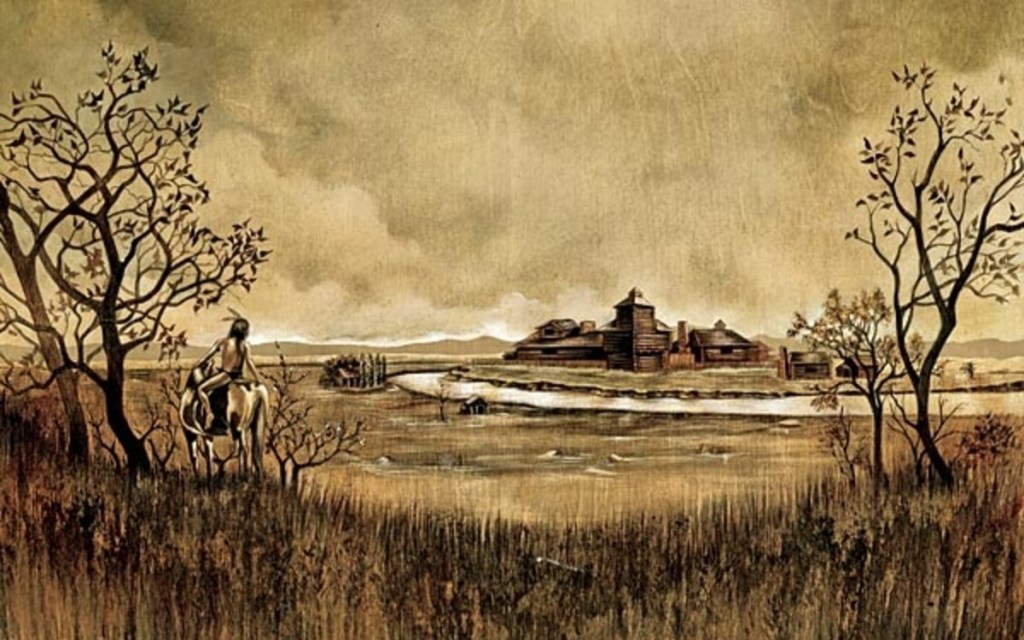
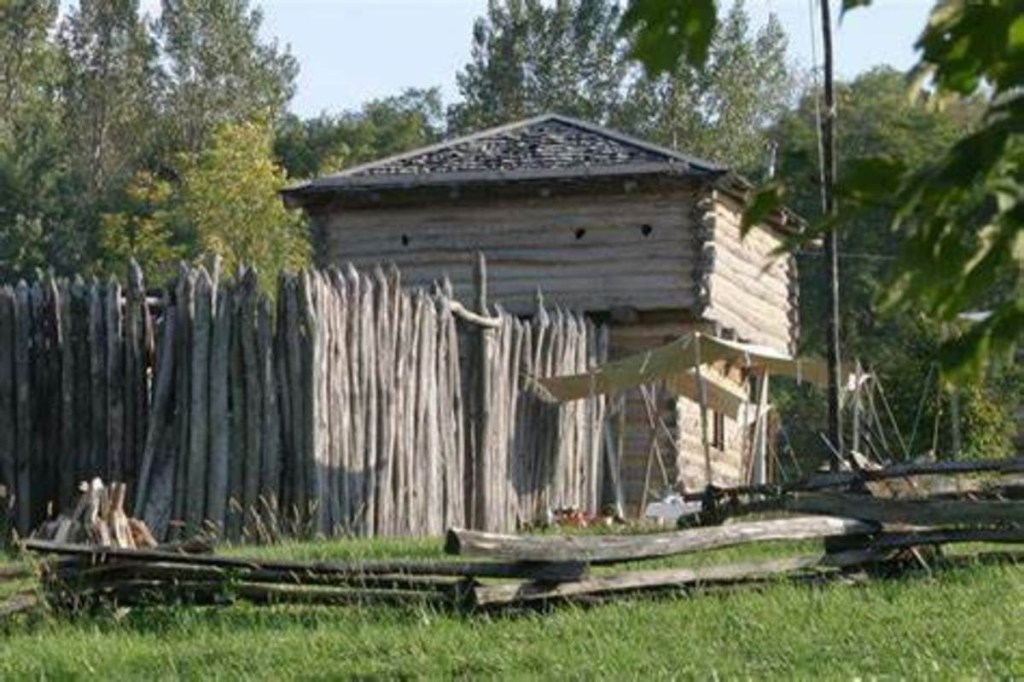
    Apple River Fort Historical Site

    The Battle of Apple River Fort

    Black Hawk received no support from the other tribes, but then again, he did not expect it. White Cloud’s lies had placed Black Hawk in a precarious situation that left him biding his time. Well aware that he couldn’t hide forever, Black Hawk continued his trip north. During this time, skirmishes and attacks on white settlements would ensue. Small groups of warriors from other tribes would defy their leader’s pledges “to take no part in the war,” attacking settlements, taking hostages, and stealing horses.

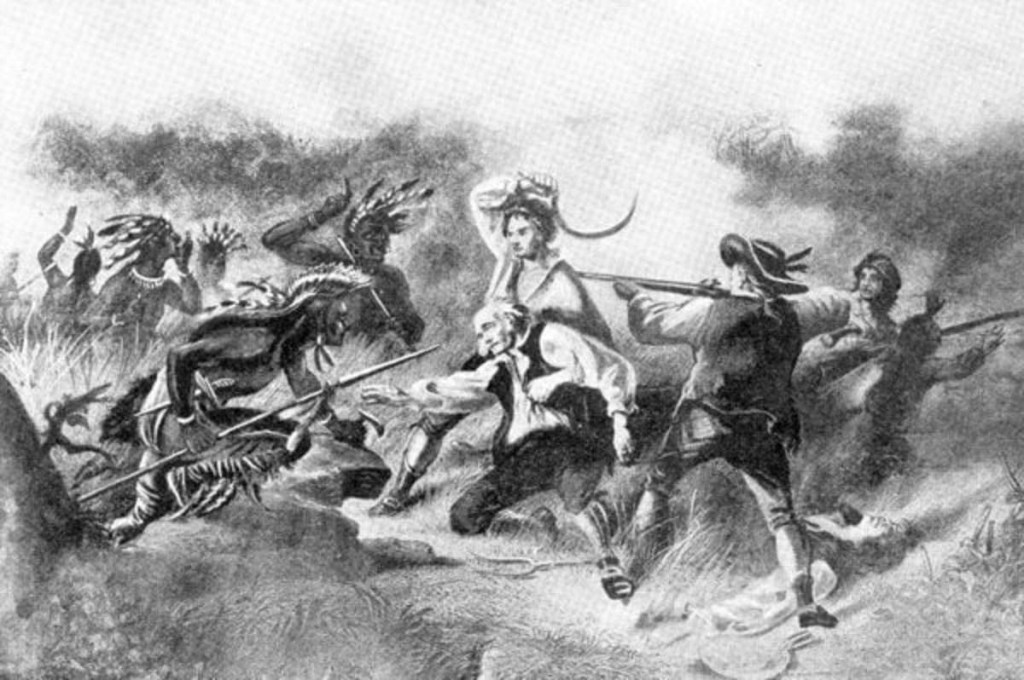
    In June of 1832, these rogue bands would keep the militia busy, all while Black Hawk continued moving. This isn’t to say that he didn’t participate. On June 23, 1832, Black Hawk and his warriors attacked Apple River Fort near Galena, and while the braves surrounded the fort, the militia, under command of Captain Stone, prepared their defenses. Every port hole was manned by a sharp-shooter, and while some of the women busied themselves melting lead for bullets, others conveyed those same bullets to the men during the hour-long battle. Aware that he couldn’t impregnate the fort without drawing a larger group of militaries, Black Hawk decided that pillage was his only choice, thus, he ordered his men to take whatever they could carry before removing themselves from the area.

    Kellogg’s Grove Battle Site

    Kellogg’s Grove

    Rumors of sightings would lead the militia to Kellogg’s Grove, where Black Hawk’s men would attempt to ambush a group of soldiers as they departed the fort. The ambush was unsuccessful, an event that would lead to the pursuit of Black Hawk by Major John Dement and the soldiers under his command. Shortly thereafter, General Winfield Scott was ordered to travel with an additional eight hundred members of the U.S. Army via the Great Lakes to Chicago. His troops would never join Dement because of a cholera outbreak onboard the ship that would claim the lives of more than three-quarters of his troops.

    On July 21, 1832, General James Henry and Colonel Henry Dodge would find evidence of Black Hawk’s tribe near the Wisconsin River. The evidence itself spoke to the condition of Black Hawk’s people. Pots, blankets, and other items littered the path on which they departed, hunger and exhaustion had forced them to lighten their loads in order to keep moving. Those who couldn’t keep up were left behind, dead or dying, and those who were dying were promptly killed by their pursuers.

    Many of those who survived the initial flight were killed in battle or drowned while attempting to cross the river. Mirroring the violence attributed to the Native American warriors, Dodge and Henry’s men would take tokens from the battlefield, the scalps of nearly forty braves. Napope sought Dodge out early the next morning to attempt negotiations. Henry Dodge’s response, “Be assured that every possible exertion will Be made to destroy the Enemy crippled as they must be with their wounded and families as well as their want [lack] of provision supplies.”

    The Battle of Bad Axe

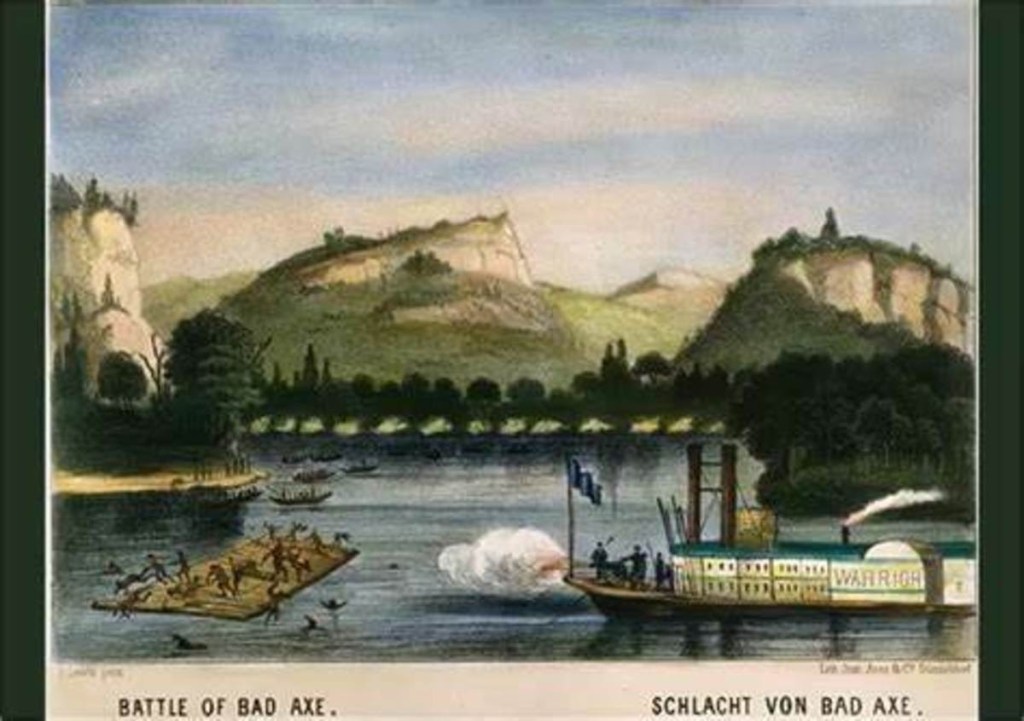
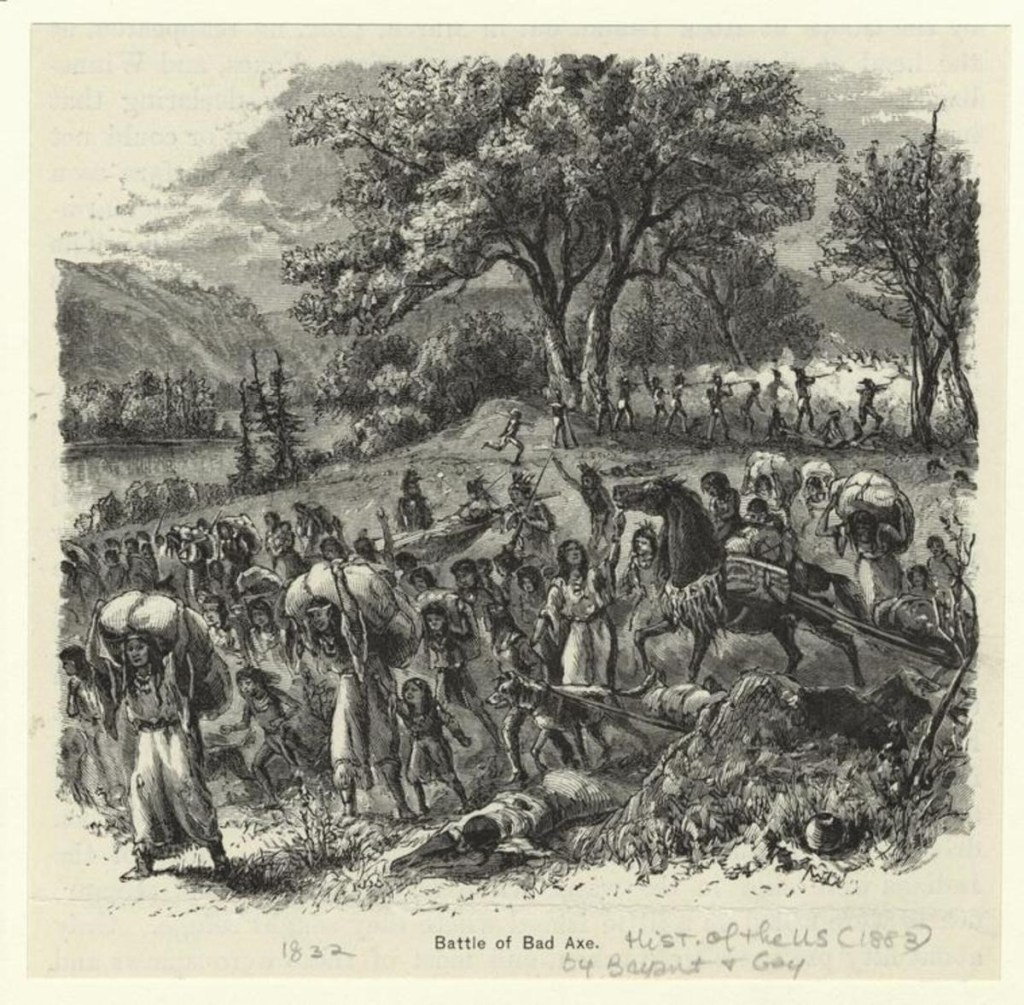
    The disintegration of Black Hawk’s men wouldn’t deter the militia from achieving their purpose. His people, starving, exhausted, and without hope, would continue on their way toward the banks of the Mississippi, and the militia, well fed and well cared for would continue to follow. On August 1, 1832, Black Hawk and his people would arrive on the eastern bank of the Mighty Mississippi near Bad Axe, where a council would be held. Leaders present at the council advised breaking up the group and heading north in smaller bands. The people, however, disagreed and immediately began to construct rafts and canoes, some even managing to set off for the other side before the arrival of the Warrior, an armed steamboat that was returning from its mission to deliver a message to the Sioux.

    The steamboat’s arrival changed everything. Faced with the arrival of the boat, artillery, and twenty soldiers, the attempts to evacuate were aborted. More importantly, Black Hawk would step forward once again to give himself up… to surrender for the good of his people, and once again his attempts would be misunderstood, ignored, or possibly both. What we know is that Black Hawk himself waded into the water carrying a white flag, as he tried to communicate with the soldiers manning the steamboat. It is well recorded that he remained there for ten to fifteen minutes, with his white flag raised, before the men on the ship, unprovoked, opened fire on the nearby Sauks and Foxes, killing at least twenty-five before the Warrior was forced to disengage and return downriver to refuel. For the third time, Black Hawk’s attempts to surrender had been ignored, and as noted in his autobiography, “After the boat started down the evening before, Black Hawk and a few of his people left for the lodge of a Winnebago friend, and gave himself up. Thus ended a bloody war which had been forced upon Black Hawk by Stillman’s troops violating a flag of truce, which was contrary to the rules of war of all civilized nations, and one that had always been respected by the Indians. And thus, by the treachery or ignorance of the Winnebago interpreter on board of the Warrior, it was brought to a close in the same ignoble way it commenced—disregarding a flag of truce—and by which Black Hawk lost more than half of his army. But in justice to Lieut. Kingsbury, who commanded the troops on the Warrior, and to his credit it must be said, that Black Hawk’s flag would have been respected if the Winnebago, who acted as his interpreter on the boat, had reported him correctly.”

    The End of the War

    The morning after Black Hawk’s attempted surrender, the Native American leader would once again find himself traveling northward, hoping to take refuge among the Ho-Chunk and Ojibwe, where he would officially surrender a few days later. Those who refused to accompany him faced another battle, waged or not waged against the troops that had gathered along the bluffs during the night to attack them from behind. Taking no prisoners seems to have been a priority for the militia, as anyone present on the shoreline was indiscriminately killed, men, women, and children. Later that morning, the Warrior would reappear firing its cannon at those who attempted to swim to safety. Those who made it to safety were summarily killed by the Sioux who were working with the Americans against their long-time enemies.

    Although this battle ultimately marked the end of the war, the search continued. It would be almost a month before Black Hawk and White Cloud would officially surrender to the Winnebago agent, Joseph Street, at Prairie du Chien. Afterward, the Native Americans would be transported by steamboat to Jefferson Barracks in St. Louis where they would remain for seven months before an official visit in Washington D.C. and their final journey to Fortress Monroe in Virginia.

    Sketch by George Catlin

    The End of the Story and The Birth of a Legacy

    Along the way, the prisoners would be greeted by huge crowds and lauded individuals like writer Washington Irving, and the artist, George Catlin, who sketched the men and portrayed them as instructed… in their chains.¹ They would meet with then President Andrew Jackson and be taken on a tour that included Baltimore, Philadelphia, and New York before journeying further west over the Erie Canal and into the Great Lakes region. Black Hawk would recount his life story while imprisoned at Fort Armstrong, leaving behind his version of the events that shaped his life, as shared with Antoine LeClair, a mixed-race interpreter, and later translated for publication by J. P. Patterson, a newspaper editor. The autobiography is authentic and subjective, how could it not be? As for reliability, it is only as reliable as its translation and the intent of its translators allows. Regardless, it is a fascinating read.

    Black Hawk was released from prison in 1833. He spent the rest of his life living quietly in Iowa amongst his people, where he was admired by his neighboring settlers, and often invited to attend legislative hearings at the territorial capital. Black’s last public appearance would take place on July 4, 1837. A year later, he gave a speech in which he conceded, “I thank the Great Spirit that I am now friendly with my white brethren”.

    Black Hawk died on October 3, 1838, and was buried on the banks of the Des Moines River. Buried in full military uniform, a gift from General Jackson during a visit to Washington D.C., an American flag was raised at the head of his burial plot. Black Hawk’s story on the other hand, will live forever.

    Sources:

    ¹ Special note: I was unable to find even one sketch portraying Black Hawk in chains.

    blackhawkpark.org

    digital.lib.niu.edu

    wisconsinhistory.org

    Autobiography of Ma-ka-tai-me-she-kia-kiak, or Black Hawk

    britannica.com

  • Massacre at Fort Dearborn

    University of Chicago

    Looking Back

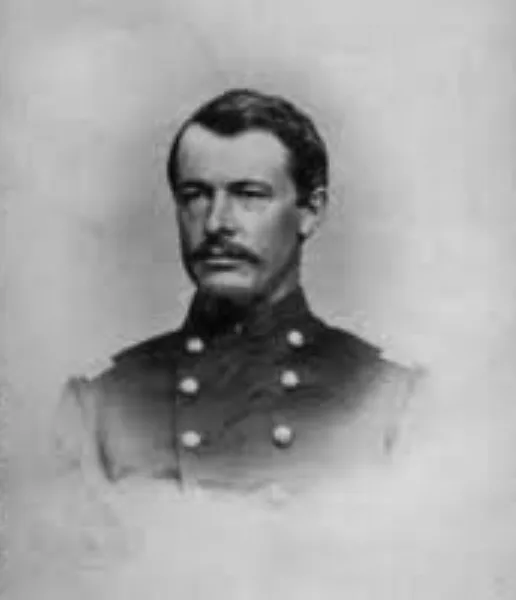
    To recap my first installment, Mud Lake: The Future Home of Fort Dearborn, Captain Whistler, who planned and constructed the first real settlement at Fort Dearborn, was called back to Detroit in 1810. He was replaced by Captain Nathan Heald, who is best remembered for being in charge of Fort Dearborn at the time of the Fort Dearborn Massacre in the year 1812.

    Captain Nathan Heald

    Heald, reputed to have been meticulous in his record keeping and disciplined in his actions, expected no less from his men. Unfortunately, his men were used to a more relaxed atmosphere, and they resented Heald’s adherence to military regulations and lack of independent thought, something that can be seen in two ways. One, as a military officer he followed the orders of his superiors (or not), which is not only expected but required. Two, Heald doesn’t seem to have reached out to his superiors to question their plan (orders). If he was uncomfortable or unsure, why not voice that discomfort?

    Sadly, Heald’s inability to make decisive plans that he would actually follow through ultimately interfered with his ability to take control of a situation that was his responsibility to control. His lack of independent thought and action contributed to the disaster that would eventually overcome the Fort and its inhabitants, and this is where we begin.

    President James Madison

    history.com

    War…. again

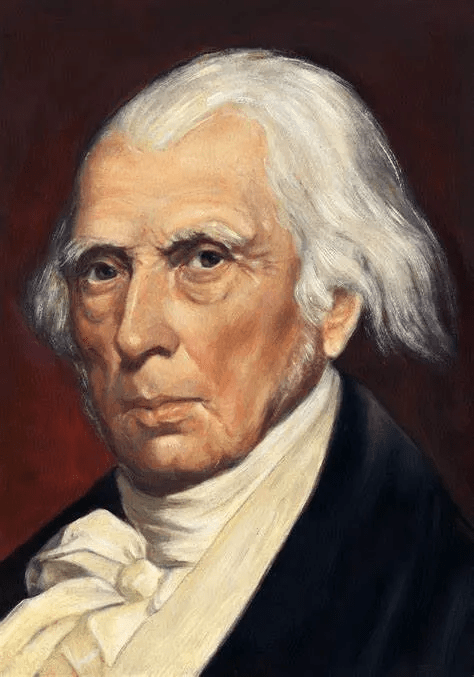
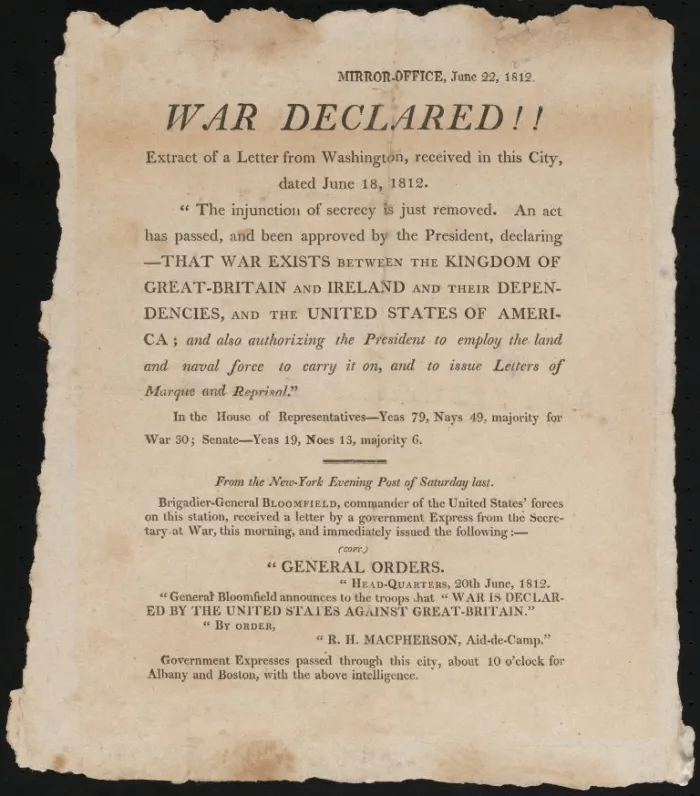
    The Fort Dearborn Massacre was preempted by the War of 1812, a three-year war between the Americans and the British…. a war that is often referred to as America’s “second war of independence,” a war that was officially declared by President Madison on June 18, 1812, a mere two months before Heald’s abandonment of Fort Dearborn.

    So, what was everyone fighting for? America had won its independence from the British in 1776, but had it truly won its freedom? At the start of the 19th century, the British were involved in a longstanding war with Napoleon, and America became a pawn in their war, why? Well, that’s simple… let’s start with trade and supplies. Both France and England traded with America, and they both wanted trade with America limited to themselves. England and France both attempted to block America from trading with the other. England went so far as to require licensing for neutral countries that desired to trade with France or its colonies. England also engaged in impressment, the removal of American seamen from U.S. merchant vessels and forcing them to serve with the British forces.

    In May of 1810, around the time that Heald took charge of Fort Dearborn, the United States Congress passed a bill that they believed would solve their problems with trade. The bill stated that if either Britain or France would drop their trade restrictions against the United States, the United States would in turn, stop trading with the other power. Napoleon implied that he would acquiesce. In response, President Madison blocked all trade with Britain.

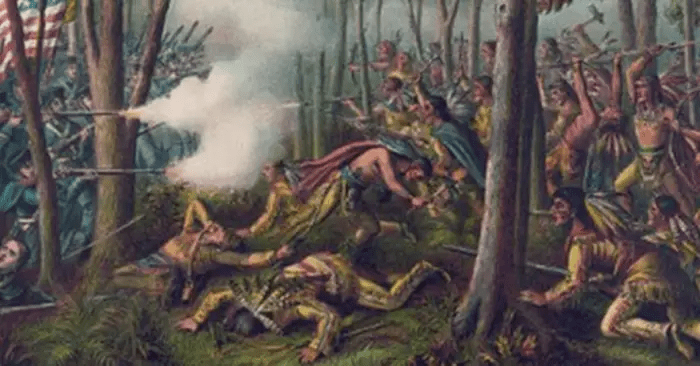
    Fast forward to 1811 and the Battle of Tippecanoe, a battle in which the Shawnee chief, Tecumseh, who’d been rallying his people to resist white expansion planned an ambush on Governor Harrison’s troops the morning of what was supposed to be a scheduled council. It is important to note, however, that Harrison’s appearance in what would become central Indiana, was not intended to be a peaceful sojourn. His visit to Prophetstown,” named for Tecumseh’s brother Tenskwatawa, “the Prophet,” was a military expedition. Its goal… to destroy Prophetstown, which had become the home base for the Native American confederacy.

    Declaration of War

    USS Constitution Museum

    Prophetstown

    Harrison’s army was met by one of Tenskwatawa’s men, who carried a white flag and proceeded to relay Tecumseh’s desire for a ceasefire and subsequent parley with Harrison. Harrison agreed, and though he was skeptical, took his men to set up camp about a mile from Prophetstown, having no idea that Tecumseh was nowhere near Prophetstown. Tecumseh could not attend a parley… he wasn’t there. Tecumseh, in fact, had warned Tenskwatawa to refrain from attack, to refrain from inciting a war they were not yet prepared for. His brother didn’t listen.

    Early the next morning, Tenskwatawa’s warriors surrounded Harrison’s encampment and breached their defenses. Harrison’s men, who were well trained and well prepared, defended their positions and after a few short hours forced the Native Americans to retreat. Harrison would later note the effectiveness of Tenskwatawa’s ambush and described it as “a monstrous carnage,” but not decisive. In the end, Harrison burned Prophetstown to the ground. His actions destroyed Tecumseh’s dream of establishing a Native American confederacy. In turn, they also cemented Tecumseh’s alliance with the British, an alliance that would play a major role in the British army’s success in the Great Lakes region during the War of 1812.

    The Battle of Tippecanoe

    William Hull

    So, what really prompted the Native American alliance with the British? It wasn’t instantaneous, it wasn’t planned. It was something that grew over time. Possibly a result of misperceptions? Misunderstandings? Deceit? Lack of vision? Opinions are diverse, so let’s try and look at the facts.

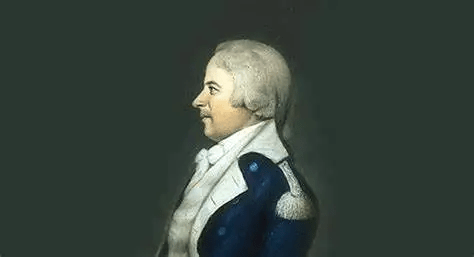
    Thomas Jefferson appointed William Hull as the first Governor of Michigan in 1805. Hull was a graduate of Yale, a celebrated war hero (the American Revolution), a lawyer, a judge, and a state senator all before accepting the position of governor. He was well qualified for the position, but yet, he had much to learn about walking a fine line between the Native Americans and the ever-expanding numbers of settlers moving into his territory.

    Hull’s purpose as governor might seem to be simple: negotiate with the Native Americans and acquire land for settlement… peacefully. In some respects, Hull was successful. The Treaty of Detroit, for instance, annexed a large area around what would later become Toledo, Ohio from the Wyandot and Potawatomi nations. Unfortunately, the sheer number of settlers flocking into the area within a very short period of time angered the Native Americans, causing a resentment that would only grow in intensity. Enter Tenskwatawa and Tecumseh, two brothers who’d experienced war, the loss of family members, and regular relocation. Two members of the Shawnee, who’d seen their tribe slowly grow apart… brothers who were determined to reestablish and unite the tribes into one coalition. Some embraced the brothers’ ideals, others resented what they considered to be crossing tribal boundaries.

    As time went on, the Native American resistance grew, a fact that led to Hull’s commission as Brigadier General during the War of 1812. Note, Hull was not a young man at the time of his commission… he was sixty years old, and for the most part, he’d led a comfortable life with all of the perks that accompanied his titles. His new appointment, however, was anything but “comfortable”. Tasked with heading a portion of the Ohio militia in the Invasion of Canada, Hull found himself in the midst of something he was ill prepared for and something that would tarnish his reputation amongst his contemporaries, as well as his place in history.

    Governor William Hull

    The Invasion of Canada

    The Invasion of Canada was for all intents and purposes a complete train wreck, and Hull, at the head of the campaign, faced a monumental failure. Plans for the invasion were hurriedly laid out and executed without a backup plan. The militia itself lacked discipline and training, in addition to the fact that they were poorly supplied. In contrast, the British were ready and able to defend Canada. Assisted by the Native Americans and British intelligence, the British forces easily tracked Hull’s movements and gained access to his plans; they also captured a good portion of his supplies. The militia made it as far as Amherstburg before Hull decided that he didn’t have enough weaponry or naval support to complete his mission, a belief that led to his retreat to Fort Detroit and his eventual surrendering of the fort to the British. One of his officers is even recorded as having said, “He is a coward…and will not risk his person.”

    On July 17, 1812, shortly after taking control of Fort Detroit, the British moved on to capture Fort Mackinac. Not a single shot was fired, and the fort, which had belonged to the Americans since 1796 was once again held by British and Native American forces. More importantly, this event marked the official starting point of the War of 1812 in the Great Lakes Region.

    The Straits of Mackinac provided access to both Lake Huron and Lake Michigan, allowing the British to move quickly, as water travel was far quicker than moving over land, providing the British and Native American forces with something the United States had thrown away without a fight. Note, the garrison had not yet been informed of the United States declaration of war against Great Britain.

    Due to Fort Mackinac’s location, it was an isolated post, and Lieutenant Porter Hanks of the U.S. Regiment of Artillery, who commanded the post only had sixty-one men in his garrison. Thus, when Hanks was apprised of the situation, he had to digest two important facts; his country was at war, and the fort for which he was responsible was the intended target of the 600 British soldiers, Native American warriors, and Canadian militia who lay in wait. Why Hanks, who had noticed large groups of Native Americans passing Mackinac Island and was said to have been suspicious, didn’t act on his suspicions is something we do not know. What we do know is that the British were gathering forces a mere forty miles away on St. Joseph Island, and that on July 16th they paddled their way to Mackinac, where they arrived at 3:00 am on July 17th… alerting no one.

    Once the British, under the command of Captain Charles Roberts, had their cannon in place, and their men prepared for attack, Roberts sent Hanks a note asking for him to surrender the fort and warning him to do so in order “to save the effusion of blood, which must of necessity follow the attack of such Troops as I have under my Command.” Hanks complied.

    Raising the White Flag at Fort Mackinac

    hsmichigan.org

    Orders Ignored

    The surrender of Fort Mackinac almost immediately gave rise to what would be recorded in history as the Massacre at Fort Dearborn. Like Fort Mackinac, Fort Dearborn was a major location in the fur trade, it also provided access to Lake Michigan, which is derived from the Ojibwe word “mishigami,” meaning “large water” or “great water” and is the only one of the Great Lakes located fully within the borders of the United States.

    Following the surrender of Fort Mackinac, orders were sent to Captain Heald to evacuate Fort Dearborn, as the United States military was worried about the ability to safely and efficiently transport supplies. Note, 300 miles separated the forts, thus Hull’s orders, which were delivered by Winamek, a Potawatomi leader, were slow in arriving. Hull’s orders were clear… all Americans were to provision themselves and evacuate the fort, all weaponry and ammunition was to be destroyed, and all remaining goods and provisions were to be distributed to the Native Americans who were considered allies. Hull also ordered that the evacuation was to take place immediately before anyone outside of the fort knew about their plans. Heald chose to ignore his orders.

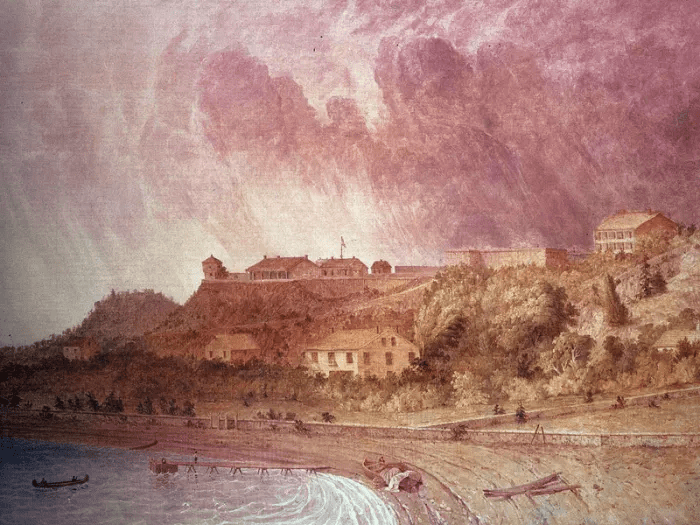
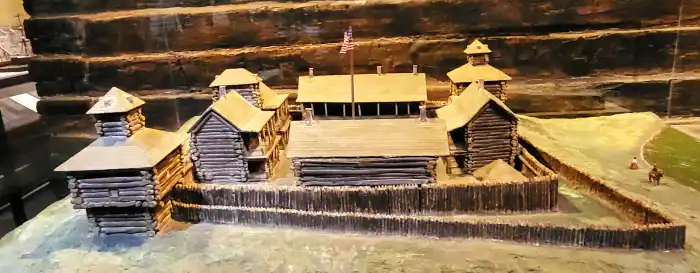
    Fort Dearborn, Display at the Chicago History Museum

    August 14, 1812

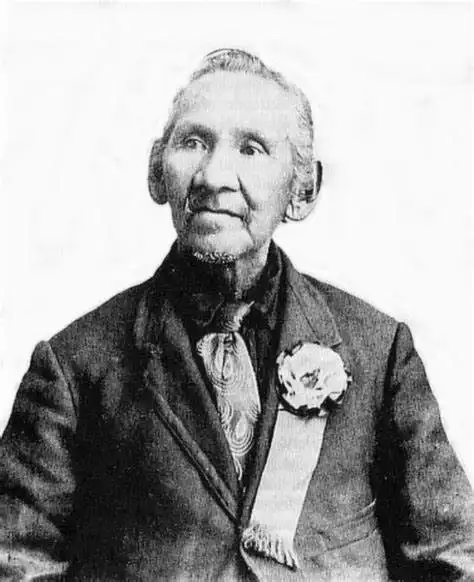
    Rather than follow the orders sent down by his superior, Heald called a meeting with the Potawatomi, and on August 14, 1812, almost one month to the day of Fort Mackinac’s surrender, Heald revealed his plans to the Potawatomi in detail, something that is best described in an article titled The Massacre of Fort Dearborn at Chicago published in 1899, in which, Potawatomi Chief Simon Pokagon, describes the event:

    “To their surprise, he told them he intended to evacuate the fort the next day, August 15, 1812; that he would distribute the fire-arms, ammunition, provisions, whiskey, etc., among them; and that if they would send a band of Pottawatomies to escort them safely to Fort Wayne, he would there pay them a large sum of money.”

    Almost immediately after, Heald went back on his word, promptly destroying the fort’s supply of both alcohol and ammunition. Believing that the whiskey would only rouse the anger of the Potawatomi, and that any gun powder or shot that was left behind might be used against them, Heald once again acted without thought. Unfortunately, the Potawatomi, who’d trusted Heald, felt that both Heald and the United States military were going back on their word. Local tribes were still battling over territory, and the Potawatomi, who’d lived somewhat peacefully since the fort’s inception, felt they’d been betrayed. With the desertion of the fort, the Potawatomi wanted to reclaim the area as their own, and in response to the military’s perceived faithlessness, Black Partridge, a Potawatomi leader, returned his peace medal to Heald that evening and issued a warning that Heald should take care when departing the next morning. His words, “I will not wear a token of peace,” he reportedly said, “while I am compelled to act as an enemy.”

    Chief Simon Pokagon

    The Massacre

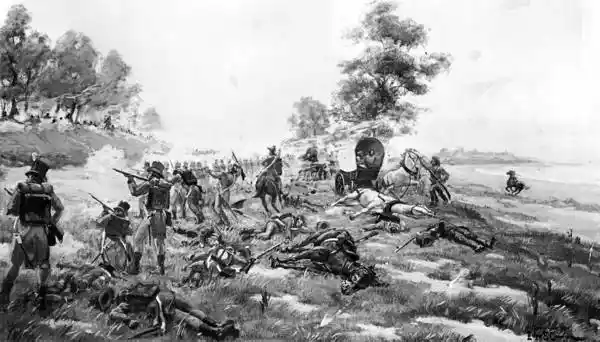
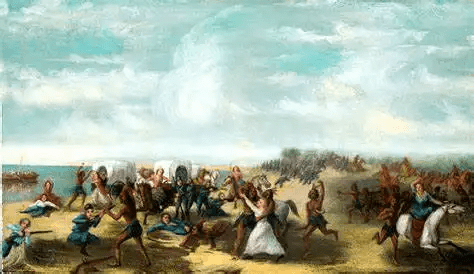
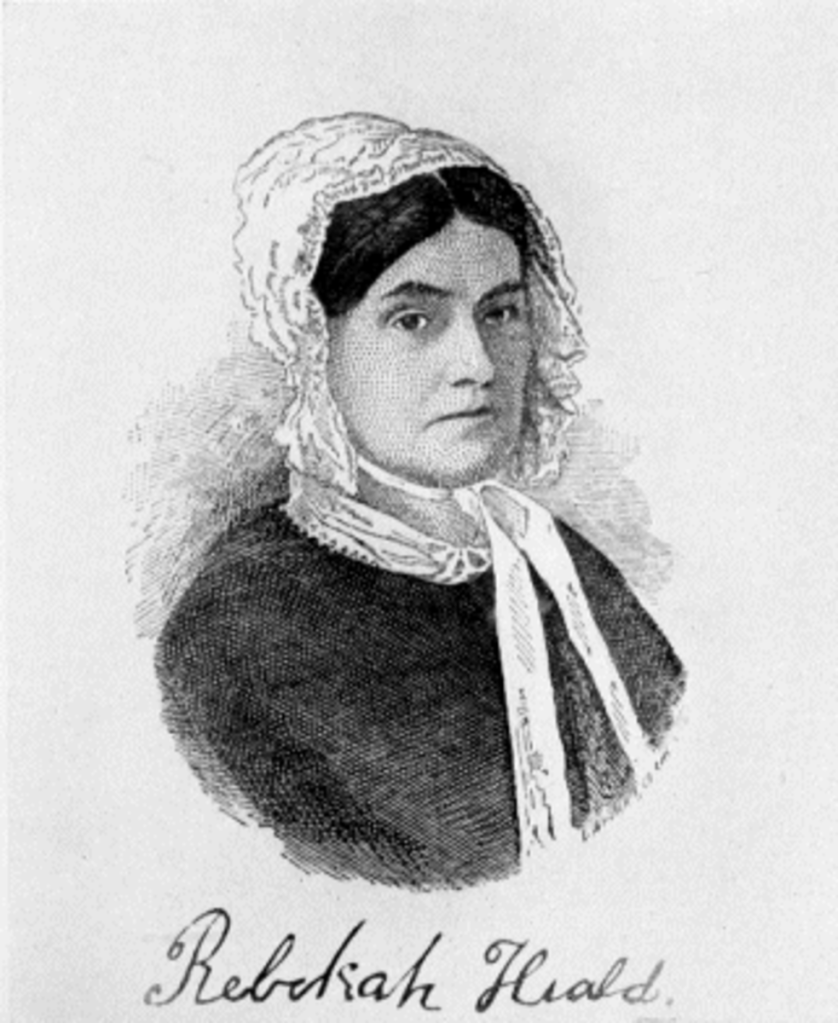
    The following morning, Captain William Wells, who was stationed at Fort Wayne, and who had rushed to Fort Dearborn after hearing of the evacuation, led the fifty-five soldiers, twelve civilian militia, nine women (including his niece Rebekah, Heald’s wife) and eighteen children away from the fort. The group traveled along the shoreline, never guessing that around 500 Potawatomi were hidden on the other side of the low dunes. When Captain Wells spotted the Native Americans and alerted the others that they were about to be attacked, Heald responded by ordering his troops to charge. The troops, rushing headlong over the dunes, were encircled by the Potawatomi that surrounded their flanks. Sadly, only twelve of the militia remained behind with the wagons… with the wives and the children, who were left open to attack.

    Those twelve men fought desperately to save the women and children before being killed themselves. Muskets were fired and used to bludgeon their attackers, but twelve men against hundreds couldn’t save the children, who were traveling in the wagons. It is said that only one Potawatomi climbed into the wagon holding the children, and that one warrior was responsible for hacking them to death with a tomahawk. That warrior, reported Simon Pokagon “…. was hated by the tribe ever after.”

    Within fifteen minutes the battle was over, as Heald agreed to parlay, and then to surrender. In return, the Potawatomi agreed to spare the remaining survivors. It is reported that sixty-seven people lost their lives that morning, a number that included Captain Wells, twenty-five soldiers, twelve militiamen, twelve children, and two women. Captain Wells’ niece, Rebekah, survived, and it is reported that her survival was the result of one man’s actions… Black Partridge.

    Once Heald had surrendered, the group was taken back to the fort, where the badly wounded soldiers were tortured to death. Were these soldiers excluded from the agreement that the survivors would be spared? Were their deaths a part of the agreement? Or were they so near death that the Potawatomi simply did as they wished? This is something we’ll never know for sure.

    What we do know is that in the end, Fort Dearborn was burned to the ground, that the survivors (captives) were divided up among the Native Americans and taken away, and that although most of the captives were ransomed and returned to their families, others were held for the duration of their lives.

    As a result of the Great Chicago Fire, the majority of written manuscripts detailing the fall of Fort Dearborn were lost forever. From the information that remains, Captain Wells will forever be remembered as a hero. Heald, on the other hand, is remembered as nothing more than an inept fool. Is he deserving… I leave that answer to you.

    The Massacre at Fort Dearborn

    Sources:

    Encyclopedia Britannica

    battlefields.org

    michiganpublic.org

    mackinacparks.com

    potawatomi.org

    ,

  • Mud Lake, 1833

    Father Pierre Charlevoix

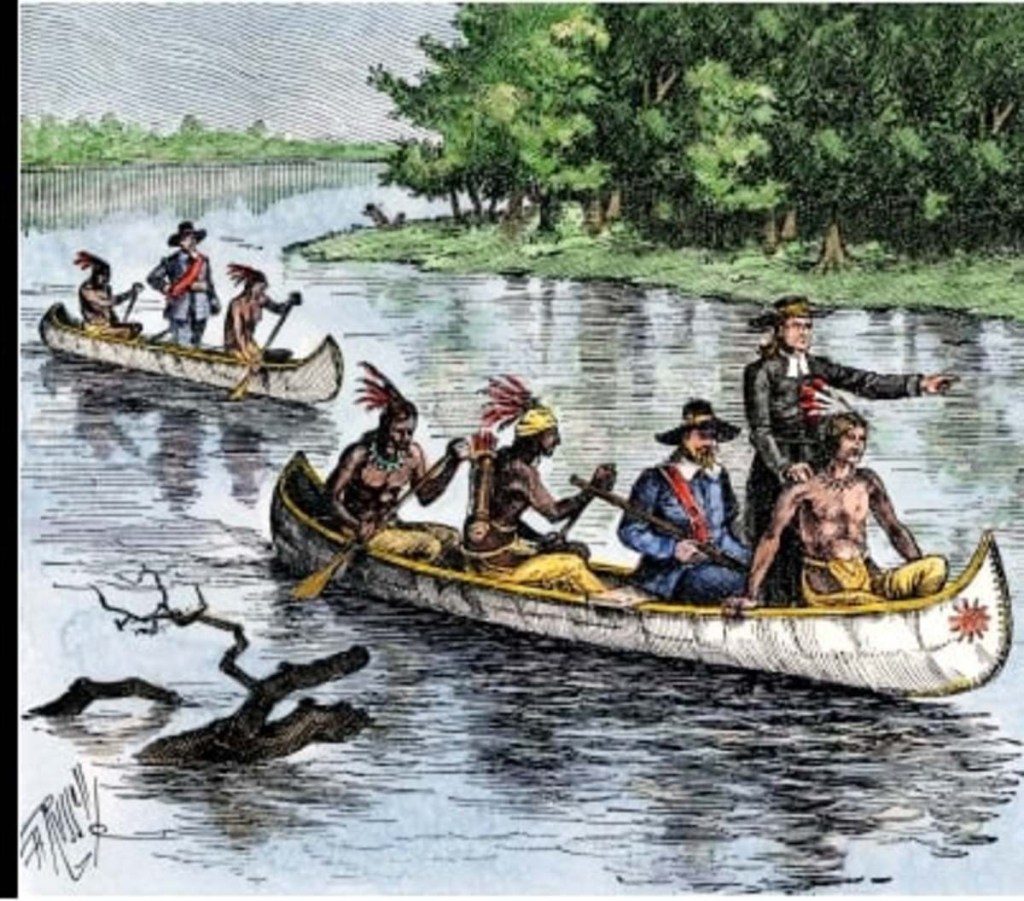
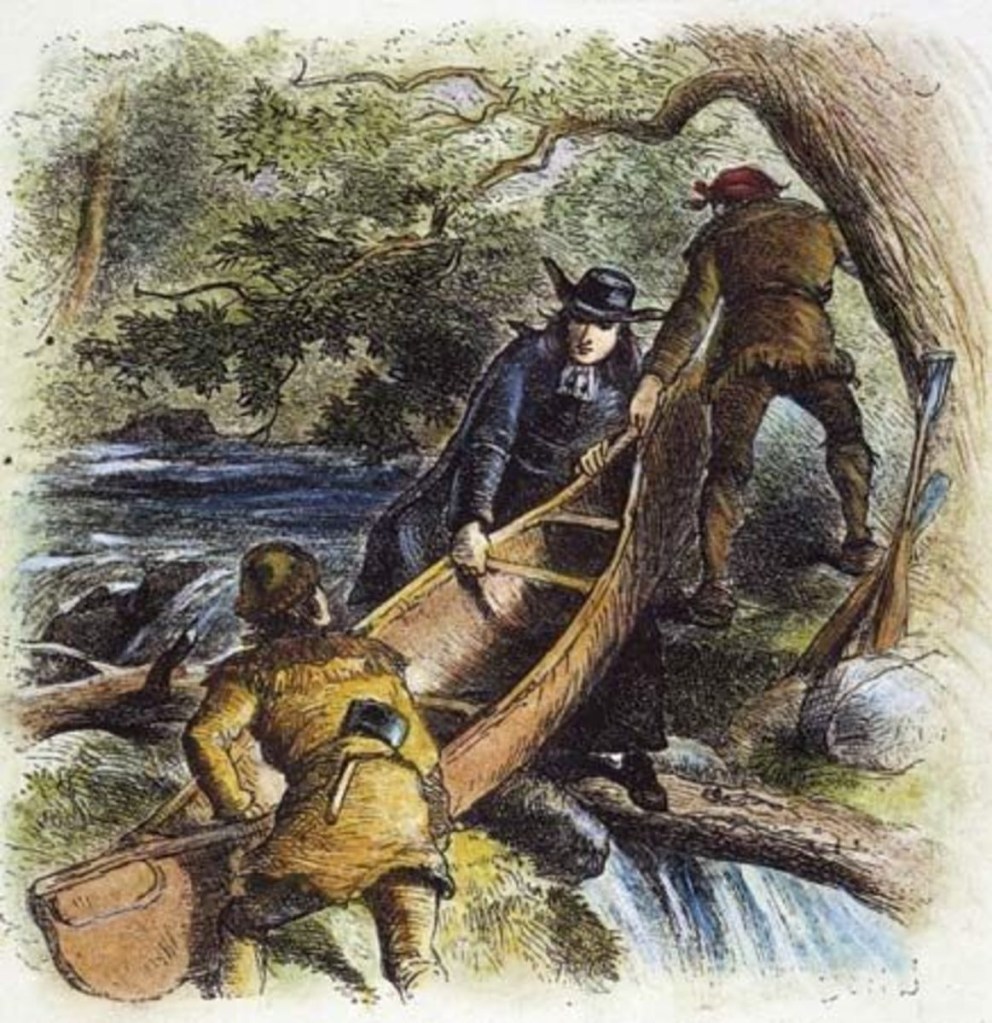
    The first historical mention of Chicago (in writing) can be found in a report written by Father Pierre Charlevoix in 1671; “Chicagou at the Lower End of Lake Michigan”. Father Charlevoix, a French Jesuit Priest, was also a historian and explorer. Some even say that he was a spy, reporting on the location of troops during the French & Indian War. None-the less, Charlevoix traveled widely, checking on the conditions at French Missions, making notes, mapping areas, and reporting back to the French government about his findings. Note, the priest never made it to Chicago, as his superiors directed him to travel to the Mississippi River, and though it may have shortened his journey, the route through Chicago was obstructed by tribal warfare.

    Marquette & Jolliet

    Jacques Marquette and Louis Jolliet

    Two years later, in 1673, explorers Jacques Marquette and Louis Jolliet were exploring the Mississippi River, and during their travels, traveled past what would become the city of Chicago. In Joliet’s report he notes that a canal linking the Mississippi to Lake Michigan would serve to control the North American continent.

    Marquette and Jolliet began their expedition in 1672 at the behest of Louis XIV. Louis XIV had received reports from French scouts that copper deposits had been found in the area around Lake Superior, and the king was determined to take advantage of their discovery. Moving copper ore, however, wasn’t as easy as transporting furs. Finding a new route was a necessity.

    Jacques Marquette

    Louis Jolliet

    Mud Lake

    Louis Jolliet was born in Quebec, the son of a wagon maker. At the age of ten he was sent to the Jesuit college to become a priest, and at the age of twenty-three he decided that the priesthood was not for him and left school to become a coureur des bois or woods-runner. Jolliet was put forth as head of the expedition by the Governor of Quebec, Frontenac, and Marquette was sent along as his spiritual guide.

    The portage, which was shown to Marquette and Joliet by members of the Kaskaskia, had been in use for centuries. Surrounded by towering oak trees in an area that was home to beaver, otters, deer, black bears and other types of wildlife, the seven-mile bog later became known as Mud Lake. Shortly after, Jolliet and Marquette would become the first Europeans to traverse the pathway that would later become “The Chicago Portage.”

    René Robert Cavelier, Sieur de la Salle

    We now fast forward ten years to meet explorer, René Robert Cavelier, Sieur de la Salle. Like Jolliet, La Salle studied for the priesthood; unlike Jolliet, he took his vows in 1660, and five years later he requested to be sent abroad as a missionary. Within another two years, La Salle asked to be released from those vows on the basis of moral weakness. In March of 1667, the Church granted his request.
    That same year, La Salle arrived in New France… without money or vocation. He did, however, arrive with a dream… finding a route to the Vermillion Sea (Pacific Ocean), which would in turn, would open up a new route to the Orient.
    In 1679, Louis XIV ordered La Salle to take possession of the Mississippi Valley in his name. Along the way, La Salle arrived at the portage in 1682 writing, “This will be the gate of empire, this the seat of commerce.” Three months later, he would claim the area in and around the basin of the Mississippi River for France, its name… Louisiana.
    René Robert Cavelier, Sieur de la Salle

    Early Settlement

    During the late 1600s, the settlement in what would become the great city of Chicago, served as a transit point… a place to rest, regroup, and resupply. This transit source would briefly pause, however, when the continuing wars between the French and the Fox Indians made access to the port impossible in the early 1700s, wars that would continue for a span of forty years. By the end of the French and Indian Wars in 1763, use of the port and increasing trade would boom, eventually leading to the construction of Fort Dearborn in 1803.

    Prior to the fort’s construction, the fur trade was controlled by merchants from France, England, and Scotland, who used imported goods such as kettles, beads, alcohol, awls, and guns to exchange for furs supplied by the Native Americans and French Métis (French/ Native American lineage). The furs in demand during this period included bear, beaver, the black fox, deer, and otter.

    The Fort Dearborn trading post, which also served as a factory, attracted skilled artisans. The construction of the fort, however, wasn’t merely a means to produce and trade, it was also a way to end the British monopoly of the fur business and to break the hold the British had over the region itself. The ability to do this was a direct result of the Treaty of Greenville (1795) in which the Pottawatomies, Miamis, and their allies gave up their rights to “one piece of land, six miles square, at the mouth of the Chicago River, emptying into the south-west end of Lake Michigan, where a fort formerly stood” to the United States.

    Captain John Whistler

    1803 & the Construction of the Stockade

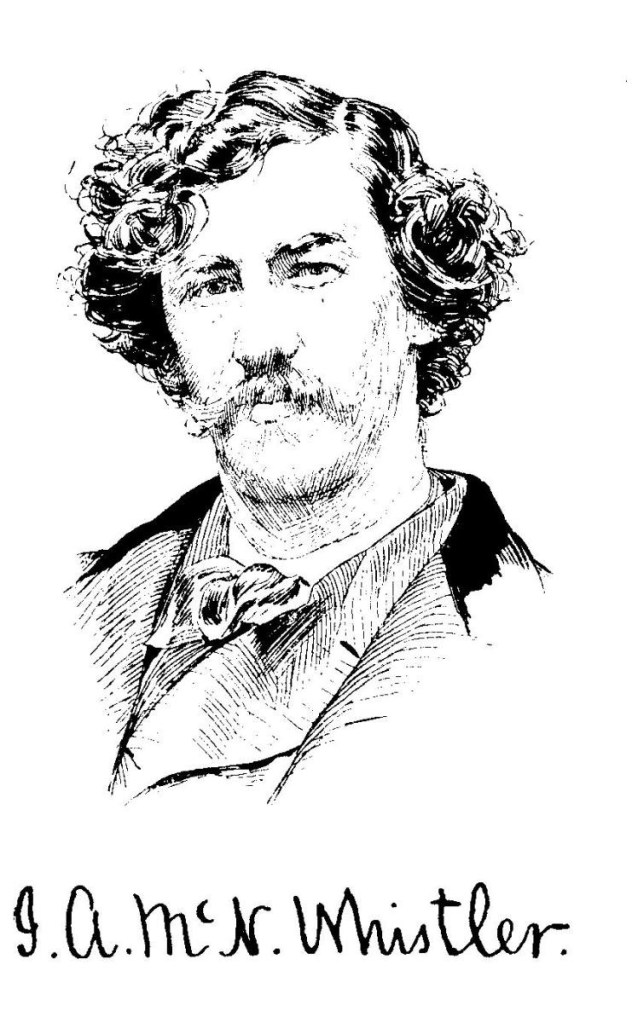
    Captain John Whistler arrived in Chicago in the summer of 1803 to plan and oversee construction of the area that would become Fort Dearborn, named after Henry Dearborn, who served as President Thomas Jefferson’s Secretary of War. When completed, the fort which might be more aptly described as Chicago’s first settlement, housed soldiers, as well as their families, and was surrounded by homes and businesses.

    Whistler’s son, William, who served under his father, would spend most of his service in the Fort Dearborn area, and two of his children were born within its palisades. Before arriving at the fort, the Whistlers were stationed in Detroit, and upon receiving their orders left Detroit and traveled overland under the guidance of Lieut. James S. Swearingen. Once Whistler’s group reached the Saint Joseph River, they embarked on a canoe for the final leg of their journey.

    Fort Dearborn

    Upon their arrival, Captain John Whistler immediately began preparations for the stockade that would shelter and protect his troops and family during the construction period. Mrs. Whistler noted that when they disembarked the canoe, “There were then here…. but four rude huts, or traders’ cabins, occupied by white men, Canadian French, with Indian wives.”

    Captain Whistler oversaw the construction and completion of the stockade before the end of that same year. Construction, however, was no easy task. Without horses or oxen, the soldiers had no choice but to don harnesses and use ropes to lug the necessary timbers to the building site. The soldiers were responsible for every aspect of the project’s completion including cutting the timbers, hauling the wood, and providing the physical labor that was needed to erect the stockade itself. When it was completed, the real work began, and Fort Dearborn would eventually become a reality.

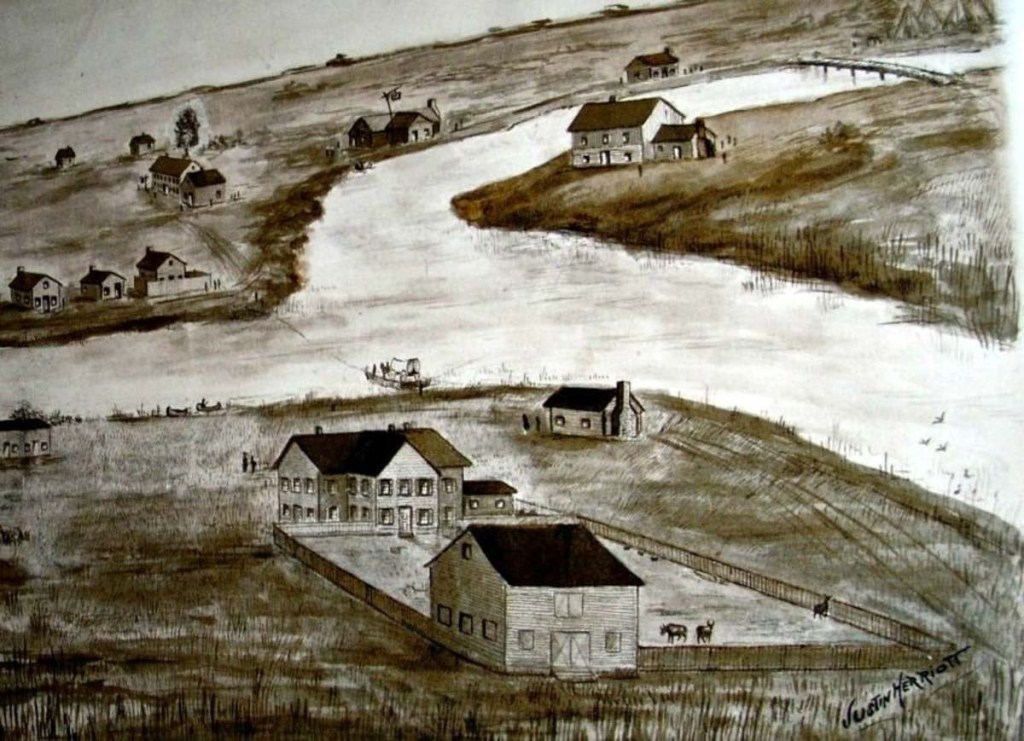
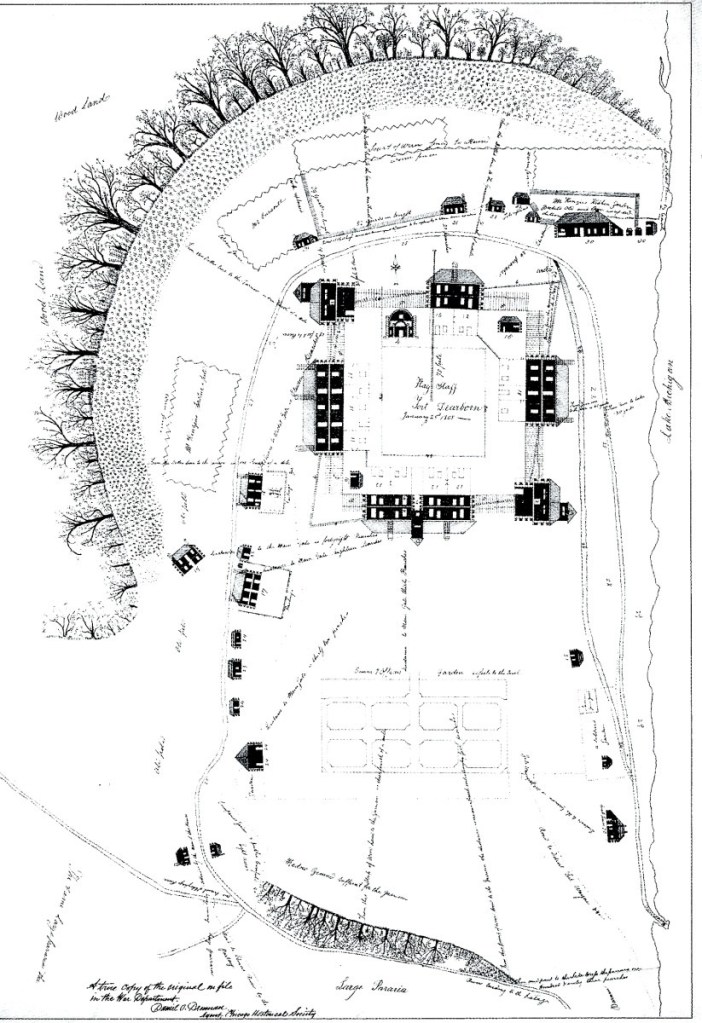
    Five years later, in 1808, Fort Dearborn was completed. Located on the south bank of the Chicago River, the fort provided a base and home for American soldiers and their families, surrounded by homes and businesses. To the north, fur traders with Native American ties set up shop, most notably, John Kinzie, who’d purchased the home built by Jean Baptiste Point de Saible in 1804.

    Plan of the first Fort Dearborn drawn by John Whistler in 1808

    In 1810, Captain Whistler was called back to Detroit, and he was replaced by Captain Nathan Heald. Heald found the fort to be a place of isolation and loneliness, a feeling that was only changed by his marriage. In May of 1811, Heald and his new wife, Rebekah, arrived at the garrison… their new home, and according to historian, J. Seymour Currey:

    “On their arrival the garrison turned out to receive them with military honors. Rebekah was much pleased with her reception, and found everything to her liking; she liked the wild place, the wild lake, and the wild Indians, then indeed friendly enough, but soon to become fierce enemies. Everything suited her ways and disposition, “being on the wild order” herself, she said; and we can well imagine Captain Heald becoming, in his changed circumstances, quite reconciled to the situation with which he was so much displeased the year before.”

    Captain Heald is best remembered for being in charge of Fort Dearborn at the time of the Fort Dearborn Massacre in the year 1812. He is reputed to have been meticulous in his record keeping and disciplined in his actions, something he expected from his soldiers as well. Unfortunately, his men were used to a more relaxed atmosphere, and they resented his adherence to military regulations. Sadly, Heald’s adherence also interfered with his ability to take control of a situation that his superiors had no understanding of… his lack of independent thought and action is said to have contributed to the disaster that would eventually overcome the Fort and its inhabitants, but that’s a story for another day… a story soon to follow.

    Rebekah Wells Heald

    Fort Dearborn

    1) Project Gutenberg’s The Story of Old Fort Dearborn, by J. Seymour Currey

    Sources:

    chicagology.com

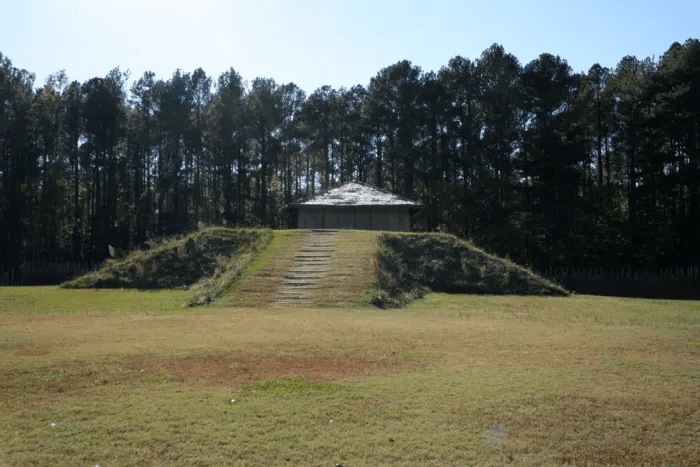
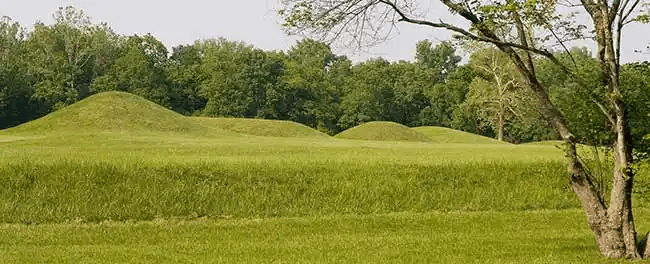
  • Travels through the Mississippi and Ohio Valleys are filled with scenic landscapes, views that might be passed by with nothing more than a second glance at the beauty they bestow. Upon careful inspection, you might notice the rolling slope of a hill; if you’re paying particular attention to the signs along the road, you might just understand that what you’ve seen is an important part of American history.

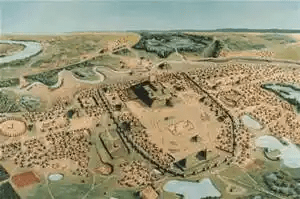
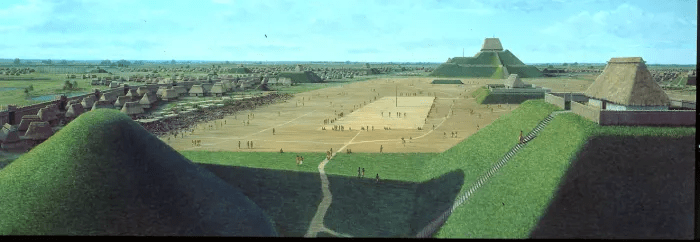
    Unbelievable remains are still in existence, which bear record to some of North America’s earliest civilizations. Yes, the Egyptians built the pyramids, but even before that, Native Americans were constructing enormous communities that were centered around giant semicircular mounds perched on the bluffs that overlook the mighty Mississippi River.

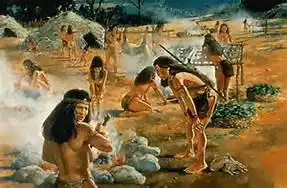
    More than a thousand years before Columbus set sail, a group of Native Americans had already been living and trading across half the continent. They had established trade routes in the Ohio and Mississippi Valleys; they traded precious metals with present day Canada; and left behind evidence of flint mined in the present-day state of Indiana. These people were the Mound Builders; they were Americans before the advent of what we know as America.

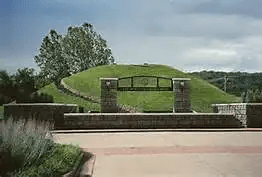
    The mound builders had more than a few reasons for the hills they created. Many different Native American cultures built the mounds over a period of thousands of years. Constructed from dirt, sand, gravel, debris, and ancient artifacts; it is often hard to distinguish their appearance from the natural landscapes that surround them today. Mounds can be sporadically found throughout the Mississippi and Ohio Valleys. Over 5,000 mounds were built in North America between 7000 B.C. and A.D. 1700.

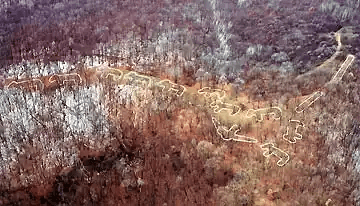
    The mounds found in North America occur both as single structures and groupings. Built entirely by hand, transportation of soil and rocks was done without the use of wheeled vehicles or animal labor. Sizes and shapes of the mounds vary. They were used for burial, something that was done with great ceremony, and as effigies. Some also distinguish themselves as intricately planned geometric landscaping. They served as tombs; they served as foundations for houses and temples; and they were even used as marks to identify territories.

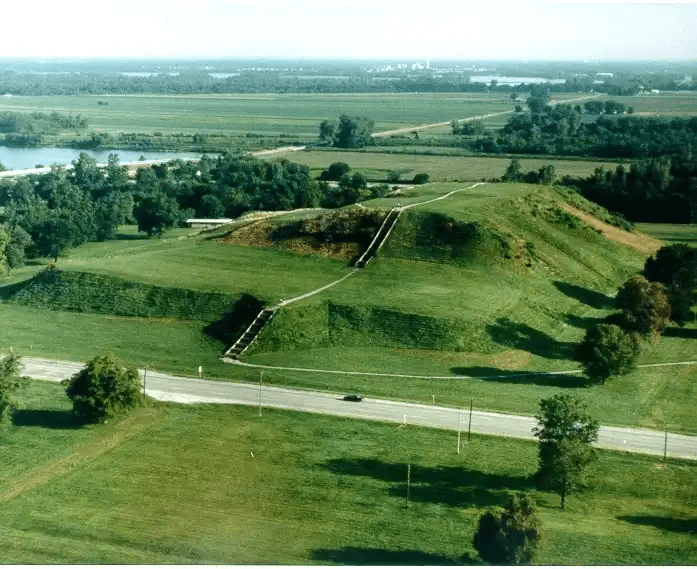
    Temples built atop the mounds were a place of sacred worship. Worshippers would approach the temples by climbing sets of steep stairs or ramps built up the sides of the mounds themselves. Depending upon the culture, reverence may have been shown for the Mother Earth, who was worshipped as the “giver of life.” In which case the mound was seen as a symbol of the womb.

    Archaeologists have marked three different periods during which mound building occurred in North America: the Archaic Period, the Woodland Period, and the Mississippian Period. The Adena, Hopewell (Woodland Period), and Cahokia (Mississippian Period) cultures were each adept at the craft they’ve become known for; they were indeed builders of mounds.

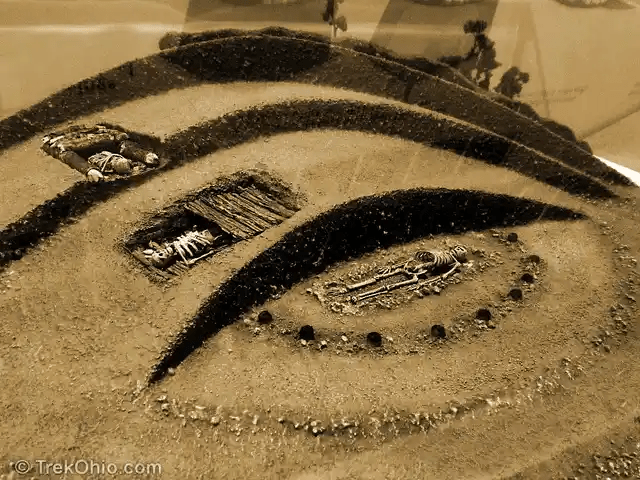
    What is a burial mound?

    What is a burial mound? To some that would seem a silly question, but why bury the dead in mounds? How were they planned? Were they planned at all, or did they just appear indiscriminately as members of the community passed on?

    Burial mounds were planned, and they were built in layers. Families had their own personal mounds, similar to the family plots in cemeteries today. Constructed in layers, each level of the mound contains members of the community buried according to their station. Lesser members of the tribe were cremated before being entombed in tiny logs; the logs were then covered with dirt. Burials of chiefs, shamans, and priests would have been accompanied by great ceremony. Like the Egyptians, their bodies would have been kept company by cultural items such as pottery, projectile points, beads, and pipes.

    Effigy Mounds

    Effigy mounds were well planned and constructed into shapes that depicted creatures like birds and bears. Their purpose was both religious and social. Archaeologists believe that these types of mounds are connected to the constellations and the celebrations of the winter and summer solstices. Effigy mounds were also occasionally used for burial.

    Effigy mounds were only erected during the late Woodland Period, and most of these particular mounds are located in present day Wisconsin.

    Effigy Mounds

    Geometric Mounds

    Geometric mounds were usually circular, square, or rectangular. They were mainly used for ceremonial purposes, but in later years they were also used as tombs. It is also believed that the geometric mounds may have been used as observatories.

    Geometric Mounds

    The Woodland Period and the Adena

    The Woodland Period lasted more than a thousand years, dating from about 500 B.C. to A.D. 700. During this period cultures developed in the North American Eastern Woodlands, which stretched from the Atlantic Ocean to the Great Plains. The early Woodland peoples were nomadic; they moved from place to place, season to season, to hunt, fish, and gather wild plants. Over time, these groups conquered the cultivation of plants, and eventually they began to settle in small communities. The earliest of these communities were small, consisting of only two or three households; later communities were larger, possibly home to as many as 100 people.

    Woodland villages required food sources, and besides hunting for game, the Woodland people began growing crops. Early settlers depended upon crops such as gourds, squash, and sunflowers. Later, corn (maize) would become an integral part of the Woodland people’s diets, as tobacco cultivation would become a source of trade.

    Archaeologists recognize the Adena as the first of the two major mound-building cultures during the Woodland Period. The Adena began their construction of mounds around 600 B.C., in the area we now know as southern Ohio.

    Little information is known about the Adena culture, and the information we do have is based upon what has been found in the burial mounds they are famous for. Items found within the mounds themselves have been a window into a world that without them would be an elusive mystery.

    The Adena mounds are generally conical in shape, and their sizes vary greatly. Mounds may be as large as 100 meters in diameter, and they are surrounded by moats. Each mound has only one access to its burial site, and the moats were built with single gateways for entrance.

    Adena mounds (tombs) were constructed from the floor up. The tomb’s base was made up of logs, surrounded by poles, topped with a platform, roofed with tree bark, and covered with soil. The weight often resulted in the tomb’s collapse.

    The Woodland Period and the Hopewell

    The most complex of the mound building cultures during the Woodland Period, was that of the Hopewell in the Ohio Valley. The Hopewell culture flourished during the years between 100 B.C., until about A.D. 500. Their community was centered around religious ceremony and focused upon the death ritual. Hopewell mounds can be found throughout the modern day states of Ohio, Illinois, Michigan, Wisconsin, Iowa, and Missouri.

    Leaders of the Hopewell were buried in huge mounds. At the time of burial, the deceased would be accompanied by all the wealth they would require in the afterlife. In one burial site, archaeologists discovered thousands of pearl beads, necklaces adorned with the teeth of grizzly bears, and ornaments made of copper.

    Other objects that have been discovered tell us that the Hopewell participated in trade with other areas of North America. Shells and shark teeth from what is now Florida, pipestone from present day Minnesota, volcanic glass from Wyoming, and silver from the province of modern day Ontario.

    Around A.D. 500, the trade networks began to collapse, and the Hopewell culture disbanded. Members took to the hills. Based on the large, sporadic earthworks that were created for defense, it is believed there was unrest in the area. Who created this unrest? Your guess is as good as mine. The supposed invaders remain unknown.

    The last evidence of the Hopewell culture can be found in the earth walls they constructed. The people disappeared, but the mounds remain.

    The Mississippian Period

    As the Woodland Period came to a close, another mound culture emerged in the southeastern Mississippi Valley, in what is aptly known as the Mississippian Period. Mississippian communities began establishing themselves just after the year 900 A.D.

    Mississippian people began building towns on the flood plains of the river. Regular flooding enriched the area’s soil and produced excellent conditions for farming. The rivers were also conducive to trade.

    Towns were built around large, flattop mounds, and other earthworks that would border the plaza, a place for public events. Temples, meetinghouses, and the homes of chiefs and priests were located on top of the mounds, declaring their importance. The mounds also supplied the entire community a place of refuge during times of flooding. Many of the towns were protected by stockades.

    Artistry from the period can be seen in the many artifacts that have survived to give us a glimpse into the Mississippian people’s history. They made a variety of decorative pottery, in the shapes of animals and human beings. The most common symbols are those of the falcon and the jaguar, something that has led historians to believe that the culture had undeniable ties to Mesoamerica.

    Cahokia is known as the jewel of the Mississippian culture. Located in present day western Illinois, Cahokia was once home to more that 30,000 people. With over 100 mounds in the area, Monk’s Mound, the tallest, stands ten stories high on a base that covers sixteen acres. While excavating the site, archaeologists discovered posts that were laid out in a circular pattern. It is believed that the posts were used as a calendar, that the people track time using the shadows cast by the sun, and that the position of those shadows gave farmers the knowledge to plant and sow their crops.

    The Mississippian Period came to a close in the early 1700’s, but not before European explorers had the opportunity to get a glimpse of them firsthand. It is said that conflicts had a part in the demise of this once great culture, as did the diseases brought to the Americas by Europeans.

  • Poulnabrone Dolmen, County Clare, Ireland. 4000-3000 BC- Dolmen means stone table

    Transition

    Before the onset of the New Stone Age, humanity lived in minuscule groupings without permanent homes. Their societies were mobile, endlessly making their way through new terrain as they pursued game and searched for edible plant life.

    It is hard to imagine their day-to-day lives; can we even remotely understand the difficulties that would accompany the constant movement and lack of shelter, not to mention how hard it must have been to prepare the evening meal? Or perhaps how much effort went into avoiding having the table turned, in staying safe, in not becoming dinner for the ever-watching prey they hunted.

    All in all, day to day survival would have been nothing short of miraculous, and yet, God gifted humans with something no other living animal possesses to such great an extent—intelligence. Intelligence set man apart from the very beginning; the invention of tools, the ability to use the natural environment, the ability to problem solve, and maybe the most important thing of all—the intelligence to be tenacious.

    As the climate continued to warm, the needs of the hunter-gatherer societies changed. Plants flourished and diets changed due to the abundance of food sources. People began eating more wild grains and possibly small animals; people began settling in areas that were rich in natural resources. This “settling” defines the beginning of the New Stone Age, also known as the Neolithic Era.

    Neolithic Farmstead- 3500 BC to 3100 BC- Orkney Island

    Agriculture- Origins

    Dependence upon nature’s bounty was sometimes risky. The small hunter-gatherer societies faced a multitude of difficulties; extreme temperatures, drought, famine, and disease could easily end the existence or annihilate the majority of their populations, occasionally, their entire population. It is said that “population control” was most likely common, that infanticide may have been practiced regularly to keep the groups small enough to support themselves. These are things we will never know for certain………. but that’s okay; it’s not something I really want to know.

    In order to ensure regular food supplies, the Neolithic people turned to farming; scholars believe that it was the women who honed the craft of caring for plants. Instead of just gathering them for use, they began to take more notice of the things they gathered; learning their cycles, watching their reaction to both rain and sunlight, and finally nurturing them in order to regulate the food supply. This process took a long period of time, but eventually the need to hunt was lessened by a steadier supply of food, people were able to coexist in larger groups, and the constant need for movement became far less frequent.

    Domestication marked the period. Plants and animals were trained and made use of, but these societies were independent ones, and the rate at which they came into being was independent as well. Similar societies began to emerge all over the world. Paleolithic experiments transitioned into agricultural societies, and over time farmers learned which plants were the sturdiest, which wheat would yield the most grain. Vegetables; peas, yams, and okra—all of these became a regular part of the diet. Then there were the animals; sheep bred with the intentions of producing thicker wool, and cattle, which supplied both milk and meat.

    Agricultural economies did not come into being on a specific date; they sprang up sporadically, and the idea and process took years of cultivation before this new way of life was truly realized. Agriculture was not a revolution; it was a transition.

    Remains of the walls of ancient Jericho, the longest settled city in the world…………

    Changes

    The most important change ensuing from the use of agriculture was a large explosion in the population. This change in itself necessitated new forms of social organization; people no longer devoted their time to foraging—they devoted it to cultivation. Because of this, the people of the New Stone Age built permanent shelters in close proximity to their fields, and unlike their predecessors they had no need to continue the migratory lifestyles of their Paleolithic ancestors. Villages were born.

    Jericho, established near the Dead Sea, is home to one of the earliest known Neolithic Villages. Its inhabitants may possibly have numbered two thousand; they lived in circular mud huts that were eventually surrounded by walls and moats, signaling their consequent transition into a wealthy community. Farmers cultivated both wheat and barley, aided in their endeavor by the nearby oasis.

    Jericho’s sheer size allowed for specialization of labor; food surpluses gave some people the opportunity to experiment with other talents, talents that would lead to other enterprises. Jericho soon became more than just an agricultural community; it became a center of trade. Salt was a valuable natural resource, and an abundant volcanic glass called obsidian supplied them with another resource that was used to make knives and blades. Make no mistake, these were not the rudimentary objects of the Old Stone Age; their edges were clean and sharp, and the obsidian was polished to a previously unknown sheen. Craftsmen were born, and a new source of support had arrived.

    Catal Hyuk as it might have looked…

    Excavation Site

    Catal Huyuk

    The information we’ve gained about the Neolithic Era is due in large part to the discovery of a large mound on the banks of the Carsamba River in what is now southern Turkey. Large is likely not an apt description, as the measurements of the mound are equal in size to approximately twenty-one football fields. This very large area is one that would easily be passed by unnoticed, a hill on the horizon, but underneath that hill is Catal Huyuk, the largest ancient city ever located by archaeologists.

    Somewhere around 8,500 years ago, Catal Huyuk was a bustling city and home to what is thought to be around 5,000 people. Its inhabitants lived in well-made homes that boasted brick walls, which were covered with plaster; roofs were flat, and their wooden beams were strewn with grass. Homes were also connected (perhaps for protection), had no doors, and the citizens of that city entered their homes through holes in the roof and ladders that awaited their arrivals and departures. The city had no streets.

    Visitors to the city would have been impressed by its size, but the buildings themselves held no beauty on the outside. It would have been an invitation into someone’s home that would have changed that impression. Interiors were richly decorated; walls were covered with artistic depictions of cattle, leopards, and various species of plants. Each home was equipped with a fireplace, an oven, and reed covered platforms that served as sofas during the day and beds at night. Each home had a storage room, and the people of the city depended on the things held within it. Clay pots stored enough wheat and barley for a family to subsist on for an entire year.

    Catal Huyuk was not only self-supporting, it created surpluses. Its farmers supplied the food for the entire city, a task that left them time for little else, but it was their accomplishments that allowed further specialization to occur. The farmers planted and harvested the crops; others made wheat from what they provided. Houses needed building, bricks needed making, women needed utensils, and everyone was still in need of tools. The community initially thrived economically on this new method of exchange, but little did they know that soon their city would soon be booming with trade.

    Catal Huyuk- Crafts and Trade

    Catal Huyuk eventually transitioned from a city of independence and self-support to one of trade. Technology was developed that enabled craft workers to create jewelry, and the discovery of copper gave the jewelry a new look. Fine pottery that was ever more intricate in design became commonplace. Wool from domesticated sheep was separated and twisted into thread, and looms were created allowing cloth to be made. This woven cloth is thought to be the first of its kind. The use of obsidian continued; it was valuable, and it was desired. Obsidian not only made the sharpest knives, it also made the most beautiful mirrors. But what did Catal Huyuk need in trade?

    That answer is a simple one. Archaeologists have found evidence of an abundance of materials within the mound that would not have been available in the area. The forests were miles and miles away, and yet, Catal Huyuk used wood in the construction of their homes. The copper used in the making of jewelry and tools was not native to the area, but they had obtained it, and someone must have supplied it. Remains of Syrian pottery have also been discovered there, as have seashells from the Red Sea; they didn’t get there by themselves. Who brought them? Who might have traded the sound of the ocean for a copper ring? Who might have bartered a Syrian pot for a mirror of obsidian?

    The First Civilizations

    The New Stone Age was a time of discovery and settlement; it was a time when communities prospered and a time when humanity was able to dream of a life different from that of their ancestors. Catal Huyuk is an example of the changes that agriculture brought into the world, but more changes were to come. The first civilizations would soon follow the city under the hill; they grew near rivers—different rivers, and in different countries, but grow they did. Some have even left records of their lives behind, and we will be looking at them soon………… but not today.

  • Thousands of years ago, the Earth was a very different place. The northern part of the world was covered by thick sheets of ice; the animals were far larger than any we have ever seen, and they were covered in long wooly hair that afforded them warmth and protection. The ice and frigid cold caused these animals to migrate; they trekked across thousands of treacherous miles in search of a warmer climate and food sources; they migrated in order to survive. If we were afforded the opportunity to watch those migrations firsthand, we’d see other things as well; for not so very far behind another form of life followed in earnest; that life form was man.

    “Survival of the fittest” is an apt cliché when looking at the small bands of hunter-gatherers who plodded on behind one of their most important sources of food; this wasn’t evolution, it was conformity. Only those with massive amounts of strength, courage, endurance, and most important of all, intelligence would survive the journey; most would die of starvation or succumb to the elements, but those few who did survive would find themselves on the Earth’s most southern part. They weren’t aware of how far they’d traveled, and they had no idea that others had preceded them there, or that others may have been there all along. What they would have been aware of was that they’d survived long enough to realize their purpose, that they weren’t wrong to have trusted the instincts of the animals they followed, and that the environment could only be beaten if you had the courage to change it, to physically change it by moving on.

    ISIMILA (TANZANIA) ONE OF THE WORLD’S OLD STONE AGE SITES

    Sterkfontein Caves South Africa

    Hunter- Gatherers

    The hunter-gatherer societies were adept at hunting for their food and gathering other food sources from the plants around them. Plant remains discovered by archaeologists have also displayed that they held far more knowledge about botany than previously believed. Trial and error had educated them as to the dangers and uses of plants. In time, these societies knew which plants were medicinal, which were deadly, and which were safe to eat.

    The hunter-gatherers often lived in caves. This type of housing afforded them safety from the elements, and it also allowed them to keep watch over the areas below their campsites. Evidence from South Africa gives us a glimpse of the way they lived, and the discovery of a place called the Border Cave has allowed archaeologists to envision what life was like 40,000 years ago. The picture they paint contains a natural cave built into the side of a cliff. Surrounded by buffalo-thorn trees and other types of shrubbery, the cave overlooks a grassy river settled deep inside of a luscious valley. The valley itself is home to a variety of animals, animals that the hunters would need for food. Each year, herds of eland (a breed of antelope) would come back to the valley, and each year the hunters would wait for their arrival.

    Tools and Technology

    The world’s first technology was without question the “stone tool,” and up until around 12,000 years ago, stone tools were the most commonly known to man. Some stones were naturally shaped, and others had to be shaped by their users, but a knifelike sharpness was necessary for them to serve their function. Hides needed to be cut, meat had to be prepared, and wood needed to be chopped.

    As time went on, man discovered that certain types of stone were better suited for tool making, that “flaking” the stones made them sharper, that flint was the most desirable, but that in a pinch obsidian and quartz would do just fine. Eventually, they came to realize that different sizes and shapes could be used for different purposes, and later, they discovered that baking the stones in fire made them harder and more durable.

    Fire itself was another important piece of technology. For the early hunters, this meant that meat and other foods could be cooked. For those living in colder climates it meant survival. The caves in South Africa have shown that grass was used for bedding and warmth, but that fires had been lit as well. Those fires provided warmth, food, and light, and they were often the deciding factor in who would live or who would die.

    The discovery of fire also stirred people with the desire to create more permanent shelters. Ancient shelters have been found around the globe; huts made from mammoth bones in Siberia and huts of branches in Africa. Ancient bedding was found in Israel, the oldest known to man in a place called Ohalo II, near the Sea of Galilee. Israel is also home to the oldest brush huts ever found; the huts are believed to be some 19,400 years old. Prior to the sea level falling due to a major drought this find was kept well hidden; the drought unveiled six huts, a grave, hearth areas, and an array of artifacts, tools, burnt fruit and seeds.

    Socialization

    The peoples of the Old Stone Age were for the most part hunter-gatherers, but over time that changed. Small bands of nomadic people began to grow in size. The thousands of years that the Earth had spent in a cycle of warming and cooling had started to level out. Warmer climates enabled humanity to stay put just a little longer before the time came for them to move on, and because of this the capacity to socialize became essential.

    The elders of the group were responsible for socialization. They made the rules, and they made sure that those living within the group respected those rules, not so very different from today. What was far different was the way their world was seen. The people of the Old Stone could only see with their eyes; everything else was a mystery and often feared. They could only travel as far as they could walk; they could only eat what they could gather or hunt, and they could only live in places that were provided by nature or made with things that nature provided.

    Changes

    As the Earth’s climate continued to change, the lives of people and animals changed as well. New and abundant plant sources supplied food, the changing coastlines provided marine life, and groups of people began to form settlements in areas that were rich with natural resources.

    Technology continued to slowly develop with the discovery of metals, the invention of long-distance weapons (spears), bows and arrows; things that could make hunting safer and more effective. Tools also aided in what would be the next major change in human life, agriculture, but that would bring us to the New Stone Age, and that is for another day.