History Belongs To Us

Connection to History

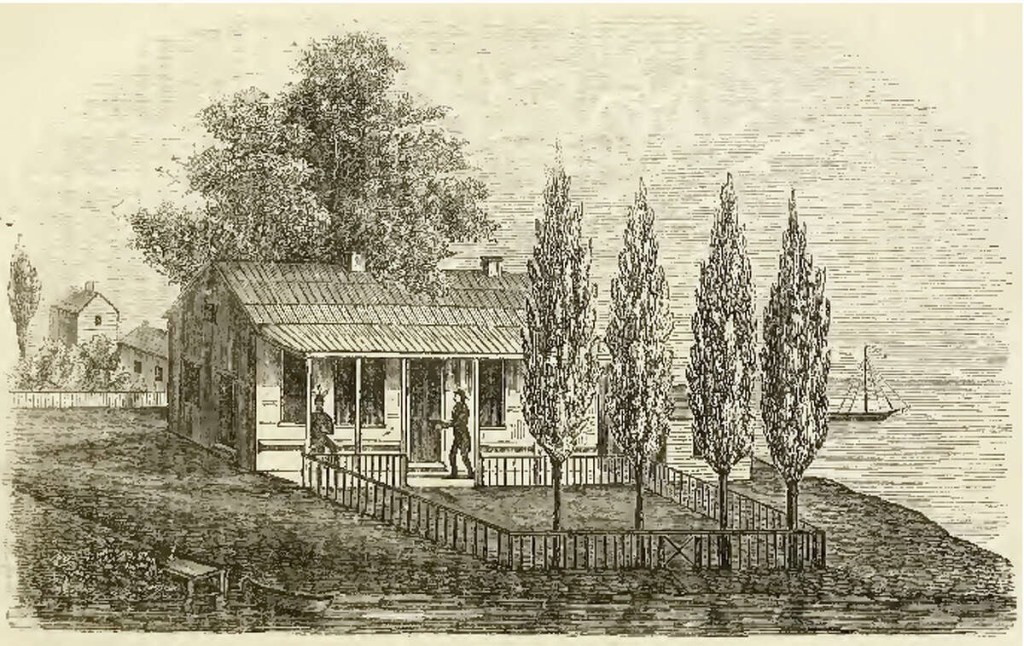
  • The home of Jean Baptiste Point DuSable, Chicago’s first settler.

    Chicago’s Beginnings

    In the early 1800s, the city that we now know as Chicago, was a small community and an important center of the fur trade. The city began as a trading post where the Potawatomi would provide pelts and information to the traders in exchange for goods, most of which were imported from England.

    The traders, primarily French, cemented their relationships with the Native Americans through marriage, which allowed them safe access to tribal hunting camps throughout the Great Lakes region. The wives, on the other hand, generally stayed behind while their husbands set off on their journeys, maintaining and supervising the family businesses and raising the children, who would go on to become important ambassadors and negotiators as the area expanded.

    Jean Baptiste Point DuSable, one of Chicago’s first settlers, an active farmer, and a fur trader, would erect the area’s first mansion, a sprawling five room log cabin on the north bank of the river that boasted a long-covered porch constructed in the Creole fashion. The definition of “mansion” has definitely evolved over the centuries. DuSable left Chicago in 1800 in favor of Spanish Upper Louisiana, an area now known as Missouri.

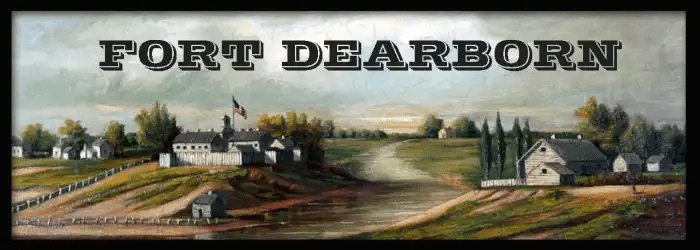
    Like DuSable’s, other homes in the area were made from logs, as was Fort Dearborn when it was constructed in 1803. Most of these homes, however, were constructed in the French-Canadian style, with the logs placed vertically within a trench, and openings filled in with a mixture of grass and mud, before the dwelling would finally be covered with lumber or bark. Fireplaces, which were a necessity, were placed in the center of the dwelling in order to provide better heating.
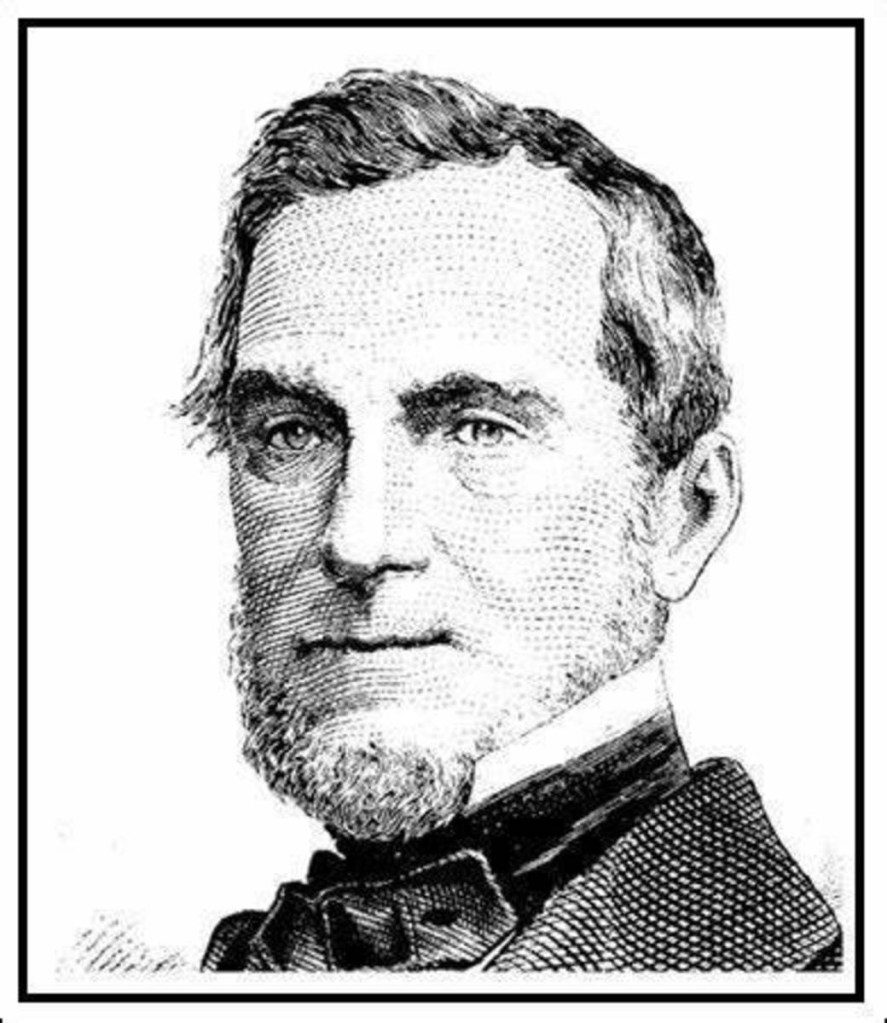
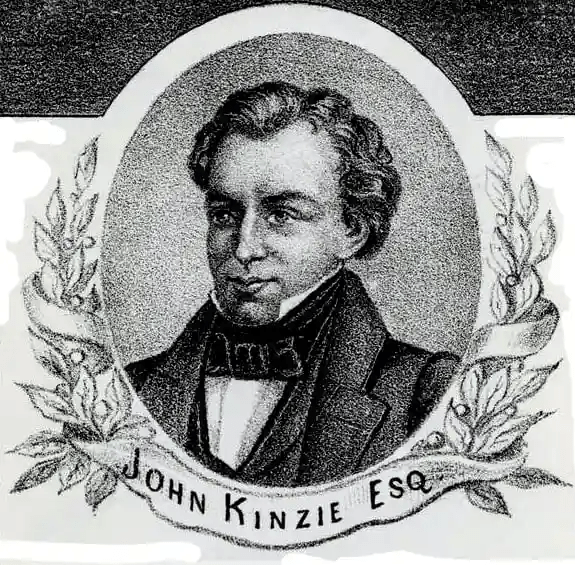
    John Kinzie

    The Fur Trade

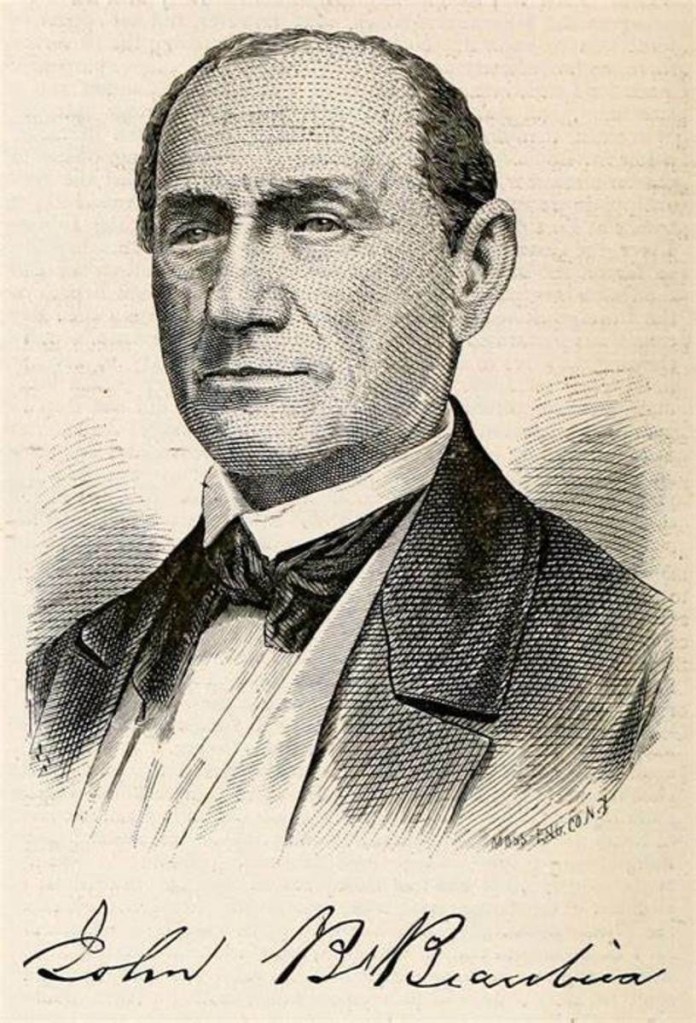
    By 1810, three families dominated the fur trade. John Kinzie purchased DuSable’s home and moved to Chicago from Michigan, where he began successfully trading with the Native Americans in 1804. Today, Kinzie is honored as the “Father of Chicago,” the first permanent white settler, and the only white settler outside of the military for almost twenty years.

    Fast forward to June 17, 1812, the date on which Kinzie engaged with Fort Dearborn’s interpreter, Jean Lalime, in what would be a fight to the death. The actual cause of the conflict between the two men remains unknown, and the event has been reported in numerous ways… few objective. What we do know is that Lalime worked as the interpreter at Fort Dearborn, that the US Factory, where Lalime spent most of his time had been closed by Captain Heald because of an attack by the Native Americans on a nearby farm, and that Lalime had already been threatened with personal harm by two members of the garrison, Lt. Helm and Ensign Ronan due to arguments about the factory’s closure. It is also said that Kinzie was actively working toward Lalime’s dismissal and the installment of one of his own men to Lalime’s position, in addition to the fact that Kinzie had forced Lalime to relinquish his home.

    That both Lalime and Kinzie were willing participants in the confrontation is unquestionable. Both men carried weapons, Kinzie a butcher knife; Lalime a pistol. That they departed the fort together was confirmed by witnesses, that the fight between them was agreed upon remains unknown. In the end, Kinzie escaped the altercation with a gunshot wound to the shoulder and returned home where his wife, Eleanor, cleaned and bandaged his wound before he left the fort, obviously unwilling to accept the consequences. Lalime wasn’t so lucky. He died immediately. All that was left to his wife was the burial and the memories.
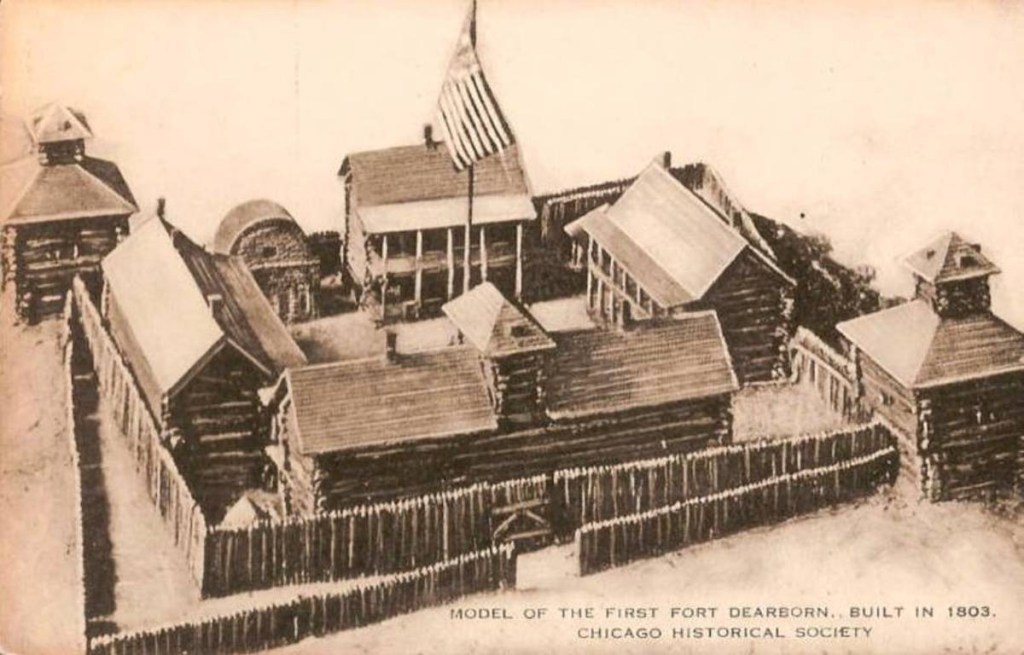
    Fort Dearborn

    Before the Battle

    Kinzie was already well away from the fort when Captain Heald issued a warrant for his arrest, having sought refuge in the woods north of the Chicago River where he convalesced. Soon after, he would make his way to Milwaukee where he had many connections, arriving on June 21, 1812. Ironically (or not), Milwaukee was hosting other notable figures at this very same time… a Native American war council was in progress.

    During his time in Milwaukee, Kinzie ingratiated himself with the tribes and gained acceptance, even among those who were initially suspicious of his loyalties. He became aware of the Native Americans’ plans to fight alongside the British, and he even learned of the gathering of forces for the attack on Fort Mackinac. The information Kinzie gathered would later be used to support the US government.

    The threat of war seems to carry with it the possibility of making impossible things happen, as is the case of John Kinzie’s recall to Fort Dearborn. During his absence, he’d proved that his presence was a necessity. In recalling Kinzie, Captain Heald acknowledged his worth as interpreter and negotiator, Kinzie’s connections were more important than his arrest. The Potawatomi, with whom Kinzie had always had a cordial, respectful relationship, were showing signs of increasing resentment toward the Americans and their neglect in paying out the annuities that were a part of previous treaties. Knowing the fort was well supplied, they began to gather, hoping for a distribution of the stored goods.
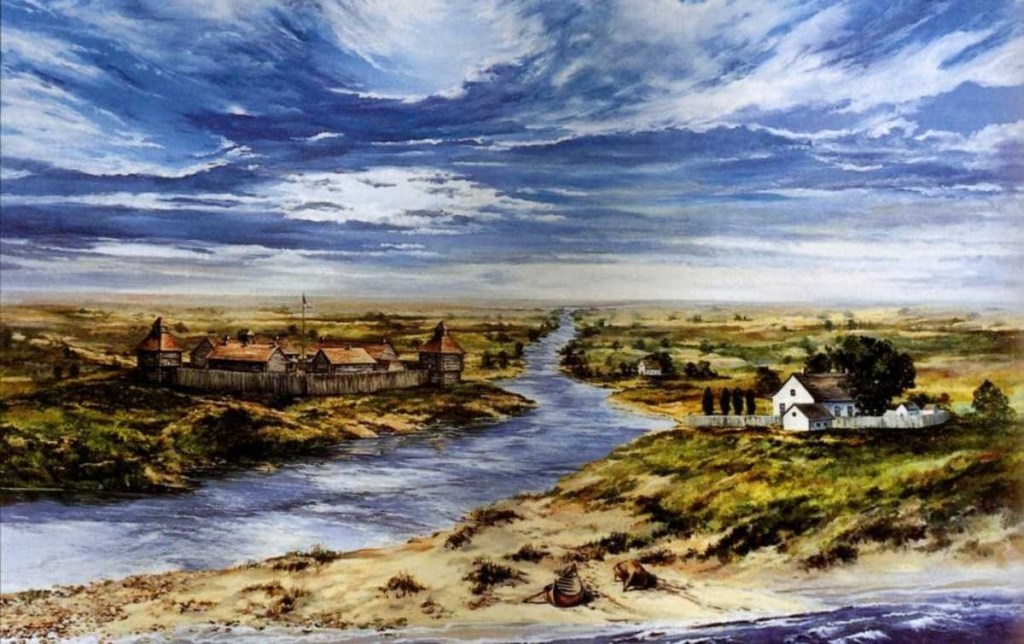
    Fort Dearborn circa 1810

    The Warning and the Evacuation

    In early August of 1812, Kinzie accepted Captain Heald’s appointment as the agent, who would represent Chicago at a council set to meet in northwest Ohio at Picqua. The purpose of this council raises questions, however, as the US government intended the event to put time and distance between the militia and any hostile actions that might be brewing. The leaders of the Native American tribes, on the other hand, agreed to attend the council in the hopes of receiving the annuities that had been deferred or other gifts. Looking back, did the government actually believe that holding this council would better their relations with the Native Americans or defer hostility? What plans did they have to ensure peace? Why host a council with the intent of placating or postponing the inevitable. This we will never know, as the group traveling with Kinzie would only make it as far as St. Joseph, before meeting with a messenger who was destined for Fort Dearborn, carrying orders for Captain Heald and the news that Fort Mackinac had fallen… surrendered without one shot fired.

    Upon hearing the news, Kinzie immediately turned and headed for home. Kinzie’s response to the news was simple, and he advised Captain Heald he had two options. One, evacuate immediately as ordered. Two, remain in the fort, which had ample supplies and protection. Heald chose to follow orders, though his “adjustment” to those orders would be responsible for creating the chaos and violence that followed.

    On August 15, 1812, while Kinzie was preparing for evacuation, visitors who’d spent the entire night on horseback arrived from St. Joseph to warn him about the dangers of joining Captain Heald and the others as they departed the fort. Topinbee, a good friend of Kinzie’s, as well as the uncle of Kinzie’s clerk, accompanied by Leopold Pokagon and Keepotah tried their best to dissuade Kinzie from joining Heald and the others to no avail, but their journey was not in vain, as they were able to convince Kinzie to remove his family from danger. The biggest question… how to guarantee their safety. If the evacuation wasn’t safe, how would leaving them at home be any different? His family would be unprotected, and his home, filled with supplies could be a target, how could abandoning them be the right decision?

    Hurriedly, Kinzie made both the decision and the arrangements that he hoped would insure the safety of his wife and four children. A large open boat, known as a bateau, was procured and Kinzie’s family, his clerk, Black Jim, the boatman, and two Native Americans, who’d agreed to act as the family’s protectors were ensconced in the boat and anchored near the mouth of the river, just close enough that he would be able to see them as he began his journey down the shoreline.
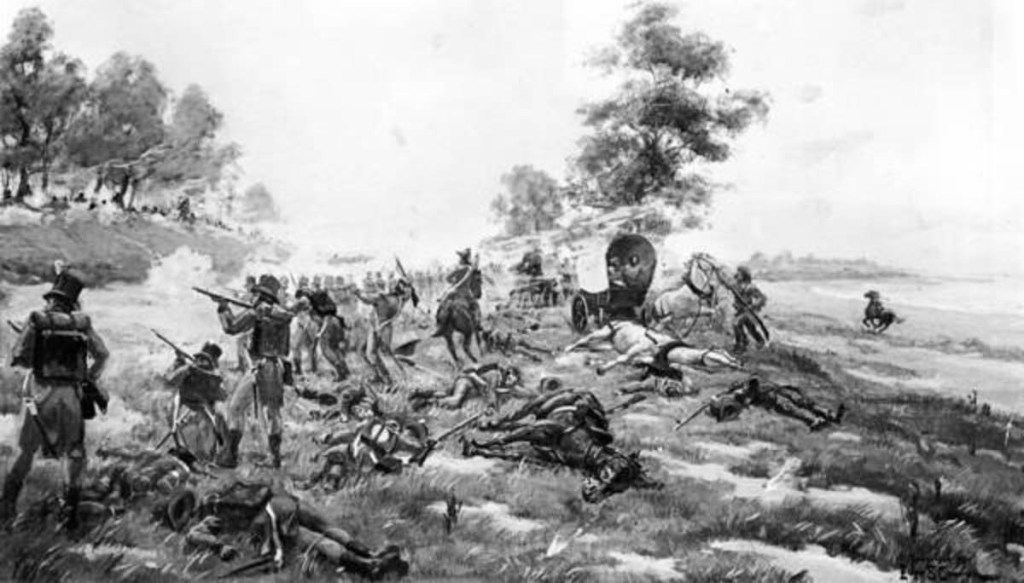
    The Massacre at Fort Dearborn

    The Massacre

    Kinzie’s family stood witness to the violence that followed, the smoke, the fire, and the sound of the guns. Kinzie noted that at some point during the battle, an order was given that neither he or his family should be hurt. Black Partridge, in order to keep the family safe, took them all as prisoners in order to protect them. The family survived intact and by nightfall, they were home. Within days, Back Partridge would send the family to St. Joseph by boat, from which they would travel to Detroit where they would remain for four years before returning to Chicago. During this time, Kinzie was not only arrested, he was imprisoned for treason. Living under British occupation wasn’t easy.
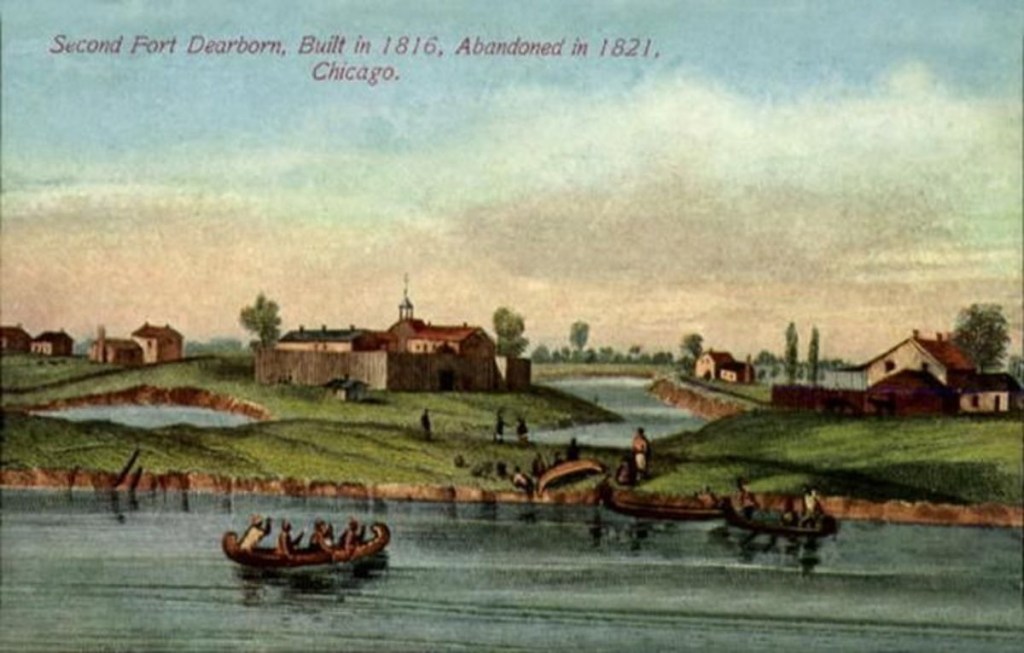
    Perseverance in the Face of Adversity

    At the end of the war, hostilities would be replaced by reconstruction. The Kinzies would return to their home, and a village would take root. Fort Dearborn would be rebuilt, and the militia would move in and out of the area as deemed necessary. Kinzie and his partner, Thomas Forsyth, were deeply in debt, their fur packs lost to the war, and their remaining property destroyed. In order to pay their debts, they sold any property that remained, including land to avoid imprisonment.

    Kinzie’s life was anything but simple during this time. He and his partner were unable to return to the fur trade due to their lack of funds, repeated attempts for reimbursement of property lost due to the actions of the American militia, including Heald’s rental of horses and mules to aid in the evacuation of the fort in 1812 were refused. Compensation for their goods and property at Peoria, destroyed by an American militia commanded by Captain Craig, were also ruled against by Congress.

    Lack of money and the inability to return to the business in which he’d been so successful led Kinzie to seek out government employment. In response, he was appointed the interpreter for the new fort that was under construction in 1816. One year later, he would be appointed the fort’s subagent as a result of Charles Jouett’s decision to relocate his family to Kentucky.

    Although Kinzie continued to experience financial difficulties, his hard work and perseverance would prevail. By 1825, he was assessed to be one of the wealthiest men in Chicago, but the title didn’t come easy. In the nine years after his return to the fort, Kinzie had multiple jobs that included government appointments, farming, and a bit of trade.
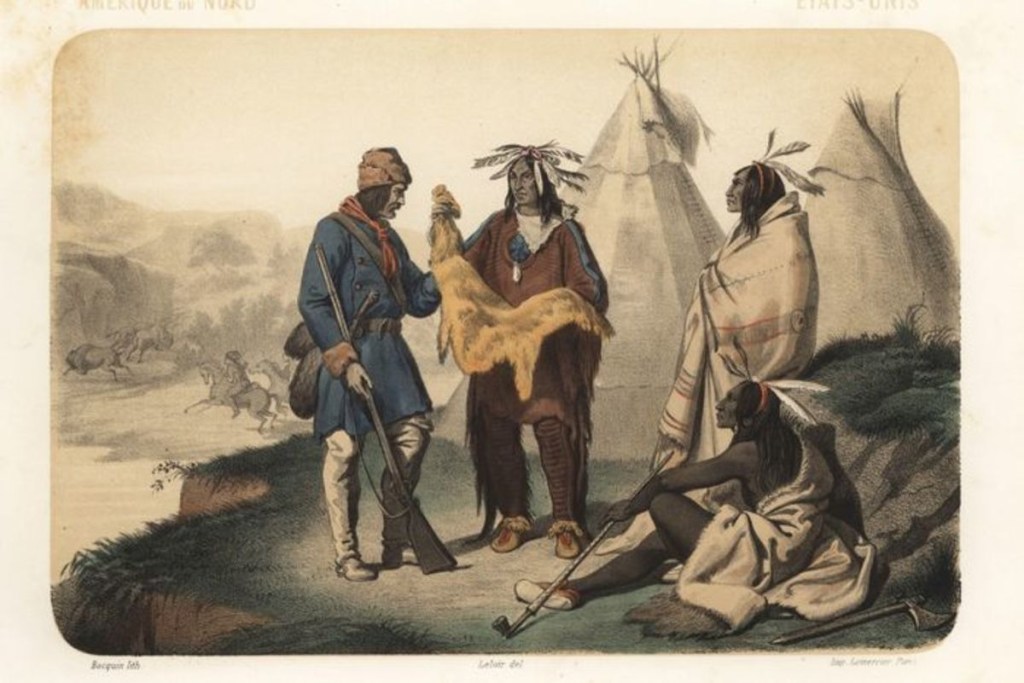
    The Decline of the Fur Trade

    In 1818, Kinzie would take a job with the American Fur Company as a debt collector, and his fifteen-year-old son, John H. Kinzie was sent to Mackinac as an apprentice for the same. The fur trade was in the family’s blood, fortunes were made and lost, and yet the family’s love for the business could not save it from decline.

    As the area around Chicago grew, land cessions reduced the Native American range, and with it, the hunting. Traders moved west, and the whiskey business became a staple of trade. Annuity monies were spent on liquor, an item that was illegal to sell on Native American lands, but as the government took over more and more land, the sale of liquor increased in opposition to the fur trade which faced continuous losses.

    By 1828, the fur trade began shuttering its windows and closing its doors. Chicago, along with the time, changed and grew accordingly. The American Fur Company, in the midst of closing down their operations, didn’t waste any time in collecting Native American debt. Government negotiation treaties with the Native Americans allowed for immediate collection of their trading debts, and although the American Fur Company left the city… it didn’t leave empty handed.

    Ironically, the end of the fur trade would parallel the end of John Kinzie’s life. Kinzie died on January 6, 1828, leaving his wife and children to adapt to Chicago’s transitions on their own. The man who’d insisted that the area around Chicago remain Indian Country at the end of the War of 1812 would never see the transformation of the area he loved, as settlers moved into the area in droves and industry boomed. Possibly, that’s the way he would have wanted it.
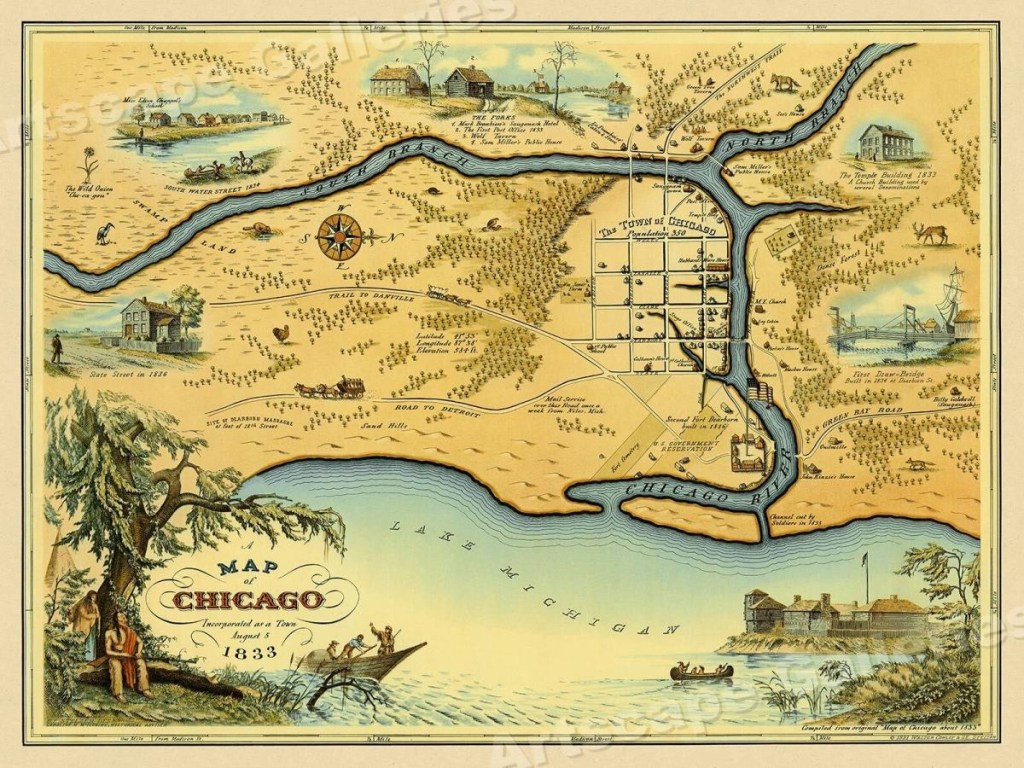
    Chicago, Five Years After Kinzie’s Death

    Sources:

    chicagotribune.com

    chicagology.com

    livinghistoryofillinois.com

    manisteenews.com

    “Rising Up from Indian Country: The Battle of Fort Dearborn and the Birth of Chicago” by Ann Durkin Keating

    chicagomag.com

    encyclopedia.chicagohistory.org
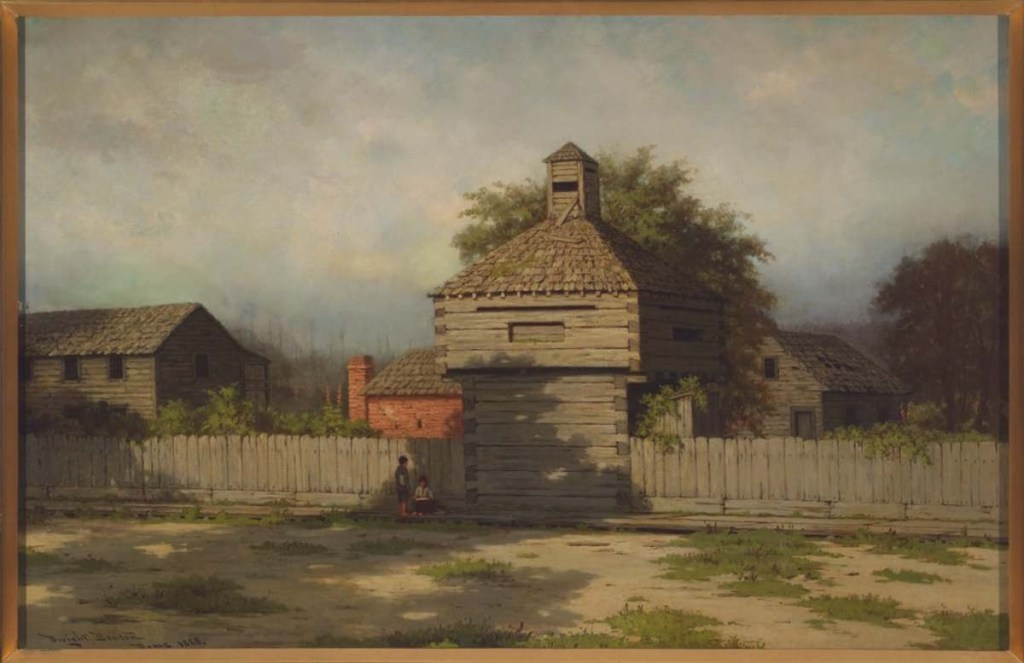
  • The Second Fort Dearborn by Dwight Benton

    The Original Fort Dearborn, 1803-1812

    On August 15, 1812, the original Fort Dearborn, erected in 1803, was burned to the ground by members of the Potowatami after Captain Nathan Heald attempted to evacuate the fort on orders by his superiors. Heald’s evacuation was a disaster, and his actions throughout are subject to question, but in the end, many of the evacuees were brutally killed. These deaths included the militia, their wives, and yes, their children. Those who survived were either ransomed and returned home to their families or held captive for the rest of their lives.

    During the years that followed the Potawatomi destruction of the fort, the tribe itself had committed itself to the British. Some of its members actively fought alongside the British forces and others remained behind… occasionally fighting other tribes and sporadically attacking American settlements.

    The Second Fort Dearborn

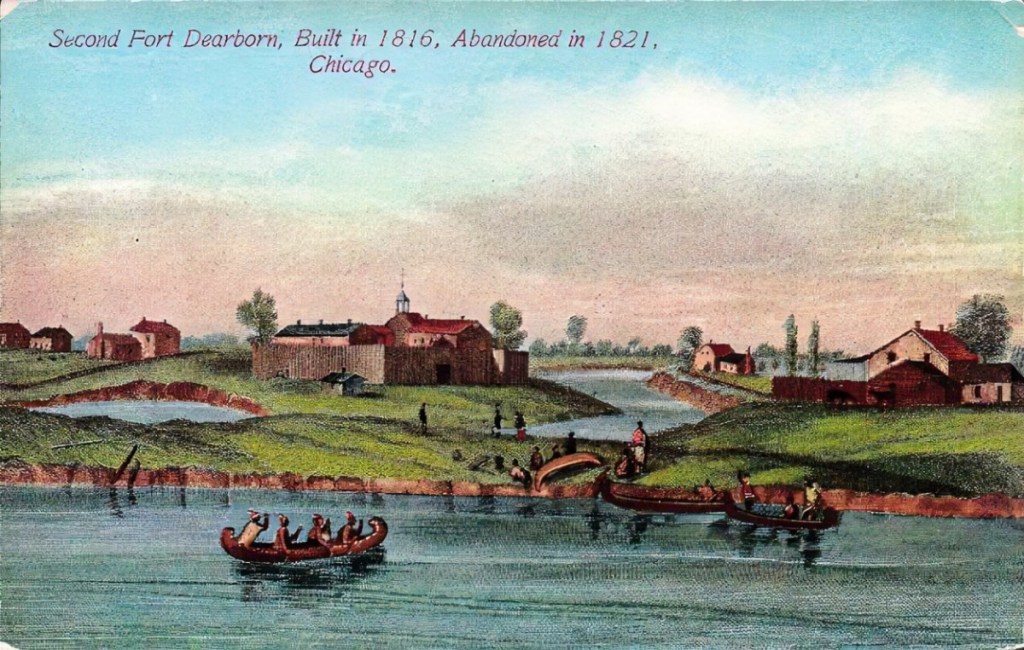
    On July 1, 1816, the United States militia would return to rebuild the fort on the same plot of land, and Chicago, which had for four years remained somewhat stagnant, would be reborn under the command of Captain Hezekiah Bradley. Little information is available about Bradley, but it is said that his reconstruction of the fort was impeccable, and that his men, regardless of title, labored to complete the fort’s erection. Rumor has it that he also commissioned his men to replace the spikes and nails with carefully fashioned wooden pins. Might I say he did his work with loving care?

    Large picket fences were raised to enclose the garrison, accessible only by the gates which were installed on the north and south sides of the fort. To the south and past the parade ground, the company gardens flourished, adorned with fruit trees and currant bushes that provided fresh produce for the militia, and the ability to use what was left by canning or preparing fruit butters for the long winter months. To the west of the river stood the garrison’s root houses, filled with supplies and foodstuffs. Bradley’s preparations were detailed, using an economy that is said to have gone unnoticed by the government that funded the project.

    Beyond the fort’s walls, a community also took root. The common, which was known as the “Reservation”, included buildings, a marketplace, and the lighthouse that stood as a beacon for those entering and leaving the fort by water. Nearby, the Kinzie home (originally owned and built by Jean Baptiste Point Du Sable), which had survived the battle in 1812, still stood on the horizon.

    Jean Baptiste Beaubien

    Enter Jean Baptiste Beaubien

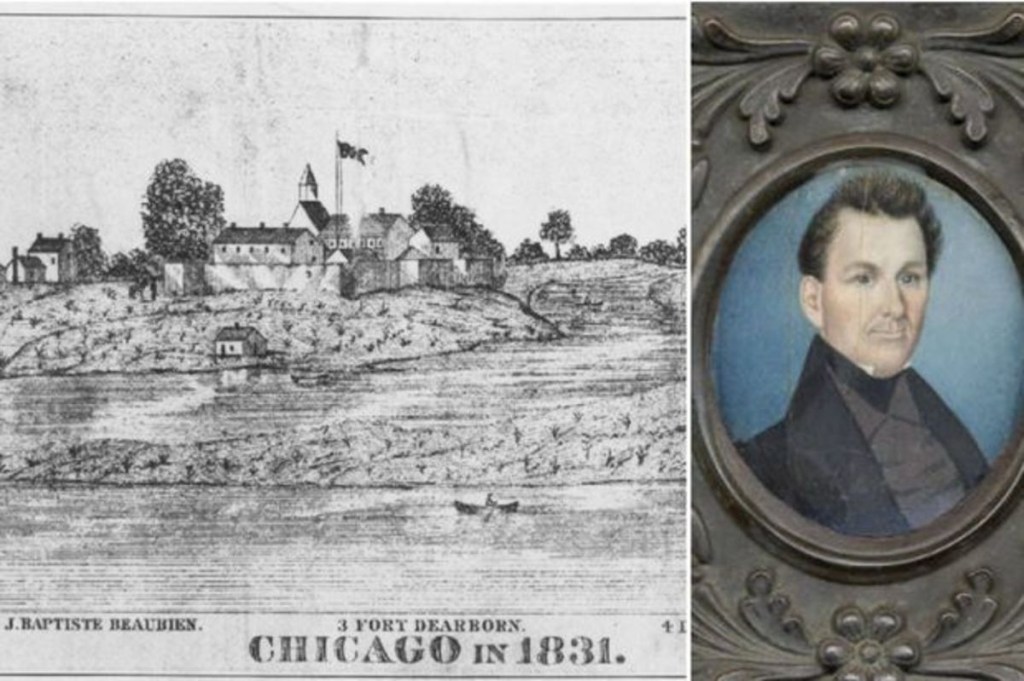
    A year later, around 1817, Jean Baptiste Beaubien, an agent for the American Fur Company returned to Fort Dearborn. Beaubien, who’d first visited the original Fort Dearborn in 1804 had left the area before or immediately after the fort’s destruction (some sources disagree), and although his return was based on business… Chicago would become his home.

    Beaubien first bought property in the Chicago area in 1812. Prior to this, he ran a trading house in Milwaukee. Trading was in his veins, beginning with his great-grandmother, Marie-Catherine Trotter, who’d consolidated the family business, and his great-grandfather, Jean Baptiste Cuillerier Beaubien, who was the wealthiest businessman in Detroit. Having been trained in the fur business by William Bailly, a successful Michigan trader, Beaubien was ready to expand, even if the events surrounding him delayed his eventual success.

    At the age of eighteen, Beaubien married the daughter of Shabbona (Shabbone), a legendary warrior of the Ottawa tribe. His wife, Mahnawbunokwe, would die in childbirth in 1812. The couple had three children, cementing his ties with the Native American population.

    After his wife’s death, Beaubien would meet and marry Josette Laframboise, but depending upon the source, it is hard to confirm whether they were married before or after the fall of Fort Dearborn. According to some sources, Josette was a maid servant who is said to have survived the massacre. According to others, the couple married and left Fort Dearborn in April of 1812 after a Winnebago attack in which several settlers were killed and scalped at a nearby farm. If we rely on the latter information, we might ask if this was a prelude of things to come… was the relationship between the Native Americans and the fort’s inhabitants already past reconciliation?

    Making Chicago Home

    When Beaubien returned in 1817, he accomplished the goals that had been waylaid because of the war. His work for the American Fur Company was more than profitable, allowing him to build a home for his family that was said by some to be a mansion, though in order to use this word, we must carefully consider that a mansion in the early 1800s isn’t what we would envision today.

    Fast forward to 1825, when Chicago would hold its first elections, though it had not been officially incorporated into a city. Beaubien was the wealthiest man in Chicago, and the elections were held in his home. Soon after, according to the book, Rising Up From Indian Country by Ann Durkin Keating, thirty-five men would vote in the town’s first general election the following year, which were once again held in Beaubien’s home. Government representatives, elected in 1825 included Billy Caldwell, a Metis, who was elected justice of the peace.

    The Council of Three Fires

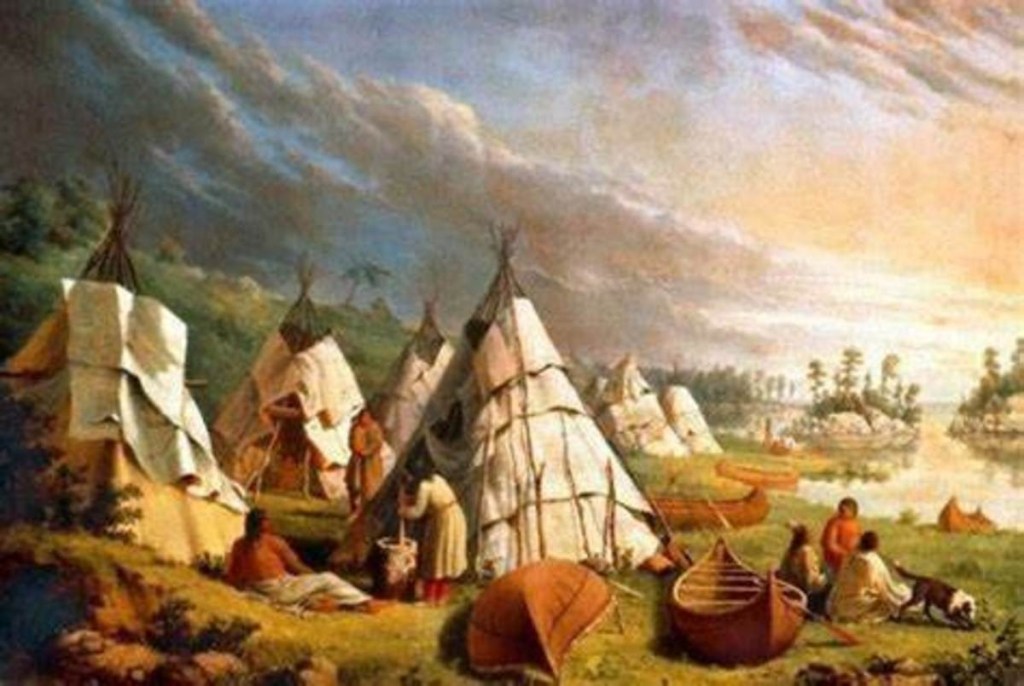
    Significant numbers of the Ottawas and Chippewas (Ojibwas) joined the Potawatomi, as they moved into the area, creating what was known as the Council of Three Fires. These tribes took advantage of the fact that they shared the same language, customs, and family heritage, using their talents as traders, hunters, fishermen, and canoe builders to expand their role in the growing community.

    The Potowatomi, however, actively participated in six of seven treaties with the government. In agreeing to and signing these treaties, the Potawatomi gave up large portions of land in northern Illinois and the neighboring regions of Wisconsin, Indiana, and Michigan. In return for land, the government provided the tribes with annuities, something that led the Native Americans to become reliant on government payments. Over time, the annuities were responsible for the tribes becoming ever more dependent upon the government, which in turn, caused them to form an allegiance in which the tribes would step in to parlay with their kinsmen when disagreements erupted. They worked to keep the peace.

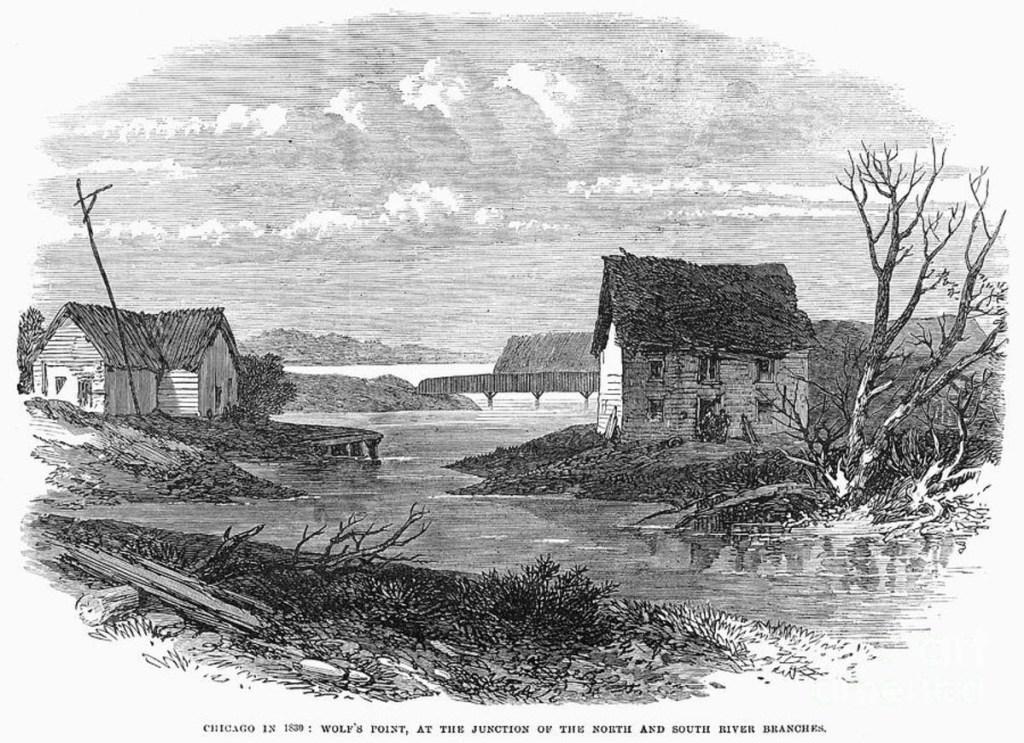
    Chicago 1830, Photograph by Granger

    Amazingly, though Chicago’s growth was slow, it was also steady. Between 1816 and 1830, Chicago’s population is recorded as having less than one-hundred residents. Only twelve to fifteen houses are said to have been erected, and the landscape remained much as it had been from the time the original Fort Dearborn was constructed.

    Between 1828 and 1832, Fort Dearborn was once again abandoned by government militia, only to be re-garrisoned when new trouble arose between the government and the Winnebago (1828). Then… like a revolving door, the fort was abandoned once more until the onset of the Black Hawk War in 1832, but that’s a story for another day, a story that will include the incorporation of Chicago, the decline of the fur trade, Beaubien’s contributions to the city, the defeat and relocation of Native Americans, and the final closure of Fort Dearborn.

    Sources

    degaspebeaubienmuseum.com

    potawatomiheritage.com

    potawatomi.org
  • The benefits of the Dead Sea facial are plentiful. Read on to learn more!

    Dead Sea Skincare

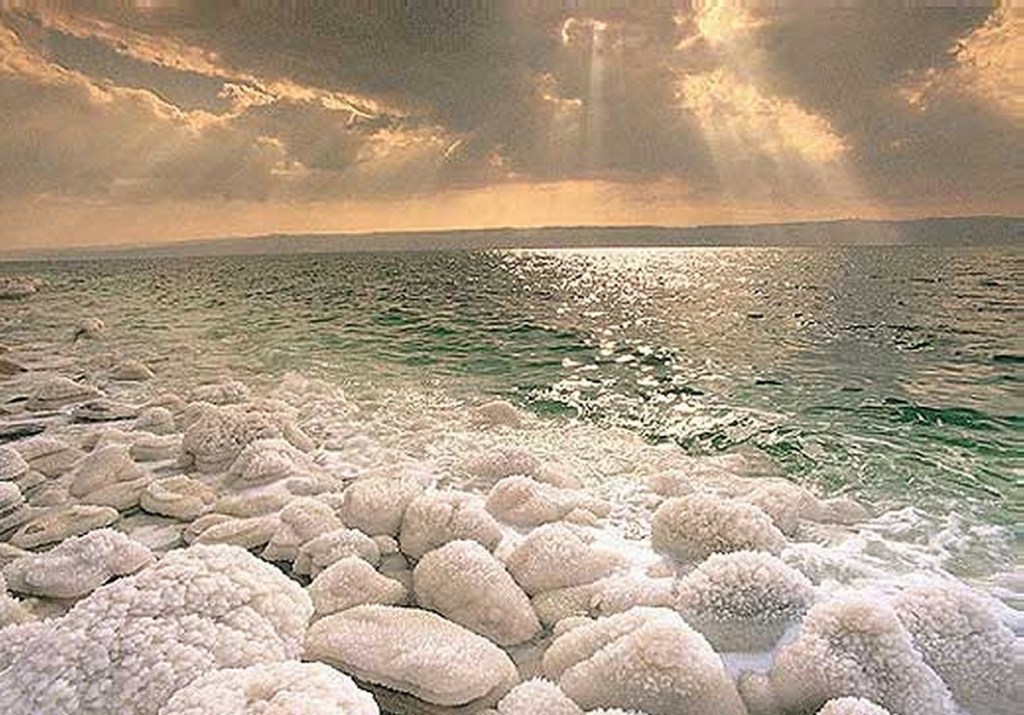
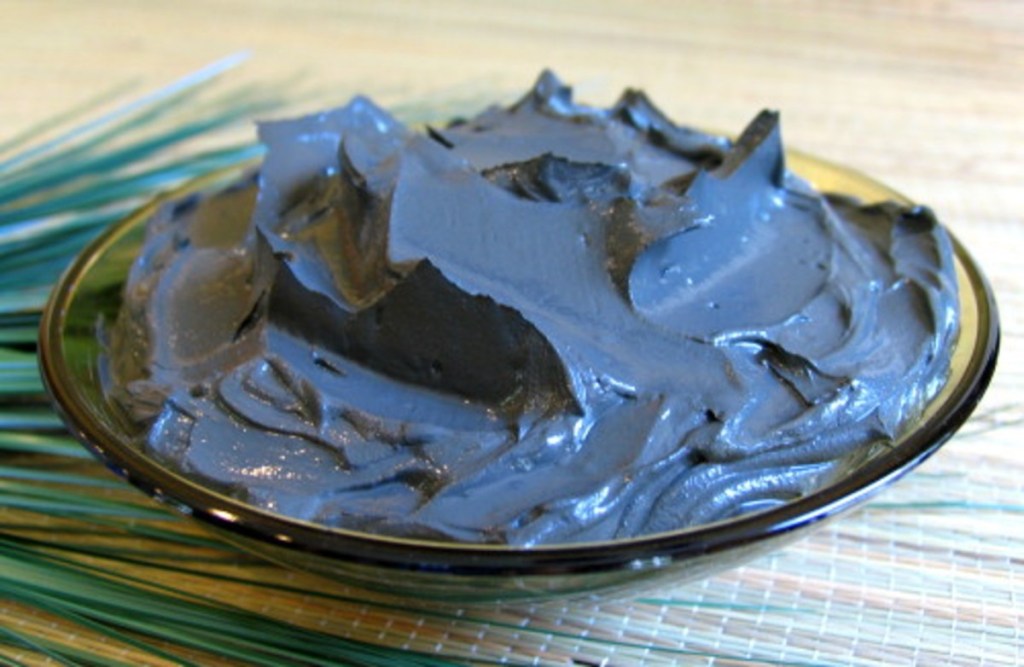
    The Dead Sea (actually a lake), comfortably situated between Israel and Jordan at 1,300 feet below sea level, fills a void in what is in fact the “lowest place” on earth. Protected from pollution by its location, the Dead Sea is continuously fed by the Jordan River and a number of local mineral springs. Because of its special conditions, both the mud and water of the Dead Sea are an extraordinary source of minerals and natural sediments that have accumulated over countless years. Dead Sea mud, valuable for its high concentrations of magnesium, calcium chlorides, potassium and salts offers the skin numerous health and beauty benefits

    The Dead Sea

    Benefits From Minerals

    Minerals benefit the skin by absorbing and utilizing the moisture that is necessary for keeping our skin smooth, soft and resilient. As we age, it is necessary to supplement our skin with moisture in order to lessen its vulnerability to the damaging influences that continuously surround us in our daily lives. Skin cells rely on minerals for metabolism. Without minerals, our skin cells cannot synthesize the nutrients they require for healthy maintenance and growth. Keeping the moisture of our skin well-balanced slows down the effects of aging and protects it from free radical damage. Dead Sea mud, now available to the public for purchase, was once so valued for its beauty properties that Marc Antony captured the Dead Sea area for Cleopatra. Ancient Egyptians are known to have used the mud in the preparation of cosmetics, perfumes and medicinal products, and Cleopatra obviously desired the availability of a continuous supply; I guess she got what she wanted… for a while.

    Dead Sea Mud

    Mineral and Salt Content

    The mineral and salt content of Dead Sea mud affects people differently. Let’s face it, depending on skin type, we all have different needs. People with oily skin can safely use the mud up to three times per week, whereas normal skin types would limit their use to no more than twice a week and dry skin types no more than once per week. Although I have to admit that having dry skin myself, I wouldn’t use the preparation more than a few times per month.

    Upgrading Your Experience

    Dead Sea mud users can also upgrade their experience by adding other readily available ingredients to their mask preparations. A bit of honey, aloe vera, lemon juice and even essential oils can be added during the mixing; the best thing about preparing treatments at home is the individuality of the results. Just remember to apply your mask thinly and to soften it with a warm, wet towel before removal. Softening the mask will make it far easier to remove and a much more pleasant experience.

    Dead Sea mud may be prepared in a number of different ways depending upon how simple or extravagant you’d like your application to be.

    Preparation of Dead Sea Mud

    Dead Sea mud may be prepared in a number of different ways depending upon how simple or extravagant you’d like your application to be. Simple masks can be made by taking several teaspoons of the mud grains (available in many health food stores or online) and gradually adding water until a soft paste forms. This application, which only requires a small amount of mud, should be thinly spread on fresh, clean skin and allowed to dry. After drying, just rinse and pat your face with a clean towel and relish the feeling. Note that Dead Sea mud’s stimulating ingredients may be used on the body as well as the face, but that those same stimulating ingredients may require some getting used to. If you’re using the mud for the first time, it might be a good idea to put it off until you have a nice period for relaxation and to avoid its use just prior to a night on the town. Different skin reacts in different ways, and as with anything else, better safe than sorry.

    The simple application noted above is also beneficial when used as an exfoliant. Dry, irritated and often abused body parts like knees and elbows easily shed their flaky, dry skin when treated. Dead skin doesn’t have a chance against the mud and after treatment rinses down the drain leaving your skin both smooth and moisturized. Extremely dry areas may of course require more than one application depending on how neglected they’ve been, but once you’ve experienced the desired results I doubt you’ll ever neglect them again.

    Test a Small Patch of Skin Before Application

    As with all natural ingredients, test a small patch of skin before application. Most natural ingredients are safely and easily used by the majority, but when using something new there is always a chance of an allergic reaction. Those with sensitive skin should also use these products carefully

    Sources

    The Complete Guide to Natural Healing, International Masters Publishers, @ MCMXCIX

    This content is accurate and true to the best of the author’s knowledge and is not meant to substitute for formal and individualized advice from a qualified professional.

  • Chicago’s Historic Water Tower

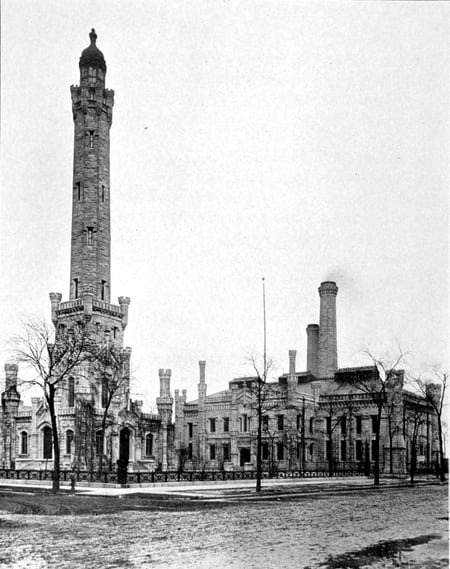
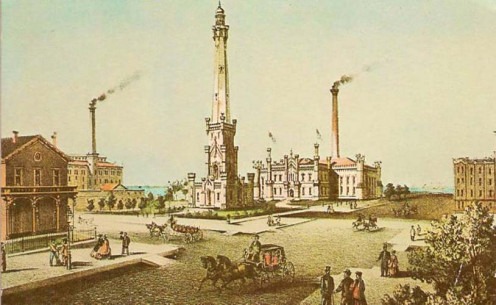
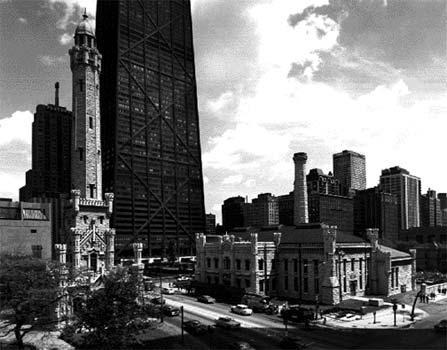
    One of my favorite landmarks in Chicago is without doubt the fairy-tale castle located on Chicago’s Michigan Avenue, also known as the Magnificent Mile. Magnificent doesn’t even begin to describe the Gothic structure which stands as a place out of time…… and depicts an era never seen within the borders of the Windy City. The Chicago Water Tower is a testament to the rich history of its European citizens, a monument filled with imagination and dreams; a citadel standing strong. Surrounded by massive edifices of concrete, glass, and steel, some might believe the Water Tower outdated and out of place, but they would be wrong.

    The Water Tower, designed by William W. Boyington, a Chicago architect, was built using enormous limestone blocks quarried in nearby Joliet, Illinois. Construction began in 1867 and was completed in 1869. When finished, the Water Tower boasted an octagonal minaret, beautifully placed arched windows, numerous balconies, and an elaborate sleeping room in the main turret, topped off by a roof of copper and steel, like icing on a cake. Who wouldn’t want to call this romantic wonderland home?

    Treasured by Chicagoans, this historic landmark was not built as a monument or as an abode for some rich and famous Chicago resident, but rather to conceal and house the 138 foot standpipe that regulated the city’s water pressure. Upon completion, it stood 154 feet tall and was ranked one of the tallest buildings in the world.

    The Great Chicago Fire

    Over the years, the tower would face troubled times. It witnessed the destruction of the city during the Great Chicago Fire (1871) and stood proud as the flames tested its endurance. In the midst of Chicago’s charred and blackened landscape, the Water Tower became a symbol of hope and endurance to the people, a symbol of their invincible character.

    Demolition?

    Shockingly, the Water Tower was slated for demolition by the city on more than one occasion; the public outcry was loud, angry, and adamant. As a result, major renovations were made. The first restoration was a three-year project (1913-1916), in which every limestone block was replaced. This overhaul garnered so much support that it was completed by a ten man construction crew and a team of five-hundred volunteers. Amazing……

    In 1969, during the Water Tower’s centennial celebration, the American Water Works Association deemed it America’s first official water landmark. This honored historical status guaranteed the tower’s safety. The accompanying publicity would make it the third most popular attraction in the city.

    A second renovation of the structure took place in 1978, which included the removal of the standpipe, a complete remodeling of the interior, and a minor face-lift of the aging beauty’s exterior.

    The Chicago Water Tower Today

    Today, though long relieved of its original purpose, the Water Tower now serves as both a tourist center for visitors and art gallery showcasing the work of local artists. It also ranks among Chicago’s top five haunts…… according to legend, rather than taking flight, one of the tower’s workers stayed behind during the Great Chicago Fire in an attempt to keep the pumps running and was trapped when the fire encapsulated the area. Rather than die in the flames, he hung himself in the tower. Many witnesses claim to have seen the shadow of this man hanging through the tower window.

    The Chicago Water Tower is open year round, seven days a week, from 10:00 am until 4:00 pm. Admission is free for all.

    Sources

    Chicago Water Tower, Chicago. Courtesy Of The, Illinois State Historical Library, Mary Michals,, and Iconographer. The Historic Water Tower: Chicago’s Gem (n.d.): n. pag. Web.

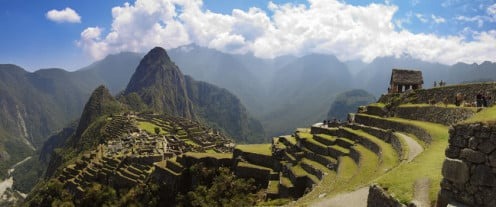
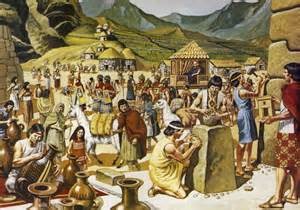
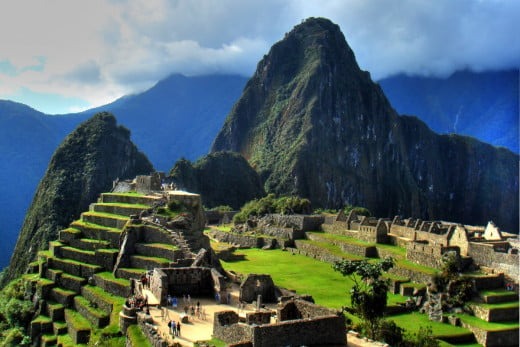
  • Nestled high within the Andes Mountains of South America is a lush, green valley called the Valley of Cuzco. Around A.D. 1200, a native tribe moved into the mountains and established an empire; this tribe was called the Inca. Today, Cuzco is an archaeological dream. Excavations have uncovered the ruins of buildings and cities; artifacts have been sketched and photographed as evidence. Burial mounds have been discovered, as have the naturally made mounds that over thousands of years have changed the landscapes and covered parts of the Inca world.

    The Sacred Valley

    The Cuzco Valley

    Before arriving in the mountains the Inca had lived a nomadic lifestyle. They were a part of the hunter- gatherer society that moved from place to place in search of animals to hunt and edible vegetation for gathering, but the Inca were not the only tribe to make their way into the mountains, nor were they the only ones to settle there.

    The Cuzco Valley is believed to have been settled nearly 3,000 years before the arrival of the Inca people. Around 2,000 B.C., a little known tribe named the Chevin settled in and called the valley home. Towns and villages were born, and from the things they’ve left behind we know that their citizens farmed and carved…. beautiful carvings that have provided us with an open window into the past. Stone buildings and temples, all decorated with the images of snakes, birds, and the BIG cats which roamed the area have been discovered.

    The Mochica

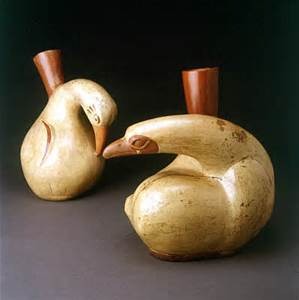
    Another civilization, the Mochica, flourished between the years of A.D 100 to 800, and the artifacts they so carefully created have left us with a vivid picture of their tribal customs. Pots, unearthed in various archaeological digs are painted with pictures of everyday life and are formed in the shapes of animals and humans. These paintings enable us to observe the civilization’s customs from afar.

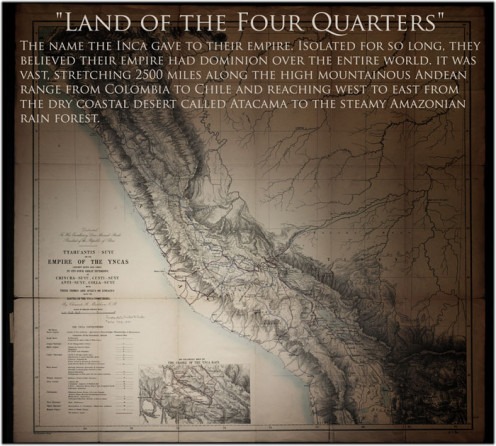
    Land of Four Quarters

    Once the Incas made their way into the mountains, it took only a few hundred years for them to conquer neighboring peoples and extend their domain from the northern border of what is now Ecuador to the modern day city of Santiago in Chile. 2,100 miles of land and nearly 6 million people of those vanquished civilizations found themselves under Inca control.

    The Inca territory was equally divided into four quarters, thus earning the name, Tahuantinsuyu, The Land of Four Quarters. Its division into quarters made governing easier. The tribes that the Inca conquered were not always submissive, and although many of those tribes had already become the Incas allies, some chose to fight rather than join what was becoming a mighty empire.

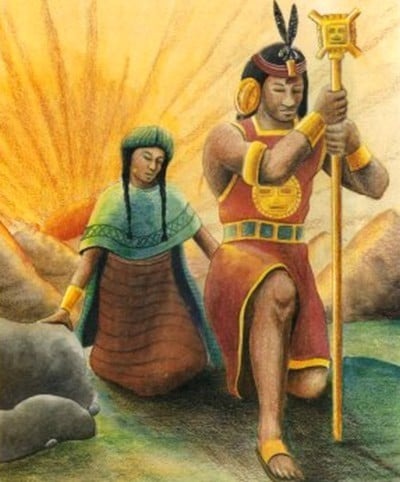
    Manco Capac and Mama Ocllo

    Over the years, the Inca had 12 emperors. The first Inca ruler, Manco Capac, claimed the Sun god as his father. Legend has it that his wife, Mama Ocllo, was known as the daughter of the moon; she was in fact his sister. Manco Capac lived in a luxurious palace decorated in gold; his wife had her own palace that was just as magnificent.

    As first wife, Mama Ocllo was given the title Coya, a name of honor. The Inca were polygamists and had large families of children, but only the sons of the Coya could inherit the kingdom. Unlike many kingdoms, the oldest son did not necessarily come into power after his father’s death. A younger son could inherit the kingdom, and that decision was up to his father, the emperor.

    Manco Capac started the tradition of palace construction, and every emperor to claim rule after his reign built their own palace in Cuzco in celebration of their rule. Palaces were decorated with intricate wall hangings; they boasted bath houses, temples, and patios. The exteriors were surrounded by trees and gardens, and the aroma of flowers and herbs filled the air.

    Cuzco

    The city of Cuzco was the first major Inca city, and the first eight Inca emperors used the city as the center of their government. Over time, the government became stronger, and as the empire’s boundaries expanded its laws became stricter.

    Conquered tribes came under Inca rule; their cultures faced extinction, but often their leaders, the local chiefs, were allowed to stay in power. The sons of these chiefs were commonly taken hostage, and held as important, protected prisoners in Cuzco. It was hoped that the hostages would be completely assimilated to the Inca culture during their stay; it was also hoped that the situation would ensure the behavior of the hostage’s father.

    Defeated tribes were expected to adapt to the Incan way of life. Inca religion became the main religion (those conquered were allowed to keep their own gods, but had to worship the Sun god first), the Inca language the sole form of communication, and everyone without exception was expected to follow Incan law. A group of people called mitimaes traveled through the territory as teachers of culture. Stopping along the way, they visited and warned the members of conquered tribes against rebellion, taught them Incan culture, and taught them new forms of agriculture to improve crop production.

    Pachacuti Inca

    Between the years of 1438 and 1471, the ninth Inca emperor, Pachacuti Inca, began an expedition up and down the coast of South America. Along the way, he and his men fought in a series of battles. Conquering city after city, the empire grew. Many tribes in the line of destruction chose to ally themselves with the invaders rather than fight.

    The Inca ruler or emperor was known as the Sapa Inca. His counsel included four apus, usually family members who were responsible for the day to day governing of the four quarters in which the kingdom was divided. There were many officers under the apus; governors oversaw provincial capitals, curacas (local rulers) were answerable to the governors, and district headmen (camayoc) answered for the specific homes and households they were assigned.

    Inca Life

    Inca laws were often harsh. Lying, drunkenness, and murder could all carry the same punishment, death.

    The fruits of labor were food, clothing, and shelter. Provinces paid tribute to the Sapa Inca as a whole. Food and goods would be sent to Cuzco regularly as a tribute to their ruler.

    The Inca people also paid taxes. Most taxpayers were over the age of 25. All were men who worked on state land. Mind you, the state owned all of the land. Taxpayers also had to serve the Inca government. Service lasted for a duration of five years and may have included time spent in the army, mines, or working on city improvement projects.

    Engineers, architects, and craftsmen were not required to pay tribute. They were taken care of by the government; food, clothing, and daily needs were supplied so that these people could give their full attention to the work at hand.

    Craftsmen worked for the royal family and the priests. They created beautiful carvings, cloth, and miscellaneous objects worked from silver and gold. Craftsmen were often sent from one part of the empire to another as teachers. New workers needed to acquire needed skills, although more often than not the trade was passed down to younger family members.

    Nobles, government officials, and women were exempt from paying taxes; although it was a state requirement that one woman from each of the Inca households had to weave cloth for the state each year.

    Building a Civilization

    Natural resources in the Cuzco Valley allowed for the accumulation of great wealth. Precious metals; silver, tin, bronze, and copper were mined in abundance. Gemstones and gold were great treasures. Metalworkers used their fine tuned skills to produce tools, weapons, decorations, and jewelry, enabling the empire to trade for other not so available necessities and to amass more wealth.

    Beautiful cities appeared, each connected by roads and bridges meticulously planned by Inca engineers. Only government officials and messengers were allowed legal access to roads, however, as their original intent was to enhance the delivery of communication between the provinces and Cuzco. Messengers were stationed every few miles in order to speed up the delivery of important information.

    The Inca laid more than 15,000 miles of road while in power. Two of those roads ran the entire length of the empire. Stone causeways were built over swamp lands, and bridges were suspended across canyons and rivers. Bridges were reconstructed each year because they were suspended by rope.

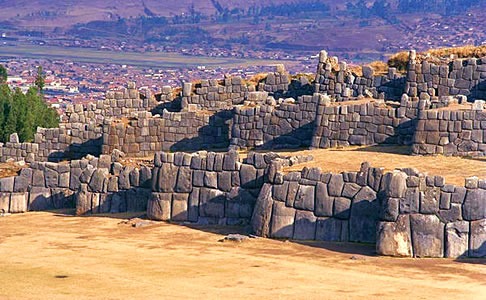
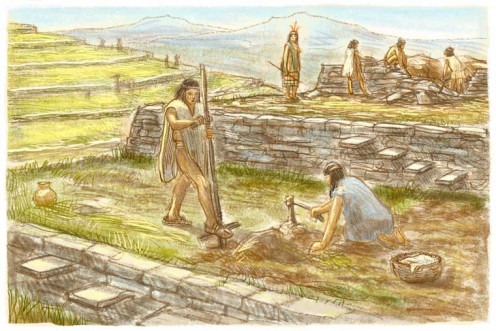
    The most important Inca buildings were constructed in stone; adobe bricks were used for decoration and design. Engineers planned these buildings with the use of clay models; the result was some of the finest stone-masonry of the time. Walls sloped towards the interior as the largest and heaviest blocks of stone were used at the base of the building. Polishing and sanding were done with great care to ensure the perfect fit of each block, rarely did more than a line betray where one block ended and another began.

    Homes were constructed by citizens, and they were often group projects. Each neighbor helping the other with whatever resources were available; grass, mud, stone, or wood depending upon where they lived.

    City dwellers constructed their homes from stone. Those living along the coastline lived in simple frame houses fabricated from wood and roofed with thatch. Residences near the forests built their homes with the use of wood and cane; they too had thatched rooftops. Other homes were made from adobe, brightly painted, an artist’s palette of color on the landscape. Adobe bricks made from mud and straw are still used in the Andes today.

    Entrance into a city would require payment of a toll. Visitors would also need to state their business in the city before permission to enter was granted.

    Agriculture

    Most members of the Inca Empire were farmers, something not always easy to do in the Cuzco Valley. The coastal climate was dry, making it necessary for water to be brought into the area. Irrigation systems were engineered to carry available water through canals. Water was diverted from mountain streams into channels of stone, and when necessary, they physically straightened the rivers and used them as canals.

    Further inland, the more mountainous areas had a different problem; water wasn’t an issue. Farmers on high slopes didn’t lack for rain, they lacked the availability of flat land on which to plant, and they fought the colder climate that produced early winter frost.

    By the time the Spaniards arrived in 1532, forty different types of food sources were grown in the Cuzco Valley. Farmers worked for themselves and for the state, sending produce to the Sapa Inca for his family’s use in tribute, keeping what was needed for their family’s use, and storing surplus crops in state storehouses.

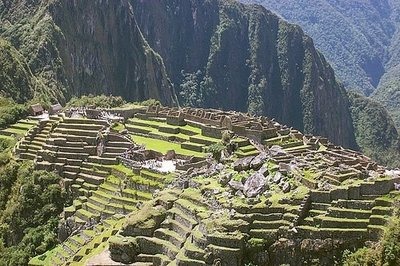
    To solve their problem terraces were built into the hillsides. Walls were constructed to hold back the soil and keep it from eroding. Land was leveled out increasing the amount of land to be farmed.

    Viracocha

    Inca Gods and Religion

    It is said that the Inca worshiped six different gods. The first and most important was Viracocha, the god of creation. They believed that Viracocha made all things in the universe, and that he lived high in the heavens. Viracocha was a spirit god, and he was invisible. Other Inca gods were; Inti (Father Sun and life giver), Mama Quilla (Mother Moon), Pacha Mama (Mother Earth), and Mama Cocha (Mother of Lakes and Seas). The stars were also worshipped as children of the sun and moon.

    Members of the Inca community worshipped the gods in a number of different places. Great temples were built inside the cities. Places where the royal family, nobles, and other government officials could make their confessions and listen to oracles. Priests performed sacrifices and acted as liaisons to the gods. Priestesses served by weaving cloth and preparing special meals.

    Ordinary citizens would worship at outdoor services in the city center. Holy places were also found in the mountains and near streams. These holy places were called huacas, and they were places where people would make offerings to their gods, praying for good weather, harvests, health, or simply to say thank you. Farmers would pour corn beer onto their crops for Pacha Mama; travelers would add stones to the apacita near a mountain pass in hopes of a safe journey.

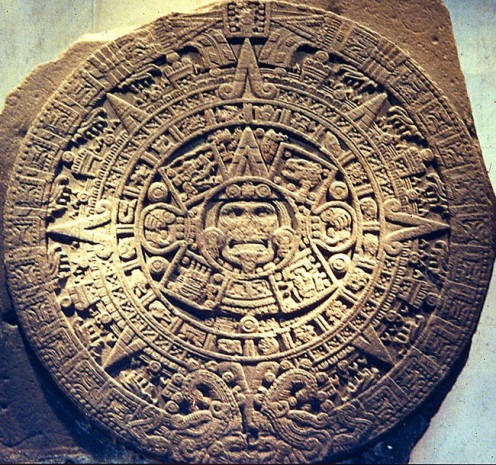
    The Inca, fascinated by the moon, stars, and visible planets kept detailed and accurate astrological records. The astronomers, generally priests, watched the positions of the sun, the moon, and the planet Venus carefully. Based on their observations, it seems the Inca followed two separate calendars; one, based on three ten day weeks that made up a month, and another, that placed eight days in a week.

    Inca Calendar

    Festivals

    Numerous festivals and ceremonies marked the Inca calendar. Most of these events revolved around farming, some were marked by celebration, others, by sacrifice. The Inti raimi, took place each June, and was an important feast in honor of the Sun god. Great sacrifices were made to Inti at this time; many of the sacrifices were children. The sowing season began in August, and was celebrated by the sacrifice of 1,000 guinea pigs with the first planting of corn. In October, the Inca prayed for rain. November brought the Feast of the Dead, special ceremonies and remembrance. Wrapped bodies were ritualistically removed from their resting places and paraded through the streets, something that we would consider desecration; the Inca considered an honor.

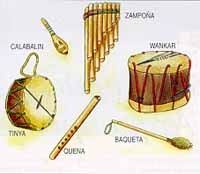
    The Inca greatly enjoyed music, and it was another important part of the feast and festival activities. Almost every religious ceremony and public festival included music and dancing. Inca dances used movement to portray pivotal occurrences in their past. They were another way for the people of the empire to hand down the Inca history and culture. Special dances accompanied by bamboo flutes and the beating of drums told the tales of warriors and farmers; other dances were for the gods, requests for victory in battle or fair weather for farming.

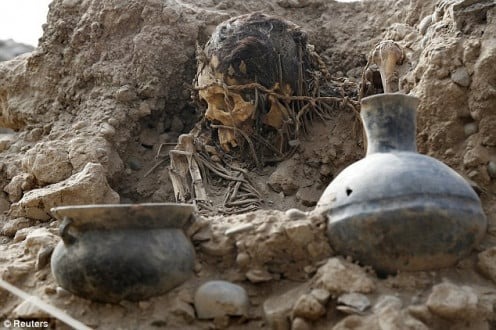
    Peruvian Burial Dig

    Burials

    The death of a loved one was a time to both show respect and honor. The deceased was wrapped in layers of fine cloth, then buried or entombed. Personal items were also buried with the corpse. The Inca believed in life after death, and they believed in sending their loved ones into the afterlife with everything they would need. Food was jarred and sealed, warriors would be accompanied by their weapons, and occasionally an emperor would be attended by the wives or servants who were killed and entombed beside him.

    Relatives would dress in black from head to toe; the women would cut their hair. Funeral feasts were elaborate; good food, good music, and everyone sharing in the slow dancing.

    Inca burials varied. Tombs may have been located in caves or made in rocks. People who lived along the coastline were buried in underground graves. Family members would often visit the grave sites and leave food.

    Marriage and Education

    Inca men married around the age of 25; women were given as brides at around the age of 20. If the couple lived within Cuzco, the marriage ceremony was performed by the Sapa Inca. Those outside the capital’s city limits would be married by the local official of their province. After the official ceremony, the couple would return to the bride’s house where her father would give her to her husband. This was symbolized by the father placing a sandal on her right foot. The wedding party would then move on to the home of the groom, where the bride would gift her husband with a special wedding cloth she’d woven herself. Then came the feasting and dancing.

    Children were trained in the work of their families, something they’d need in order to become fruitful adults. Boys and girls both celebrated a ritual coming of age. As girls turned into women they would fast for three days. The fasting would end with a ceremonial washing, new “adult” clothing, and a formal naming. This celebration was called the quicochico ceremony.

    Traditional coming of age for the boys took place at the age of fourteen, a celebration marked by a ceremony called huarochico. The huarochico ceremony took place over several weeks, and was always celebrated during the time of the summer solstice. The boys’ discipline, strength and skills were tested in a variety of different ways, and at the end they were given their adult names, weapons, and gifts from their families.

    Boys from the nobility would go on to the house of teaching. Located in Cuzco, the yachahuasi was a place where they were educated in religion, government, society, and engineering.

    Francisco Pizzaro

    Atahuallpa

    Atahuallpa’s Death

    The Arrival of the Spanish

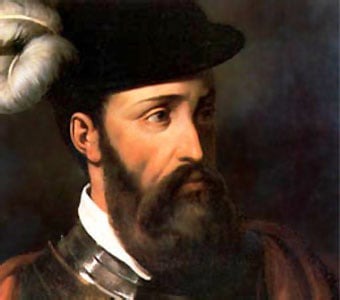
    Francisco Pizzaro, a Spanish explorer, set out to explore South America in 1531. As one of the first European men to see the Pacific Ocean, he was also one of the first to see the South American coastline, but his first glimpse of the riches South America held was the view of a large raft. The raft carried something that many throughout history have sought, fought, and died for; it carried silver, gold, gemstones, and finely made cloth.

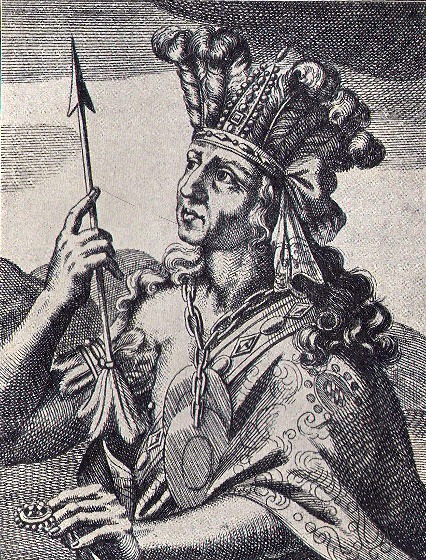
    Messengers brought news to Atahuallpa (the last of the Inca Emperors), that white men had landed on their shores. The messengers detailed that these men were warriors, that they rode animals, and that they carried sharp swords. In 1532, one of Atahuallpa’s messengers was sent to visit Pizzaro’s camp where he invited the explorer and his men to visit the city of Cajamarca.

    Pizzaro and 160 men soon set off for Cajamarca. Some traveled by foot, others on horseback. The Spaniards nervously traveled through the canyons, up into the high passes. Inca forts were visible and manned. It would have been an easy feat for the Inca to overtake the newcomers, but they didn’t. In November of 1532, Pizzaro and his men finally reached the end of the mountain passes where they came face to face with the beautiful farmlands of the Cajamarca Valley. A place they also found themselves staring down on the tents of an enormous Incan army.

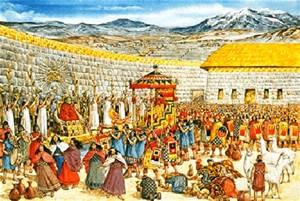
    Atahuallpa was not inside of the city when the Spaniards arrived, but he soon came to greet his visitors. Dressed in richly embroidered clothing and wearing an emerald collar, he was carried into the city seated on a throne; he arrived with 5,000 of his men. He was impressed by the Spaniards’ horses, knowing that their presence gave the visitors the ability to move quickly through the city, but he wasn’t afraid. He should have been.

    What Atahuallpa hadn’t known was that many of the Spaniards had hidden themselves in the city early that morning, that they had been awaiting his arrival for most of the day. Sapa Inca was quickly taken prisoner by the Spanish contingent. One account describes Atahuallpa watching as his nobles were killed, and then helplessly watching the attempts of his unarmed soldiers to escape. Another account cites that the soldiers were armed with small weapons concealed inside of their clothing. Either way, by nightfall, thousands lay dead on the city streets.

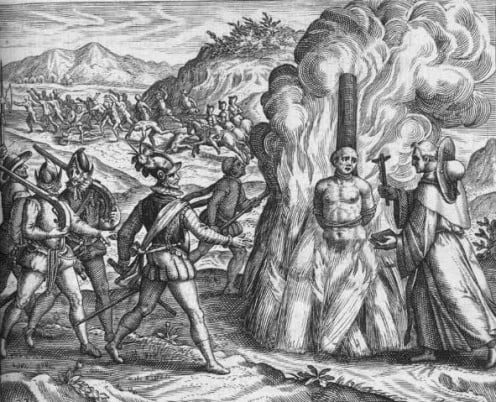
    Morning found the Spaniards riding into the Inca camp. They took all the gold they could find, and Atahuallpa, believing he still had room to bargain, offered them a room of gold if only they would free him. Pizzaro agreed, and Atathuallpa kept his promise; Pizzaro didn’t. Within months, all of the gold was melted down, and Atahuallpa was sentenced to death. The last true Inca emperor was strangled publicly in the city square. As the deed was finished, they set off to claim Cuzco.

    After Atahuallpa’s death, the Inca civilization quickly collapsed. The Spaniards had no appreciation for their customs and traditions. Lands were quickly confiscated, new taxes were employed, and many of the Inca men became little more than slaves laboring in the mines.

    The Spanish unknowingly brought other things with them as well. Diseases like measles, smallpox, and typhus decimated the Inca population. What had once been a population of six million had fallen to two million over a fifty year period of time.

    Conclusion

    Although the great Inca Empire had fallen, many of its customs and traditions still live on today. There are at least six million people who currently speak the Inca language. Housing has changed little, farming is still the same, the terraces are still used, and the foods they eat have stayed constant. The only big change in the Inca crops would be the wheat introduced to them by the Spaniards.

    Today’s farmers still use the same types of hoes that existed in the earliest days; technology is still unheard of. The feasts and festivals of the gods are celebrated, although many are accompanied by the Christian celebrations that so many of the Inca now believe in. Religions have blended. Peru’s citizens, particularly those living in the mountains continue to use many of the same roads and bridges built by their ancestors. Andean women continue to make thread with the same tools.

    When you really stop to think about it, it’s almost as if time has been standing still.

  • Our children learn about the process of pollination in grade school; the honeybee darting to and fro from flower to flower, gathering nectar and spreading pollen grains to keep the circle of horticultural life moving. What they often don’t learn is what happens between the collection of nectar and the appearance of the honeybee’s ultimate product stored so beautifully on the shelves at their local grocers. Honey is a delectable substance that naturally does wonders for the body both inside and out, a substance that has been used both medicinally and as a beauty treatment for centuries. This sweet, gooey treat is everything anyone could possibly desire in a “good for you” food.

    The Who’s Who of Honey

    Let’s talk about the rich and famous, the people who’ve made history by their actions and indulgences. Think Cleopatra, a woman who rocked the Roman empire and regularly added honey to her cleansing ritual…………… the milk bath. Her belief that the ingredient was irreplaceable for keeping the skin smooth and firm couldn’t have been too far off the mark, and the adoration of two Roman legends attests to her beauty. Queen Elizabeth I, Poppea (wife of Nero), and even Nefertiti the wife of an Egyptian Pharaoh (Nefertiti translates “the beautiful woman has arrived) also used honey in their beauty routines, and each of these women has garnered the description of having possessed great beauty.

    Other historically prominent women who have credited honey as a part of their beauty regimens are Madame du Barry, England’s Duchess of Marlborough, and Queen Anne of England. Once the mistress of Louis XV, Madame du Barry’s ritual was to lay down and rest after applying honey as a mask. It must have done its magic as the mistress kept her king. Sarah, Duchess of Marlborough was a 17th century icon and often claimed that a rinse of honey water was responsible for her luxurious, glowing hair. Queen Anne of England also extolled the use of honey as a hair beautifier, preferring her treatment be mixed with essential oils. She attributed this ritual to maintaining her long, lustrous locks.

    I Samuel 14

    Honey in the Bible

    Mentioned numerous times in the Bible, honey is extolled throughout the scriptures. Exodus, Proverbs, the Psalms, and the Song of Solomon speak of honey in terms of nourishment. Honey as a promise, honey as a description, and honey’s value to both our physical and spiritual states. During Biblical days, women were recorded to have applied honey to their skin in addition to other valuable oils used in bathing rituals. The Book of Genesis tells us that “honey” was a part of the bribe Jacob offered to Joseph for Benjamin’s release,“If it must be, then do this: Put some of the best products of the land in your bags and take them down to the man as a gift–a little balm and a little honey, some spices and myrrh, some pistachio nuts and almonds.” (Genesis 43:11, NIV)

    This sweet, tasty substance was a gift from God, and it was valuable. How fitting that one of the most valuable products available to consumers today is a God given natural substance; the result of the labor of only two of his creations. People spend thousands of dollars per year on man-made products filled with chemicals and toxins, and yet all they need is to study the properties of the miracles around them.

    The History of Honey

    With a history dating back to 3000 B.C., honey is most often recorded for its medicinal properties, something that shouldn’t be overlooked when writing about its intrinsic values. When applied to scrapes and cuts, honey naturally prevents the growth of bacteria; in ancient Egypt, honey was used in the mummification process as a preservative and embalming product, and in the days of ancient Rome, soldiers carried a supply of honey for its use as an antiseptic to treat wounds inflicted during battle.

    Ancient Romans were also hailed for their expertise in the beekeeping business. Overly fond of sweetness in both food and drink, ancient Roman recipes relied greatly on honey as an ingredient. Rumor has it that honey made the menu at each and every meal, and that they specifically made honey as a gift to their gods. But more importantly, the Romans also used honey for health and cosmetic purposes.

    The Beauty Benefits of Honey

    Today, in this age of organic foods and beauty products, the focus of beauty is returning the natural benefits of nature’s finest produce. Honey enables our skin to maintain the softness, elasticity, and suppleness that we lose during the aging process. Environmental and emotional stress, in addition to the daily attack of the chemical agents lurking in our environment rob us of our ability to retain water. Honey, a natural humectant not only helps us to retain water but attracts it as well.

    Although honey can be found in countless beauty products at various beauty supply stores, the expense of buying pre-packaged, expensively labeled, and preservative laden products is completely unnecessary. Available anywhere from the grocery store to your favorite market, honey is easily located and inexpensively purchased. Raw honey is without doubt the best as a topical treatment for the skin, as pasteurized honey will have lost some of its beneficial enzymes during processing.

    The Properties of Honey

    The properties in honey admittedly vary. Some honeys are made by bees who feed on flowers, whereas others are made by bees who feed on clover. Some beekeepers even feed their bees refined sugar to increase production, and although the differences between the honeys aren’t really known, all honeys have common enzymes in their content. These commonalities include twenty-four different sugars, eleven to twenty-one amino acids, eighteen types of sugar acids. eleven separate minerals, a total of five enzymes, and at least four different proteins.

    Many people are wary of using what they consider to be a sticky substance on their skin, but when used on damp skin, honey is not the least bit sticky. A dollop of honey applied to damp skin with wet fingertips will give your skin a beautiful glow and provide you with a base that will better absorb other products. Honey not only works to attract moisture but helps your skin to retain moisture as well.

    Honey’s natural abundance of nutrients and enzymes help the skin to counter the effects of our pollutant filled environments. In other words, this natural product can help protect the only skin we’ll ever have from the unnatural things we’ve created to harm it. Used routinely, honey will also help to reduce the fine lines we acquire in response to age and stress, help to alleviate breakouts with its antibacterial properties, and help slow the aging process of our skins. Filled with many of the nutrients craved by our ever thirsty outer layers, honey helps the skin to rebuild collagen and elastin, all while providing nourishment and rejuvenation. Amazingly, it can boast those same two benefits for our insides as well.

    DIY Beauty Recipes Using Honey

    Preparing honey for topical use on the skin is simple, quick, and affordable. Preparing a honey tonic is nothing more than a dab of honey and water smoothed across the skin. Particularly effective on the face, this tonic makes the perfect base for moisturizers and cosmetics and gives the skin a youthful glow.

    As anyone with an impeccable skin care routine can attest to, a good toner is irreplaceable. Admittedly, this is the step that I myself tend to skip most often because my skin is dry, and the tightening effect provided by a good toner tends to bother me. In my search for natural beauty products I came across a toner recipe that truly doesn’t leave me feeling like an old painting needing refurbishment, and that would be an application requiring nothing more than cucumber and honey.

    Preparing this Cucumber-Honey toner is easier than chopping up a dinner salad and just as refreshing. Simply take one medium cucumber (peeled) and chop into small pieces until you have the consistency of a puree. Grab a sieve out of the kitchen cabinet (if you haven’t a sieve check the nearest dollar store), line the sieve with cheesecloth, and allow the puree’s liquid to drain into a small glass bowl (the liquid should be drained in about 15 minutes). Once your liquid is fully drained pour it into a clean bottle (again, check the dollar store) and add two teaspoons of raw honey; shake the mixture and voila, you have a safe, natural, moisture infusing toner. Note that your toner can safely be stored in the refrigerator for a week, so if you find the recipe yields more toner than you need, adjust your recipe to eliminate waste.

    Other easily prepared skin treatments require nothing more than the opening of the refrigerator door or a short trip to the market. Equal parts of honey and yogurt make an excellent face mask to hydrate and moisturize tired, dry skin (one teaspoon each of honey and yogurt is sufficient). Naturally smoothing skin lotion is just as easily concocted with kitchen staples. A tablespoon of honey mixed with a tablespoon of oil (olive oil or coconut oil are both a great choice) and a few drops of lemon juice will quickly and naturally leave your skin soft to the touch. Best of all, this all natural lotion will keep you soft and smooth while repairing your skin and cost almost nothing.

    All in all, honey is a natural fit for almost every lifestyle. Take a walk down the aisle of your favorite store and you’ll notice shelves filled with ointments, lotions, conditioners, shampoos, and facial products that use honey in their ingredients. Women buy these products to pamper themselves, and I have often been one of those women. My journey into natural beauty has taught me that the best products are natural, and that they don’t have to claim a large part of my paycheck to take their place amongst the containers in my bathroom. Natural beauty is a small investment with a huge return; my advice is to invest in yourself and give it a try.

    Sources:

    The Complete Guide to Natural Healing, International Masters Publishers, @ MCMXCIX

    http://allnaturalbeauty.us/hbr_hair_skin_body.htm#skin_recipe_bookmark

    http://www.berkshirehistory.com/bios/sjennings.html

  • The Beauty of a Rose

    The rose is considered by many to be the most lovely flower in the world, and although the number of varieties is disagreed upon, our love for this flower is without doubt immeasurable and universal. Enchanting bouquets, petals strewn across the linens in a bridal chamber, luxurious perfumes and delectable oils invoke desire, memories and romance. They are aesthetic and sensual, and yet they are so much more.

    For most of us, the winsomeness of an established rose garden is virtually impossible to duplicate. My own horticultural skills are admittedly lacking, but I do occasionally indulge myself with an exquisite half-dozen or so, charmingly arranged and prominently displayed in my home. Unfortunately, blooms soon die and aromas fade. Fortunately, the process of distilling rose oil, and its availability in countless products from essential oils and candles to a variety of beauty products allow us to enjoy this pleasurable scent at will.

    Rose Otto versus Rose Absolute

    Creating natural beauty products with essential oils has become more than a hobby, it has become a passion. As I’ve gotten older, the additives in the products that make their way onto my body have become just as important as what I put into my body. Historically, the blooms, petals and oil of roses have been used to soothe the mind and soften the skin. As a bonus, it is also noteworthy that rose oil is safe and beneficial for all skin types. Thus, rose oil is a boon for one and all.

    Although many people make their own rose oil, I have not been quite that adventurous. Purchasing organic rose oil, free from any pesticides or other chemicals is my number one concern. There are two types of rose oil on the market; Rose Otto, which is steam distilled, and Rose Absolute that is solvent extracted. Rose Otto requires a two-part distillation process, which involves the treatment of approximately 60,000 petals per every one ounce of oil. This essential oil is light in color, has a weightless, airy aroma and is utterly stable when properly stored. It is also far more expensive than its counterpart.

    Rose Absolute is not considered an essential oil and is not recommended for skin care. Like the Otto, the Absolute is also produced in multiple steps, but that is where their similarities end. Absolute oil is extracted and washed, and, unfortunately, its heavier, more aromatic scent is derived from the use of ethanol in the washing. There are mixed reviews on the exact amount of chemical residue, if any, present in the Absolute oil. None-the-less, we are talking about skin care…… not candles.

    It is also important to note that the additives in Absolute make it unstable. Thus, when purchasing your rose oil take shelf-life and waste into consideration. The Absolute may be half the price, but because it has been diluted it needs to be used within six to eight months and then discarded. In comparison, Rose Otto is completely stable and will last forever if stored in a cool, dark place.

    Rose Oil Benefits

    As already mentioned, Rose Oil is beneficial to every skin type and can be used alone or by mixing it into your favorite skin creams. Its moisturizing properties can hydrate even the driest, most sensitive skin. As we get older, our sebum production drops, leaving our skin undernourished and dehydrated. Rose oil is easily absorbed and provides immediate relief for tired, thirsty skin.

    Rose Oil’s versatility also helps to reduce redness and inflammation in sensitive skin, has antibacterial properties to help heal acne and prevent scarring, and antiseptic properties that help to heal wounds and ward off infections. It is a multi-purpose oil and an essential part of creating natural beauty products in the home.

    Making Your Own Lotions and Creams with Rose Oil

    Nothing is easier than mixing a light moisturizing lotion for everyday use. Start with a small glass bottle (four ounce); fill the bottle two-thirds full with your favorite carrier oil (jojoba oil is my own preferred carrier oil); and then add seven to nine drops of essential rose oil. This blend is simple and benefits all skin types, particularly those of us with aging, dryer skin. This combination of oils is also perfect for warmer weather when we tend to perspire …. it absorbs quickly and leaves the skin silky smooth without annoying residue.

    For a creamier moisturizer, we need to blend in a few ingredients; this will require a double-boiler (a must for creating natural beauty moisturizers at home). The base will comprise two-thirds of your mixture, so choose carrier oils that work best with your skin type. These oils can be used alone or combined to make a serum. I recommend Jojoba, Argan, and Apricot oils for dry skin; Safflower and Grapeseed for oily skin prone to break-outs; Almond, Hemp, and Olive are best suited for normal skin and may be exchanged per preference.

    Once you have chosen your carrier oils, you will need one-half cup of your serum. It is important to once again note that you can combine any of the oils above in any amount you choose, as long as the result equals one-half cup for your recipe. After mixing your oils, place them in a double boiler and add two tablespoons of beeswax (organic), stirring constantly until the mixture is completely blended (you may want to adjust the amount of beeswax in order to achieve a thinner or thicker consistency). Remove from heat immediately after the beeswax is melted and continue stirring until completely cool; Essential Rose Oil should never be added to your base ingredients until they are at room temperature. Adding essential oils at the wrong time (temperature too warm) will cause them to evaporate.

    Rose Otto oil is admittedly an expensive investment, but it is worth every penny. Essential oils are ‘essential’ to making beauty products at home. Our skin is our body’s largest organ, and it is responsible for protecting all of the others…..thus, it is our job to safeguard it the best we can.

  • Historical Uses of Beeswax

    Throughout history, beeswax has been used in various ways. Up until the mid 1800’s, it was the most popular ingredient in candle making (replaced by paraffin). Candles themselves have been used for everything from religious ceremonies to romantic dinners. Coal miners once used marked candles to time their work shifts, whereas the wealthy used them to illuminate their homes and valued their sweet, aromatic scent. Artists have also prized beeswax for use in encaustic painting. In the first through third centuries, this medium was regularly used in Egypt to create the Fayum funeral portraits. These portraits then became memorial coverings for mummified corpses.


    Beeswax

    For all of its many uses, beeswax, for me, remains an essential ingredient in my own study of natural beauty. As I’ve grown older, I have become just as aware of the toxins and chemicals used on my body, as the toxins and chemicals we are exposed to every day in our environment and food sources. For those of us concerned with natural, organic beauty, beeswax is one of the finest additives available.

    It takes thousands of crafty, little worker bees to create the meticulously constructed honey-comb cells that provide us with beeswax. Beeswax is the foundation of their hive and is made up of multiple tiny, six-sided rooms, which store the hive’s honey until the beekeeper extracts the golden hued fluid. When the harvest is over, the beeswax left behind is melted, purified, and marketed in a myriad of different ways.

    Choosing and Purchasing Beeswax

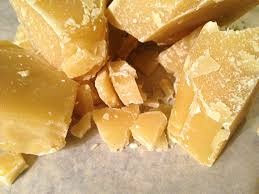
    When shopping for beeswax to experiment with at home, be sure to note that untreated, pure beeswax is not white. Pristine white beeswax is not natural and has most likely been treated with chemicals (bleach), which is exactly what we want to eliminate. Beeswax should be golden in color, but the color will not be uniform from one purchase to another. It is a well known fact that the older the beeswax, the darker the color. Thus, don’t be afraid of fluctuations in shade.

    Purchasing your beeswax can be done in numerous ways. There are no shortages of sites marketing the product on the internet, and most health food stores carry one form or another; blocks; pellets or sheets. I personally opt for the local beekeeper, who might not produce in high quantities but supplies me with beautifully fresh blocks. Although it is not an option for everyone, locating local or state beekeeper associations helps to support your local economy. Purchasing organic beeswax is always preferable in order to avoid impurities, especially when your intent is to craft creams or balms for use on your skin.

    Whatever your recipe, feel free to be enterprising. We all have different skin types, favorite aromas and specific results we would like to attain. When creating natural skin care products, we are not choosing candle scents (that will come in another article), we are talking about the ingredients best suited to ourselves as individuals.

    Beeswax Lotion

    • 1/2 cup Almond Oil, Organic
    • 2 T. Cocoa Butter, Organic
    • 1/4 cup Beeswax, Organic
    • 1/4 cup Coconut Oil, Organic
    • 10-15 drops Essential Oil, Your preference
    1. Warm all ingredients in a double-boiler until melted.
    2. Add essential oil
    3. Pour into jars…. I prefer 4-6 ounce glass jars.

  • What is History?

    History is the story of humanity and its longstanding education to understand and live in this world. It traces our development from our beginnings to the present… the world as we know it today. How did the hunter-gatherer society learn to hunt, and what did they hunt for prey? How did they learn what was safe to eat, as opposed to what when consumed would end their lives. Prehistoric peoples faced many challenges that we cannot even begin to understand or imagine. Every day could be their last, but those who persevered became the catalyst for who we are today.

    Time is an all important part of the historical record. We mark events to measure the passing of time. Family vacation over Christmas; time spent with Gramma and Grandpa over the summer; “we’ll be there in three sleeps.” History is also measured by time, and one of the first examples of this measurement can be linked to the invention of writing, which separates history into two periods… the prehistoric and the historic. The Prehistoric times mark the years that people lived on earth before the invention of writing. The Historic era begins with the invention of writing, records often carved into clay tablets or wood.

    Though progress was slow and difficult, the hard work and determination of these people would prevail. The foundations for something bigger than even they imagined were being laid by their hard work and willingness to face the unknown. Would their contributions make a difference? At the time, they had no idea, but as we look back, it is easy to see that whatever contributions were made eventually led to success and the establishment of what we today call “civilization.”

    Cradles of Civilization


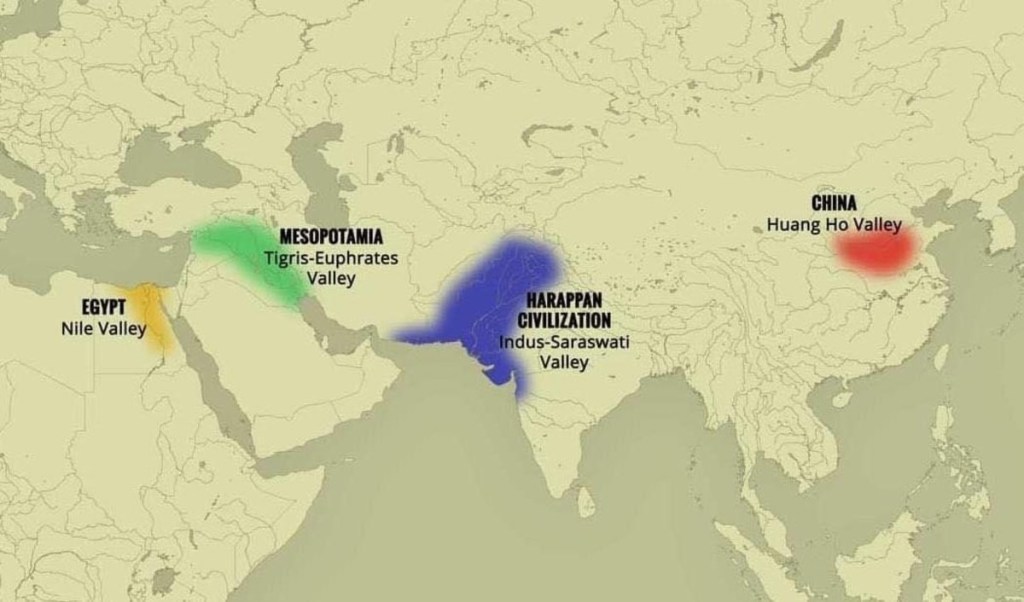
    The Cradles of Civilization

    The advent of civilizations gave humanity the ability to settle in one place, but the development of civilizations again required progress. Agriculture enabled humanity to establish homes and produce valuable food sources, but other things were needed for civilizations to thrive and survive as well. People had to be able to communicate with each other, creativity inspired invention and the arts, which were necessary for toolmaking, for enabling the farmers to plow their fields and to reap their harvests. The ability to successfully farm allowed artisans to specialize in certain areas and soon trade became a way of life… each person contributing their talents to the newly established communities.

    The world’s earliest civilizations grew up in the areas now deemed the “cradles of civilization,” the four lush river valleys that are located in different parts of Asia and Africa. Ancient Egypt is one of these civilizations.

    The First Egyptians

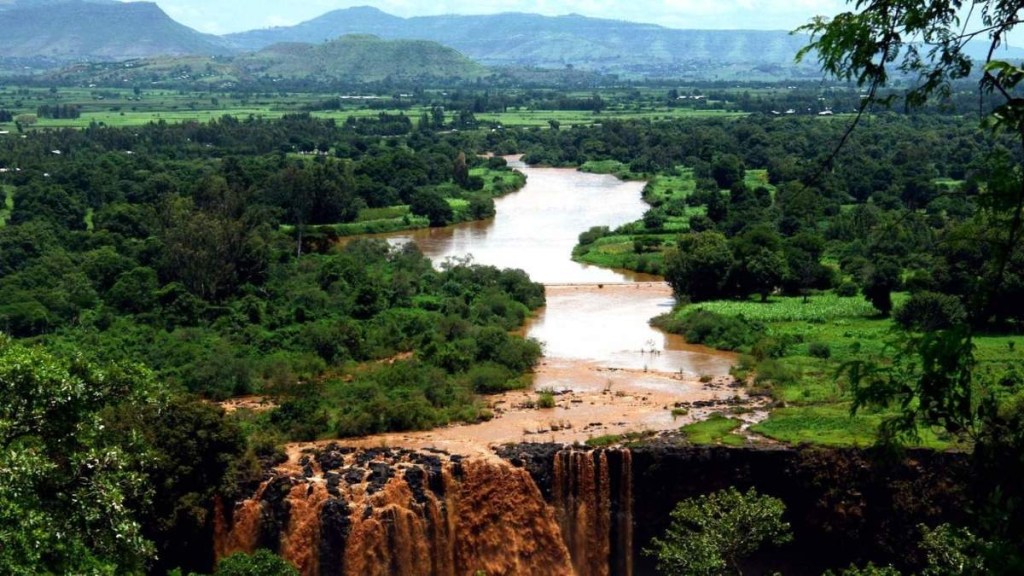
    Thousands of years ago, the Valley of the Nile, once a lush, grassy plain in Northern Africa, was inhabited by prehistoric people and numerous prehistoric beasts. Abundant rainfall had created the perfect living conditions in a land that stretched from the Atlantic Ocean to the Red Sea. Over time, however, the rain declined, and the absence of those rains caused this prehistoric haven to become what we now know as the Sahara Desert… the greatest desert in the world.

    Luckily, the lack of rain didn’t affect the great Nile River, which was fed by the yearly rains that fell each summer along the Mediterranean coastline, overflowing the Nile’s riverbanks and flooding the area with water, which later receded, leaving in its wake a layer of rich, fertile soil. The marshlands created by the overflow stretched for five to ten miles on either side, and the greenery of the valley lay in sharp contrast to the desert surrounding it. In the valley, shallow basins, ponds, and pools filled with bushes and reeds thrived, providing shelter for the creatures who made their homes in and around the bountiful swampland. Crocodiles, hippos, elephants, snakes, and hyenas were prevalent, wild birds soared as they waited for the mosquitoes, a favorite food source, that hovered above the marsh.

    The Nile River Valley, which today is noted to be shaped like a lily, is the flower (a triangular area) known as the delta, which was formed by the river as it regularly received the deposits of soil moved from central Africa during the summer rains, creating the richest soil in Egypt. The stem, the Nile River itself, which is made up of several branches, makes its way to the sea, carrying deposits with it along the way.

    During the days of prehistory, the people of Northern Africa were hunters and herders. The land was lush and green, but as already stated, over time these conditions changed with the substantial decrease in rainfall. Some prehistoric peoples remained in the desert, others moved on heading south toward the jungles to hunt and search for greener pastures. Still others moved toward the Nile Valley’s marshes and were later joined by other people from other areas, namely southwestern Asia. These were the people that became the first Egyptians.

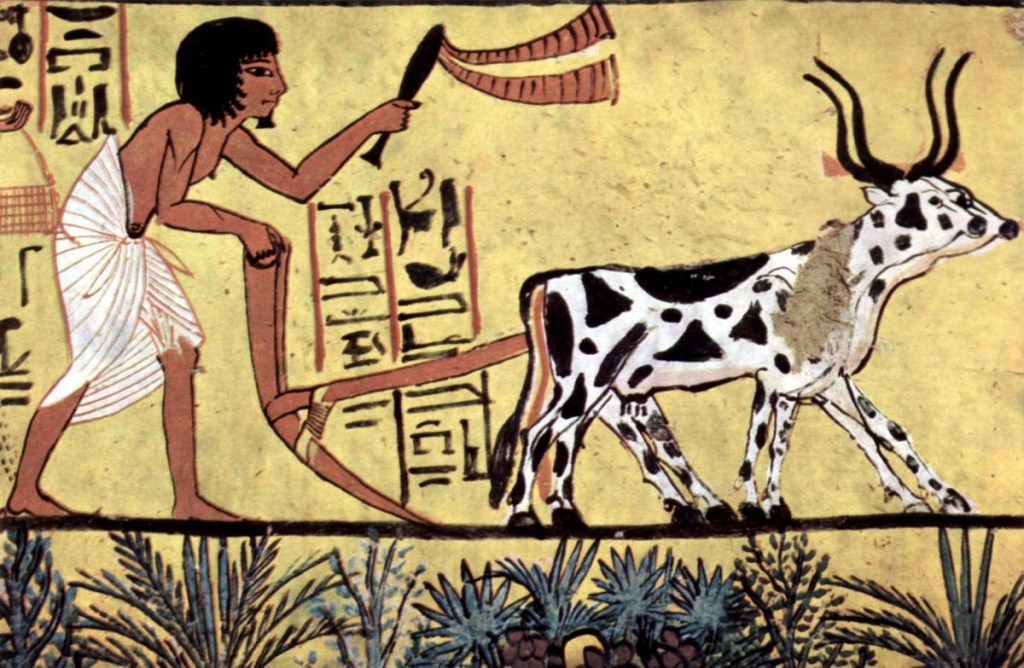
    Early Egyptian Farming

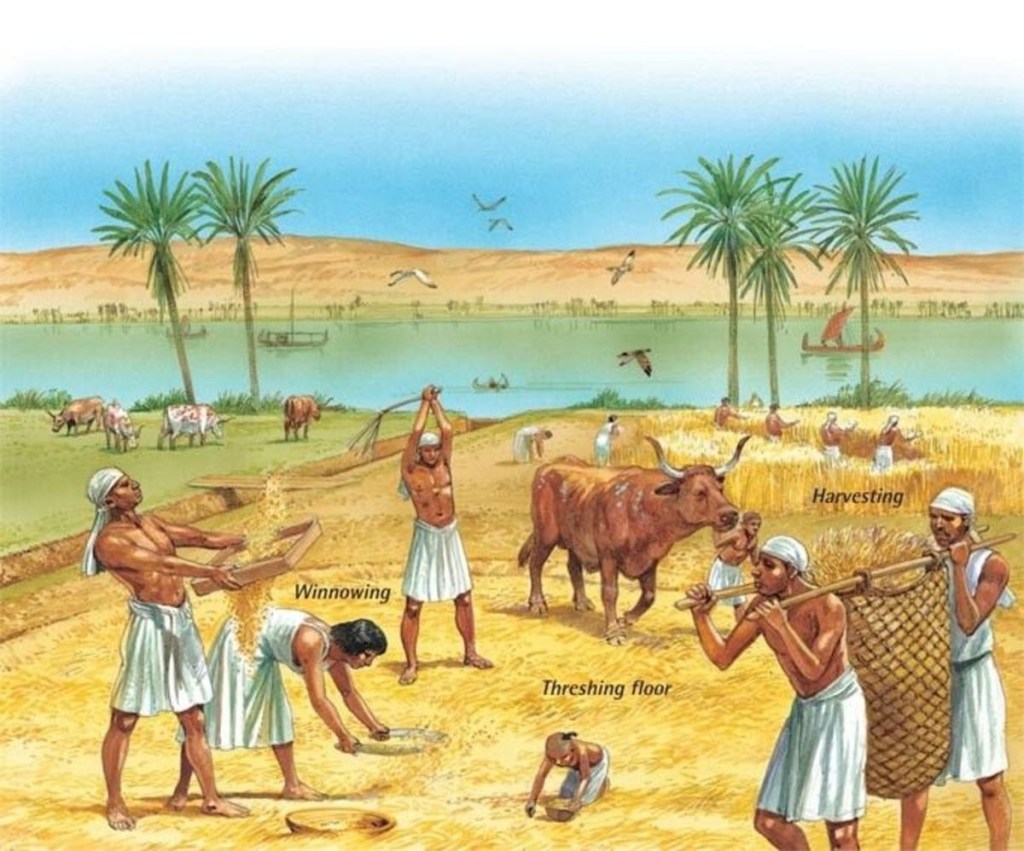
    Early Egyptian Agriculture

    As the first Egyptians settled permanently in the Nile River Valley, their first priority was farming the fertile lands along the Nile. Over time, they faced many problems, which in turn, needed to be solved. The rich black soil was perfect for farming, but farming within the marsh was impossible. Before they could utilize the soil, it was necessary to separate it, thus, the digging began as ditches were created to drain the excess water that collected in the marshes.

    With that problem solved, the area’s first farmers quickly learned that the valley wasn’t always green… that before the next rainfalls, the heat and sun would dry and parch the ground into a mass of dust and cracked earth. The vegetation disappeared with the water, leaving nothing behind. So, what did they do? Well, they didn’t give up… they innovated. They used their brains, and they problem-solved, soon realizing that if they were going to survive, they needed to guarantee that they would have a supply of water that would last them from one summer to the next. Innovation and brainstorming led them to discover a way to keep a supply of water by storing it in pools, by digging ditches and canals, by learning to prepare the land so that when the water levels lowered, the water could once again be raised from the canals and ditches for their use… for their survival.

    Once their water problems were solved, these early Egyptians had to learn to prepare the soil properly for planting. Initially, sticks and hoes served the purpose, but over time, the wooden plow was invented, using oxen for manual labor. The invention of the wooden plow was a game changer that allowed for larger fields and substantial harvests, but unlike the plows we envision today, the Egyptian plow was light and versatile, its reins tied to the horns of the oxen, rather than strapped over the oxen’s back. This form of plowing was only made possible because of the flooding in the valley, which created conditions that left the simpler task of breaking up the topsoil before planting. An abundance of flax and grains provided the sustenance needed for the people, and it also allowed the people to branch out into other areas. A farmer might have had more grain than he needed, and a hunter might have more meat than his family could consume without spoilage. The beginning of trade made a lasting mark, and most importantly, it allowed for the growth of civilization.

    Community and Cooperation

    There is no doubt that one of the most integral aspects of civilization is community and cooperation, a desire to be successful, and that everyone takes part in the community’s success. Draining swamps and irrigating the land is not the job of one individual, making sure that the water supply is adequate to sustain the community until the next rainfall requires cooperation. Rules had to be made and enforced to guarantee that supply would sustain the village, which resulted in the early and simplest form of government. Leaders, called chieftains, were chosen by the people to oversee arguments, to de-escalate and settle disputes. At this time, laws and rules weren’t written down, but everyone knew what they were. Later, King Menes, would be the first ruler of the country we now know as Egypt.

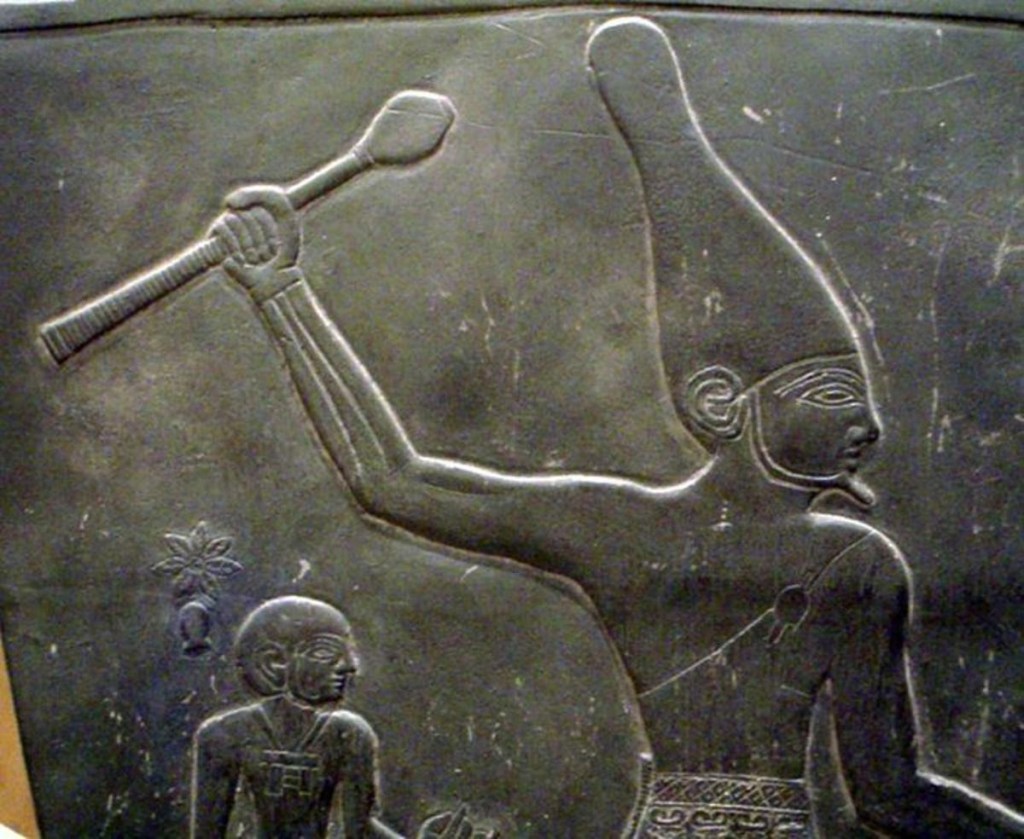
    King Menes

    Egypt’s First King, Menes

    Under the rule of King Menes, the first capital of Egypt was established at White Walls, which is located near the apex of the Nile River Delta. It was here that the first great city in the country of Egypt would be built. It was also during this time that hieroglyphic writing came into use for record keeping and communication. Laws and rules were made, followed, and punished if ignored. At this time, ancient Egypt began its chronological journey into what would become known as the Old Kingdom, a kingdom that would surpass all others for years to come.

    @ 2026 J.R. Watkins

  • By the year 1828, Chicago was in the midst of a great transformation that would take the lakeside village and literally reshape its horizon. The fur trade began shuttering its windows and closing its doors, and Chicago, along with the times, changed and grew accordingly.

    With the end of the fur trade, so would come the end of John Kinzie’s life. The Father of Chicago closed his eyes for the last time, and the village he knew would become something he’d only dreamed about. Kinzie died on January 6, 1828, leaving his wife and children to adapt to Chicago’s transitions on their own. At the end of the War of 1812, Kinzie had made it clear that it was his firm desire that the area around Chicago remain Indian Country. He would never see the transformation of the area he loved, he would not be present for the next war, and as settlers moved into the area in droves and industry boomed, he would not witness the removal of the Native Americans he’d worked with so closely. Possibly, that’s the way he would have wanted it.

    Chicago, 1828

    The year 1828 also stood witness to the US militia’s return to Fort Dearborn, which had been sporadically manned and evacuated since its reconstruction. By this time, the garrison had already cut a passageway at the river’s mouth in order to more easily navigate their boats and plans had already been drawn that would allow for the closure of the original river outlet by US Civil Engineer, William Howard.

    Howard’s plans were intricate and detailed, but in layman’s terms laid out the specifics for straightening the path of the river and protecting the new outlet with the use of two piers, something that had already been successfully accomplished at Michigan City. The change itself would provide safety and efficiency, as vessels would have access to the harbor rather than having to anchor offshore and transport their goods using smaller boats, all while timing their excursions to avoid storms… safe harbor was essential. According to an article published in the Chicago Democrat on January 7, 1834, a man named Schoolcraft, who visited the area in 1821, addressed this issue in the following manner.

    “We allude to the formation of a harbor on Lake Michigan where vessels may be in safety while they are discharging the commodities destined for Illinois… It is well known that… there is no harbor or shelter for vessels in the southern part of Lake Michigan, and that every vessel which passes into that lake after September, runs an imminent hazard of shipwreck. Vessels bound for Chicago come to anchor upon a gravelly location in the lake, and discharging with all possible speed, hasten on their return. The sand which is driven up into the mouth of the Chicago Creek will admit boats only to pass over the bar… It is yet somewhat problematical whether a safe and permanent harbor can be constructed by any effort of human ingenuity, upon the bleak and naked shores of these lakes, exposed, as they are, to the most furious tempests. And we are inclined to think it would be feasible to construct an artificial island off the mouth of the Chicago Creek, which might be connected by a bridge with the mainland… with less expense than to keep the Chicago clear of sand.”

    President Andrew Jackson

    Indian Removal Act

    While the calls for improvement and better access to Lake Michigan became a priority for the government, these plans and improvements were accompanied by calls for the government to take a larger role in Native American affairs. In 1827, Ninian Edwards, the governor of Illinois, pressured then President John Quincy Adams to remove all of the remaining Native Americans from his state. Treaties had already been signed, and over the years, the Native Americans had turned over their rights to the land in their entirety. The only land still in question belonged to the Potawatomi in northeastern Illinois. Edwards wasn’t asking for negotiations… he was demanding compliance. In return, he was assured by the U.S. Secretary of War, Peter Porter, that the Native Americans had agreed to leave the state, an evacuation that would take place by May of 1829.

    Enter President Andrew Jackson, who strongly believed that the Native American population should be free to practice their native cultures… on the other side of the Mississippi, and his proposed Indian Removal Act, which passed through both houses of Congress in May of 1830. Jackson, however, didn’t believe that the removal of the Sauk and Fox tribes was an issue, as they’d already agreed to relocate west of the Mississippi, and they’d not only agreed to the treaty in 1804 but reaffirmed the treaty in 1816. The Native Americans, however, disagreed.

    Enter Black Hawk

    When Thomas Forsyth, Indian agent and former partner of John Kinzie, visited with the tribal chiefs of the Sauk and Fox in 1828, urging them to begin making plans for their move, he was greeted with dissent. The chiefs denied ceding their land and tensions once again began to grow. Enter Black Hawk, spokesman for the tribes, and the man for which The Black Hawk War is named.

    Black Hawk, the son of a medicine man, was born in Saukenuk, which is now known as Rock Island, Illinois. He had previously sided with the British during the War of 1812, and he resented white expansion into Native American territory. Black Hawk, along with his followers from the Sauk and Fox tribes, refused to acknowledge the Treaty of 1804, contesting its intent and content… the fifty million acres of land that the US government now claimed as their own. In his autobiography, Black Hawk writes, “My reason teaches me that land cannot be sold. The Great Spirit gave it to his children to live upon and cultivate as far as necessary for their subsistence, and so long as they occupy and cultivate it they have the right to the soil, but if they voluntarily leave it, then any other people have a right to settle on it. Nothing can be sold but such things as can be carried away.”

    According to Thomas Forsyth, Black Hawk genuinely believed that the Native Americans had not ceded their land to the US government and upon learning that the annuities were, in fact, payment for land in 1818, had since refused them. The annuities paid to the tribe were seen by Black Hawk in the same way he viewed the gifts the tribe had received from the British…. as nothing more than gifts. His belief is supported by the fact that Quashquame, the leader of the 1804 Native American delegation in St. Louis, assured him that “he never had consented to the sale of our village.”

    Black Hawk

    Concessions

    As time went on, Blackhawk determined to remain in his homeland, along with the rest of his tribe, as they awaited the corn harvest to provision their families. Government officials came and left, tribal leaders visited and called meetings for interventions, and offers were made and refused until, at last, Blackhawk received official word, “That no further time would be given than that specified, and if we were not then gone he would remove us.” The tribe’s withdrawal was imminent; the year was 1830.

    Soon, a large number of mounted men approached the village, setting up camp nearby, all while General Gaines made an impressionable arrival by steamboat. Gaines offered supplies in return for evacuation of the village to make up for the harvest that would be forfeit upon the villagers’ departure, and Black Hawk, right or wrong, signed the offered treaty and later noted in his autobiography, “I touched the goose quill to this treaty, and was determined to live in peace.”

    The supplies, however, were sorely lacking, and the sound of the hunger heard in the lamentations of the women and the children would lead the braves to return to their former home, so they could collect a portion of the crops they’d planted themselves. In return, the braves were fired upon for what Black Hawk described as the “depredations committed by some of my people, on their own corn fields.” We might ask is it’s stealing to harvest your own crop? And yet, Black Hawk’s people no longer lived on that land. He’d signed the treaty; he’d led his people across the river, and the people living on what was once Native American lands now claimed ownership… the land was bought and paid for.

    Looking at the big picture, is it truly possible to lay blame at the feet of any one group? Can we fault Black Hawk for his decision to relocate in the face of an army, for honoring the word of his predecessors? Should we fault the government for not providing the essential supplies needed for a positive outcome? And what about the settlers who’d paid for the land they now worked; do we blame them for wanting to improve their lives? Blame is a big word, a word we need to think hard about using before we lay it at the feet of others.

    Crossing the River

    In 1832, Black Hawk crossed the Mississippi once more, returning to his homeland with what is said to have been one-thousand men, women, and children, carrying with them stores of seed. His followers, who represented the Sauk, Fox and Kickapoo tribes, fully intended to resettle in the area they’d left behind. The land dispute continued, and war would ensue.

    The US government’s response to Black Hawk’s actions was quick and decisive. Governor John Reynolds immediately called out the militia, and the government assisted by dispatching troops to aid in his cause. The Native Americans had been warned to remain west of the Mississippi and told in no uncertain terms that their return would not be tolerated. Reynolds had even committed himself on paper in July of 1831 when he wrote, “If I am again compelled to call on the Militia of this State, I will place in the field such a force as will exterminate all Indians, who will not let us alone.”

    It is hard to imagine Black Hawk returning to wage war within the boundaries of the land he loved so well with women and children in tow, but it’s even harder to imagine that he couldn’t envision the circumstances he would face upon his return. Most sources agree that he wasn’t looking to wage war, but most sources were not present, and most first-hand knowledge lacks the objective viewpoint needed to make such assumptions. What we do know is that Black Hawk was willing and able to defend his people, that he wouldn’t bow down before the people he believed had usurped his homeland, and that he would not run away from confrontation. We know that Black Hawk felt his people had been betrayed… been duped if you will, to give up the homeland that he did not believe could be owned by anyone… a place that could merely be inhabited.

    Keokuk: Viewed by Black Hawk as a betrayer of his people.

    Black Hawk despised the Native American leaders that accommodated government demands and accepted concessions looking to benefit themselves in the process. Yes, he also desired peace, but he wasn’t going to sell out in order to achieve it. While Keokuk was showered with gifts for preaching patience to his people, all while urging them westward, and even going so far as to supply the Indian agent with information regarding Black Hawk’s plans, Black Hawk looked to the good of his people. While Keokuk would die in disgrace on a Kansas reservation, Black Hawk would continue to speak out, all while attempting to re-establish his village. Conflicting sources claim that settlers were terrorized and slaughtered in their homes, but the attacks in question had little to nothing to do with Black Hawk. Tribal discontent was widespread and growing, as was the fear of the newly ensconced settlers.

    Prelude to War

    In April of 1832, Brigadier-General Atkinson was ordered to Rock Island. His appointment placing him in command of the forces that would engage in the Black Hawk War. Initially, Atkinson issued warnings, sending his men to hold talks with the Prophet (White Cloud) and Black Hawk, who’d recently arrived. White Cloud encouraged Black Hawk, all while promising assistance. Black Hawk, on the other hand, refused to heed the warnings of the soldiers (in Atkinson’s name) to return east of the river, claiming that the “General had no right to make the order so long as his band was peaceable, and that he intended to go on to the Prophet’s village.”

    Shortly after, Black Hawk would find that Atkinson’s warnings weren’t merely warnings… he was ready to act. Militia had already arrived to assist Atkinson in fulfilling his purpose. Black Hawk, in turn, would find that he had been misled by White Cloud’s promises, and while at council with the Pottawatomi and Winnebago chiefs, would learn that he had no backing from the other tribes. They would not join him.

    The Battle of Stillman’s Run would mark the true beginning of the Black Hawk War, as Major Stillman led a group of men up the Rock River to an area known as Sycamore Creek (now Stillman’s Creek) to observe and report on the actions of the Native Americans camped nearby. Note, the militia were sent to observe and report, but the group was made up of far more than militia. This group of almost three-hundred men was comprised of both militia and volunteers, men coming forward to answer the call of their government and protect their people, men who were untrained and inexperienced. Might we conclude that both groups were doing what they believed to be honorable, standing up for the same reason… the good of their people.

    Chief White Cloud

    Researching the Battle of Stillman’s Run leaves one with mixed emotions. Surviving records are anything but objective, something that can easily leave us shaking our heads. What we do know is that the abandonment of Black Hawk by those who’d promised assistance was a fact. We also know that Black Hawk was determined to reclaim and protect the land on which his people had lived for generations regardless of the cost. The knowledge that his objectives were near to impossible without the support of those who’d pledged assistance must have been devastating. In essence, one battle would be exchanged for another.

    Black Hawk’s re-entry into what was his homeland wasn’t a rash decision, nor was it completely based upon his determination to retake the land of his people, but rather an invitation. White Cloud, like Black Hawk, was young and rebellious, and renowned amongst his contemporaries as the Prophet. He worked alongside Black Hawk and had even invited Black Hawk’s tribe to settle with his own along the Rock River. Sadly, White Cloud also made claims that if the Sauk and Fox tribes were attacked, support would be provided by other tribes, as well as the British, who’d committed to send forces by way of Lake Michigan. All of these claims proved to be untrue.

    In late April of 1832, Black Hawk was forced to face the facts. On April 26th he met with two Sauk chiefs sent by Atkinson to inform him that he would not be allowed to remain on any land east of the Mississippi. As a result, the Ho-Chunk also took back their offer of allowing Black Hawk’s people to settle on their land because they feared reprisals. The news that the British weren’t coming placed the final nail in the coffin. In looking at the big picture, we can understand Black Hawk’s decision to withdraw. Sadly, methods of communication at the time were nothing like our own, and before Black Hawk’s journey could begin, plans and unforeseen developments created a chain of reactions that were impossible to contain.

    Major Stillman

    Negotiations, or Not

    On May 14, 1832, Black Hawk’s tribe was in the midst of preparations for their journey back down the Rock River to the Mississippi when they learned that Atkinson’s men were nearby. Black Hawk, who in his own words had already “resolved at once to send a flag of truce to Gen. Atkinson and ask permission to descend Rock River, re-cross the Mississippi and go back to their country….” then sent three of his warriors, carrying a white flag of truce, to arrange negotiations for their safe return. These negotiations never occurred.

    The description of the events that followed the warrior’s approach to meet with the militia at Sycamore Creek, also known as Old Man’s Creek, are varied to say the least, but I think it’s safe to say that many decisions were made in haste and without thought. The three warriors sent to parlay waved their white flag, the militia, most inexperienced, attempted to talk. Language was definitely a barrier. Some sources say that none of the militia present at the parlay spoke Sauk, others note that one had limited use of the language, and according to Black Hawk, one of the guards was “able to talk a little with them in their own language.”

    Language aside, the three warriors were quickly taken into camp, and for reasons unknown, the flag bearer was immediately shot and killed. Black Hawk, who’d intended to look out for the group’s safety, had also dispatched a group of scouts, presumably spotted and possibly the reason for the flag bearer’s swift execution. The scouts, however, did not engage the militia at this juncture and made a hasty retreat back to their camp, so they could inform Black Hawk of what had transpired. In their wake, a group of militia followed close behind, a group who without orders acted on their own to pursue the scouts and in turn, kill two of the retreating Native Americans.

    The Battle of Stillman’s Run

    The Battle at Stillman’s Run

    Amidst the chaos, Black Hawk had no need of this information, as word of the event had already reached him, and he immediately responded by rallying every warrior in the camp. Fifty warriors on horseback would set out from camp and quickly conceal themselves within the wooded landscape. Fifty warriors, tomahawks raised, would emerge from the brush ready to slaughter their pursuers. In the face of this band of warriors, Stillman’s militia, untried and inexperienced, and even in some histories described as drunk and disorderly, would collapse in confusion and chaos. Their hasty retreat would take most of them as far as Dixon’s Ferry, while others would head for the safety of their homes.

    The attack on Black Hawk’s camp was a distinct loss for the US militia, but in the end, the US government had no intention of being defeated. Black Hawk, himself, was amazed by the fact that so few warriors could defeat the attacking militia, but in the end, he knew that his dream for peace had come to an end. His decision to retreat to the north was based on the good of his people. They were starving and without supplies. The women, the children, and the elderly still had to be cared for, thus, it was necessary to remove them to a place where they could regroup and avoid their pursuers.

    Over the coming months, Black Hawk would continue to move north, but he would not escape conflict. Throughout the region, the battles would continue to rage, other tribes would engage the militia, and many lives would be lost on both sides. Rumors would abound, claiming that Stillman’s defeat was the result of actions of “2,000 blood-thirsty Indian warriors,” leading Governor Reynolds to call out another 2,000 militiamen. The battle was over, and a new war had begun, but that’s a story for another day.

    Sources:

    chicagoarchitecturehistory.com

    britannica.com