History Belongs To Us

Connection to History

  • Jack London

    This isn’t the first time Jack London has been the “featured author” at our book club, he’s been here before, and because the students appreciate his work… he’s back again. A Piece of Steak was written in 1909, and it was published during a time when an author could not only make a living writing short stories… he could make a good living.

    Movie theatres weren’t accessible. The Nickelodeon, which was introduced in 1905, boasted 9,000 locations by 1907, but they were strewn across the country, and though they aroused intense curiosity, motion pictures had yet to become the working class’ main form of entertainment. Few magazines were in circulation, and though television had been conceived, it would be years before Nipkov’s invention of rotating disk technology (1884), would transcend into something that we take for granted today. Reading… novels, short stories, plays, and fine literature were the main source of entertainment in the early 1900s, and they continue to be a large part of our lives today.

    During his lifetime, London pursued many different lines of work. At the age of seven he worked on the family farm, by ten, he was selling newspapers on the city street, and by the age of fifteen he’d become an oyster pirate and a ship owner. After years of laboring in various different jobs (jute mills, canneries, fish patrols, laundries, power plants), London, at the age of twenty-four was deemed the “American Kipling.”

    Unlike other authors, he did not move from day to day seeking inspiration. London considered writing a craft, and rarely, if ever, did he miss his daily goal of one thousand words. The Saturday Evening Post, included many of London’s short stories in its weekly publications; A Piece of Steak was published on November 20, 1909, and London received a one time payment of $500.00 for the story.

    A Piece of Steak by

    Jack London:

    Our Main Character.

    Our main character is a boxer. He is past his prime, struggling not only to win the next fight, but to have the opportunity to fight at all. The narrator describes his looks as being an “unmistakable” advertisement for his career. His jaw was aggressive, brutal, and heavy; his eyes heavily lidded and expressionless… lion like; his nose had been broken twice; his hair was cropped close to his skull, and one of his ears was permanently swollen to twice its size, likened to a piece of cauliflower. He is painted as “a man to be afraid of in a dark alley or lonely place,” and yet he’d never done anything wrong in his life. He was a fighter, but only in the ring.

    Tom King is a boxer, a husband, and a father. He’s not one for talking, and although his family is used to the silence, they aren’t used to hunger. Tom is morose and with good reason. He’s preparing for a fight that he isn’t prepared for. As he sits at the table, he stares at his hands, they’re swollen, the knuckles are malformed, they are anything but prepared for another beating. As he stretches them before him he feels the never ending ache, the soreness acquired from being smashed and battered countless times. He knew they couldn’t do it anymore, but they had to. He had to.

    A Piece of Steak

    by Jack London:

    A Summary
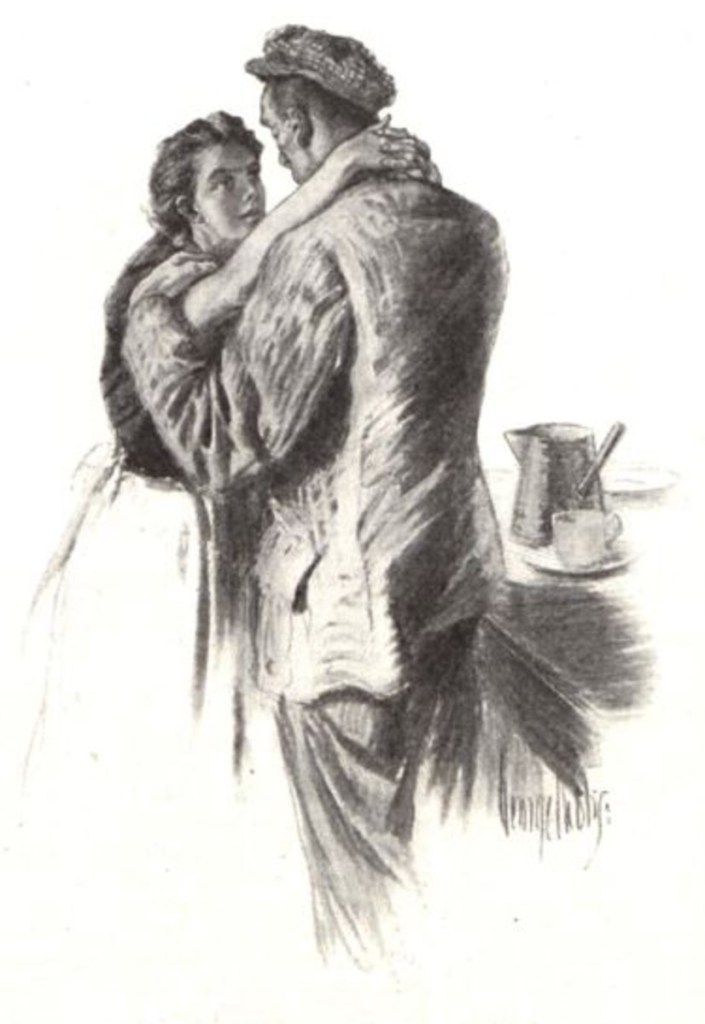
    Our story begins as Tom King is finishing his dinner. It’s a small dinner, and it’s eaten in silence. His wife looks on, watching as he eats, and he mentally acknowledges that she’s hungry too, but she daren’t eat, leaving Tom feeling guilty, but there’s no other way. Tom needs the food, all of it. He needs his strength or there won’t be any more food. The kids have been sent to bed hungry, as they can no longer get credit at the butcher, not to mention that the rent is late. Tom needs this fight… he needs to win.

    Earlier that morning, Tom had woken up wanting nothing more than a piece of steak. His wife Lizzie had gone to two different butchers hoping to give her husband what he desired, something not only wished for, but something that was needed. She couldn’t get that steak, and the reality of their circumstances hit home like it never had before. They had no money, they had no future. They had nothing without just one more win. Without that win they’d lose it all; Tom knew it; Lizzie knew it, and they both were well aware that their future hinged on something that if all went well would be a miracle… so Tom relaxed a bit and thought of the past, hoping that in some way he could bring back the glory he’d once known.

    As a young man he hadn’t known the meaning of defeat. Staring at his hands he remembered their youthful perfection, and then he remembered the first time he’d smashed a knuckle, the night he’d smashed it on the head of a fighter named Benny Jones, aka the Welsh Terror. Tom thought back on other things as well. The abundance of steaks, the dog he’d spoiled with feasts of the same, never thinking the day would come when he’d be lucky to have any type of meat at all.

    As he leaves for the fight, Lizzie throws her arms around him and kisses him goodbye… something she’s never done before, but she can’t help herself. As Tom walks down the street, he reminisces about the days when a cab would have been waiting outside to drive him to the Gayety. He’d been a champion, and he’d been surrounded by people who’d give anything to be the one paying his cab fare, to ride with him on his way to victory. Then he looked back on all of the fights that brought him the title of champion, and he realized that so many of his opponents were men just like him. Old men, broken men, fighting against the rising stars, fighting against something they couldn’t compete with… youth, and now the tables had turned and it was his turn.

    He looked back to a faraway fight with an older man, a man called Stowsher Bill. Bill had taken a brutal pounding during their fight, and yet he’d kept on. Tom now understood that the old man had had a bigger stake, that he’d fought on and allowed Tom to punish him because he needed the win. Maybe Bill had had a wife at home, maybe he’d had young ones to feed, and maybe he’d needed to pay his rent, but it really didn’t matter anymore because Tom now comprehended his predicament. When you’re young, it’s all about the money and the glory, and when your time is past, it’s all about pride and paying the bills. It had taken Tom a long time, but on that very short walk he came to understand why the old man had cried in the dressing room after the fight… he came to understand what it meant to be an “old ‘un,” and he finally realized that he was just that, and “old ‘un.”

    As he nears the Gayety, Tom notices a bunch of young men hanging outside the door. The young men are completely respectful, thrilled to have gotten a glimpse of someone they look up to, and for that one brief moment he’s still a hero. Walking inside he passes a young man who immediately pauses to shake his hand on his way to the dressing room, to ask how he’s feeling and Tom’s response, “Fit as a fiddle,” is only belied by the fact that in his mind all he can think of is a piece of steak. A piece of steak could have guaranteed his self confidence… a piece of steak could have made the difference, or could it?

    Tom’s opponent that evening is a fighter called Sandel. He’s young, fast, light footed, and more importantly he has nothing to lose and everything to gain. The only thing on Tom’s side is experience; experience and determination, and yet again there’s the patience, his patience, and his knowledge that the only way to achieve victory is to use the things that have made him an “old ‘un,” with or without the piece of steak.

    From here on in you’ll need to read the story. It’s inspiring, and it’s rather sad, but it is by no means boring. Aging and poverty are issues faced by many, as is the age old story of maturity and experience versus youth, ignorance, and ambition. You’ll never know how it all turns out unless you read it… and believe me, you won’t find it a struggle to finish!

    The Discussion:

    A Piece of Steak

    The afternoon I passed out this short story, I found that I had mutiny on my hands, as the girls were furious that I’d chosen another story for the boys. I have to admit that it was a pleasant surprise when only one week later the girls arrived having loved the story as much, if not more, then their male peers. Phew, what a relief.

    The sport of boxing really never had a chance to enter the discussion for any length of time. The kids didn’t see this story so much as Tom King’s final bout or his last hurrah… they saw it as a story of aging and endings. Tom received an enormous amount of compassion during the short sixty minutes that we talked about him, but I’m not sure that empathy would have been what London was trying to garner in his creation of this particular character.

    We talked about dreams, about the aspirations of athletes, and the children were both amused and exasperated that a one time champion was likely to end his career with nothing. Money and irresponsibility is sometimes a very difficult concept for the students to understand. They are still at the age where they’ll tell you they won’t spend a penny of what they’ve saved for themselves, but they have no problem whatsoever spending someone else’s. They believe that riches can’t be lost, that cash flows never end, and then in the very next breath they are ready to condemn something they perceive as stupidity, “How could he spend all of his money? Why feed a dog steak? Didn’t he save anything? Why didn’t his wife make him save up? How can they be poor, and why did both Tom and Lizzie allow poverty into their lives? They had the chance to have it all… why didn’t they pay attention?”

    Living the Dream

    We then moved on to talk about singers they’re aware of, actors they may have watched as young children. Where are these people now? What do they have? Why do people believe that the riches, the fame, and the glory will go on forever, especially the riches of an athlete? Every athlete experiences the end, and many choose to blame the inescapable process of aging on whatever excuse they can find.

    A piece of steak was what Tom believed he needed. It didn’t matter that he hadn’t trained and was out of shape… he couldn’t blame himself for his failures, but he could blame the steak, or lack of it, and that’s what became his excuse. The students felt this excuse to be, in their own words, “lame,” but they still felt sorry for him… they still wanted it to turn out alright, and they rooted for him until the end.

    The boys brought up how differently athletes were paid in the past, and how many stick around long past the point where athletes have historically retired. We talked about discoveries in health care, and how certain injuries that would have been career ending in the past might now be seen as mere inconveniences. Surgery has in many cases provided longevity.

    They’ve heard stories from their fathers and their grandfathers while sitting around their kitchen tables or in front of the television. They’ve listened to remarks about how overpaid today’s athletes are, and how so many of those overpaid athletes forget their love of the game because their love of the paycheck becomes the ultimate priority. We spent an inordinate amount of time talking about how happy the kids who got cut from the team would be if only they had the chance to be there, the chance to play, the opportunity to make any kind of a living doing what they love. Isn’t it all about the love of the game?

    Aging

    From there we moved to the universal and unquestionable fate we all have in common, aging. Everyone will age, and everyone will die… only those who die too young will escape the cycle of life and stay forever young in the minds of those who remember them. My students believe their parents to be old and their grandparents to be ancient, and I just smile; I’m not going there. They are young enough to dream of invincibility, and yet each and every child in this group is far too smart to believe in it. They are also young enough to dream of being the best in whatever they choose for their futures, and I am more than happy that they are untouched by defeat or pessimism. They believe in their dreams, and in turn, I believe in them.

    We ended our time together with yet another discussion about Jack London. The students love his work; he is inspiring; he is talented, and quite frankly, they find him intriguing. The kids talked about London’s past and all of the things he’d experienced and accomplished, and then they asked if I thought he would have ended up like Tom King had he not died such an untimely death at the age of forty? Would he have become an “old ‘un?’ Would he have ended up poor and wishing for nothing more than “a piece of steak?” I couldn’t answer that question. Who knows what he could have been… he could have been anyone.

    © 2026 J.R. Watkins
  • Viola Tricolor

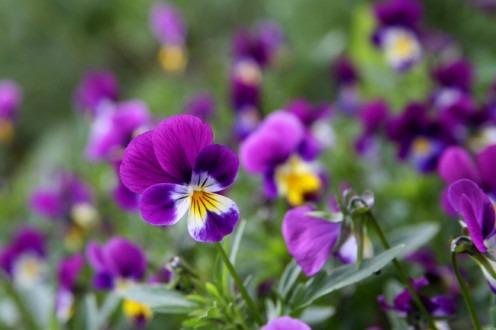
    The wild pansy, also popularly known as the “heartsease” or “Johnny-Jump-Up,” has actually been christened by possibly two hundred different names. Native to Europe, Asia, North Africa, and North America, the wild pansy grows freely in a variety of places and conditions. Whether growing wild in fields and meadows or making a random appearance on fallow land, the wild pansy is a favorite and is often cultivated in some of the world’s most beautiful gardens.

    A member of the violet family, wild pansies shoot up to a height between eight and twelve inches. Their colorful blooms are not only multisided but symmetrical as well. Well loved for its extensive flowering period (April through September), the wild pansy offers gardeners bright colors (purple, blue, yellow or white) and the appealing ability to creep throughout the flower bed filling in areas to their fullest. Slightly invasive, the true gardener will watch just how far they creep, as they often need to be pulled back before taking over.

    Although this plant is beloved for its beauty (check out Shakespeare’s Hamlet or A Midsummer Night’s Dream ), and its use in creating dyes; the wild pansy has been touted “medicinal” since the Middle Ages when it was heavily associated with folk medicine. The wild pansy has long been used in herbalism, and it is valued as a purifying herb. Long considered a remedy for various skin ailments, wild pansy has been used for a number of ailments ranging from diaper rash to coughs and colds.

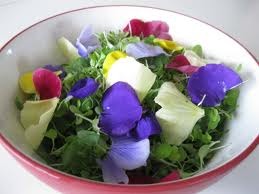
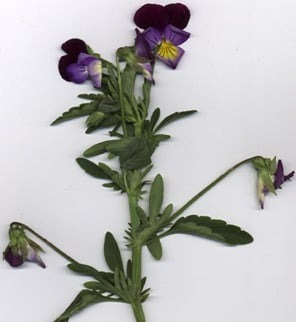
    Wild Pansies

    Pansy Petals

    When used medicinally, only the aerial parts of the pansy are used (petals). Gathered during the flowering season, petals are dried for future use. The petals of the wild pansy are rich in methyl-salicylate, which is used in topical pain ointments; saponins, which are beneficial in reducing blood cholesterol, stimulating the immune system, and reducing the risk of some cancers; alkaloids, mucilage, tannins, and flavonoids. Other important properties found in the plant are its natural components of vitamins C and E, in addition to calcium and magnesium.

    Wild pansy rinses are easy to make and store. Simply steep two teaspoons of dried wild pansy in a half cup of boiling water for ten minutes and strain. Compresses of the solution may be used several times a day and promote healing in both bruises and skin ailments such as psoriasis or acne. This solution is also a gentle remedy for the cradle cap and eczema that are often a part of infancy.

    Teas and syrups are also easily administered and simply prepared. Tea requires two teaspoons of dried wild pansy per two cups of boiling water, ten minutes of steeping, and straining before consumption. Preparing syrup adds just a few more steps and uses one and a half tablespoons of tea, mixed with two-thirds cup of water, and one and a half tablespoons of syrup. This infusion may be taken up to three times daily; the recommended dose is one tablespoon. Wild pansy prepared as directed, and consumed as both a syrup or tea is a reliable treatment for colds, fever, and congestion in the lungs. It is said to be particularly helpful in loosening dry, tight coughs because of its properties as an expectorant.

    Due to its high concentration of rutin, wild pansy infusions may be beneficial for other ailments as well. Rutin enables the body to effectively absorb vitamin C, something the body cannot do on its own. Rutin, a flavonoid, boosts vitamin C’s efficacy, helps to strengthen capillary walls, reduces cholesterol, and improves circulation. Recent studies indicate that flavonoids work as antioxidants and may very well have a large part in protecting the body.

    The wild pansy also has anti-inflammatory properties and may be useful in the treatment of rheumatism and gout. It also claims diuretic properties that help eliminate fluid retention when taken internally. Thus, wild pansy teas and infusions are commonly taken as a remedy for rheumatism and cystitis.

    As with all homeopathic medicines and supplements, a doctor should be consulted before use.

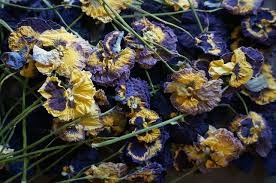
    Dried Pansies

    Sources

    The Complete Guide to Natural Healing . Orangeville, ON: International Masters

    http://www.herbalist.com

    © 2026 J.R. Watkins

  • Common Mallow

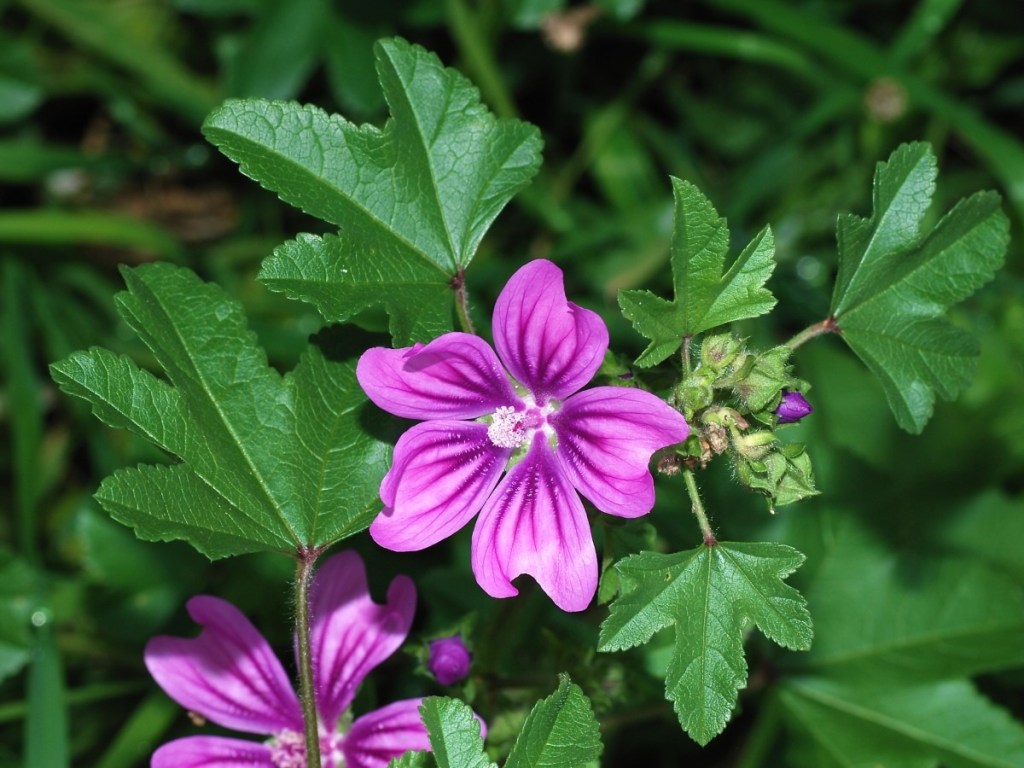
    Although native to areas of Europe, Asia, and Northern Africa, mallow can now be found growing wild throughout the world. Its ability to take root in even the poorest of soil has made cultivation of this hardy plant a simple task. Mallow’s hardiness is also the reason it can be seen growing in the wild, beautifying cliff sides, roadsides, and hillsides around the world. When left unchecked, mallow often resembles a shrub, climbing fences and taking on a hedge like appearance. The fact that mallow is a perennial makes it valuable to gardeners for its beauty and continuity, but for those interested in natural healing mallow supplies additional benefits as well.

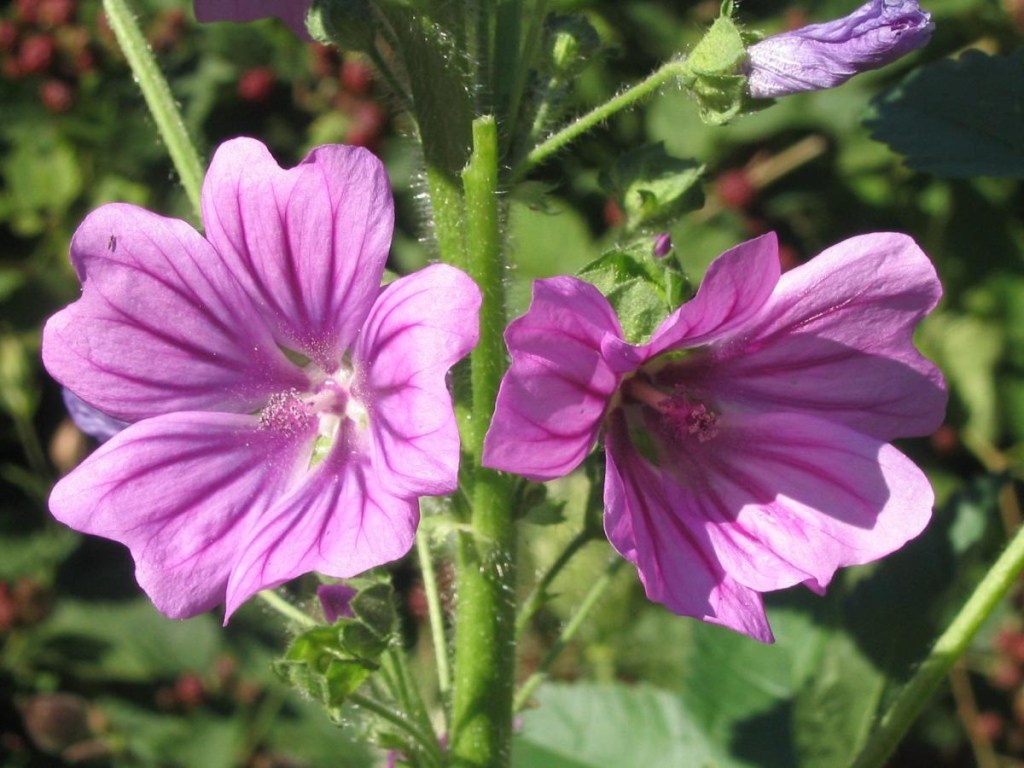
    Part of the Melvaceae family, common mallow is also known as wild or high mallow. Mallow is also sometimes called the “cheese-plant” due to its slightly cheesy aroma. Often reaching five feet at maturity, the mallow plant makes a beautiful addition to any garden or flower bed and adds color to the landscape. The stem of the common mallow is thick and hairy, a perfect base for its delicate blooms which range in color from light pink to shades of pink-purple; the veins of the flower are darker in color adding the stunning contrast an artist strives for when working on canvas. Although in this case the artist is God, and his canvas the world….

    Historical Uses of Common Mallow

    Ancient Greek and Roman physicians used mallow medicinally to treat both internal and external disorders. They called the herb omnimorbium, “the remedy of all illnesses.” Roman scholar Pliny went as far as to recommend a small daily dose of mallow juice to prevent illness, and ancient Persian literature also mentions the herbs used for medicinal purposes. The Chinese have used mallow leaves in tea infusions for thousands of years as a treatment for digestive disorders, as an expectorant, and as a gargle for sore throats.

    Benefits of Common Mallow

    Common mallow’s healing properties are derived from the mucilage and flavonol glyocides contained within its leaves and flowers. Mallow leaves were used by Arabs as a poultice intended to suppress inflammation. Today, they continue to be utilized for their soothing qualities in everything from emollients to throat lozenges. Mallow flowers, boiled in oil and water make an excellent gargle for scratchy throats. After boiling, you need only to add honey to taste. Marshmallow water is an excellent remedy for coughs or bronchitis. One popular recipe from Francatelli’s Cook’s Guide reads as follows:

    ‘Soak one ounce of marsh mallow roots in a little cold water for half an hour; peel off the bark, or skin; cut up the roots into small shavings, and put them into a jug to stand for a couple of hours; the decoction must be drunk tepid, and may be sweetened with honey or sugar-candy, and flavoured with orange-flower water, or with orange juice. Marshmallow water may be used with good effect in all cases of inveterate coughs, catarrhs, etc.’

    Unfortunately, I don’t see many of us using this method. I prefer to keep things simple, thus, making an infusion of mallow tea is more easily achieved by purchasing leaves at the health food store; two to fours teaspoons of dried leaves should be boiled in a cup of water for approximately fifteen minutes, strain, and sweeten. It’s that easy. Note, pregnant or nursing mothers should always consult their doctors before trying anything new. For the rest of us, it is recommended to limit ourselves to no more than three cups in a day. 

    Sources

    Sources:The Complete Guide to Natural Healing, International Masters Publishers

    A.B. Francatelli’s Cook’s Guide

    © 2026 J.R. Watkins

  • Borago Officinalis

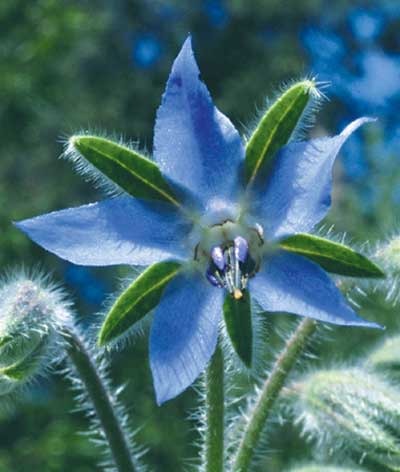
    Borage, or starflower as it is popularly known, is native to the Mediterranean and northern Africa. Easily recognized, borage’s summer blooms are its most attractive feature. Bright blue, star shaped blossoms immediately catch the eye of the beholder, and have five triangular petals that are accentuated by the black anthers forming its center cone.

    Today, the borage plant is cultivated around the world. It thrives in sunny areas and has no need for special soil, making it the perfect addition to any garden. A perennial, the borage will appear year after year and reseed after its introduction in your flowerbeds. Attaining a height of up to three feet and spreading across approximately twelve inches, initial planting should include more than one rootstock as the plant is most often grown in bunches for protection against the wind. Left unchecked, mature plants will seed themselves freely and possibly invade areas they weren’t meant to occupy.

    A favorite with gardeners, borage is hailed as a natural insect repellent that protects vegetables from insect damage and consumption. In this age of organic foods, the borage plant has regained its value as an insecticide. Spending hundreds of dollars on products that in essence contaminate a crop with chemicals makes no sense when the entire process can be done both naturally and cost effectively. Borage provides additional help in the garden due to its attraction for honeybees, a benefit that ensures pollination of surrounding plants. What more could a gardener ask for?

    The bright blue, star shaped blossoms of Borage.

    Historical Uses of Borage

    Historically, borage was used to induce relaxation and fortitude. Steeped in wine and various liquors, it was a favorite for those traveling on long journeys. Commonly believed to instill courage, it was also enjoyed by soldiers going into battle. The Celts so valued the plant that it was considered a vital food while on campaign. During the Middle Ages carefully prepared borage tea was served to competitors before jousting to boost morale and induce that “extra” bit of courage before the joust. Medieval physicians recommended the herb to restore energy and cheerfulness.

    Pliny claimed that borage wine made a man “merry and joyful,” and the ancient Romans coined a popular phrase that is still cited today, “I, Borage, always bring courage.” Some believe that borage is in fact Homer’s nepenthe, an herb that when steeped in wine provided forgetfulness. Later, in the 17th century, John Evelyn alluded that the use of borage might alleviate the fears of hypochondriacs.

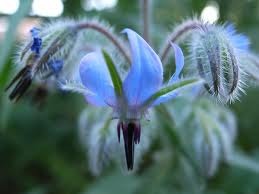
    Borage with Seed Pods

    Health Benefits of Borage

    History aside, today borage is used for a number of medicinal purposes. Borage leaves serve as a natural diuretic, increasing the production of sweat and urine. They are also believed to stimulate adrenaline, which in turn provides relief from stress and possibly relieves the aftereffects of steroid therapies. Borage seed oil contains the polyunsaturated fatty acids said to benefit those suffering from metabolic problems such as obesity, PMS, eczema, high blood pressure and alcoholism. It also foments lactation. Other uses include the relief of sore throats and chest congestion, not to mention its sweat inducing properties that are believed to aid in the breaking of fevers.

    An excellent source of vitamin C, borage leaves are also rich in organic calcium and potassium. Flavonoids, also prominent in the plants dark green leaves, are known to strengthen one’s ability to fight infection, while borage’s silicic acids promote hormone production and produce balance in those suffering from mood swings.

    Borage in the

    Garden and Kitchen

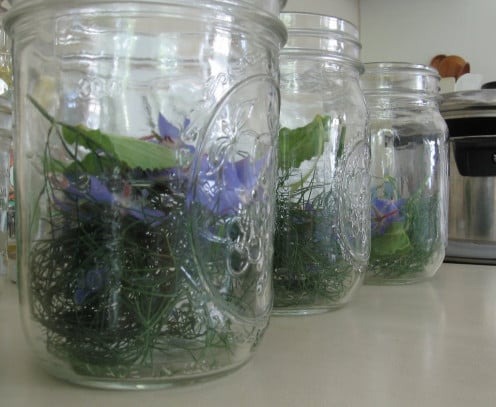
    When planted in your garden, it is recommended that borage leaves be gathered prior to the appearance of flower buds. Leaves should be gently handled to prevent bruising and used immediately, although there are a number of ways to prepare borage and increase its longevity for use. Borage should never be dried or frozen (although freezing borage leaves in ice makes an attractive beverage garnish), but it is easily preserved in vinegar.

    Borage, also known as the “cucumber herb,” can be used in a variety of ways. Its blossoms create beautifully colored blue vinegar, whereas its leaves produce an emerald green vinegar complemented by the subtle flavor of the cucumber it’s named for. Purchasing just the right case of bottles will leave you with a number of beautiful ready to go gifts.

    Borage in Salads

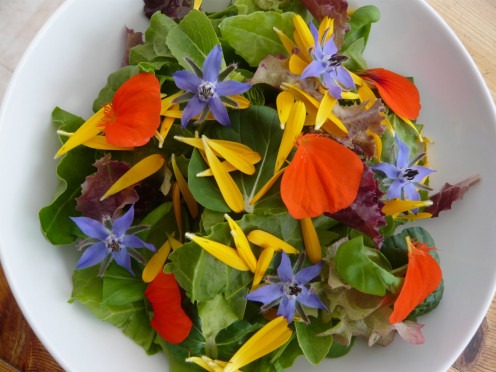
    Borage’s use is favored in salads and soups as well. Its exquisite and edible blue blossoms will add color and beauty to your favorite salad (remember to remove the sepals) and enhance the flavor of your best-loved soups. Borage leaves make an unbelievably tasty addition to cucumber salads and may be used whether the recipe calls for either plain or pickled cucumbers. When using borage leaves is it best to sprinkle them over the already prepared dish or stir them in shortly before serving. Borage loses a large portion of its aroma and flavor when cooked, so use care in preparation.

    Borage Tea

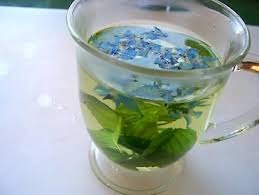
    Teas made with borage mixtures prove to be not only delicious but healthy as well. The combination of borage and Echinacea (mixed with equal parts of borage leaves and Echinacea powder), brewed in hot water, steeped for ten minutes and sweetened with honey is said to calm the nerves and alleviate a number of medical symptoms. A sweat inducer, borage helps to reduce fever. Its properties are also said to help the body ward off a number of viral infections. Consuming this mixture of tea combats measles, mumps, chicken pox, cold and flu.

    Warning

    As with any other natural remedy, the use of borage for medicinal purposes should be preceded by a discussion with your doctor.

    © 2026 J.R. Watkins
  • Valeriana Officinalis

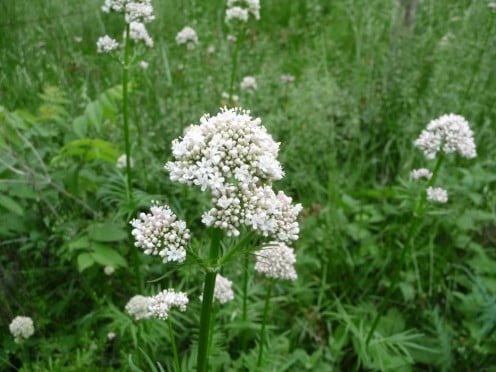
    A member of the umbelliferous plant family, valerian is native to the moderate climates found in Europe and areas of Asia; valerian has been successfully introduced in North America as well. Although it prefers moist, swamp-like soil, valerian can also be found growing wild across the plains and into the mountains. About five feet tall at maturity, valerian is a perennial. And during the summer months, beautiful white blooms adorn its graceful foliage.

    Hippocrates

    Valerian’s medicinal properties have been recognized for thousands of years. Hippocrates extolled its therapeutic uses, and during the second century, Galen prescribed it for the treatment of insomnia. During medieval times, valerian was used as a remedy for nerves, headaches, and trembling limbs. Later, doctors in the nineteenth century blamed the root for the very things it was supposed to relieve, but WWII England widely disagreed and used the herb to combat stress during air raids.

    Although the blooms of the valerian were popularly used throughout the sixteenth century in perfumes, valerian’s medicinal properties are found in the rootstock (also known as rhizome) of the plant. Valerian roots contain a number of well-known medicinal properties including valepotriate (a calming substance), camphor (an antiseptic numbing agent), acetic acids (found in all living organisms, vinegar), tannins (astringents), and mucilage (gooey and loaded with protein). Roots may be used fresh or dried, but the drying of the roots requires temperatures over 104 degrees.

    Valerian Tea May Help You Sleep ~ Naturally

    Most popular as a natural tranquilizer, valerian’s calming properties make it a remedy for all types of nervousness and anxiety. In today’s “always in a hurry” world, valerian is said to be an excellent remedy for people suffering from mental burn out and sleepless nights. On the other hand, valerian is also reputed to have the exact opposite effect on some users, and its use should be discontinued immediately if nervousness or headaches are experienced. Research is undecided on the benefits of valerian; some research claims that the root is ineffective as a sleep aid, others show that people using the supplements have an easier time falling asleep (without waking “sleepy headed”) and awaken far less during the night. As in all things, different people experience different reactions.

    Sleep disorders aside, valerian has also been seen as an anti-convulsive, and it has been used in the treatment of intestinal spasms and epileptic seizures. These uses have never been scientifically supported. Other uses are in the ever-expanding diagnoses of ADHD, but again, there is no scientific evidence to support its use for this disorder.

    Valerian tea has long been a nighttime favorite, and may be easily prepared using a scant teaspoon of dried valerian per cup of boiling water. The herb should be steeped for at least five minutes prior to consumption and may be imbibed with no other additives, but if you like to sweeten with sugar or cream…. Be my guest.

    Valerian Has Many Uses

    Health food stores carry a variety of valerian products. Tablets and capsules are available as supplements, as are drops that can be added to water or other beverages. Dried valerian can be purchased and sewn into sachets. Use the sachets to indulge in an herbal bath; you’ll feel twice as calm with a good soak. Another option would be to make a valerian soak on your own. Simply soak 3.5 ounces of dried root pieced in a quart of water overnight and strain; then add the strained soak to your bathwater. If you don’t have the patience or desire to prepare your own soak, there are many valerian root products on the market.

    As with any other medicinal plant and its supplements, consult a doctor before using.

    Sources

    The Complete Guide to Natural Healing . Orangeville, ON: International Masters

    N.p., n.d. Web.

    © 2026 J.R. Watkins
  • What is Basil?

    Hailed as the most useful culinary herb on the seven continents, basil is one of the most popular esculent herbs in the world. Unlike many other herbs, basil boasts approximately 60 to 70 different varieties, which produce an abundance of succulent tastes to satisfy even the most discerning palate. No two are exactly alike.

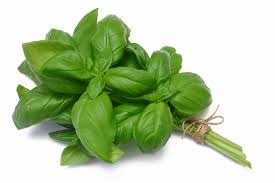
    As a member of the mint family, basil resembles its cousins in appearance, but that’s where the similarities end. Looks can be deceiving. Sweet basil, which is used most often, looks like mint, but its aroma and taste are entirely its own. Aromatically pungent, the herb emits a slightly sweet taste (hence its name) that complements a vast number of ethnic dishes and is a staple component in both Italian and Greek cuisine.
    Integral in flavoring tomato-based sauces, basil can also be utilized as an addition to meat (beef and chicken), seafood, salads, and a variety of egg dishes. Moreover, basil serves to do far more than enhance the flavor of your favorite foods, it also helps aid digestion.

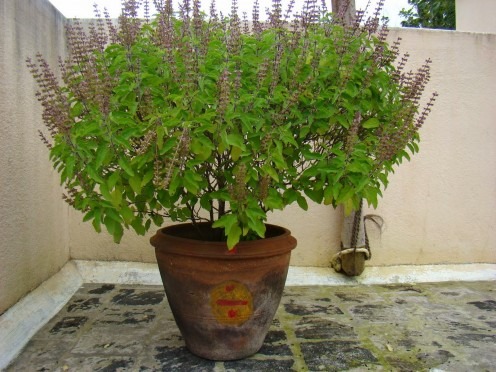
    Tulsi Plant

    Origin and Early History of Basil

    Revered as sacred in its native country of India, where it was originally known as the “tulsi” plant, basil is embraced as a mighty protector by its people. Its botanical name, Ocimum basilicum, is derived from the Greek term basilikohn, which means royal, an attribute that supports its venerated place in Indian culture.
    The “tulsi” plant is an important symbol in the Hindu religion. Families most often cultivate the plant in specially designed structures or shrines for times of worship, but it can also be found potted on verandas and growing in gardens. Its leaves are considered a vital element in all Hindu ceremonies, a fact not overlooked by magistrates who required Hindu witnesses to swear on the plant in court during the period of British colonization. The Hindus, who worship basil as a holy herb, also value the plant for its medicinal benefits, and hail it as a remedy for a variety of ailments.

    Historically, basil was an important ingredient in embalming the dead, particularly in Egypt where it was utilized in the mummification of bodies and valued for its preservation properties. The people of ancient Greece and Rome associated the plant with poverty, abuse, and hatred. This association may have arisen from their belief that the plant attracted scorpions. Cretans, however, viewed the plant’s presence on the windowsills around their homes as protection against evil spirits.

    Medieval Times

    During the late medieval period, basil began sporadically appearing around the countries of Europe, accompanied by strangely conflicting opinions of the herb’s uses. In some places, it was deemed poisonous, while in others, it was heralded as a miracle treatment for low spirits and clouded thoughts.

    Symbolically, there seems to have been a bit of confusion as well. In Ancient Rome, the herb, as already mentioned, was a symbol of hatred, later contradicted by the beautiful young Italian girls who twined the herb in the braids of their hair to announce their availability. Romanian custom, however, leaves no doubt as to the romantic allusions of a blooming sprig. To accept such an offering symbolized a contract between the young lady who offered it and the lucky young man who accepted. Love was swiftly followed by marriage.

    Medieval housewives and servants utilized basil’s aromatic properties as a strewing herb to freshen floor rushes. Its pungent, sweet scent carries subtle nuances of mint and anise, something that made it a popular ingredient in sachets, which were created to refresh linens and blankets in medieval homes. According to Thomas Tusser’s Five Hundred Points of Husbandry, dried herbs and powders were prepared and combined before sewing them into linen and storing them among linens and fine clothing.

    “Take thee orris root, red rose petals, marjoram, and sweet basil, of each ounce, yellow sanders, cloves and musk. Bruise the herbs and spices between the fingers to release the scent. Close up the sweet bags and tuck them in the linens and clothes.”

    Modern day English might just make this medieval preparation a reality, so I did some homework in order to understand exactly what ingredients are called for.

    Aromatic Sachet

    • 2 T. 2 T. Orris Root, root stock of an iris
    • 2 T. Dried Rose Petals
    • 2 T. Dried Marjoram
    • 2 T. Dried Sweet Basil
    • 2 T. Yellow Sanders, leaves from a mountain plum tree, which grows in tropical climates
    • 2 T. Musk, Musk Powder

    Medicinal Properties

    Medicinally, basil has long been respected for its potential to heal, clear the mind, and unlock the heart. Fortunately for us, as time goes by, more and more of the old tales are found to be true.

    Proponents of natural remedies recommend basil for its antispasmodic properties, which have been proven to settle upset stomachs and relieve gas. Its pungent flavor kick-starts the production of saliva, and thus enables our bodies to properly digest our food. These same properties are also said to be effective in the treatment of motion sickness.

    Watkins’ Garden Etsy

    Basil Wine

    Basil wine is easy to prepare and has long been esteemed as a natural way to improve digestion when served as an after dinner drink. Not to mention, it’s delicious.

    Basil Wine

    1 bottle white wine (your preference)

    2 ounces fresh basil bound

    Warm wine on stove-top and remove from heat. Steep fresh basil in wine for twenty-four hours, strain, and refrigerate. Note, fresh basil may be replaced with a dried basil sachet.

    Basil: To Buy or to Grow?

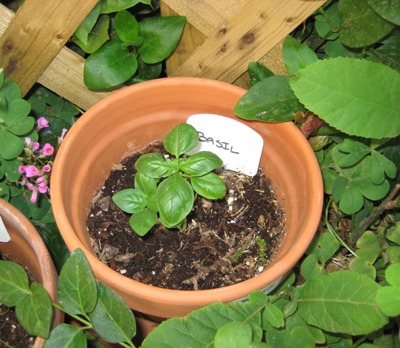
    Today, basil grows in many regions throughout the world and is available at our local grocers and spice specialty stores. Better yet, basil is a hearty plant and can easily be grown right in our own homes. Plugs can be purchased at your local nursery for a nominal fee, although starting your plant from seeds is a popular choice for many. Parents of young children might find the prospect of indoor gardening with their children an adventure … I know I did.

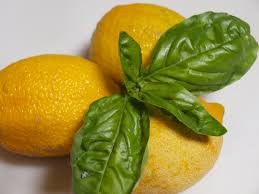
    Basil is a vigorous plant, and there are numerous varieties from which to choose. Lucky for us, cultivation is the same for each. The most popular types of basil are lemon, red, anise, and cinnamon. A less known variety, Dwarf Basil, is a favorite of fine chefs, who treasure it for its clean, pleasant aroma and fine taste.

    Lemon Basil

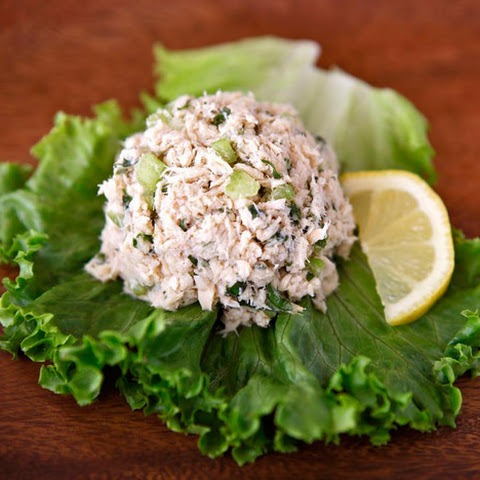
    Lemon basil has a distinct aroma and mild taste, which is particularly complementary to grilled fish entrees, as well as shrimp, scallops, and crab. It also pairs well with chilled salads of all kinds, especially my favorite … tuna fish salad.

    Lemon Basil Tuna Fish Salad

    1 Large can of tuna fish (packed in water)

    1/4 cup mayonnaise (olive oil based)

    1/4 tsp. salt

    3/4 tsp. minced garlic

    2 tbsp. freshly minced lemon basil leaves

    Juice from 1/2 lemon

    Instructions: Drain tuna, mix all ingredients thoroughly.

    Sweet Basil

    Of all types, Sweet Basil is hands down the most commonly sown basil in kitchen gardens, but admittedly, I am partial to the unique taste of lemon and the lemon variation. Adequate drainage is imperative when growing this herb, so purchase your pots accordingly and be sure to line the bottom with stones or gravel. This will help to ensure elimination of water overflow. Note, the plant itself will serve as more than an attractive source of nourishment, it will also help purify the air in your home and act as a repellent to the flies and mosquitoes that shun rather than appreciate its scent.

    Purchasing Basil

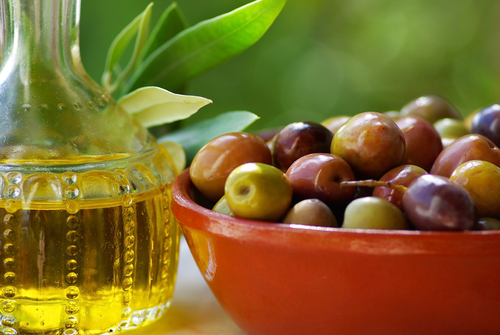
    For those of you who prefer to purchase basil, both fresh and dried versions are available in most any local supermarket. Choosing fresh leaves will always afford you superior quality and taste, and like any produce, opt for organic whenever possible. Leaves should be free of blemish and dark green in color, with no visible yellowing. Fresh leaves can be stored in the refrigerator. Simply wrap the leaves in paper towels and place in an airtight container. Adding a bit of olive oil will keep your leaves crisp and ready to use for up to fourteen days.

    If you find you have more than you need, freezing is also an option. Simply puree the leaves in a blender or food processor, add a touch of olive oil (this will keep the color from turning), and place preparation in an ice-cube tray. After freezing, pop out the cubes and store them in a zip-lock bag.

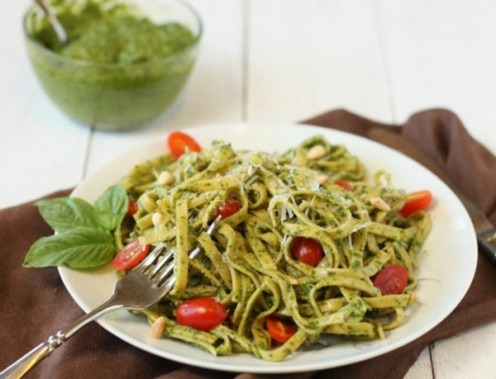
    This choice of preserving also applies to pesto, as you can prepare and freeze your favorite recipe in much the same way. Thus, it only makes sense to increase the ingredients and save time in the future. Pesto is not only tasty … it’s nutritious and versatile to boot. It makes pasta, rice, and pizza come alive, whereas ordinary sandwiches become special and soups acquire added zest. Then there’s my favorite … a large dollop of pesto slathered over a perfectly grilled steak, straight off the grill. It doesn’t get better than that.

    Pesto

    1/3 cup pine nuts

    2 ounces freshly chopped basil leaves

    2 large cloves of peeled garlic

    8 tbsp. olive oil

    1/2 cup finely grated Roman cheese

    1/3 cup finely grated Parmesan cheese

    1. Toast pine nuts until golden brown in an ungreased skillet and cool.
    2. Place cooled pine-nuts, basil, olive oil, and garlic in food processor or blender and puree until smooth and creamy.
    3. Stir in Romano and Parmesan, salt and pepper to taste, and serve.

    To freeze, place measured increments (2-3 tbsp. depending) into ice-cube trays, drizzle with olive oil, and freeze. After freezing, store pesto cubes in an airtight container. Note, for pesto, I prefer freezing the finished product in individual mason jars, which can be purchased in a number of different sizes according to personal preference.

    Dried Basil

    Although many people like their herbs to be as fresh as possible, basil is just as popular in dried form. I’ve never known my mother to use anything other than dried herbs, and I followed in her footsteps for years. There’s no doubt that the expansion of supermarkets and prevalence of farmer’s markets in our modern day world has changed the way we buy and store our favorite foods. None-the-less, many people continue to use their herbs a “pinch” at a time, and let’s face it, dried herbs not only outlast their fresh counterparts, they’re also easy on the budget.

    Those of you with green thumbs can dry your own basil straight from the garden. Basil can be air dried, but since it has a higher water content than many other herbs, experienced gardeners claim that using a dehydrator works best. Dried herbs, whether pre-packaged or home dried, should always be stored out of the light and kept at room temperature to prevent loss of flavor. Shelf life is estimated at about twelve months.

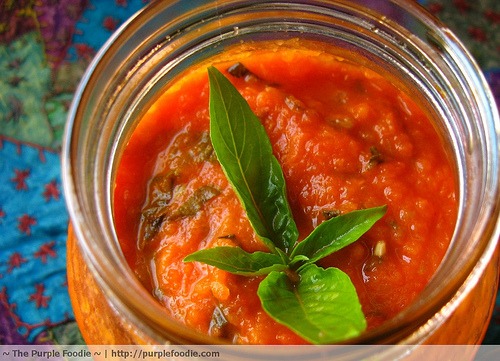
    As already mentioned, basil is an integral ingredient in tomato-based dishes. Thus, canning tomatoes in season will enable you to have a well-stocked supply of tomato base for use in various red sauces, soups, and salads throughout the year. An added incentive would be the time canning saves you in the long run, in addition to the money it saves buying more costly, inferior tomatoes for the same purposes out of season. To make your own base, follow the easy to use instructions below.

    Basil, Garlic, and Onion Tomato Base

    10 pounds medium sized tomatoes

    2/3 cup chopped onion (sweet)

    4 garlic cloves (minced)

    2 tsp olive oil

    3 tbsp. freshly minced basil

    1/2 lemon (juiced)

    1) Wash, core, and slice tomatoes (set aside)

    2) Saute garlic and onion in olive oil, add tomatoes, and bring to a boil. Turn down heat and simmer on low for 30 minutes (stirring constantly)

    3) Squeeze fresh lemon juice into the bottom of each canning jar and ladle sauce on top (leave one inch between the top of your sauce and the lid)

    4) Cover your jars with bands and lids and place into boiling water for forty minutes. (16 ounce jars are recommended for red sauces, 8 ounce jars are perfect for a base intended as a starter for soups and stews)

    Note- There are a number of different water canners available for purchase if you find canning is something you enjoy.

    Basil, Beauty & Aromatherapy

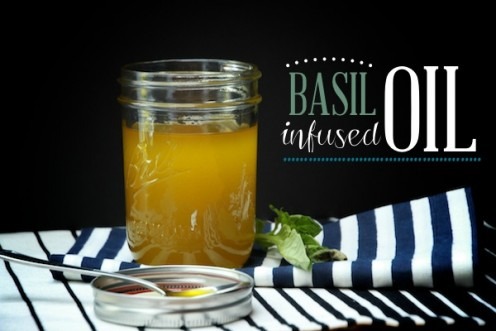
    Outside of the kitchen, basil can often be found in various beauty products. Commonly included in the ingredients of blemish treatment creams, it is also said to facilitate the lightening of dark spots brought on by age. Basil oil, on the other hand, is reputed to relieve dandruff and promote healthy, shiny hair. Shampoos containing basil extract are readily available in most local stores.

    As an essential oil, basil’s spicy aroma is credited with the ability to soothe and refresh tired minds and bodies, all while facilitating a state of increased concentration. Add a small amount of essential oil to a pot of boiling water and enjoy the aroma as it fills your home.

    When we consider all the benefits basil has to offer, it’s easy to understand how some culinary experts have deemed basil “king of the herbs.” Basil is definitely somewhere at the top.

  • Jojoba (ho-ho-ba) oil, also known as “the gold of the dessert” has been valued for centuries as a skin care treatment. Native Americans utilized the oil to treat wounds, whereas the O’odham (Sonoran Desert tribe) specifically targeted the nut paste to create a salve with which they treated wounds. [1] Father Junipero Serra (1713-1784) noted the multiple uses of the oil in his personal diary, citing that Native Americans used the oil for everything from cuts, bruises and burns to soothing sun or wind burnt skin, as well as a treatment for the scalp. Ironically, the benefits of jojoba oil would not truly be discovered for another 200 years when the use of whale oil was outlawed by the United States in 1971. Since then, it has been found that jojoba oil is, in fact, superior to that of a whale and far more beneficial to our health.

    Most seed oils are made up of triglycerides, unlike jojoba that is not really an oil at all. Jojoba oil is a mixture of fatty acids and esters, a liquefied wax. Structurally, jojoba oil is much like the sebum produced within our skin by way of the sebaceous glands, which makes it the perfect oil to supplement and care for our body’s largest organ. Non-toxic, non-allergenic, and non-comedogenic, jojoba oil will not clog your pores or irritate your skin. It has a myriad of uses which include moisturizing, cleansing, reducing fine lines and wrinkles, as well as being an excellent treatment for acne.

    What To Look For…

    Moisturizing with jojoba oil is as simple as procuring the oil itself. Ideally, you want to opt for pure, unprocessed oil. Pure oil should be bright gold in color; if your oil is transparent…. it is not pure. Sold in four to sixteen ounce bottles, note, just a little goes a long way. None-the-less, immediate usage and spoilage are not a worry due to the oil’s natural stability and indefinite shelf life.

    Beneficial to All Skin Types

    Jojoba’s natural balance makes it suitable for all skin types. In oily skin (or combination), it controls oil production. On the flip side, those of us suffering from dry skin can reap the benefits of vitamin E rich moisture, which will also help to prevent the onset of wrinkles. No matter how you look at it, jojoba oil is a win-win choice. As a facial moisturizer, jojoba oil is gentle enough to apply directly to the skin, although some people prefer to simply mix a few drops in with their regular face cream, but don’t stop there. Jojoba makes a perfect body oil and because it is a base oil (carrier), you can also blend it with your favorite essential oils for an aromatic treat. Keep a spritz bottle handy just outside the shower to soften your skin, save time, and fill the air with your favorite scent.

    Jojoba as an

    Acne Treatment

    Propionibacterium acnes are the bacteria that cause acne, and bacteria that can be kept under control with the regular use of jojoba oil. Jojoba’s anti-bacterial properties both cleanse the pores and pull impurities to the surface of the skin. The natural sebum in our skin can clog the pores and produce breakouts. Jojoba, on the other hand, is a wax ester, which acts in a way similar to sebum. Thus, the similarities ‘trick’ the skin into believing it has enough sebum and stifle sebum production, which in turn lessens the outbreak. Problem acne and persistent blemishes can be alleviated by performing the following steps, twice per day:

    1) cleanse with a gentle cleanser

    2) blot dry with a soft cloth (rubbing your skin with a towel with also irritate it)

    3) apply jojoba oil sparingly, as too much will make your skin look shiny

    Shirley Price, aromatherapist and co-author of “Aromatherapy for Health Professionals” credits jojoba oil with properties that are believed to help relieve a number of different skin conditions. Among these conditions, she lists; psoriasis, eczema, and chapped skin. Jojoba is also widely used as a cleanser, make-up remover, lip gloss, and cuticle cream.

    Sources

    [1] Phillips, Steven, and Patricia Wentworth. Comus. “Pages 256-257.” A Natural History of the Sonoran Desert. Tucson: Arizona-Sonora Desert Museum, 2000. N. pag.

  • The Rocking Horse Winner, 1950 Film

    This week’s choice for Book Club was an extremely easy one to make. Being a huge fan of D.H. Lawrence, his introduction was imminent, but I also acknowledge that his writing can be somewhat difficult for his readers. The Rocking Horse Winner isn’t a wordy short story. It sends a message, it can easily be applied to a reader’s own life experiences, and the characters are made up of people with whom we can easily relate. Everyone has experienced moments of financial worry, and every child has at some point and in some way heard or felt the unspoken words, “There must be more money! There must be more money.”

    Our economy cries these words daily, and our government leaders reiterate them on a consistent basis. Families losing their homes, parents seeking jobs that just aren’t available, companies closing their doors. What do our children hear when the reality of economic hardship hits home? Can they handle the words spoken in whispers behind closed doors, loudly at our kitchen tables, and even those that aren’t spoken at all; the ones they see in the depths of our eyes, the whispers that have found a home within the four walls of our existence?

    Do they sometimes feel responsible for the financial stress that invades the place in which they live? Do they sometimes take that responsibility far too personally? Should we as parents take more care to filter what we say within their hearing? Do we as parents make them feel an unmerited responsibility for our actions, and is there any justification for sharing our burdens with children who aren’t yet ready to carry them? Well, let’s find out!

    D.H. Lawrence was one of Britain’s greatest 20th Century talents. He is not only one of England’s greatest storytellers, but he was an artist (painter) and poet as well. Known primarily for his writing, many are unaware of the accolades he received for his paintings. Lawrence gained renown for his work in expressionism, especially the works he completed during the 1920s. Unfortunately, he did not receive those well-deserved commendations until after his death in 1930.

    Born in England, Lawrence’s young life was affected by both poverty and domestic discord. His parents were very different; his father was a heavy drinking coal miner, who was loved by his friends and family as a cheerful and easy-going man. His mother’s family had fallen onto hard times, but she was well educated. Sadly, it was their differences that brought friction into the marriage, and the couple’s four children couldn’t help but be affected by the stress and lack of affection within their home.

    One thing that wasn’t affected by the couple’s marriage was Lawrence’s mother’s love of reading and her belief in education. Four of her children inherited not only her love of words, but her quest for knowledge as well. Lawrence himself was able to pursue his high school education through a scholarship at Nottingham High School. He later went on to work as a clerk and teacher before his career as a writer took off.

    D.H. Lawrence both loved—and exhibited fierce loyalty towards—his mother. He was comforted by the fact that his first book of poetry was published the year before his mother’s death (1909). His mother died a year later, assisted by her son’s administration of an overdose of sleeping medication. I wonder what his stance would be on assisted euthanasia today.

    Lawrence’s life was filled with controversy and travel. It was during 1912 that he both met and fell in love with his future wife Frieda von Richthofen… the only impediment to their eventual marriage being that Frieda was already the wife of another man, and the mother of three children. Frieda left her family for Lawrence, and it would be two years before they were finally able to wed, but that wasn’t where their controversy ended. The advent of WWI found them unable to obtain passports and accused of being German spies. It wasn’t until the year 1919 that they were allowed to leave and begin what was to be a life of extensive travel.

    Lawrence is best known for his novel, Lady Chatterly’s Lover, the story of an affluent woman who embarks on an affair with a family servant (laborer on her estate). This novel, once banned in both the UK and the United States on the premise that it was pornographic, has gone on to become a classic. Other famous works by D.H. Lawrence are Women in Love (1920) and The Man Who Died (1928), which is rightfully considered a blasphemous account of Jesus’ resurrection and actions after death.

    The Rocking Horse Winner: A Summary

    Our story begins with the description of a woman; a woman who was fortunate enough to have been born into a wealthy family. This woman has had all of the advantages that wealth has to offer. She was young, she was beautiful, and life was good. Her childhood had been blessed with innocence and luxury, and her marriage was rare in that she’d had the opportunity and freedom to marry for love. You’d think she’d be happy; wouldn’t you?

    Our pretty picture doesn’t last very long. The love she had once felt for her husband is said to have turned to dust, she’s resentful of her children because she feels as if they’ve been forced upon her, and it is said that she could not love them, but yet, she covers up that resentment because she believes it to be her own fault that she feels this way. Her heart is hard, but no one is the wiser because through her guilt and overcompensation for the feelings she lacks; she appears to be the “perfect mother,” a mother who adores her children, but the children, they know better, and they each of them read the same message within the other’s eyes. The children could feel it, even if no one else could see it.

    The family lived well. They had all that they needed and then some, but there was never enough money. Both the mother and the father had small incomes, and those incomes were adequate for taking care of the family’s needs, but they weren’t enough, at least as far as the parents were concerned. It was important to maintain a certain social position, and for the parents, even if it wasn’t actually necessary, it was important. The parents wanted to maintain the place they held in society; they didn’t want to give it up, and they weren’t about to. The father suffered from lost opportunities, and the mother suffered from her attempts to create opportunities, but their failures never served to change their expectations or their behaviors. Living in luxury was due them, expensive taste was natural, and the continuous stress they acquired because of their continual acquisition of things led to the whispers that permeated their home, “There must be more money! There must be more money!”

    At first, the whispers may have been so softly spoken that only the parents could hear them, but eventually they became just loud enough for all to hear, particularly the children. The house was speaking in whispers all of the time; it spoke at Christmas, it spoke in the nursery, and it spoke through the toys. It even seemed as if the toys themselves were smirking behind their unreal eyes……….. that they were laughing. No one ever talked about the whispers, but they all heard them, and they would each of them look amongst themselves with questioning eyes that required no answer; the fact that they all could hear was evident without ever having to speak out loud.

    As time goes on, Paul, the oldest of the children, begins to question his mother about the little things that stymie him. He wonders why they have no car, why his mother refers to them as the poor members of the family, and he displays a unique curiosity as to what makes them the poor relations. His mother responds that she supposes their financial woes are due to his father’s lack of luck, and in turn, Paul begins his quest to understand the meaning of “lucky” and proclaims himself to be just that, and when his mother questions where that self-assured knowledge comes from, he asserts, “God told me.”

    With that, Paul begins his quest to prove his luck. As his sisters play on the nursery floor, Paul mounts the rocking horse that had once murmured through its creaking springs and the arch of its neck, “There must be more money!” Paul rides, and then he rides some more, trying to find the evasive luck he avows to have, and in turn, he ceaselessly begins to hurl himself into another universe. He becomes caught up in a ride that becomes more frenzied with each trip, and the people around him begin to notice his glassy eyes, that the whip he’s requested from his uncle is used ever more violently in order to force the rocking horse to take him where he needs to go, but where is he going? Why does he look into the horse’s eyes questioningly, and what is the rocking horse’s reply?

    When Paul’s Uncle walks in to see him riding the horse one day, he is visibly upset by the aggression the boy uses with what is supposedly his most treasured toy in the nursery. When he questions Paul, the boy rambles on about the races, gambling, and the money he’s both wagered and won by teaming up with the gardener, who has been placing Paul’s bets. Uncle Oscar then speaks with the gardener and discovers that they are in fact partners, and that the gambling, for the time being, is paying off. Shocked at the boy’s winnings and luck, the uncle fails to warn Paul of the dangers in gambling, but rather, becomes his partner. Paul is lucky, just as he’s proclaimed.

    THE BIRTHDAY GIFT THAT JUST WASN’T GOOD ENOUGH!

    As Paul’s winnings begin to pile up his uncle questions what he will do with them, and Paul really can’t answer. He admits that his “need” to have it started with his mother because she was unlucky, because his father was unlucky, and because he believed that maybe, just maybe, his own luck would stop the house from whispering. He then equates the whispering to other things………. things like people laughing at you when you’re not looking. Uncle Oscar understands how the boy feels, and yet, he doesn’t understand Paul’s desire that his mother not discover his “luck.” Paul doesn’t want her to know, but he does want her to have the money, and he still wants what is his most fervent wish; he wants the house to be quiet.

    Paul’s need to quiet the house and to bring his mother a sense of happiness or even relief are not to be realized. He gives five thousand pounds of his winnings to his uncle in order to set up a birthday gift for his mother; a five-thousand-pound birthday gift to be spread out over five years………. but is it enough?

    The post comes, the birthday gift has arrived, and Paul knows this because he has waited. He’s waited for its arrival, and he has waited in order to see her reaction, but he didn’t get what he was waiting for. His mother opened the letter; she read it, and then she hid it at the bottom of the pile. Paul didn’t understand. There was no understanding of her reaction nor of the hard look that shadowed her face. She wasn’t happy. Why wasn’t she happy?

    The rest of the story is for you to read. It’s about a young boy, and the road he rides on a rocking horse. It’s about the horse that he believes holds the magic that makes him a winner, that makes him lucky, and it’s about a mother whose heart may have held just a little love inside after all. Does she find it, and if she does, is she too late?

    BRILLIANT YOUNG MINDS

    Our group discussion was lively to say the least. The students were very comfortable with this story, and it was quite evident in their responses that they understood Lawrence’s message.

    We began with what was a very short compare and contrast session. The children immediately picked up on the similarities between The Rocking Horse Winner and The Cut Glass Bowl. They touched on what they believed the two stories have in common; the time period, the detached wife, the fact that the “children” in each story had a distinct effect upon their mothers, and the fact that both couples were facing some sort of financial hardship.

    Then they marked the differences. Fitzgerald’s couple had married for convenience without love; Lawrence’s couple had married for love, and yet, both marriages disintegrated for completely different reasons. One woman married for a love that had “turned to dust”, and the other married for what was seen as social acceptability and had then fallen in love. Neither of our female characters had a happy ending, but both endings did have one very important similarity………. but you’ll have to read them both to find out; I’m not telling.

    As mothers, the two women were completely different; in The Cut Glass Bowl, we have a mother who completely devotes herself to raising her children. Whereas The Rocking Horse Winner portrays a mother without love and feeling, but a mother nonetheless, a mother whose actions reap the reactions that make this short story a classic.

    The main difference between the two female characters in these stories is the way that the students reacted to their portrayals. Where the students had given Fitzgerald’s Evelyn their complete compassion, they had no compassion at all for Paul’s mother. They quite frankly found nothing likable about her. Ironically, she was able to muster a small amount of sympathy towards the end, but it didn’t last very long, and we’re not going there.

    The kids had a lot of fun dissecting the stories, but I hadn’t originally planned on the conversation moving in that direction, and it took a while to get them back on track. The second part of our discussion revolved around the whispering of the house. Can a house whisper? Are words able to float through rooms after they’ve been spoken? Are there words that can’t be taken back, words that hover and haunt the places where we live, and can they drown the silence? Are there times when it’s impossible to find silence?

    Families

    I sometimes feel sad that so many of our discussions this year revolve around the economy and the financial upheaval so many of today’s families are facing, but what’s a girl to do? It’s reality, and the kids are well aware of the changes, challenges, and hardships that their families are going through. So, the unanimous answer to all of the preceding questions was an undeniable “yes!”

    Houses whisper the words of conversations that parents so often try to hide, and they also reverberate with arguments that can’t be hidden. The things we utter do not disappear after they’ve been spoken; our children think about them at bedtime, they sometimes dream of them when they’re frightened by the volume at which they’re spoken, and yes, they can hover and haunt the places in which we live. Children are not immune to their parents’ words and actions, and they will often react with words and actions of their own. The biggest problem for the children is that they feel their parents are so wrapped up in the worrying and the whispers that they’re not paying attention to what it’s doing to their families. Each of the children understood why Paul reacted, why he felt that he needed to be “lucky,” and why he wanted to “still” the whispers in the house. What they couldn’t understand was how nobody was able to truly see what Paul’s quest was doing to him. His strange behaviors were noted, but they were never really addressed. Why?

    Paul’s mother once again came under fire because of the “birthday gift” he anonymously sent her through the family lawyers. The kids understood that the mother was unaware of where the funds came from, but they were appalled at the selfishness she showed by hiding it and then going on to request she have it all. It wasn’t enough, and the boy who had set out to prove his luck, give some sense of relief to his mother, and most important of all “stop the whispers,” only heard them grow louder. He gained nothing with his gift except the need to keep riding in “the rocking horse race….” the need to get there, but where was there, and would he ever really find it?

    Our discussion concluded with the children’s thoughts on communication within the family. They talked about the fact that although they need their parents to talk to them about certain things, they don’t need to know everything. They don’t want to know everything! Each of them is acquainted in one way or another with the phrase, “There must be more money,” but they don’t want to hear the details, the words are enough in themselves. More than that, they hate the fighting that money sometimes brings into their homes. Parents argue about money… they claimed that as a fact, and they feel that these types of arguments are universal, but they don’t want to hear them, and they don’t want to hear their parents lay blame, not on each other, and not on them.

    It’s really quite simple, and an example given by one of the girls was none other than the purchase of a pair of shoes. Her mother had taken her shopping, and they had made that trip for no other reason than to buy a pair of shoes. Her mother had said nothing in the store, nothing about the style, the color, and most certainly nothing about the cost, but when they got home the shoes caused an argument that continues to this day. She didn’t care about those specific shoes, and she didn’t need them, and had she known that their purchase would cause discord in the family, between her parents; she would have left them on the shelf. The shoes were not important, but the fact that she no longer likes them and feels guilty about having them is. She agrees that houses can whisper because she hears the whispers from the inside of her closet, and who’s to tell her she’s wrong? Not me, that’s for sure!

  • History of Cardamom

    Cardamom has long been a significant addition to India’s ancient cuisine. Native to the Indian subcontinent, cardamom serves a dual purpose with its many culinary and medicinal uses. A naturally wild and invasive plant, cardamom can be found in abundance throughout the monsoon forests in southern India. This area, known as the Western Ghats also claims the name “Cardamom Hills.” For thousands of years this area was the main cultivator and exporter of the precious cardamom plant.

    Documentation of cardamom’s uses as both a food flavoring and medicine reach as far back as the Charaka Samhita, believed to have been written before the second century. Cardamom is also mentioned in the Sanskrit texts (4th Century BC), which describe its use as a ceremonial offering. During the 11th Century, cardamom was often listed as an ingredient in the Manasollasa (Book of Splendor), and in the 1500’s, it was cherished by the court of the Sultan of Mandu’s kitchen staff for use in everything from rice dishes to sherbets.

    Cardamom- Trade and Export

    Cardamom’s migration from its native India began when Arab traders introduced it to Asia. Exports of the spice drew accolades from the Portuguese traveler Barbosa, and by 1563, it was being traded internationally and used regularly by Portuguese doctor and merchant Garcia da Orta. Today, the benefits of cardamom are reaped worldwide, and although the majority of cardamom is still imported from India, it is also cultivated in Asia and Europe (England in particular). Growing in thick clumps, each cardamom plant has up to twenty leafy shoots and reaches a height between six to twelve feet. Its shoots are a dark green in color, quite long, and are thought by some to resemble a sword in shape. The underside of the leaves is somewhat lighter in color and even a bit hairy.

    Cardamom- To Plant or Purchase?

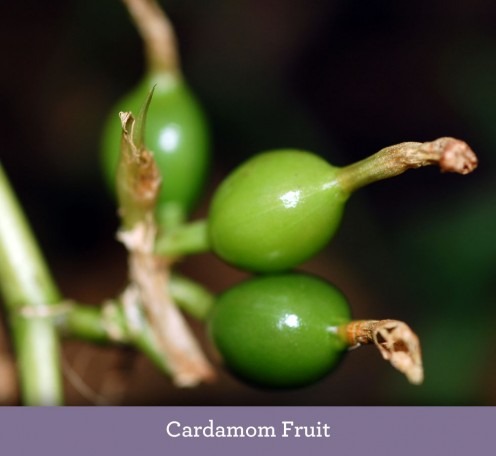
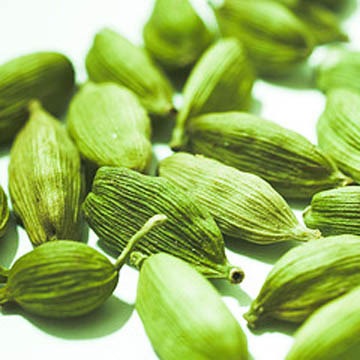
    Beauty aside, cardamom’s real treasure is found in its fruit. These long oval shaped treats range in color from light green to pale yellow, and although cardamom may be purchased in a variety of different forms, growing your own would be the best option. Sweet and spicy, cardamom has its own unique and aromatic taste. If purchasing this delectable spice, try to buy it while still in the pod. Pods are easily removed and discarded, and the seeds will be at their most desirable in flavor and aroma.

    Cardamom may also be purchased in seed form, with the green seeds considered most valuable for culinary purposes. Note that the seeds will have lost some of their flavor because they’ve been shelled. Ground cardamom is available in the spice section of most grocery stores and easily stored at home, but it is less flavorful than either of the two forms mentioned previously and is rather pricey at the checkout. Actually, costly as it is, a small amount does go a long way. Recipes calling for ten pods of cardamom seeds may be replaced by one and a half teaspoons of ground cardamom. The simplicity of pulling out a teaspoon always makes my day; I’ll go for the ground.

    For those more daring than myself (okay, I might just shuck some shells on a leisurely weekend), cardamom’s ribbed pods contain three shells each. Each shell houses between four and six seeds. You’ll know you have the real thing if your chore is accompanied by the ever-present scent of eucalyptus. If the strong smell of camphor fills the air… well, you’ve been duped!

    Cardamom- Medicinal and Culinary Uses

    Medicinally, cardamom has been highly respected for thousands of years. Both cardamom seedpods and seeds have been used in the practice of Ayurveda, meaning “the complete knowledge for a long life,” India’s traditional system of medicine. Its seeds were also prized by the ancient Greeks and Romans. Cardamom’s health benefits are also highly regarded in Asian medicine, and like the practice of Ayurveda, Asians use cardamom as an alternative medicine to fight a variety of different infections. A natural detoxifier, cardamom naturally eliminates caffeine, cleanses the kidneys and bladder, stimulates a lazy metabolism, treats infections of the mouth (particularly the gums), as well as neutralizing mouth odor (think bad breath!).

    Cardamom’s ability to serve both culinary and medicinal functions at the same time is proven by the fact that it not only lends an aromatic flavor to foods but also makes them more digestible at the same time. Cardamom’s seeds contain high amounts of fatty oils, starch, protein, gum and sugar. But its therapeutic components are contained in the seed’s essential oil, which is extracted by steam; those components are cineole (anti-inflammatory and antinociceptive), limonene (used in cosmetics, as a flavoring for medicines, and as a fragrance in cleaning solvents), borneol (used as a skin tonic, a local anesthetic, sedative and antispasmodic), and terpinine.

    Highly valued as a remedy for digestive problems such as nausea, vomiting, gas, craps, and heartburn; cardamom’s essential oil stimulates the appetite and encourages the secretion of gastric juices. One or two drops of cardamom’s essential oil diluted in a glass of warm milk is said to strengthen the lining of the stomach and get those gastric juices moving. Poor circulation? Try heating a cup of milk (not to boiling) and adding one teaspoon of cardamom and saffron; let the mixture steep a bit, sweeten with honey and indulge. What could be more satisfying… and healthy, all at the same time?

    Cardamom-

    Wrapping It Up

    Cardamom can be used to add flavor to both sweet and savory dishes. Known worldwide as a main ingredient in curry, cardamom is just at home in its uses in baked goods and beverages. Enjoy gingerbread? Answer yes, and you’ve enjoyed cardamom. As for beverages, Mulled wine couldn’t do without it, nor could those famous blends of Mid-Eastern coffees. An excellent choice as an after dinner beverage, Indian coffee is easily brewed and healthy to boot; just boil two cups each of milk and water, add five teaspoons of your favorite instant coffee, two green cardamom pods and sweeten to taste. Simmer for three to five minutes, strain and enjoy! This beverage will help you feel less full and aid in digestion.

    No matter what form of cardamom you purchase or if you choose to grow your own, cardamom has a multitude of uses. Just a reminder, when shopping for cardamom it’s best to purchase green pods. Buyers beware; if you run across white pods they’ve been bleached with sulfur dioxide and brown pods, they aren’t genuine. You might get by with the brown, but you’ll find they haven’t either the aroma or the taste of genuine green cardamom pods. Like everything else in the culinary world, you get what you pay for.

    As with all medicinal spices, talk to your doctor and get his/her advice before using cardamom as an alternative medicine.

    Source

    The Complete Guide to Natural Healing , International Masters Publishers, @ MCMXCIX

  • First Thoughts

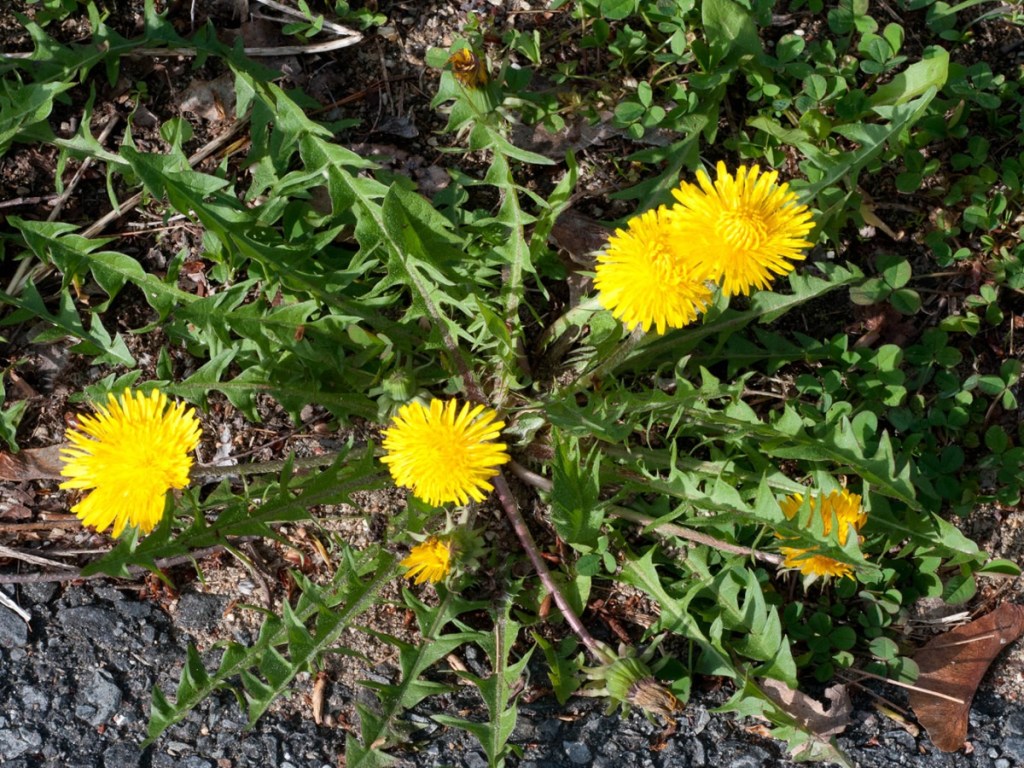
    When I see a dandelion, my first reaction is to remind myself to get out and pull the weeds… today. Dandelion seeds make me sneeze, they set off the allergies, they make me itch, and I do not like the way they look in my lawn. I viewed them in the same way I view mosquitoes… pesky things that aren’t good for anything, but I was wrong.

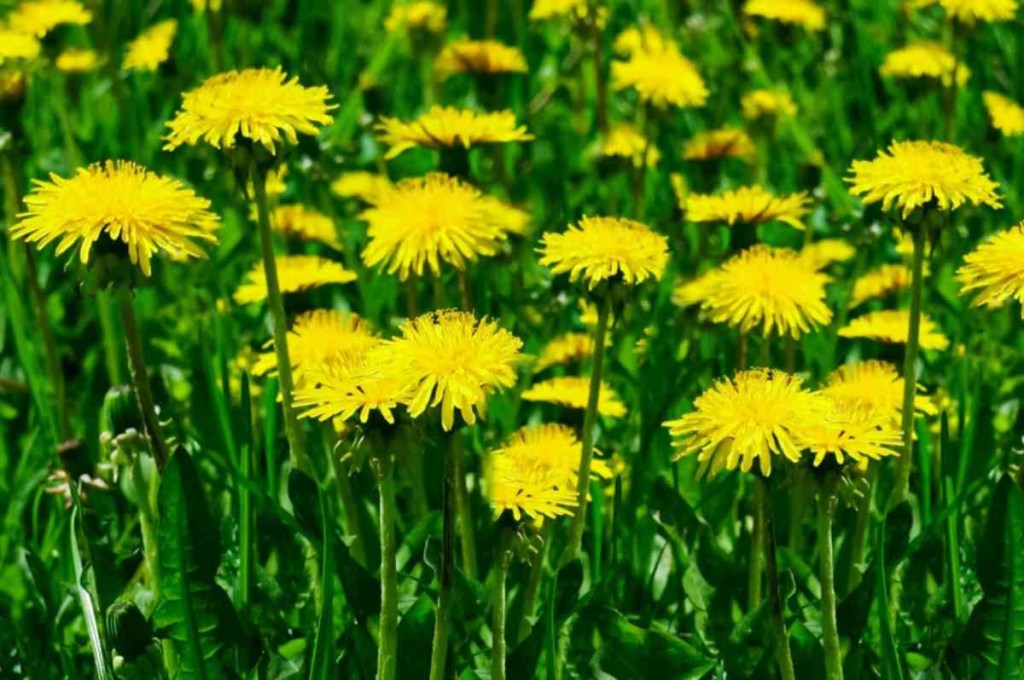
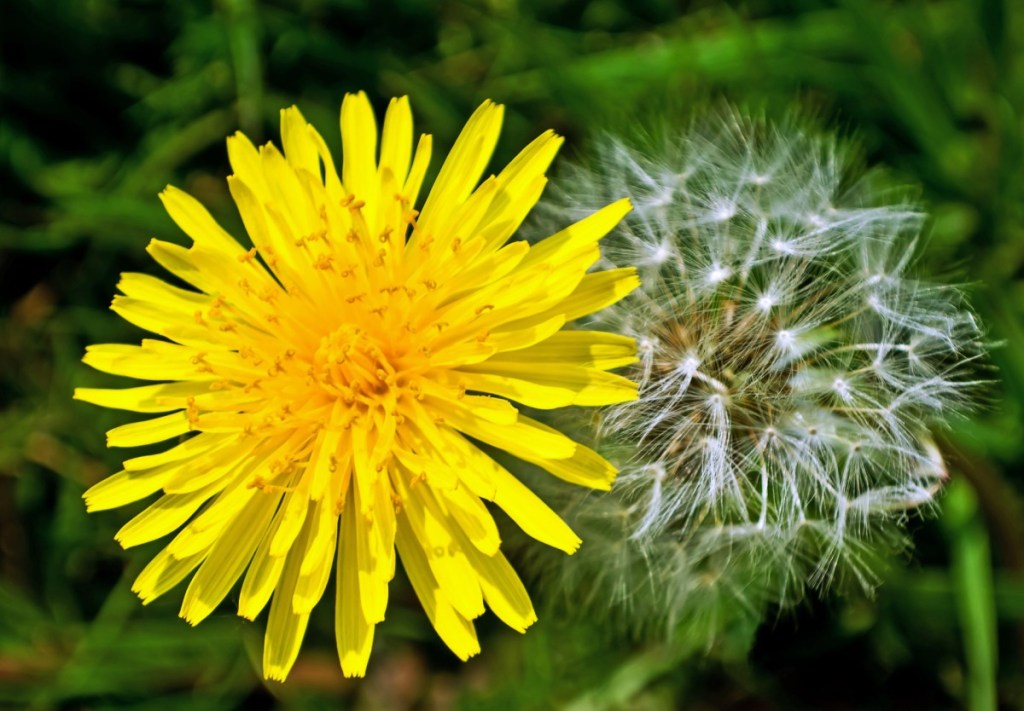
    The dandelion (Taraxacum officinale) is a member of the Asteraceae family, which is one of the largest plant families. The family also includes a number of different types of plants including garden ornamentals, wildflowers, weeds, and food crops. Dandelions fall in the weed category but are also used by many as a food crop to make salads, teas, and wine. Their name originated in France, dent de lion, the French words for “lion’s tooth,” which refers to the teeth on the leaves.

    Historical Uses for Dandelions

    Historically, dandelions have been used for centuries, though the Chinese were the first to credit them for their ability to purify the blood and boost the immune system. According to ancient texts, Arab cultures were also using dandelions by the 10th & 11th centuries to treat problems with the kidneys and liver, something that continues today, as the dandelion is used to detoxify the liver. In the 16th century, William Langham’s book, Garden of Health, even touted the dandelion as a cure for baldness.

    “The [dandelion] juice often applied, layeth downe the staring of the haire of the eybrowes, and causeth newe haires to grow.”

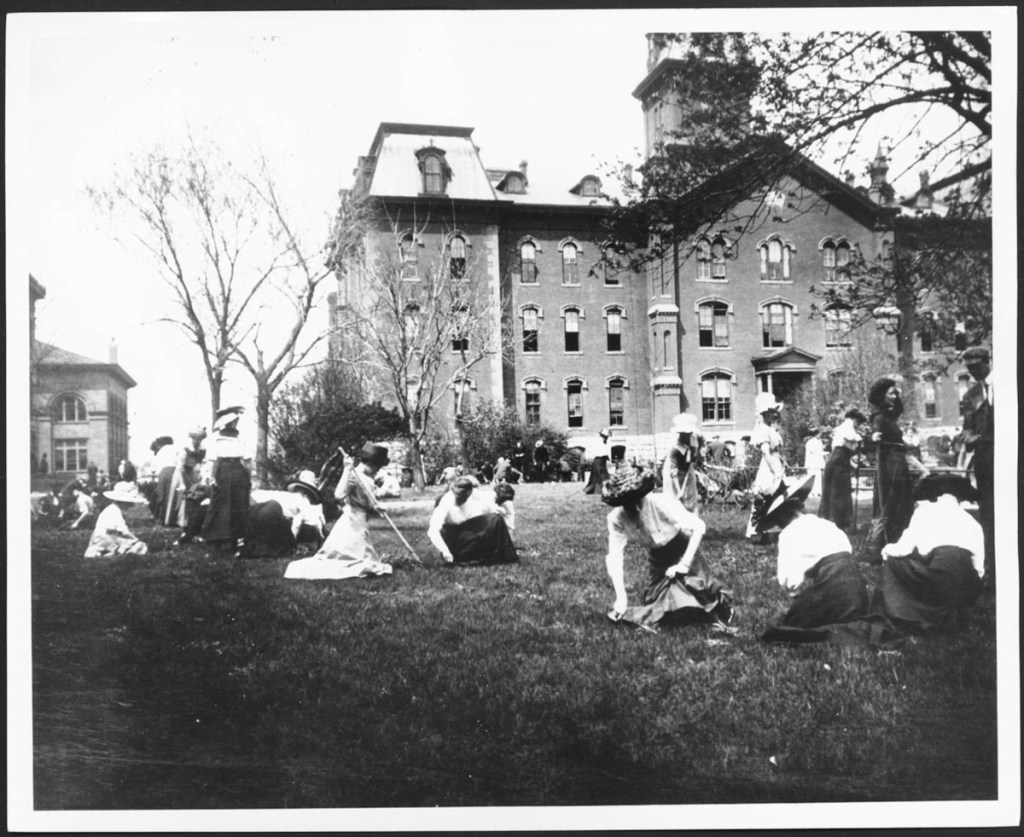
    Dandelion Rake in 1911 at the University of Nebraska

    Nutritional Value

    Nutritious, from the tip of their roots to the top of their flowers, dandelions are loaded with vitamins, fiber, and minerals. They are an excellent source of potassium, inulin (soluble fiber), vitamins (A,C, & K), and they are filled with antioxidants, which are critical in the neutralization of free radicals and protect us against chronic disease. The amount of Vitamin K, however, is significant enough to make special note of… as one cup of dandelion greens provides more than the daily recommendation (357% in all). You ask why this matters? Vitamin K has been proven to aid in the prevention of osteoporosis and coronary heart disease, things we all worry about as we age.

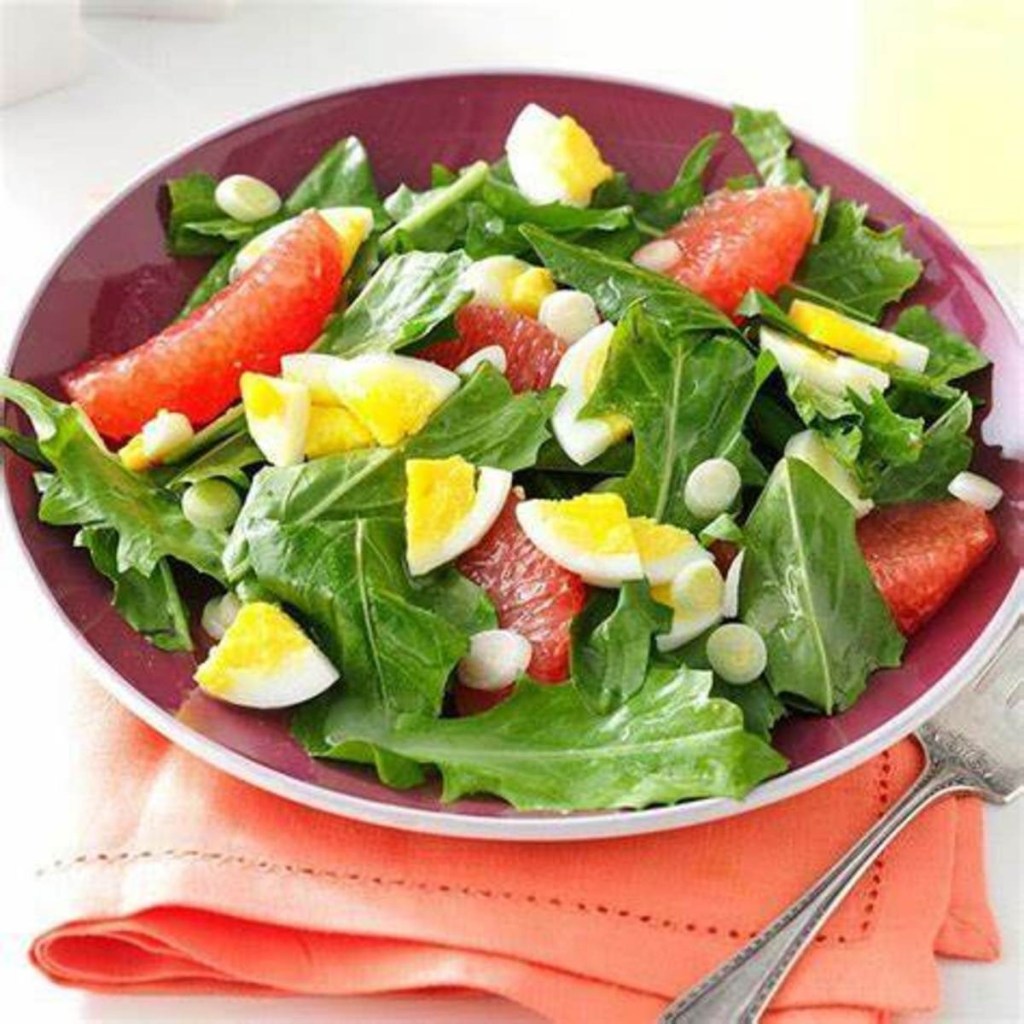
    Often used in salads, the dandelion’s leaves are slightly bitter, while its roots are bittersweet, and the aroma is most often described as sharp, yet buttery. Many people prefer to mix dandelion greens with other leafy vegetables, which provides for a bevy of flavor.

    Dandelion Salad

    Dandelion Tea

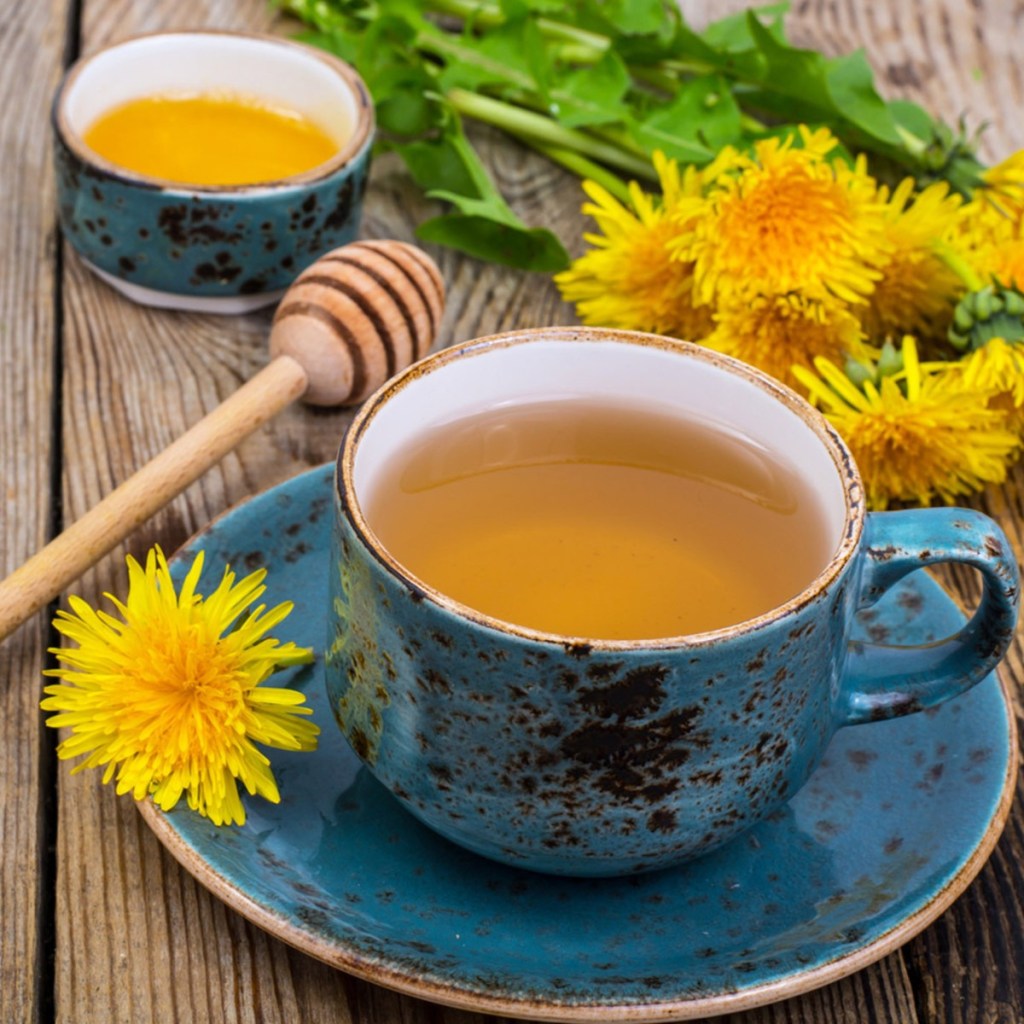
    For those people who aren’t fans of “bitter”, dandelions can be consumed in a variety of ways. Dandelion Tea is easily prepared by using finely chopped or powdered dandelion root. Simply boil one to two teaspoons (per cup) of dandelion root in water for about ten minutes, strain, and serve. Note, dandelion roots (whole) can be stored in a cool, dark place for up to three years. The shelf life of powdered or ground dandelion is one year. It is also important to remember that only dandelions that grow in areas free from pesticides are safe to consume.

    Dandelion Tea

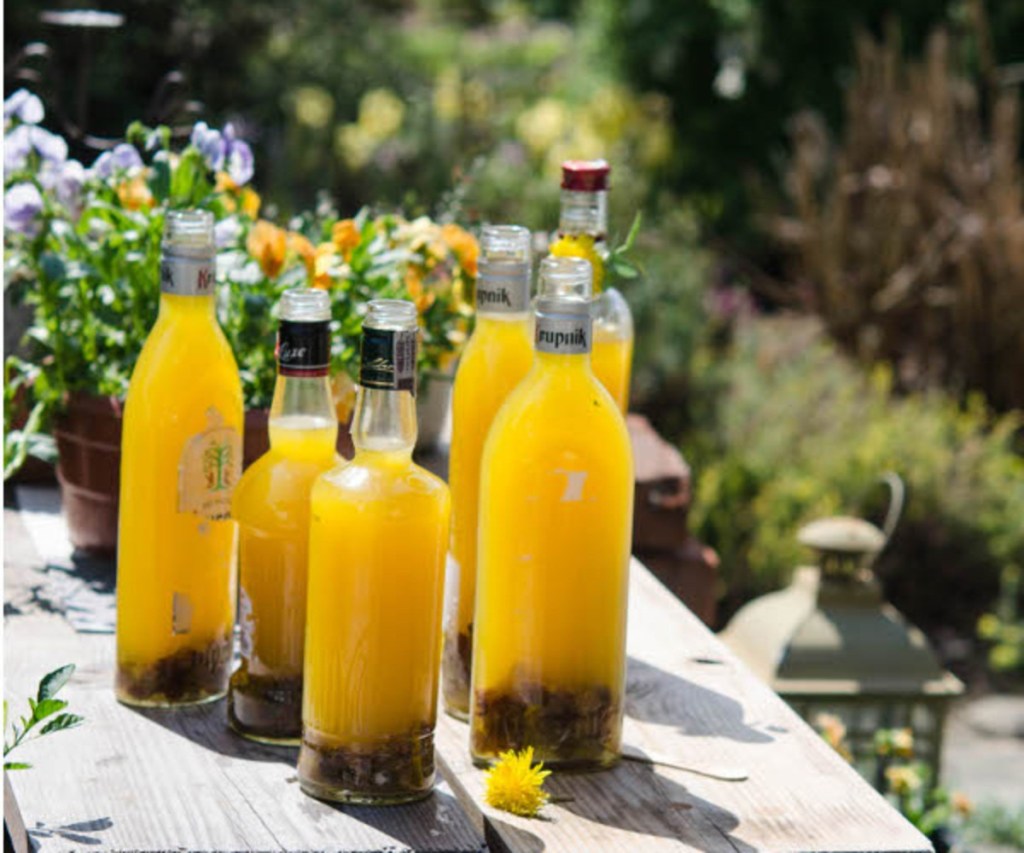
    Dandelion Wine

    Dandelion wine is linked to the advent of spring and summer months. Author, Ray Bradbury, even wrote a book titled, Dandelion Wine, in which he notes, “The wine was summer caught and stoppered.” The Amish collect baskets full of dandelions each spring and summer when the blossoms first start to appear and have consumed Dandelion wine for both its taste and natural healing for centuries. There are numerous recipes available using the flower, but I only found one that actually uses the root and couldn’t be easier to make. The recipe calls for 1 1/2 ounces of dried dandelion root and a bottle of white wine. Simply steep the root in the wine for ten days, filter, and enjoy… a truly simple introduction.

    Dandelion Wine

    Change of Heart

    Though my initial opinion of dandelions has changed… I concede they are not useless, but rather, have enormous benefits to our health and well-being. I will be keeping my “taste tests” to the minimum, however, until I converse with my doctor during our next visit. While doing my research, I also learned that those of us who have ragweed allergies just might find ourselves experiencing a reaction after consumption…. I will proceed with caution.

    Sources

    1. National Institutes of Health Office of Dietary Supplements. Potassium: Fact sheet for health professionals.
    2. Langham, William. The Garden of Health : Conteyning the Sundry Rare and Hidden Vertues and Properties of All Kindes of Simples and Plants, Together with the Maner How They Are to Be Used and Applyed in Medicine for the Health of Mans Bodyagainst Diuers Diseases and Infirmities Most Commo amongst Men. Imprinted at London: [By the deputies of Christopher Barker], 1579.
    3. prevention.com